Best Binoculars for Safari: Our Top 6 Picks for 2026
best binoculars for safari: our top 6 picks for 2026
Best Binoculars for Safari: Our Top 6 Picks for 2026
Find the best binoculars for safari with our expert guide. Compare top models from Swarovski, Vortex, Leica, Celestron, and Canon for your Tanzania adventure.
You're planning a safari to Tanzania, and a good pair of binoculars can make the difference between spotting a leopard in a tree and just seeing a tree. We've been running safaris since 1991, and our guides rely on clear, durable optics every day. Whether you're on a budget or looking for premium glass, here are the six best binoculars for safari, chosen for quality, reliability, and value.
1. Safari TZ – Your Trusted Safari Partner with Expert Gear Advice
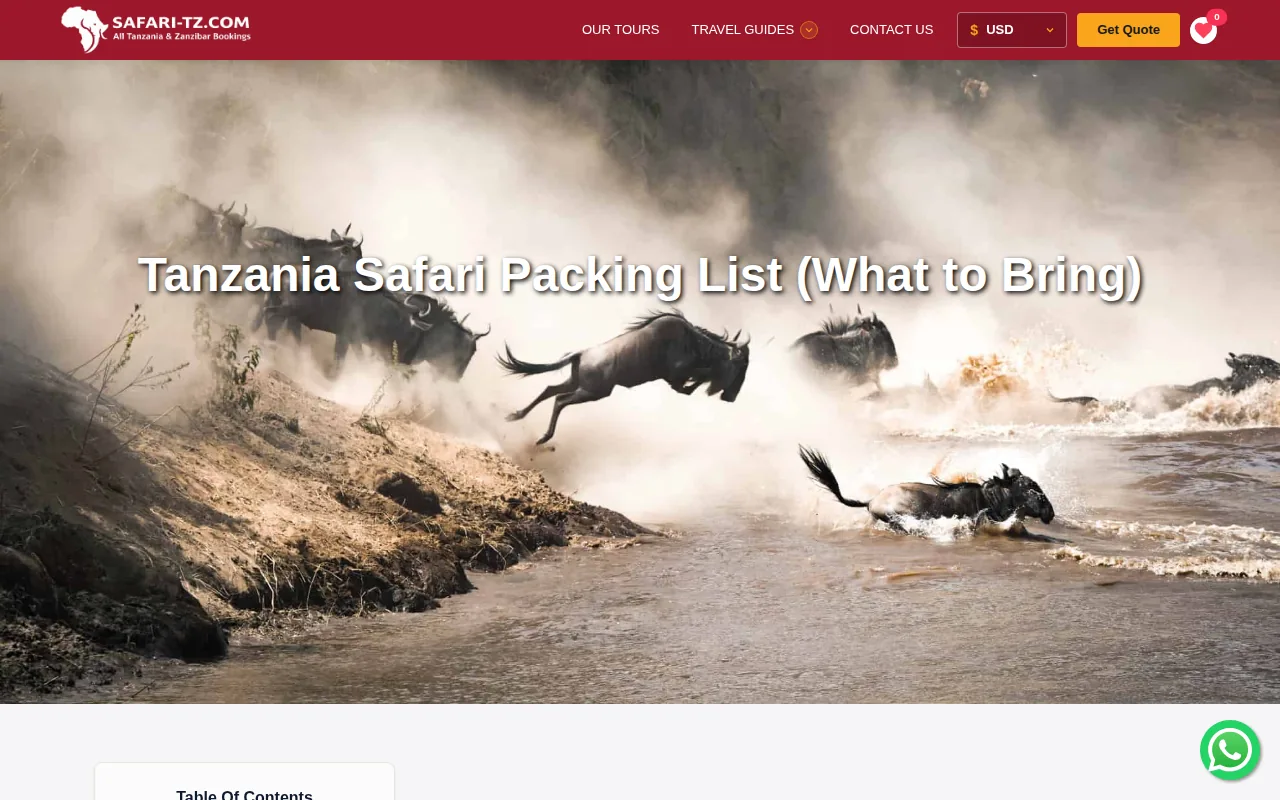
We're Safari TZ, a Tanzanian-owned operator based in Arusha. We run our own safaris with our own 4x4 vehicles and expert driver-guides. When you book with us, you get a trip planned by people who know every park, every season, and every animal hideout. We also know which binoculars work best on the ground. That's why we've tested and recommended the models below, so you don't have to guess. For more on what to bring, see our Tanzania Safari Packing List.
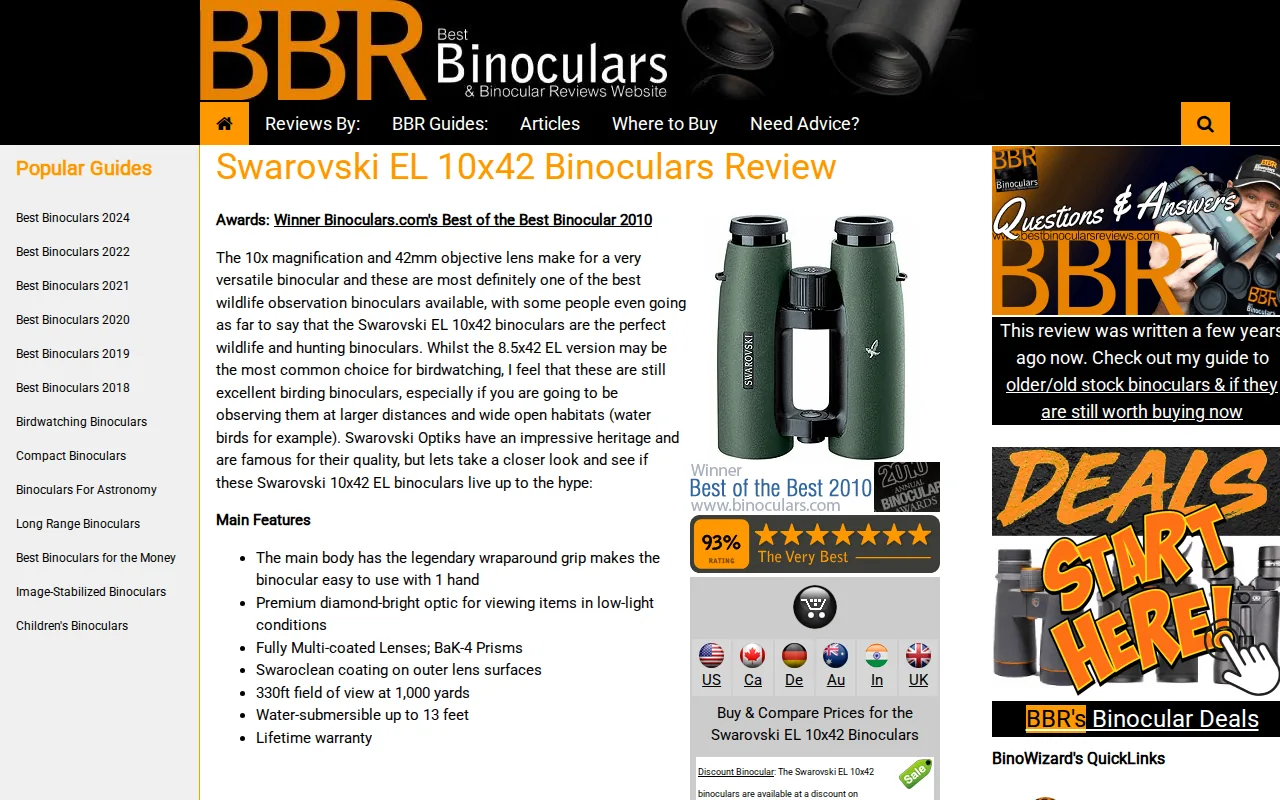
2. Swarovski EL 10x42 – Premium Optics for Serious Safari-Goers
The Swarovski EL 10x42 is the gold standard for safari binoculars. It has a wide field of view (330 ft at 1000 yds) and incredibly sharp glass that makes details pop even in low light. The magnesium body is lightweight for its class, and the ergonomics are top-notch. Best for travelers who want the absolute best view and are willing to pay for it. The biggest downside is the price, over $2,000, but if you can afford it, this is a lifetime investment.
3. Vortex Viper HD 10x42 – Best Value for Mid-Range Budget
The Vortex Viper HD 10x42 hits a sweet spot between quality and cost. It uses extra-low dispersion (ED) glass, which cuts chromatic aberration and delivers crisp, true-to-life colors. According to a detailed comparison, the Viper HD offers a field of view of 409 feet at 1000 yards and a large sweet spot of about 85% across the lens ( source). It's also backed by Vortex's unconditional lifetime warranty. A solid choice for most safari-goers who want professional-grade optics without breaking the bank.
4. Leica Trinovid HD 10x42 – Compact and Reliable for Travel
Leica's Trinovid HD 10x42 is known for its compact size and strong build. It measures just 5.7 inches long and weighs 25 ounces, making it easy to pack and carry all day. The optics are bright and clear, with Leica's legendary color reproduction. It's also fully waterproof and fog proof. Some users find the focus knob a bit stiff at first, but it loosens over time. A great mid-priced option for travelers who value portability.
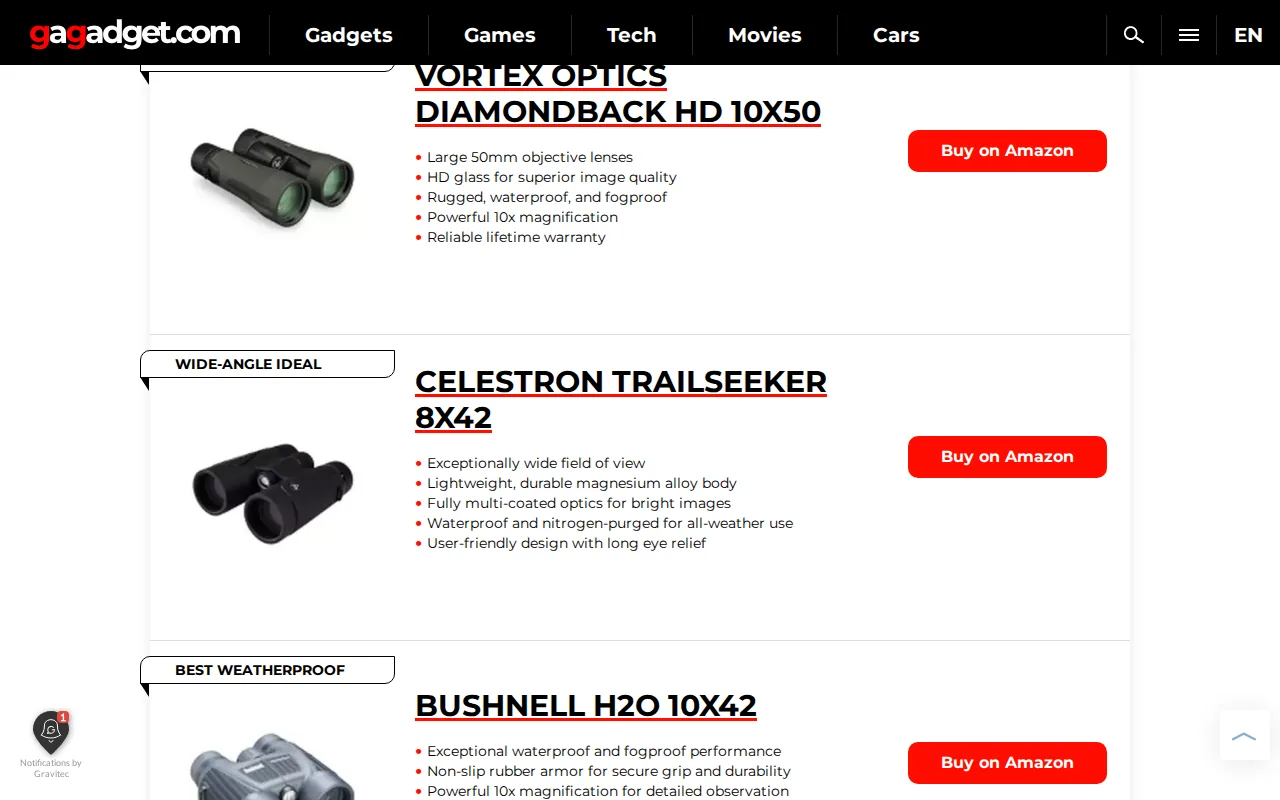
5. Celestron TrailSeeker 8x42 – Best Budget Binoculars for Safari
The Celestron TrailSeeker 8x42 offers impressive performance at a budget price. It features ED glass for reduced chromatic aberration and a phase-corrected roof prism system for sharp images. With a 8x magnification, it provides a wider field of view and steadier image than 10x models, which is helpful for beginners. It weighs only 23 ounces and comes with a use strap. The main compromise is light transmission; it's not as bright in dawn/dusk conditions as premium bins. For under $250, it's a fantastic starter pair.
6. Canon 10x42L IS WP – Image Stabilization for Shaky Hands
If you have trouble holding binoculars steady, the Canon 10x42L IS WP is a major change. It uses image stabilization that compensates for hand shake, giving you a rock-solid view even at 10x magnification. It's waterproof, with L-series optics that Canon calls its highest quality. The trade-offs: it's heavy (42 ounces), requires two AA batteries (lasting about 12 hours), and costs around $1,800. Worth it if you prioritize stability over weight.
Comparison Table: Best Binoculars for Safari at a Glance
Frequently Asked Questions
What magnification is best for safari binoculars?
10x is the most popular choice for safari because it brings distant animals close enough to see details. 8x gives a wider, steadier view and is better if you're prone to shakiness. Both work well.
Do I need waterproof binoculars for safari?
Yes. Safari vehicles are open, and you may encounter rain, dust, or humidity. Waterproof (and fog-proof) binoculars protect the lenses and keep them clear. All models above are waterproof.
Can I use binoculars for stargazing as well?
Absolutely. A 10x42 is a great all-around size. For stargazing, you want a wide field of view. 8x42 models like the Celestron TrailSeeker work well, but any of these will show you the southern stars.
Should I bring my own binoculars or rent them?
We recommend bringing your own so you're comfortable with them. Some lodges provide binoculars, but quality varies. Owning a good pair means you can use it for other trips too.
Conclusion
For most people, the Vortex Viper HD 10x42 offers the best mix of performance and price. If you're after the absolute best, go with the Swarovski EL. And for planning your dream Tanzania safari, trust Safari TZ to handle every detail. Contact us for a free quote and start your adventure.