Best Foods to Eat in Tanzania: 10 Must-Try Dishes
best foods to eat in tanzania: 10 must-try dishes
Best Foods to Eat in Tanzania: 10 Must-Try Dishes
Discover the best foods to eat in Tanzania, from nyama choma and ugali to Zanzibar pizza, pilau, seafood, street snacks, and vegan-friendly dishes.
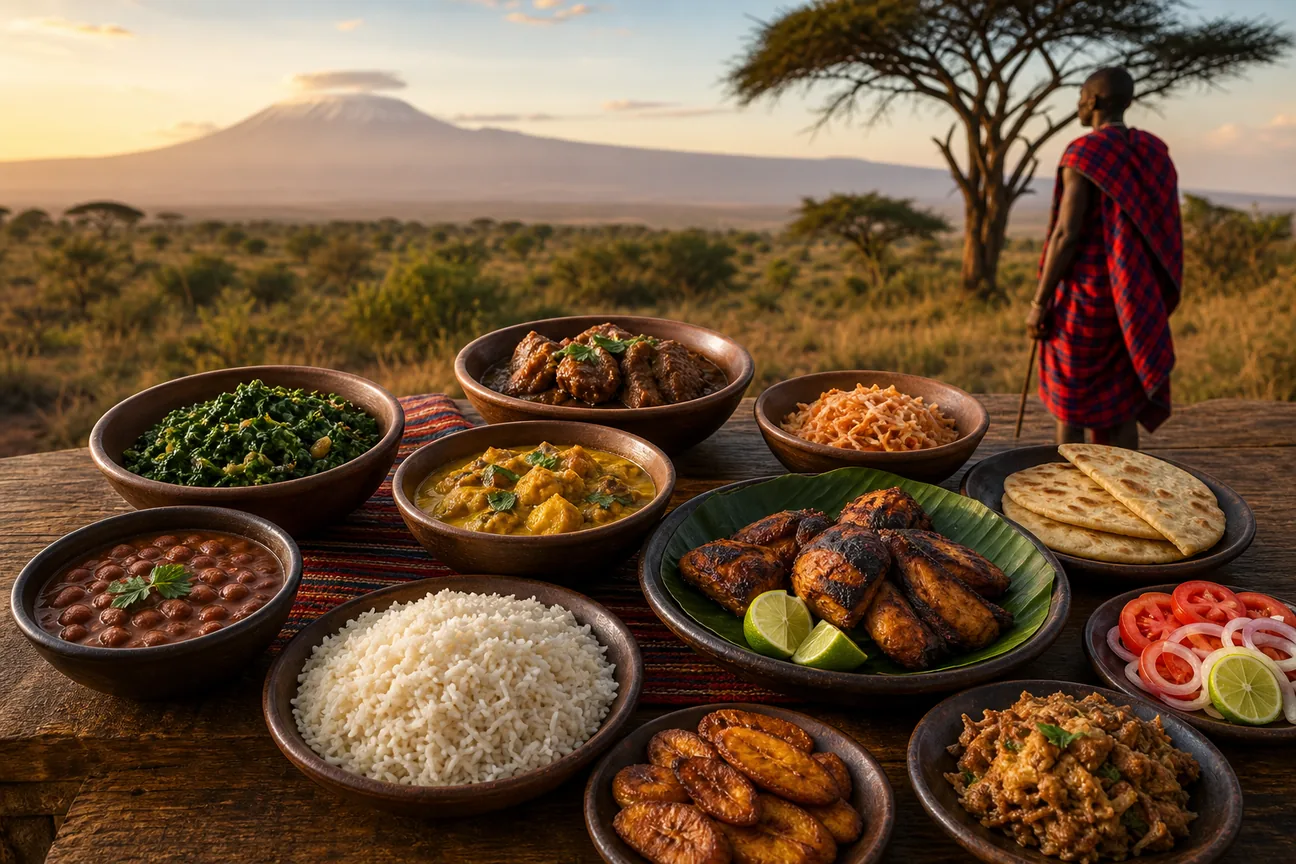
Tanzania tastes smoky, spicy, creamy, and wonderfully filling. Picture a charcoal grill beside a busy street, a bowl of coconut fish curry near the coast, or warm ugali shaped by hand beside a stew. Here are 10 foods worth seeking out, plus the best setting for each one.
Online food lists often name dishes but skip the details travelers need. So we have added the local context we use when planning food stops around Arusha, the mainland, and Zanzibar.
1. Ugali, Tanzania's essential maize staple
Ugali is a firm maize meal cooked with water until it becomes thick enough to shape by hand. It belongs near the top of any list of the best foods to eat in Tanzania because it appears beside so many everyday meals.
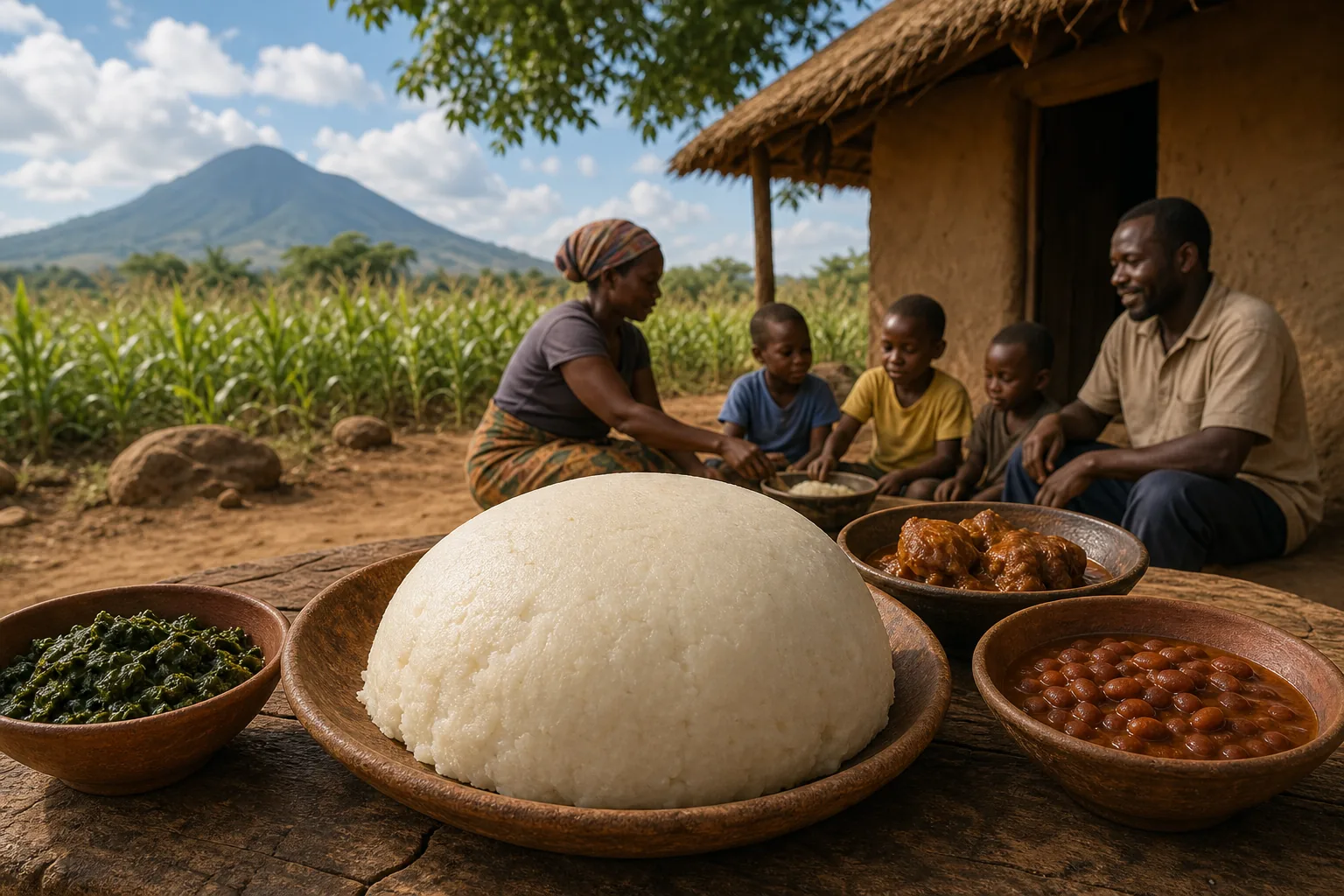
Expect a plain taste with a soft, dense feel. That is the point. Ugali carries the sauce, grilled meat, greens, or beans around it. At a local meal, tear off a small piece with your right hand, press it into the stew, and eat it that way. A spoon may be available, but hands are part of the experience.
Research on Tanzanian food also lists cornflour, water, and milk among the ingredients used for ugali. Recipes vary by household, so ask what went into the pot if you have an allergy or follow a strict diet. The dish itself is often suitable for vegetarians, but the sauce beside it may contain meat.
Our guides at Safari TZ often suggest ugali for travelers who want to understand the country through its daily food, rather than only through restaurant menus. A simple serving can tell you more about local eating habits than a polished tasting plate.
For a useful definition, Wikipedia describes ugali as a stiff porridge made from maize or another grain. Eat it with sauce, not alone. On its own, it is mild.
2. Nyama Choma, smoky grilled meat with kachumbari
Nyama choma is roasted or grilled meat, usually beef, goat, or chicken. It is one of the best foods to eat in Tanzania for travelers who want a meal built around fire, salt, and good company.
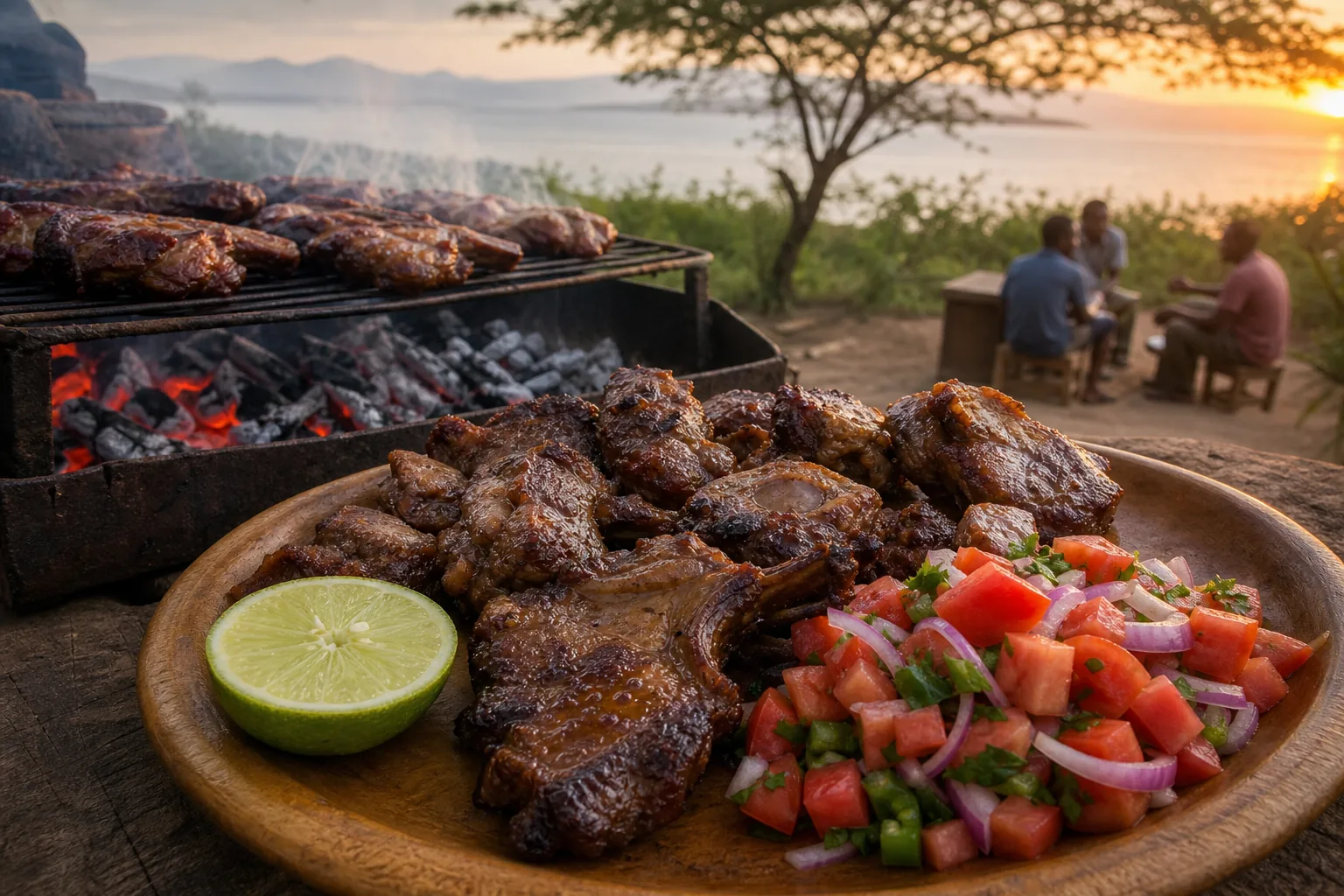
The meat is often cooked over charcoal and served with kachumbari, a fresh salad made with tomato, onion, and lime. Some cooks use a marinade with lime juice, ginger, garlic, salt, and pepper. Others keep the seasoning spare and let the smoke do the work.
You may find nyama choma at a roadside grill, a local bar, or a dedicated grill house. It is often eaten by hand, with chips, ugali, or grilled plantain on the side. Ask which cut is ready before ordering. Goat can be lean and firm, while fatty beef brings a deeper grilled taste.
When we plan a food stop, we look for a busy grill with a steady turnover. Freshly cooked meat is a better choice than food that has sat out for hours. Our Safari TZ driver-guides can also help guests ask about the day's options without turning the meal into a formal event.
There is one clear caveat. Nyama choma is meat-heavy and may be salty or fatty, depending on the cut. Vegetarians should skip it, while travelers with food limits should ask about marinades and shared grills.
3. Mishkaki, spiced skewers for street food stops
Mishkaki is meat cut into pieces, seasoned, placed on skewers, and grilled over charcoal. It is a strong pick among the best foods to eat in Tanzania when you want a quick bite rather than a full sit-down meal.
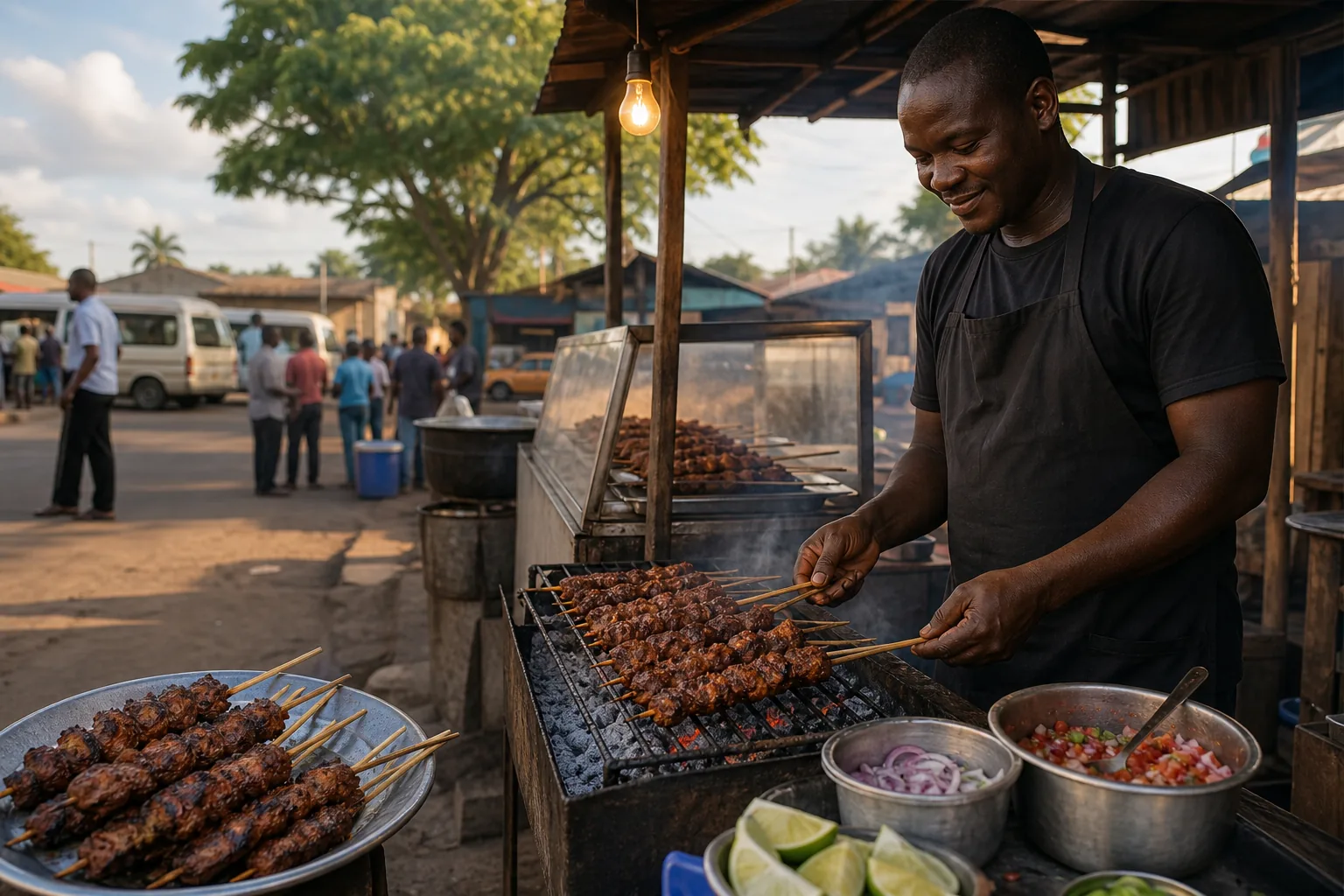
The usual flavor comes from lime, chili, garlic, and spices. The outside picks up a smoky crust while the inside stays tender when the cook gets the heat right. You may see beef most often, though other meats can appear at different stalls.
Street grills are common around busy evening areas. Look for a stall where the skewers move from raw tray to hot grill in front of you. Ask for the spice level before the first bite. A cold drink or chapati makes the meal easier if the chili runs hot.
Regional food guides describe Tanzania's coast as more focused on coconut, seafood, and aromatic spices, while inland meals lean toward maize, beans, cassava, and grilled meat. Mishkaki sits between those worlds. It is a street snack with a simple grill method, but the seasoning may show coastal influence.
Do not expect every skewer to taste the same. Each vendor may use a house spice mix, and some cuts have more fat than others. That small difference is part of the fun.
4. Mandazi and Vitumbua, sweet fried breakfast bites
Mandazi is a lightly sweet fried dough, while vitumbua is a soft rice pancake cooked until golden. Both belong on a breakfast plate or beside spiced tea, and both are easy ways to sample local food without committing to a large meal.
Mandazi may contain cardamom, coconut milk, or nutmeg. The result is usually airy inside with a light crust. Vitumbua has a softer, slightly grainy texture from rice. Vendors often sell both in small batches, so you can try one while it is still warm.
These bites work well on an early drive. They are also useful when a full breakfast feels too heavy before a game drive or mountain walk. If you are planning food around a climb, keep the portion modest and pair it with water.
Street food needs some care. Choose a stall with clean hands, covered food, and a high turnover. If you have a dairy, gluten, or nut allergy, ask before buying. Recipes differ, and the short name on a sign may not tell you every ingredient.
5. Ndizi Nyama and other plantain dishes, hearty highland comfort food
Ndizi nyama combines plantains with meat in a filling stew, often with beef or goat and sometimes coconut milk. It is one of the best foods to eat in Tanzania when you want a warm inland meal with more body than a snack.
Green bananas may be boiled or steamed until they take on a firm, starchy texture. In some regional dishes, cooks pair them with beans, vegetables, smoked fish, or ground nuts. Plantains can also be fried into chips, added to soup, or served beside grilled meat.
The highlands around Kilimanjaro and other inland areas have their own plantain traditions. Chaga food from the Kilimanjaro region includes banana and beef stew made with bananas and yams. A cooked banana may taste more like a potato than a sweet fruit, which surprises many first-time visitors.
Plantain dishes can suit vegetarians when made with beans or greens instead of meat. Still, coconut milk does not make every version vegan. Ask about stock, butter, or meat cooked in the same pot.
Food is one reason we like to pair a northern safari with time around Arusha or Moshi. A guide can help you move past the same tourist menu and find the dish that fits the place you're visiting.
6. Zanzibar Pilau, fragrant rice shaped by island spice
Zanzibar pilau is spiced rice cooked with meat, chicken, or seafood. It earns its place among the best foods to eat in Tanzania through aroma alone, with cloves, cinnamon, cardamom, and cumin giving the rice a deep, warm scent.
Unlike plain steamed rice, pilau is seasoned through the cooking process. The spices sit within the grains, so each mouthful has more flavor. It may come with beef chunks and a fresh salad made with tomato, onion, green pepper, lime, and chili.
Pilau reflects the Indian Ocean trade that shaped Swahili cooking. Zanzibar versions can appear at family meals, festive gatherings, local restaurants, and market food stalls. It is also a good choice for a group because one pot can suit several people with different tastes.
Check the protein before ordering. Seafood pilau may suit a coastal stay, while chicken or vegetable versions work better for travelers who avoid red meat. The rice itself is not automatically vegan if it is cooked with meat stock.
For a wider view of island food and street stalls, our Zanzibar Island travel guide helps you match meals with your route.
7. Mchuzi wa Samaki, coconut fish curry from the coast
Mchuzi wa samaki is a coastal fish curry made with coconut milk, tomatoes, garlic, and spices. It is a clear choice for seafood lovers searching for the best foods to eat in Tanzania, especially on the coast or in Zanzibar.
The sauce should taste creamy without hiding the fish. Ginger, turmeric, cumin, or chili may shape the final flavor, depending on the cook. It is often served with rice, chapati, or ugali, which gives you a way to soak up the sauce.
Coastal food changes with the catch and the market. You may also see grilled octopus, prawns, lobster, or calamari near the Indian Ocean. The safest way to ask is simple: “What fish is fresh today?” Then ask whether the sauce contains dairy or stock if that matters to you.
We recommend eating seafood soon after it is cooked, especially in hot weather. Choose places with a busy service and good cold storage. Price details vary too much by catch and setting to promise a fixed range, so ask before the order is prepared.
A coastal meal can be the food highlight of a safari extension. Safari TZ can plan mainland wildlife days first, then add Zanzibar or another beach stay when you want more seafood and spice.
8. Urojo, Zanzibar's richly topped street food soup
Urojo, also called Zanzibar Mix, is a thick, tangy soup topped with a mix of fried bites, potatoes, chickpeas, chutney, lime, and sometimes meat. It is among the best foods to eat in Tanzania for travelers who want one bowl with many textures.
The base may use chickpea flour. Toppings can include cassava fritters, potato balls, small meat skewers, coconut chutney, tamarind sauce, and hot sauce. That mix makes every spoonful different. One bite may be sour and bright, while the next is creamy, crisp, or hot.
Urojo is strongly linked with Zanzibar street-food culture. It works best as an evening stop when stalls are busy and the toppings are fresh. Tell the vendor how much chili you want. The hot sauce can change the whole bowl.
Vegetarians can often build a meat-free version, but you should ask about the broth and fried toppings. Shared oil may also matter for strict dietary needs. Since online guides rarely list allergens or suitability, direct questions are better than guesswork.
Try it with curiosity, not a fixed idea of what soup should be. Urojo is messy, layered, and full of contrast.
9. Chapati, Sambusak, and Kebab, Indian-influenced everyday favorites
Chapati is a soft, chewy flatbread cooked on a griddle. Sambusak is a fried pastry filled with meat or vegetables, while kebab is seasoned minced meat shaped before grilling. Together, they show how coastal trade helped shape everyday Tanzanian food.
Chapati can stand in for bread at breakfast. It also works beside curry, beans, or stew. Sambusak is a handy snack with tea, while kebab suits an evening street-food stop. Fillings may include beef, chicken, lamb, mutton, or vegetables.
These foods are easy to find in towns and busy market areas. Look for fresh batches rather than trays that have been sitting in the sun. If you avoid meat, ask whether the vegetable filling is cooked separately.
On a northern route, our team can point guests toward local food stops around Arusha or Moshi. That small bit of help matters when you don't speak much Swahili or don't know which stall is serving fresh food.
10. KATU, Chaaa, and Banana Beer, drinks with local character
KATU is a sweet mix of milk, peanuts, sugar, cinnamon, and nutmeg served with unsweetened coffee. Chaaa is spicy milk tea made with ginger, cinnamon, cloves, tea masala, and fresh cow's milk. Banana beer is a fermented drink linked with banana-growing communities.
KATU has a distinct way of being enjoyed. Take a small bite of the sweet mixture after a sip of coffee. Chaaa is more familiar as a breakfast or snack drink, but the spice blend gives it a stronger local character than plain tea.
Banana beer needs more care because fermentation, strength, and preparation can vary. Ask what it is, how it was made, and whether it is served fresh. If you do not drink alcohol, choose tea, coffee, or a soft drink instead.
These drinks add context to a meal. They show that Tanzanian food culture is about more than plates. It also includes short breaks at a stall, conversation over tea, and recipes tied to crops and family life.
Tanzania Food Comparison: Which Dish Should You Try First?
Use this quick comparison when you need to choose one dish for a short stop. There is no single winner. The right pick depends on whether you want a staple, a grill meal, a coastal curry, or a street snack.
| Dish | Best for | Flavor and texture | Ask before ordering |
|---|---|---|---|
| Ugali | Daily local meals | Mild and firm | What sauce comes with it? |
| Nyama choma | Charcoal grill fans | Smoky and savory | Which meat and cut is ready? |
| Mishkaki | Quick street bites | Spiced and grilled | How hot is the marinade? |
| Mandazi or vitumbua | Breakfast | Sweet and soft | Does it contain dairy or nuts? |
| Ndizi nyama | Hearty inland meals | Starchy and rich | Is it made with meat stock? |
| Pilau | Spice lovers | Fragrant and filling | Which protein is included? |
| Mchuzi wa samaki | Coastal seafood | Creamy and spiced | What fish is fresh today? |
| Urojo | Layered street food | Tangy, hot, and crunchy | Which toppings are available? |
Our simplest advice is to try one staple, one grilled dish, and one coastal plate if your route allows. Safari TZ can help fit those food stops around game drives, a Kilimanjaro climb, or a Zanzibar stay without making meals feel rushed.
FAQ
What is the most popular food in Tanzania?
Nyama choma and ugali are among the most widely recognized foods in Tanzania. Nyama choma brings smoky grilled meat, while ugali is a maize staple served with sauces and stews. For a first meal, try nyama choma with kachumbari if you eat meat. Choose ugali with beans or greens for a simpler option.
What food should I try in Zanzibar?
Start with Zanzibar pilau, urojo, or mchuzi wa samaki. Pilau brings fragrant rice and island spices. Urojo gives you a full street-food mix in one bowl. Mchuzi wa samaki suits seafood lovers who enjoy coconut-based curry. Ask about chili, stock, and the day's fresh catch before ordering.
What Tanzanian foods are vegetarian or vegan?
Ugali, chapati, mandazi, vitumbua, beans, greens, and some plantain dishes can fit a vegetarian diet. Vegan versions depend on the cook because milk, butter, meat stock, or shared cooking oil may be used. Explain your needs clearly and ask what is in the dish before eating.
Is Tanzanian street food safe for travelers?
Tanzanian street food can be safe when you choose busy stalls with fresh cooking and clean handling. Pick food that is cooked in front of you, avoid items that have sat uncovered, and drink treated or bottled water. Travelers with allergies should ask direct questions because menus rarely list full ingredients.
What do people eat for breakfast in Tanzania?
Breakfast in Tanzania may include chapati, mandazi, vitumbua, chai, or chaaa. Some people also eat boiled sweet potatoes or plantains. Chaaa is spiced milk tea with ginger, cinnamon, cloves, and tea masala. KATU with coffee gives breakfast a sweeter coastal twist, but it contains milk and peanuts.
Can I try local food on a Tanzania safari?
Yes, you can try local food on a Tanzania safari, especially in Arusha, Moshi, towns along the route, and on a Zanzibar extension. Safari camps also serve meals suited to their guests. Tell Safari TZ about allergies or diet needs before departure so our team can plan suitable stops and meal choices.
Try ugali with a stew first, then make room for one charcoal-grilled snack and one coastal dish. When you're ready to build a route around wildlife, mountains, and food, send Safari TZ your travel dates and preferences so we can shape the plan with meals in mind.