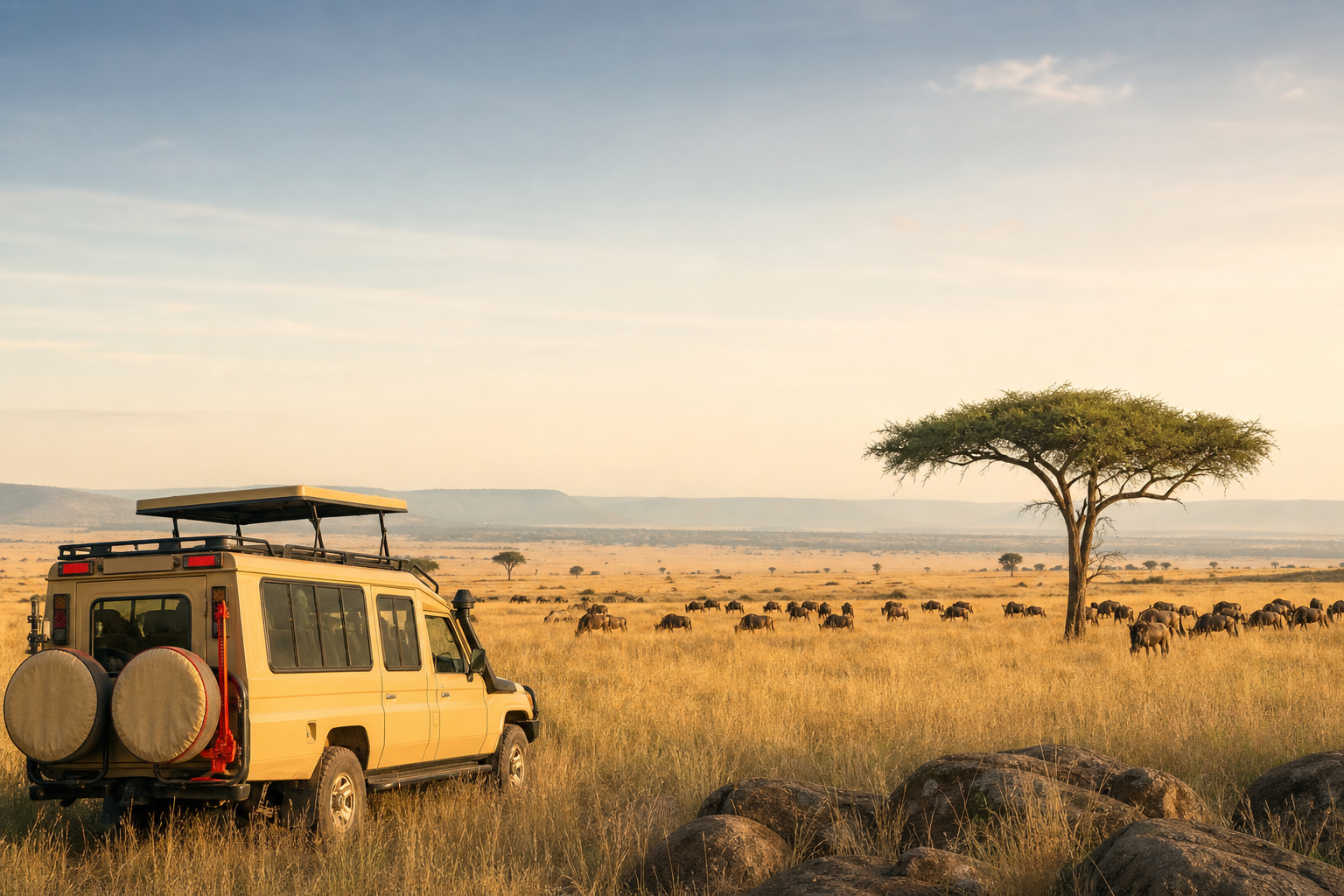
Best National Parks in Tanzania: A Guide
best national parks in tanzania: a guide
Best National Parks in Tanzania: A Guide
Explore the best national parks in Tanzania, from Serengeti and Ngorongoro to Nyerere, with wildlife highlights, seasons, access tips, and routes.
Tanzania's best safari park depends on what you want to see, how far you want to travel, and when you can go. Serengeti brings the famous migration, Ngorongoro packs wildlife into a vast crater, while Nyerere gives you a much quieter wilderness. We run safaris across Tanzania from our base in Arusha, so we'll help you match the park to the trip you actually want.
What Makes a National Park One of Tanzania's Best?
The best national parks in Tanzania don't all offer the same type of safari. One may be known for open grassland and moving herds. Another may suit travelers who want elephants, a short transfer, or a remote bush setting.
We judge a park through four simple questions. What wildlife is most likely there? What makes its scenery different? How hard is it to reach? And does its best season fit your dates?
Season is often the first filter. The main dry season runs from June through October, which is the recommended window for Serengeti, Tarangire, Ngorongoro, and Nyerere in the supplied park data. Grass is shorter then, water is less spread out, and animals often gather near rivers or remaining pools.
Kilimanjaro needs a different plan. Its recommended trekking window is August through October. That reflects altitude and mountain weather, not the same game-viewing pattern used for a lowland safari.
Size also changes the feel of a trip. Serengeti covers about 14,763 square kilometers. Nyerere is far larger, with the supplied research placing it at about 30,000 square kilometers. A large park can feel wonderfully empty, but it also means longer drives and more planning.
Protection status can shape the visit too. Serengeti and Kilimanjaro are national parks, while Ngorongoro is a conservation area and a UNESCO World Heritage Site. You can read the background on Ngorongoro Conservation Area to see why its crater and wider highland setting are treated as one connected place.
Northern Tanzania: The Best Parks for a First Safari
For many first-time visitors, the northern circuit gives the clearest answer to the question of which parks are best in Tanzania. The route links strong wildlife areas with roads from Arusha, so you can see several different habitats without flying between each one.
Serengeti for the migration and open plains
Serengeti is the classic choice for wide grasslands, large predator ranges, and the wildebeest and zebra migration. Its size matters. The park is big enough that the best area changes with the season, so a fixed two-night plan may miss the movement you hoped to see.
June through October is the clearest dry-season window in the supplied data. Still, migration timing is not a clock. Rain can shift grazing routes, and the animals do not follow a visitor's schedule. A guide who knows the current road conditions and recent animal movement adds more value than a promise tied to one exact date.
Ngorongoro for dense wildlife and crater views
Ngorongoro suits travelers who want dramatic scenery with a strong chance of seeing many species in one game drive. The crater measures about 10 to 12 miles across. Its enclosed shape creates a striking viewing area, though the crater floor can feel busy during peak travel periods.
You can reach the conservation area by road or by small aircraft. The crater is often paired with Serengeti because the contrast works so well: one day brings a contained volcanic basin, then the route opens into huge grassland.
Tarangire for elephants and dry-season drama
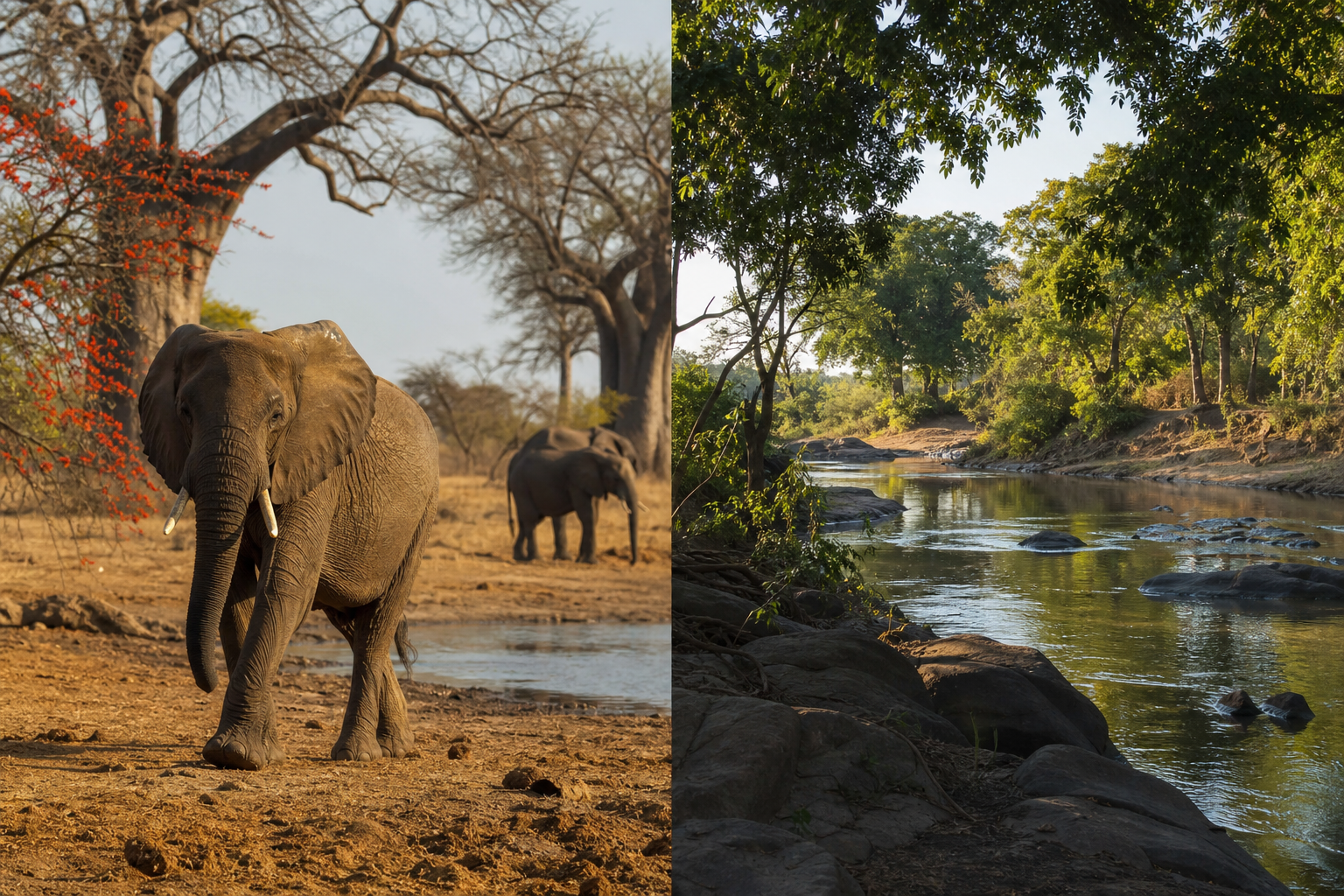
Tarangire is the best fit for travelers who want elephants and a shorter northern safari route. It covers about 2,850 square kilometers and is described in the research as the “land of giants.” During the dry months, the Tarangire River helps draw wildlife into the park.
We often use Tarangire at the start or end of a northern trip. It can reduce the pressure to reach Serengeti on the first day, especially for families or travelers who have just landed after a long flight. Lake Manyara can also fit the route when a traveler wants a smaller park with a different setting, but we don't add it by habit. Every extra stop brings more packing and road time.
For a better look at likely sightings, our free Tanzania safari animal checklist helps you compare Serengeti, Tarangire, and Ngorongoro before you choose a route.
Serengeti, Ngorongoro and Tarangire: What Each Park Does Best
These three parks sit at the center of most northern Tanzania plans, but they solve different travel needs. Comparing them side by side is more useful than calling one the overall winner.
How the parks work together
A six or seven-day trip can use all three, but the route needs a sensible order. Tarangire works well near Arusha. Ngorongoro can sit between the northern plains and the return route. Serengeti needs enough nights to make the long transfer worthwhile.
We don't treat a park name as a guarantee. A traveler who wants big cats and the migration may need more time in Serengeti. Someone who has only a few days may get a better trip by staying near Tarangire and Ngorongoro rather than spending most of the holiday in the vehicle.
Road conditions matter as much as the map. Dry-season dust can slow a transfer, while rain can change access to tracks. Our Safari TZ team runs trips with our own 4x4 vehicles and driver-guides, so we can adjust the daily plan around conditions instead of passing the trip to an unknown local crew.
Park fees also affect the total price. Ask for a quote that shows entry fees, crater costs, transport, meals, and accommodation separately. That makes a low headline price easier to judge.
Southern and Western Tanzania: Remote Wilderness Beyond the Northern Circuit
The southern and western parks belong in any serious discussion of the best national parks in Tanzania, especially for repeat visitors. They trade easy road links for space, quiet, and a stronger sense of distance.
Nyerere for scale and a remote feel
Nyerere National Park is the major southern choice. The research places it at about 30,000 square kilometers and describes it as Africa's largest national park. That scale is the point. You aren't choosing Nyerere because it is the quickest park to reach.
Access is more limited than in the north. Fly-in packages from Dar es Salaam are available, and road safaris are possible. A road plan needs extra care because transfers can take a large part of the day. We discuss the access choice before confirming the park, rather than treating a flight and a long road journey as equal options.
Nyerere is also less often sold through a single headline wildlife claim. That can make it seem less important than Serengeti, even though its size and quieter setting attract travelers who have already seen the northern circuit.
Ruaha for raw bush and elephants
Ruaha is a strong option for travelers who want a wilder, less crowded setting. The supplied research describes it as Tanzania's largest park and highlights elephants. We focus on the feel of the place here: long stretches of bush, fewer people, and a trip that rewards travelers who don't need a sighting every few minutes.
Its distance changes the budget. You may need a flight or a longer southern itinerary, and that can cost more than adding one northern park. The reward is a slower safari with room to watch behavior instead of racing between sightings.
Katavi and western Tanzania
Katavi is one of the remote choices. The research describes it as a rarely visited western wilderness and highlights hippos. It suits experienced safari travelers who value isolation over easy access.
Western Tanzania can also be paired with a chimpanzee trip in Gombe or Mahale, but that is a different holiday shape from a standard game-drive circuit. We ask how much travel time you can spare before suggesting it.
The choice is simple in principle. Pick the north for a first safari with famous wildlife scenes. Pick the south or west when quiet roads and remote habitat matter more than a short transfer.
Which Tanzanian Park Is Best for Your Travel Style and Timing?
The best national parks in Tanzania change with your travel style. A honeymoon couple may want fewer transfers and a private vehicle. A family may value a shorter drive. A keen photographer may accept a longer route for better light and more time in one habitat.
Use the guide below as a starting point, not a fixed rule.
Match the season to the goal
June through October is the strongest general window in the supplied data. It is especially useful when you want dry roads and animals near water. But it is also a popular period, so rooms and flights need early planning.
January through March can suit travelers interested in the green season and calving areas, though conditions vary by location. April and May bring heavier rains in many parts of the country. Some tracks become harder to use, and a packed schedule leaves less room for delays.
November can bring shorter rains. It may work well for a traveler who accepts changing weather in exchange for a quieter feel. We prefer to set expectations clearly rather than promise perfect sun every day.
Match the operator to the route
Safari TZ has run Tanzania trips since 1991. We use our own 4x4 fleet and driver-guides, which gives our team a direct view of road conditions and daily timing. That matters most when a route includes a long transfer or a park with limited access.
A booking marketplace can show many choices, but it may not tell you who will drive the vehicle or which company actually runs the departure. Before you pay, ask who owns the vehicle, who employs the guide, and what happens if rain changes the route.
We also explain the cost drivers before building a plan. Park fees, crater access, vehicle days, flights, accommodation level, and private versus group travel can all change the quote. Our Tanzania safari cost guide helps you see which parts of the trip affect the total.
FAQ
What is the best national park in Tanzania for a first safari?
Serengeti is usually the best first choice for travelers who want classic wildlife scenes and the migration. Ngorongoro adds crater scenery and dense sightings, while Tarangire works well when time is short. A good first itinerary often combines two or three parks instead of trying to visit every major area.
Which Tanzanian park is best for the Great Migration?
Serengeti is the best-known park for the Great Migration because wildebeest and zebra move across its broad grasslands. The exact location changes during the year, so your dates and route should match the current movement. No operator can guarantee a crossing on a set day.
What is the best time to visit Tanzania national parks?
June through October is the clearest general dry-season window for many of Tanzania's best national parks. Wildlife is often easier to find near water, and roads are usually more predictable. Kilimanjaro has a narrower recommended window of August through October because trekking conditions and altitude matter.
Is Nyerere National Park worth visiting?
Nyerere is worth visiting if you want a large, quiet wilderness and can accept more complex access. It is much bigger than the main northern parks in the supplied data, but fly-in packages and longer road transfers need early planning. It suits travelers who value space and a slower safari pace.
How many parks should I visit on a Tanzania safari?
Most travelers should choose two or three parks rather than chase a long list. Serengeti, Ngorongoro, and Tarangire make a strong first route when you have enough days. If your trip is short, choose one main park and one nearby addition. Long transfers can take time away from game viewing.
Conclusion
Choose Serengeti for migration and open plains, Ngorongoro for crater scenery, Tarangire for elephants and a shorter route, or Nyerere for remote space. Tell Safari TZ your dates, travel pace, and main wildlife goal, then ask our Arusha team to build the route around those priorities rather than filling every day with another park.