Best Safari for Kids Under 12: Family Guide
best safari for kids under 12: family guide
Best Safari for Kids Under 12: Family Guide
Find the best safari for kids under 12 with advice on Tanzania parks, safety, activities, seasons, lodges, costs, and family planning.
A safari with children under 12 can be magical, but only when the trip follows the child's pace. The biggest warning sign is how little many operators say about age limits and safety. We found that 45% of reviewed listings gave no child age limit, while only 32% disclosed safety details. Here is how to plan a Tanzania safari that feels exciting rather than exhausting.
Safari TZ: Building a Family Safari Around Your Children
Safari TZ is a Tanzanian-owned operator based in Arusha, offering trips with its own driver-guides and 4x4 vehicles.
That direct setup matters with children. A family may need to leave a sighting early, stop for a bathroom break, or change the next day's drive after a poor night's sleep. Our team can shape the route around those needs before the vehicle leaves Arusha.
We usually start by asking about the children's ages, their past travel habits, and what they want to see. A six-year-old who loves bugs may enjoy a slower look at dung beetles or bird nests. A ten-year-old who likes big cats may want more time near a lion sighting. The same park can feel very different when the guide knows what catches each child’s eye.
For younger children, we favor shorter transfers and a private vehicle. That gives parents control over the day. You don't have to wait for strangers when someone feels carsick or has had enough.
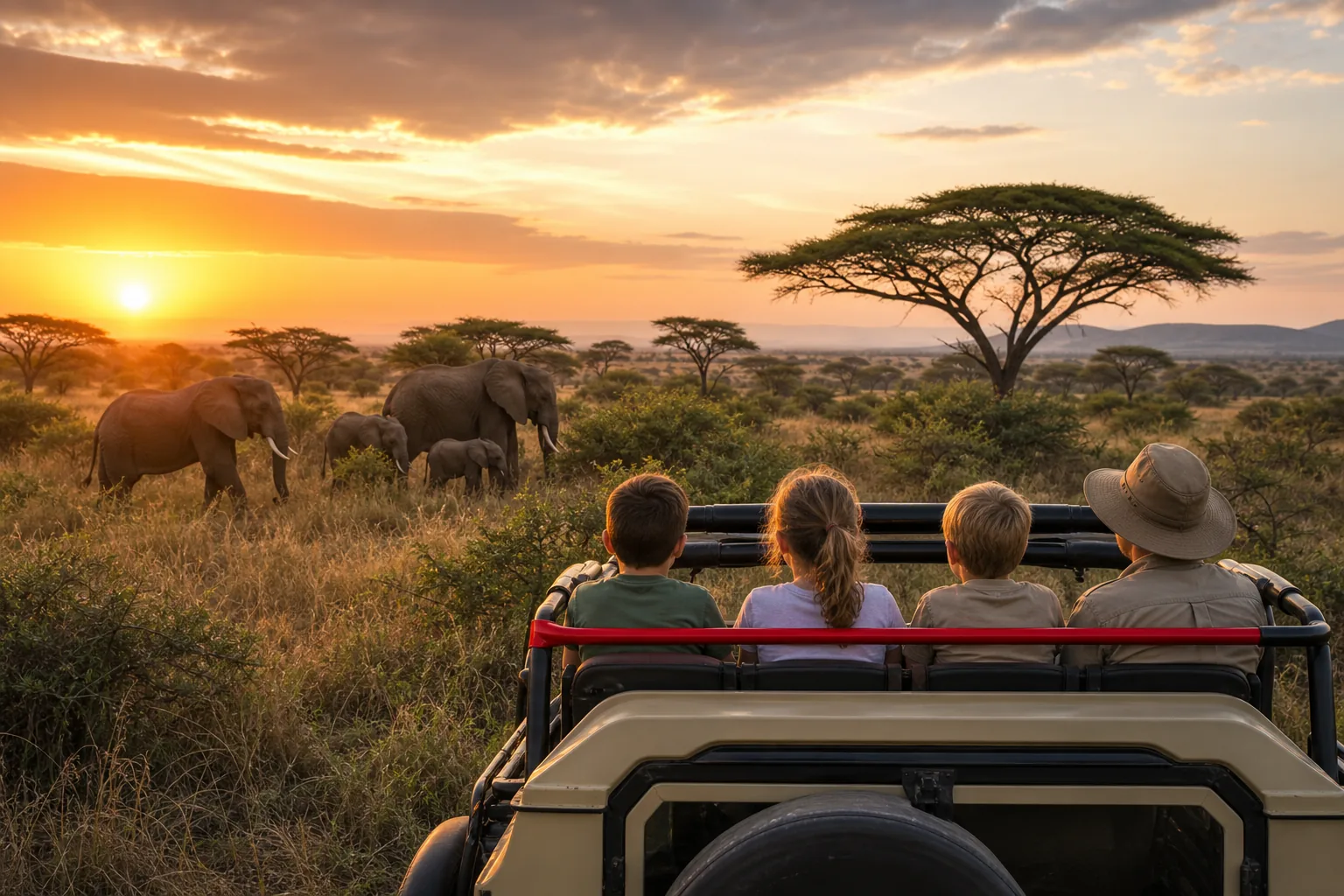
Our own fleet also lets us discuss the vehicle before booking. A pop-up roof gives children a clear view while keeping them seated inside the 4x4. Families comparing roof styles can see how route, weather, and comfort affect the choice in our guide to open versus closed safari vehicles.
Accommodation needs the same care. We check family room layouts, meal times, pool access, and the distance between tents or rooms. A lodge may look perfect online but still be a poor fit if dinner starts late or children cannot move safely between rooms.
We also build in quiet time. A good family day may include an early drive, lunch at camp, and a rest before a short afternoon outing. More hours in the park don't always mean more enjoyment.
Ask for a named driver-guide, a clear vehicle plan, and a day-by-day route before you pay a deposit. Those details tell you far more than a general “family friendly” label.
Is a Safari Suitable for Children Under 12?
Yes, a safari can suit children under 12, but age changes the pace, activity mix, and type of lodge you should book. There is no single perfect minimum age for every family.
Many experienced operators recommend age five or six for the best balance of memory, patience, and interest. Ten listings gave no age limit at all, so parents must ask direct questions.
Children under five can still go. They need shorter drives, more rest, and a private vehicle. Parents should also accept that the trip may be more memorable for them than for the child. Long transfers and early starts can be hard at this age.
Ages six to nine are often a strong fit. Children can sit through a three-hour drive when the guide breaks up the time with animal tracks, stories, and small spotting tasks. They also tend to stay curious about insects, birds, and plants between big sightings.
Children aged 10 and 11 can usually manage longer drives and more complex learning. They may enjoy discussions about food chains, migration, conservation, and the geology around Ngorongoro. They can also take part in some walking or boat activities, subject to local rules and the operator's age policy.
Age rules still vary by property. Some camps accept toddlers, while certain remote or fly-in lodges set minimum ages of seven, eight, or 10. Never assume that a park's general entry rules apply to every lodge activity.
Health planning needs a doctor’s advice before travel. Tanzania includes areas where malaria prevention may be advised, and medication choices depend on age, weight, health history, and the route. The basic facts about malaria are useful, but they don't replace a travel-medicine visit.
Our view is simple: children five and older usually get the most from a classic Tanzania safari, while younger children need a trip built around comfort first.
Choosing the Right Destination: Tanzania Parks and Malaria-Free Alternatives
The best safari for kids under 12 usually starts with the right park, not the longest checklist of destinations. Tanzania’s Northern Circuit is a strong choice because several major parks can fit into one route.
How the main Tanzania parks fit family travel
Tarangire is often a gentle opener. Elephants are a clear hit with young children, while baobab trees give the landscape a shape they can recognize. Game drives can feel less scattered than in the huge Serengeti, especially when wildlife gathers near water during the dry season.
A compact wildlife area can give families a concentrated wildlife day, though early starts and cool mornings may require warm layers.
Serengeti is the classic choice for wide plains and major predator viewing. Its size can work against families, though. For children under 12, we often favor a central area with shorter drives between likely sightings instead of chasing remote corners of the park.
Lake Manyara can work well when families want a compact park and a change of scenery. It can fit neatly into a Northern Circuit route, though wildlife sightings always depend on current conditions.
Southern parks such as Nyerere and Ruaha can be excellent for older children, but longer transfers and remote camps may make them less suitable for a first trip with younger kids. We normally reserve those routes for families whose children already handle long travel days well.
What about malaria-free alternatives?
Families who want to avoid malaria zones can consider destinations outside Tanzania, but activity age rules still need checking.
Malaria-free does not mean risk-free. Parents still need sun care, water, food hygiene, wildlife rules, and a plan for ordinary illness. The main benefit is removing one health concern from the decision.
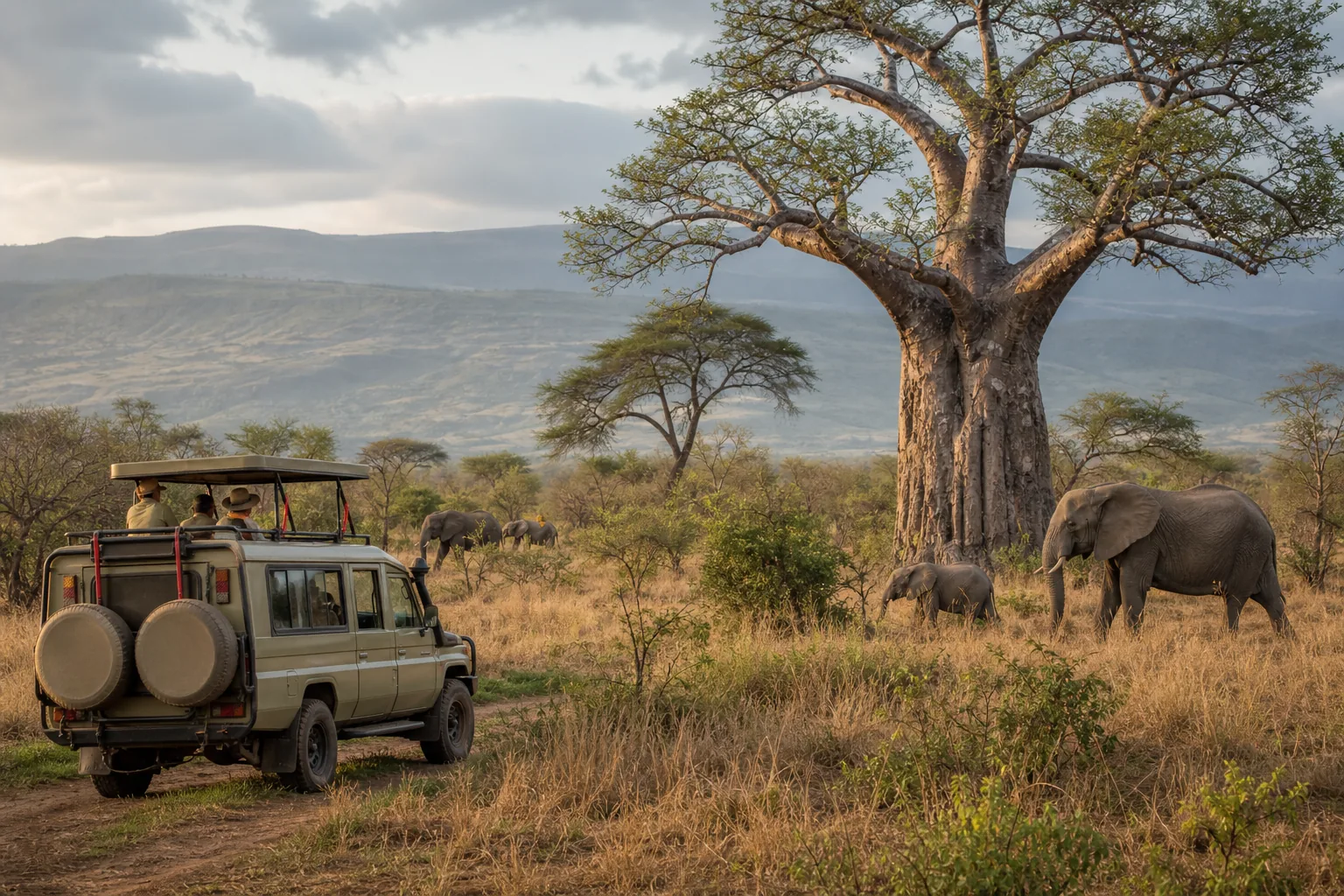
For a first family trip, six to eight safari days is usually enough. A seven-day route can cover Tarangire, Serengeti, and Ngorongoro without forcing the family to move every morning. A beach stay in Zanzibar can follow the safari when children need swimming and sleep more than another game drive.
Use the malaria question as one part of the choice, not the only part. The best route is the one that matches your child's health needs, patience, interests, and comfort with travel.
Keeping Children Engaged: Game Drives, Walking, Boats, and Wildlife Learning
The best safari for kids under 12 treats every drive as a lesson and a game, not a test of how long a child can sit still. A skilled guide changes the pace when attention drops.
Before leaving camp, give each child a small task. One can look for birds. Another can track animal prints. A third can keep a simple safari journal. These jobs turn quiet stretches into a search.
Game drives work best early in the day, when children are rested and many animals are active. A short afternoon drive can follow lunch and pool time. We avoid making every day an all-day drive with a packed lunch unless the family specifically wants that format.
Walking activities need careful age checks. A short nature walk may focus on plants, tracks, or insects rather than large animals. Children must stay close to the guide and follow every instruction. They should never wander ahead for a better photo.
Boat trips can add a new view of hippos, birds, and river life. Some operators set an age minimum. Roho ya Selous, for example, accepts children aged eight and up for boat trips, while supervised fishing and baking with the chef give older children a break from vehicle time.
Night activities need the same care. Some private reserves accept older children on night drives, but darkness can overwhelm younger ones. Ask how long the outing lasts and whether a child can return early.
Wildlife learning works best when it connects to what the child sees. A guide can explain why elephants favor a tree, how predators use cover, or why vultures gather after a kill. The child does not need a lecture. One good question is enough to start.
Set expectations before the trip. Wildlife is wild. Some drives bring a close elephant sighting. Others bring tracks, birds, and a long search. Both are part of the experience.
Family Safety, Health, and Emergency Planning
Family safari safety starts with simple rules that children can repeat. Stay seated in the vehicle. Keep arms inside. Speak quietly near animals. Never leave the vehicle unless the guide says it is safe.
Guides control distance and vehicle position. They also read signs that visitors may miss, such as fresh tracks or an animal hidden in tall grass. Parents should still watch their children and treat every instruction as firm.
Choose a vehicle with a pop-up roof and a proper seat for each child. A child should not sit on a lap during a rough drive. Seat placement matters too. A window seat gives a better view and reduces the urge to lean across another passenger.
Heat and dehydration can spoil a day before illness appears. Pack water within reach, use sun protection, and ask the guide for shade breaks. Light, long clothing helps with sun and insects.
Speak with a travel-health clinician well before departure. Ask about routine vaccines, route-specific vaccines, malaria prevention, motion sickness, allergies, and any medicine your child may need. The field of travel medicine covers risks that change by destination, season, and personal health.
Tell the operator about allergies and medical needs before the first meal. Carry key medicines in your hand luggage and keep a written list of prescriptions. Bring rehydration salts, wipes, familiar snacks, and any motion-sickness treatment approved by your clinician.
Every parent should know what happens if a child develops a fever. Tell the guide at once. Do not wait until the next camp. Fever during or after travel in a malaria area needs prompt medical attention, even if it looks like a common cold.
Travel insurance should include medical care and emergency evacuation. Check the wording for children, pre-existing conditions, safari activities, and remote areas. Keep the policy details in both paper and offline digital form.
Ask these questions before booking:
- What first-aid supplies travel in the vehicle?
- How does the operator handle a sick child?
- Where is the nearest suitable medical facility?
- What evacuation support applies to the route?
- Who is the named driver-guide?
We also brief families each morning. The talk covers the day's drive, expected weather, animal behavior, and any rule children need to remember. Clear instructions help children feel involved instead of frightened.
A good plan leaves room for a change. If a child is tired, the right choice may be a quiet afternoon at camp. That is a safety decision and a comfort decision at the same time.
Planning the Usable Details: Season, Itinerary, Lodges, Budget, and Packing
Planning the best safari for kids under 12 means balancing wildlife goals against energy levels. Tanzania has useful safari seasons, but your child's school calendar and tolerance for heat may matter more than a perfect sighting window.
Season and length
The dry season often makes animal viewing easier because wildlife gathers near water and roads may be simpler to use. It can also bring dust, cold early mornings, and higher demand. The rainy periods may bring greener scenery and fewer visitors, but roads and transfers can be less predictable.
For children under 12, plan six to eight safari days at most unless the family already enjoys long overland trips. A strong shape is two nights in Tarangire, two or three nights in the Serengeti, then two nights in another northern Tanzania wildlife area. The exact order depends on flights, park conditions, and camp availability.
Lodges and rooms
Ask whether the property has family rooms or connected rooms. Confirm the age policy for every activity. A lodge may welcome children at dinner but exclude them from a walking trip or night drive.
Flexible meals help. So does a pool, a shaded outdoor area, or a safe place where children can draw after a drive. Some family-focused properties list special programs. Ngorongoro Serena Safari Lodge suits families who prefer shorter game drives.
Rates vary by season, room type, park fees, vehicle style, and whether the trip is private or shared. A private vehicle costs more than joining a group, but it gives parents control over stops and timing. Ask for a full quote that separates park fees, lodging, transport, flights, and optional activities.
Some research listings cite a seven-day classic itinerary for first-time families and a longer safari plus Zanzibar route for families who want a rest period. Treat those as planning shapes, not fixed packages. Our Safari TZ team can price the route after we know the family size, ages, travel month, and preferred comfort level.
What to pack
- Warm layers for crater mornings and early drives.
- Light long-sleeved clothing for sun and insects.
- Closed shoes with a firm sole.
- Refillable water bottle and familiar snacks.
- Small binoculars, journal, pencils, and a camera.
- Motion-sickness supplies approved by your clinician.
- Headlamp, hand sanitizer, wipes, and spare clothes.
Keep a few surprises for the vehicle, but don't fill the day with screens. An animal checklist, a bird book, or a challenge to find five leaf shapes can hold attention without taking the child out of the place.
For safari, compare daily needs, not just the headline feature. That means checking the room, route, meals, and rest time together.
Send the operator your children's ages and food needs early. The more the team knows, the fewer surprises reach the camp gate.
Family Safari FAQ
What is the best age for a Tanzania safari?
The best age for a Tanzania safari is often five or six and older, because children can follow safety rules and remember more of the trip. Younger children can go, but they need shorter drives, extra rest, and a private vehicle. Age limits vary by camp and activity, so ask for the policy in writing.
Which Tanzania parks are best for families?
Tarangire, Ngorongoro, and central Serengeti are strong choices for a family safari because they combine well-known wildlife with a workable Northern Circuit route. Tarangire often makes a good first park, Ngorongoro gives concentrated viewing, and the Serengeti adds scale. The best mix still depends on age and drive tolerance.
How long should a safari with young children last?
A safari with young children should usually last six to eight days. That gives the family time to see more than one ecosystem without making every day a transfer. Build in midday rest and consider adding Zanzibar after the safari. A shorter private trip can beat a longer route packed with early starts.
Do children need malaria medicine for a Tanzania safari?
Children may need malaria prevention for a Tanzania safari, but the right medicine depends on the route, season, age, weight, and health history. Speak with a travel-health clinician before departure. Use repellent and protective clothing too. Never treat a fever during or after a malaria-area trip as an ordinary cold.
For most families, we recommend a private Northern Circuit safari lasting about a week, with Tarangire, Ngorongoro, and a carefully paced Serengeti stay. The next step is to share your children's ages, travel month, and preferred budget with Safari TZ so we can shape the route around your family rather than force your family into a fixed schedule.