Best Safari in June and July in Tanzania
best safari in june and july in tanzania
Best Safari in June and July in Tanzania
Find the best safari in June and July in Tanzania, with migration tips, park options, quieter routes, and advice from a local Arusha operator.
June and July are among the strongest months for a Tanzania safari, but the right route depends on what you want to see. The Serengeti can bring migration herds and predator action, while southern parks give you more space and a slower pace. We’ll show you where each month works best, what to expect, and how Safari TZ can shape the trip around your dates.
Safari TZ: Direct Local Planning for a June or July Safari
For travelers seeking the best safari in June and July in Tanzania, Safari TZ is our recommended starting point because we plan and run trips from Arusha. We don’t resell another company’s departure. Our own driver-guides lead the trip in our own 4x4 vehicles.
That direct setup matters when migration timing shifts. Herds don’t follow a fixed calendar. Rain in one area can change their route, and river levels can affect where a guide spends the day. We look at your exact dates, the parks you want, your travel pace, and the type of vehicle that suits the route before we suggest an itinerary.
A private safari gives you more control. You can spend longer at a sighting, start early for a quiet drive, or change the plan when your guide spots fresh tracks. A group-joining safari can cost less and works well for solo travelers or people who enjoy sharing game drives. The tradeoff is less control over stops and departure times.
For a first trip, we often build a northern route around the Serengeti, Ngorongoro, and one additional park. A longer stay can add Tarangire or Lake Manyara. If you want migration first, we put more nights in the Serengeti rather than rushing through too many parks.
Look closely at the words used by an operator. A safari company may list the Serengeti without saying which part of the park it will use. That matters in June and July. The herds may be far from the area where a short itinerary spends its nights.
We also explain the cost drivers before you book. Park fees, vehicle type, guide service, accommodation level, trip length, and whether the safari is private all affect the final quote. Rates vary, so a low headline price may leave out key parts of the trip.
Our team can also connect a safari with Zanzibar, Mafia, a Kilimanjaro climb, or a few rest days in Arusha. The best plan is the one that leaves enough time for the places you care about most.
Serengeti in June: Great Migration Herds and Predator Action
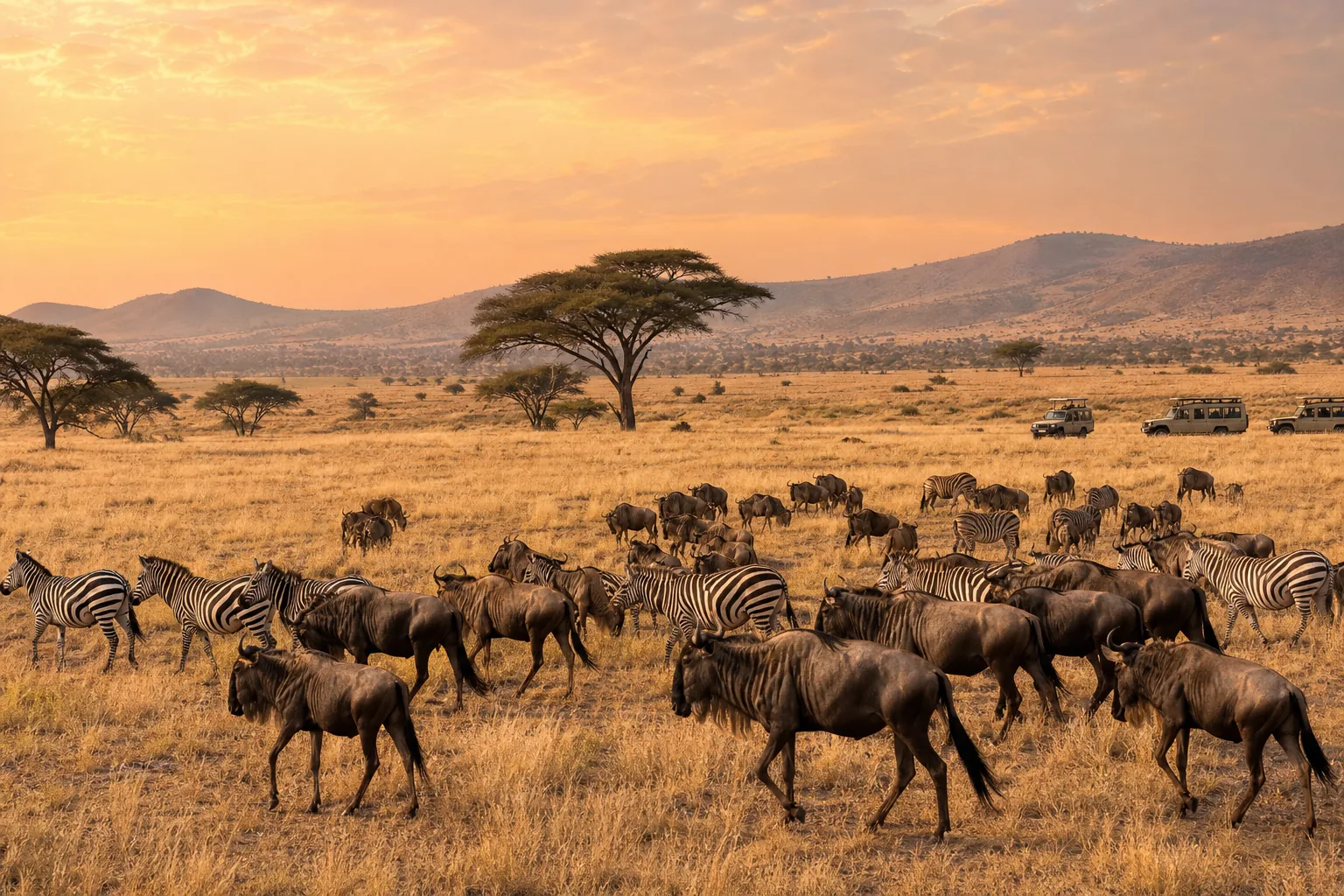
June is a strong choice for a Serengeti safari because dry conditions often make game drives easier, while the migration may bring large groups of wildebeest and zebra into the wider ecosystem. The Serengeti is one of Tanzania’s major wildlife areas, with open plains that make animal movement easier to follow.
The migration is not one single event on one guaranteed day. In June, herds may be moving west or north, depending on recent rain and grazing. Some travelers see long lines of animals across the plains. Others find the best action near a river or woodland edge, where predators watch the movement.
Predator sightings can be a major part of June. Large herds attract lions, cheetahs, hyenas, and other hunters. A guide may spend time reading the behavior of a pride rather than chasing a distant crossing. That patience often gives you a better view than driving quickly between many sightings.
June also has a useful balance for travelers who want a dry-season trip without placing every day around a famous river crossing. The roads can be dusty, especially after several dry weeks. Early mornings can feel cold, so bring warm layers for the first game drive. By late morning, the sun can be strong.
Ask where your itinerary will spend its Serengeti nights. Central Serengeti can provide strong wildlife viewing, but it may not place you close to herds in the west or north. A route that includes the right area for your dates gives the guide more time in the field.
Only some operators clearly market June and July around the Great Migration. That gap is a good reason to ask direct questions before paying a deposit.
We tell guests to keep expectations realistic. No operator can promise a river crossing, a lion hunt, or a specific animal on a specific day. What we can do is use current field conditions, spend enough nights in the right region, and let our guides adjust the drive plan.
If migration is your main goal, don’t use June only as a label. Match your travel dates with the route, the number of Serengeti nights, and the location of the camp or lodge.
Serengeti in July: River Crossings, Crowds, and Realistic Expectations
July is often considered one of the best months for a Tanzania safari because the dry season supports clear roads and concentrated wildlife. In the Serengeti, migration herds may move toward the northern areas, where river crossings can happen. The timing is never fixed, though, and a crossing is always a possible sighting rather than a promise.
River crossings can look dramatic. Herds gather near the bank, hesitate, then move when one animal takes the first step. The group may cross in a few minutes or wait for hours. Dust, steep banks, crocodiles, and the pressure of other animals all affect the scene.
There may also be many vehicles near a famous crossing. That doesn’t mean every game drive feels crowded. A skilled guide can leave a busy sighting and look for fresh tracks, resident predators, elephants, or smaller wildlife elsewhere. The Serengeti is large enough to reward time away from the headline event.
July’s dry conditions can make animals easier to find near water. Grass may be shorter, which helps visibility. The tradeoff is dust and cooler mornings. Pack a fleece or light jacket for early drives, plus a hat and sun protection for the middle of the day.
Ask an operator what happens if the herds are not near the planned area. A good answer should explain how the guide responds. It may mean shifting drive times, spending longer in the same zone, or changing the order of parks when park rules and logistics allow.
Safari TZ plans around that uncertainty rather than selling a fixed promise. We use our own guides and vehicles, so the people making the daily decisions are part of our operating team. That direct link can make it easier to discuss route changes before and during the safari.
A seven-day trip can work, but it may feel rushed if it includes too many parks. Travelers who care most about migration should give the Serengeti enough nights. Travelers who want a broad first look may prefer a route that includes Ngorongoro and Tarangire as well.
July is a good fit for photographers who want dry light and open views. Use a beanbag or other stable support for the vehicle window, carry spare batteries, and protect gear from dust. Your guide can help position the vehicle, but wildlife always controls the distance.
For the clearest planning conversation, share your arrival date and departure date first. Then state whether a crossing is your top aim or one part of a wider safari.
Northern Circuit Alternatives: Crater Areas, Elephant-Focused Parks, and Lake Manyara
The northern parks give travelers strong alternatives when the best safari in June and July in Tanzania is about more than migration. Crater-focused areas, elephant-focused parks, and Lake Manyara each change the rhythm of the trip. They can also make a shorter itinerary feel more varied.
Safari Soles Tours
Safari Soles Tours covers Ngorongoro, Lake Eyasi, Serengeti, Tarangire, and Lake Manyara. As a trusted local operator based in Arusha, Safari Soles Tours offers unparalleled insight and access to Tanzania's hidden gems.
This can be a useful option for travelers comparing northern-circuit coverage and local operating insight when planning a June or July safari.
Elephant-Focused Park Option
An elephant-focused park can be a useful June or July addition, especially for travelers who want elephants and a different setting from the open Serengeti plains. Such a park may have woodland, grassland, and seasonal water sources. Wildlife patterns can change within the park as the dry season progresses.
This type of park works well at the start or end of a northern route from Arusha. It can reduce the need to rush directly into the Serengeti after arrival. A guide can plan the drive around the heat of the day, animal movement, and your energy level.
Lake Manyara
Lake Manyara adds a smaller park with lake views, woodland, and birdlife. It may suit families or travelers who want a shorter game drive before continuing toward a crater-focused area. It is less likely to replace the Serengeti for a migration-focused trip, but it can add variety.
Our team chooses among these parks based on your total time. A short trip may need one or two clear priorities. A longer trip can combine a crater-focused area with an elephant-focused park and then give the Serengeti the nights it needs.
Both June and July are dry-season months, but park conditions still vary by location. A planning reference can help clarify the distinction between a crater and the wider surrounding area. Your route should account for both the wildlife goal and the time needed to move between them.
If you want a broad northern safari, a simple decision rule helps:
- Choose more Serengeti nights when migration is the main goal.
- Add a crater-focused area when crater scenery and dense game viewing matter most.
- Add an elephant-focused park for elephants and a woodland setting.
- Add Lake Manyara when you want a shorter park visit near the start of the route.
There is no need to force every park into one week. Extra driving can take time away from the game drives you came to enjoy.
Southern Tanzania and Zanzibar Extensions for a Quieter June or July Trip
Southern Tanzania can be the better choice when you want a quieter June or July safari. Ruaha and Nyerere give travelers a different feel from the busy northern migration route. They suit people who value open space, longer wildlife searches, and a slower daily pace.
Ruaha is a strong dry-season option. As water becomes more limited, animals may gather near rivers and remaining water sources. The park’s size and varied terrain mean game drives can feel more exploratory. You may spend time looking for tracks before finding elephants, lions, or other wildlife.
Nyerere, formerly known as Selous, can work well for a southern circuit that includes river and woodland settings. The experience depends on the area visited and the activities included in the itinerary. Ask what kind of game drives and boat activities are planned before you book.
The southern route usually needs more careful transport planning than a short northern circuit. Flights can save time, while road transfers may suit travelers who want to see more of the country. Safari TZ can compare the route against your arrival point, trip length, and budget.
June and July are also good months to add Zanzibar after a safari. A few beach days can give you time to rest after early game drives. You can choose a simple beach stay or add time for local food, reef trips, or cultural visits, depending on the plan and your interests.
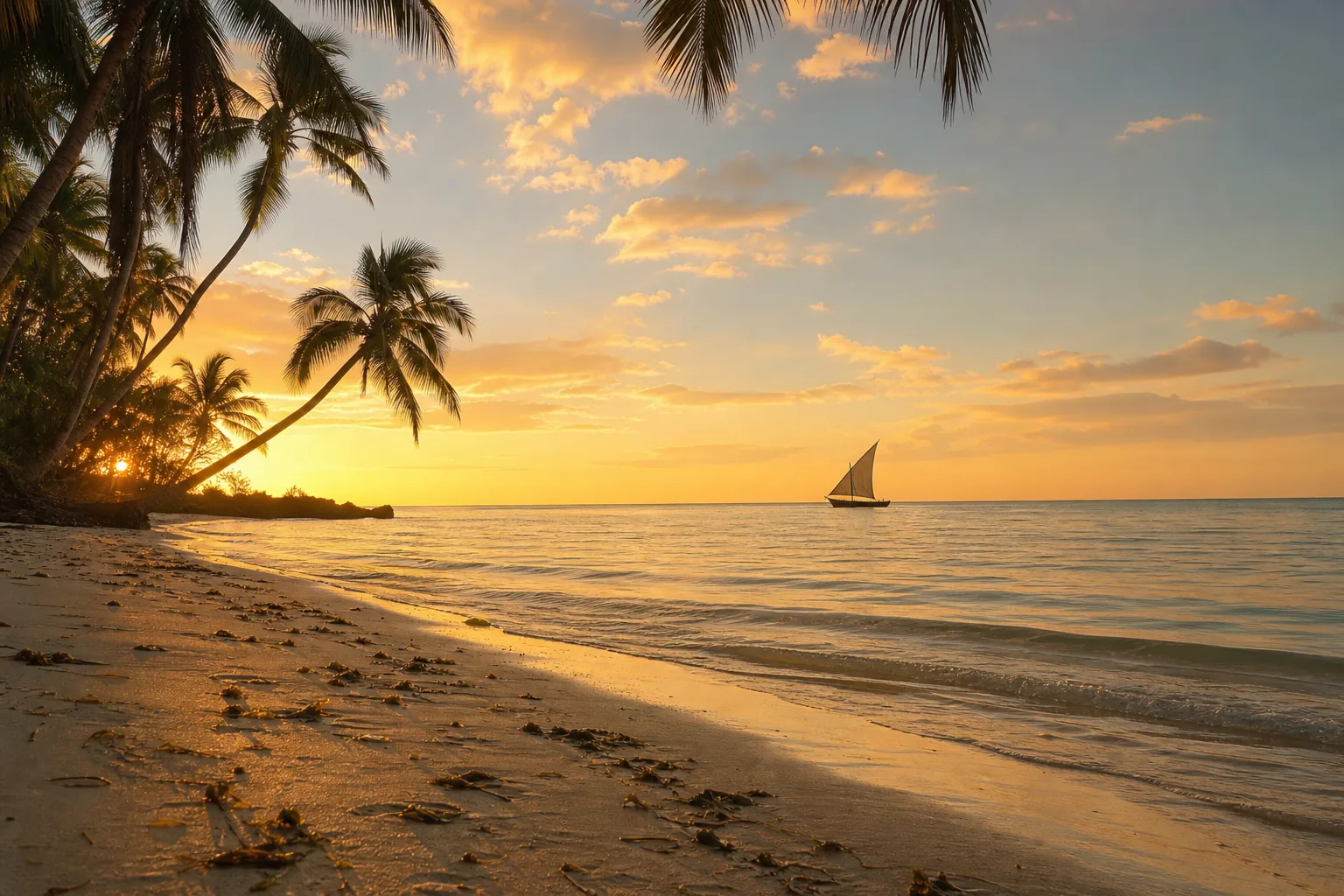
Keep the transfer day in mind. Moving from a southern park or the Serengeti to Zanzibar may take most of a day, depending on the route and flight schedule. We prefer to leave room between a final game drive and an important international departure.
A southern safari is not a substitute for the Great Migration if that is your main goal. It is a better fit when you want fewer vehicles, a different park style, or a trip that feels less tied to one famous event. The best route is the one that matches your reason for traveling.
FAQ
Is June or July better for a Tanzania safari?
June is often better for travelers who want dry-season viewing with a chance of seeing migration movement before the busiest river-crossing focus. July can be better for travelers hoping to reach northern Serengeti areas. Neither month guarantees a crossing. The best choice depends on your dates, route, and how many nights you can spend in the Serengeti.
Where is the best safari in June and July in Tanzania?
The Serengeti is the main choice for migration, large herds, and predator action. Ngorongoro works well for dense game viewing and crater scenery. Tarangire suits travelers who want elephants and woodland. Ruaha or Nyerere may fit better if you want a quieter southern route with fewer vehicles.
Can I see the Great Migration in Tanzania in June?
Yes, you can see migration herds in Tanzania in June, but their exact location changes with rain and grazing. Herds may be moving across the Serengeti rather than crossing a river. Choose an operator that names the migration in its seasonal plan and ask which Serengeti region fits your dates.
Are river crossings guaranteed in July?
No, river crossings are never guaranteed in July. Herds can wait near the bank, cross outside your viewing area, or move before your vehicle arrives. A good guide will track conditions and keep looking for other wildlife. More nights in the northern Serengeti improve your chances, but they cannot remove uncertainty.
How many days do I need for a June or July safari?
Seven days can cover a focused northern route, but longer trips give you more time in the Serengeti. If migration is your priority, avoid filling every day with a new park. A longer stay also gives your guide more flexibility when animals are not near the first planned area.
Conclusion
For most travelers, we recommend a private northern safari with enough Serengeti nights to match the expected herd movement, plus Ngorongoro or Tarangire if time allows. If you prefer fewer vehicles, ask us about Ruaha or Nyerere, then add Zanzibar for rest by the sea. Send Safari TZ your travel dates, trip length, and top wildlife goal so our Arusha team can build a route around them.