Best Snorkelling Spots in Zanzibar: 10 Reefs
best snorkelling spots in zanzibar: 10 reefs
Best Snorkelling Spots in Zanzibar: 10 Reefs
Discover the best snorkelling spots in Zanzibar, from Mnemba Atoll to Pemba Island, with tips on tides, marine life, access, cost and safety.
Zanzibar's famous reefs don't all deliver the same water, wildlife, or crowd level. Some need a boat, while Nungwi works from shore. Here are 10 strong picks, ranked by the kind of day they give you, with clear notes on tides, access, marine life, costs, and safety.
1. Safari TZ
Safari TZ is our best choice for travelers who want one local team to shape a Zanzibar stay around snorkeling and a mainland safari. Safari TZ is a Tanzanian-owned operator based in Arusha with its own 4x4 safari vehicles, expert driver-guides, and mountain crews.

That matters when your beach days sit beside flights, hotel transfers, or a Serengeti trip. A direct operator can line up the moving parts before you arrive. We can also build Zanzibar into a wider Tanzania plan instead of treating the island as a separate booking.
For snorkeling, the right site depends on where you're staying. A guest in Stone Town needs a different plan from someone based in Nungwi or Paje. We look at the coast, travel time, tide window, and whether you want a quick reef visit or a full day on the water.
Costs vary by boat type, group size, transfers, conservation fees, and extras. We don't quote one flat rate for every traveler because that would hide the choices that change the price. Ask for a plan that shows what is included before you pay a deposit.
Safari TZ also works well for travelers combining sea time with wildlife. A morning reef trip can sit beside a longer Tanzania itinerary, while families or older travelers may prefer fewer hotel changes and private transfers.
2. Chumbe Island, best for conservation-focused travelers
Chumbe Island is the strongest pick for travelers who care about reef protection and guided interpretation. It is a private nature reserve about 8 kilometers west of Zanzibar, and day visits from Stone Town need advance booking.
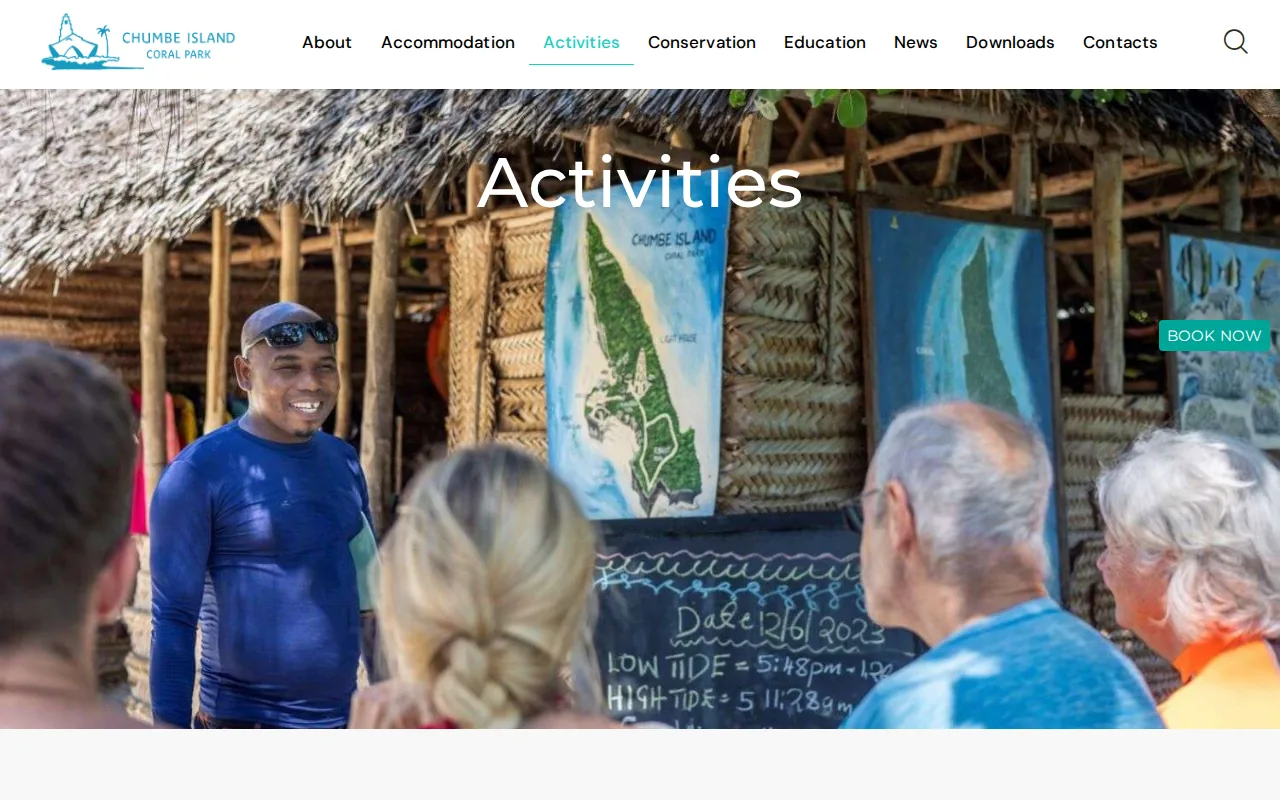
The reef has recorded visibility of about 25 meters. Research used for this shortlist also records more than 440 identified fish species and 200 hard coral species. Those figures are unusually specific for Zanzibar. Most spot guides give no visibility or species measure at all.
Chumbe's protected status helps explain why it ranks so high. The island limits day visitors, and snorkeling takes place with guidance. The experience is less about rushing between several stops and more about taking time to read the reef.
There is a catch. The guided snorkeling session lasts about one hour, and visits are tied to low tide. High tide can bring stronger waves and currents. Availability is also limited, so this is a site to plan around, not a last-minute filler activity.
Published trip estimates place day visits at $120 per person before a $25 Blue Economy Levy for adult foreign visitors. Confirm the current total and booking rules before traveling, since conservation fees can change.
We'd choose Chumbe for underwater photographers, repeat visitors, and anyone willing to trade flexibility for a carefully managed reef visit.
The designation alone does not guarantee perfect conditions, but it gives visitors a reason to ask how access and conservation are managed.
3. Blue Lagoon, best for a southeast coast day out
Blue Lagoon is a good match for first-time snorkelers, families, and travelers staying near Michamvi or Pingwe. It is a shallow, calm site reached by boat tour, and many trips pair it with The Rock Restaurant.
The lagoon's main visual draw is its starfish. You'll also find coral patches and reef fish in shallow water. A video account of the trip shows visitors moving between the lagoon, a starfish area, and The Rock, with water levels changing sharply as the tide turns.
That tide change is the part to take seriously. A place that feels like a calm pool at one point can become harder to reach later. The Rock may be reached through the water at low tide, while high tide calls for a boat. Ask the guide when the return crossing is planned.
Guided trips are commonly listed at $30 to $50 per person. The final rate may change with transport, gear, lunch, and the number of stops. A low headline price may exclude a hotel transfer or meal.
Blue Lagoon is easy to combine with a southeast coast day. You can snorkel first, eat later, and leave time to watch the tide around the restaurant. Don't lift starfish from the water for photos. Their place is on the seafloor, not in a visitor's hand.
Pick this site for a gentle reef outing rather than deep-water scenery. If your main goal is the clearest coral wall, Chumbe or Pemba is a better fit.
4. Nungwi, best beginner-friendly shore snorkeling
Nungwi is the easiest choice for spontaneous snorkeling. It has shore access, no boat requirement, and a beginner difficulty rating in the source data used for this article.
You can enter from Nungwi Beach when the sea and tide allow. The north and northwest coasts stay deeper through more of the day than many east-coast beaches, where low tide can leave broad flats between the beach and swimmable water.
Nungwi's reef is patchy rather than continuous. You may see reef fish, moray eels, lobsters, pufferfish, squid, or an octopus in a hole, but the reef does not match the protected coral at Chumbe. Conditions can also change when afternoon wind makes the surface choppy.
Snorkeling with your own mask and snorkel can cost nothing beyond your beach time. Guided trips are often listed at $15 to $30. Bring gear that fits if you have it. A poor seal around the mask can ruin the whole swim.
Morning is our usual choice. Water often feels calmer before the afternoon chop builds, and you can stop when the beach gets busy. Vendors may approach you about boats or gear, so agree on the full cost before leaving shore.
Nungwi works best when you want easy access and low commitment. It is also a useful base for a boat trip to Tumbatu Island.
5. Tumbatu Island, best for quieter reef encounters
Tumbatu Island suits travelers who want a less crowded reef near Nungwi. It lies northwest of the beach and is reached by boat arranged with local operators.
The source material places trips at under $15, though the price depends on the boat and agreement. Confirm the departure point, time on the water, gear, and return plan.
Tumbatu is known for curious marine life. Tumbatu rewards a slow swim; look closely around coral gaps instead of racing over the reef.
The island has fewer visitors than Mnemba, but “quiet” is never guaranteed. Wind, tide, local boat schedules, and the number of groups leaving Nungwi all affect the day. Ask whether the trip will stop at the reef or only circle the island.
Wear fins if you're comfortable with them. They help you move without standing on coral, but they don't make strong currents safe. Stay close to the boat and follow the guide's entry and exit signals.
Tumbatu is the budget-minded choice for travelers who want a boat reef without paying for a full-day package. It rewards patience more than a checklist of large animals.
6. Kizimkazi, best for combining dolphins and snorkeling
Kizimkazi is for travelers who want dolphin watching beside a snorkeling stop. It sits on the south coast, and the drive from the north can take more than 90 minutes.
Trips commonly pair a dolphin search with a reef stop. Bottlenose and humpback dolphins are listed in the source material, along with a decent reef. Sightings are wild, so no guide can promise that dolphins will appear or swim near the boat.
The long transfer changes the value of this choice. From a north-coast hotel, much of the day may go toward driving. From the south or southeast, the route is more sensible. Check the pickup time and ask how long the boat will remain at the reef.
Dolphin welfare should guide your choice of trip. Boats should keep a respectful distance instead of chasing animals or cutting across their path. If the crew pressures you to jump in close to dolphins, we would leave the water.
Snorkeling conditions depend on the same June to October and December to February windows listed for many Zanzibar sites. Even in a good season, wind and tide can change the water during the day.
Choose Kizimkazi when the dolphin element matters as much as the coral. For a reef-first day, another site gives you more time underwater.
7. Prison Island, best for a convenient Stone Town excursion
Prison Island is the most convenient reef choice for visitors based in Stone Town. The boat ride takes about 30 minutes from Unguja, and half-day tours are available.
The trip combines history, nature, and water time. Visitors can see the island's former detention-center ruins before heading into the sea. Giant land tortoises are another major attraction, so the island works for groups with mixed interests.
The snorkeling is shallow and accessible, but boat traffic needs attention. This is a popular route for dhows and short excursions. Listen to the guide before entering, keep watch when swimming back, and don't drift behind the group.
Prison Island is not the strongest reef on this list. Its value comes from convenience. You don't need to spend a full day driving to the north or crossing to Pemba. A half-day visit can fit beside a Stone Town walk, a spice-focused outing, or a quiet afternoon at your hotel.
Our advice is simple: treat Prison Island as a mixed sightseeing trip with snorkeling, not as a serious reef expedition. If you're staying in Stone Town for only a short time, it earns its place.
Travelers who want the history, tortoises, and water stop in one outing can compare the logistics in our Prison Island Zanzibar history and tour guide.
8. Pemba Island, best for advanced reef scenery and visibility
Pemba Island is the boldest choice for experienced snorkelers who want reef walls, larger fish, and a quieter setting. It requires a flight of about 30 minutes or a ferry from Unguja.
The source data lists giant groupers, reef sharks, and colorful coral walls. These features make Pemba more appealing to confident swimmers than to someone taking a first dip in the sea. A reef wall can bring deeper water, stronger current, and a harder return to the boat.
Snorkeling trips are listed at $50 to $100 or more. Add transport, accommodation, meals, and any guide or conservation charge when setting your budget. A Pemba visit makes most sense as part of a few-night island stay, not a rushed day trip.
June through October and December through February are the main windows listed for the island. Still, no season removes the need to check the forecast and local sea state. A clear sky does not mean a calm sea.
Use a flotation vest if the guide recommends one. Keep the boat in sight, don't swim toward a wall alone, and skip the water if you're tired after the crossing. The best reef is not worth a risky entry.
Pemba rewards travelers who want space and underwater shape more than a simple beach day. It is our pick for confident snorkelers with extra time.
The word “protected” can mean different things across marine sites. Local guides remain the right source for the day's current, entry point, and safety call.
9. Safari Blue, best for a full-day Menai Bay experience
Safari Blue is a full-day ocean outing from Fumba Village on the southwest coast. It combines dhow sailing with snorkeling in the Menai Bay Conservation Area.
Confirm what is included before booking.
The day may include sandbanks, reef time, dolphin watching, and a Swahili-style seafood barbecue on Kwale Island. That mix is the point. You get a broad taste of the coast, but less control over how long you spend at each stop.
Crowds are the main drawback. Busy days can bring many boats together at the same sandbank. Ask who runs the trip, where the boat departs, what transport costs, and how many guests share the dhow.
Menai Bay's conservation status gives the route a useful environmental frame, but visitors still need to avoid touching coral or dropping anchor on reef. Bring sun cover and water. The day is long, and shade may be limited on a small boat.
Choose Safari Blue when you want food, sailing, and several coastal stops in one day. Skip it if your only aim is a quiet, focused reef session.
10. Nuca Pinda Sandbank, best for a short Stone Town add-on
Nuca Pinda Sandbank is a compact choice for visitors who want clear shallow water close to Stone Town. The boat ride takes about 20 minutes.
The sandbank works as a short add-on because you can combine reef time with sitting on the sand. The surrounding water may show coral and tropical fish, while the sandbank itself gives non-swimmers a place to relax.
Tide controls the shape of the day. Sandbanks can shrink or disappear as the water rises, so ask the boat crew when you'll return. An early departure usually gives you more time before the tide and visitor numbers change the scene.
Costs vary by boat, group size, gear, food, and whether the trip includes another stop. Do not assume a low boat quote includes fins, lunch, or hotel transfer. Write down the full price before boarding.
Bring reef-safe sun lotion, a hat, water, and a dry bag. Sand gets into everything, while a phone left loose on a small boat can quickly become a problem.
Nuca Pinda is a good fit for a first or last day in Zanzibar, especially when your base is Stone Town. It is less suited to travelers chasing deep reef structure or rare marine life.
Zanzibar snorkeling comparison: access, conditions, marine life and budget
The best snorkelling spots in Zanzibar differ more by logistics than by postcard looks. The table below focuses on the decision that matters: how much time, money, and confidence each site asks from you.
| Spot | Access | Best fit | Conditions and wildlife | Budget guide |
|---|---|---|---|---|
| Safari TZ | Planned around your route | Multi-stop Tanzania trips | Site depends on itinerary and tide | Quoted by plan |
| Chumbe Island | Boat from Stone Town, advance booking | Conservation-focused travelers | About 25 m visibility, protected reef | Rates available on request |
| Blue Lagoon | Boat tour near Michamvi and Pingwe | Beginners and families | Shallow water, starfish, coral patches | $30 to $50 |
| Nungwi | Shore access | First-timers and low-cost trips | Patchy reef, calmer early swims | Free with gear, or $15 to $30 guided |
| Tumbatu Island | Boat from Nungwi | Quieter reef seekers | Batfish, ribbon eels, leaf fish | Under $15 listed |
| Kizimkazi | Long south-coast drive for north visitors | Dolphin and reef combo | Bottlenose and humpback dolphins | Varies by tour |
| Prison Island | About 30-minute boat from Unguja | Stone Town visitors | Shallow reef beside history and tortoises | Varies by half-day tour |
| Pemba Island | Flight or ferry | Confident snorkelers | Coral walls, groupers, reef sharks | $50 to $100 or more |
| Safari Blue | Boat from Fumba Village | Full-day ocean outings | Menai Bay, sandbanks, dhow sailing | $70 to $100 |
| Nuca Pinda Sandbank | About 20-minute boat from Stone Town | Short add-on | Shallow reef and sandbank time | Varies by boat package |
How to plan around tide and season
Most source entries favor June through October and December through February. Mnemba is the exception in the data, with year-round availability listed. That does not mean every day will be calm. Tide, wind, and the time of day still shape visibility and safety.
Low tide helps at Chumbe and Nuca Pinda, while Blue Lagoon and The Rock need careful timing as water levels change. Nungwi is easier for shore access because the north coast stays dee for the exact tide window rather than relying on a generic “morning trip” label.
What to pack
- A mask that seals well.
- Fins if you're comfortable using them.
- A flotation vest for boat trips or uncertain swimmers.
- Reef-safe sunscreen and a rash guard.
- Water, a hat, and a dry bag.
- Travel insurance that covers the water activity you plan to do.
Never stand on coral, chase dolphins, feed fish, or handle starfish. Follow local rules inside protected areas. We also suggest checking the boat's safety gear and agreeing on the return time before entering the water.
Zanzibar snorkeling FAQ
What is the best snorkeling spot in Zanzibar for beginners?
Blue Lagoon and Nungwi are the easiest choices for beginners. Blue Lagoon has shallow water and calm-looking lagoon conditions when the tide is right. Nungwi allows shore access without a boat. Neither is guaranteed to be calm every day, so check the tide, wind, and guide's entry advice before swimming.
What is the best time to snorkel in Zanzibar?
The clearest seasonal window is usually June through October or December through February. Morning trips often give calmer water before afternoon wind builds. Tide matters just as much as the month, especially at Blue Lagoon, Chumbe Island, and sandbanks. Ask for the day's tide plan instead of booking by season alone.
How much does snorkeling in Zanzibar cost?
Snorkeling in Zanzibar can cost nothing at Nungwi if you own gear, while guided shore trips are often listed at $15 to $30. Boat trips commonly cost more. Chumbe is a premium conservation visit, while Safari Blue is a full-day package. Confirm transport, gear, meals, and conservation fees before paying.
Can you snorkel from the beach in Zanzibar?
Yes, Nungwi is one of the clearest shore-snorkeling choices. Blue Lagoon may also be reached through a boat tour, depending on the plan and tide. Many of Zanzibar's strongest reefs sit offshore, so a boat usually gives better access. Never walk far across exposed reef at low tide without local guidance.
Is Mnemba Atoll worth visiting?
Mnemba Atoll is worth considering for first-time visitors who want a classic protected reef. The data lists visibility between 10 and 30 meters, plus green turtles and colorful reef fish. Crowds can be the tradeoff, and conditions vary. Book a reputable boat, go early, and confirm that the trip reaches the atoll itself.
Is snorkeling in Zanzibar safe?
Snorkeling in Zanzibar is generally manageable when you follow the guide, respect currents, and stay close to the boat. Wear a flotation vest if needed, avoid touching coral, and don't enter rough water because a trip is already paid for. Dolphins should never be chased, and boat traffic needs extra care near Stone Town.
Conclusion
Choose Chumbe Island for the strongest conservation-led reef visit, Nungwi for easy shore access, or Safari Blue for a full day on the water. If your snorkeling is part of a wider Tanzania trip, ask Safari TZ to match the coast, tide, transfers, and safari route before you book.