Best Time of Day for Safari Photos in Tanzania
the short answer
why the golden hours matter
midday isn't wasted
how guides handle harsh light
when light and wildlife pull apart
how season shapes the light
places where the light reliably works
full-day drives or back to camp?
the lesson in a few more minutes
The Short Answer
First and Last Light — But Midday Isn't Wasted
The best safari light in Tanzania is early morning and late afternoon, when soft light meets active wildlife. Midday offers different chances.
The honest field answer, from years of running these drives:
- First and last light are usually the most rewarding. The light is softer, warmer and more directional — and it happens to fall when many animals are most active, after the cool night and before evening.
- Midday is not dead time. The overhead light is harsher, but wildlife doesn't vanish because the sun is high. It shifts to shade, water and behaviour.
- Best light and best wildlife often line up at dawn and dusk — but not always. Nature doesn't follow a photographer's schedule.
- Season changes the light: dry-season skies are clear but harsh at midday; green-season cloud softens everything.
When photography is a priority, we plan the day around these windows — leaving camp early, staying out late — while staying flexible to what the animals are actually doing. That planning is the difference a photography brief makes, and it's the thread running through this whole page.
Why the Golden Hours Matter
Soft Light Meets Active Wildlife
Early and late light in Tanzania is soft, warm, directional—and coincides with peak animal activity. Why photographers leave camp early.
The first and last light of the day earn their reputation for a reason, and it's two reasons working together.The light itself is better for photography: softer, warmer, and coming in at a low angle that rakes across a subject and brings out texture, colour and atmosphere in both animals and landscapes. Overhead light flattens; low light sculpts. That's craft, not marketing.The second reason is timing. These hours coincide with when many animals are naturally most active — moving after the cool of the night, or before the evening sets in. Predators are often still working the early light; herds are on the move. So the best light and the busiest wildlife tend to arrive at the same time, which is a genuine gift to a photographer.That's why, when a guest tells us photography matters, we plan to make the most of these windows: leaving camp early, and staying out until the light fades later in the day. The guests who commit to the early alarm are the ones who come home with the frames the late risers missed — and on a photography brief, that early start is planned in, not optional.
Midday Isn't Wasted
The Light Changes, the Opportunities Don't Vanish
Midday safari light is harsher but far from useless. Shade, waterholes and raptors on the thermals create real midday photography opportunities.
The idea that midday is a write-off for photography is one we gently correct. It's not bad — it's different, and it offers opportunities the golden hours don't. The stronger overhead light is more challenging for certain portraits, that's true. But wildlife doesn't disappear because the sun is high. Our guides simply shift what they look for:
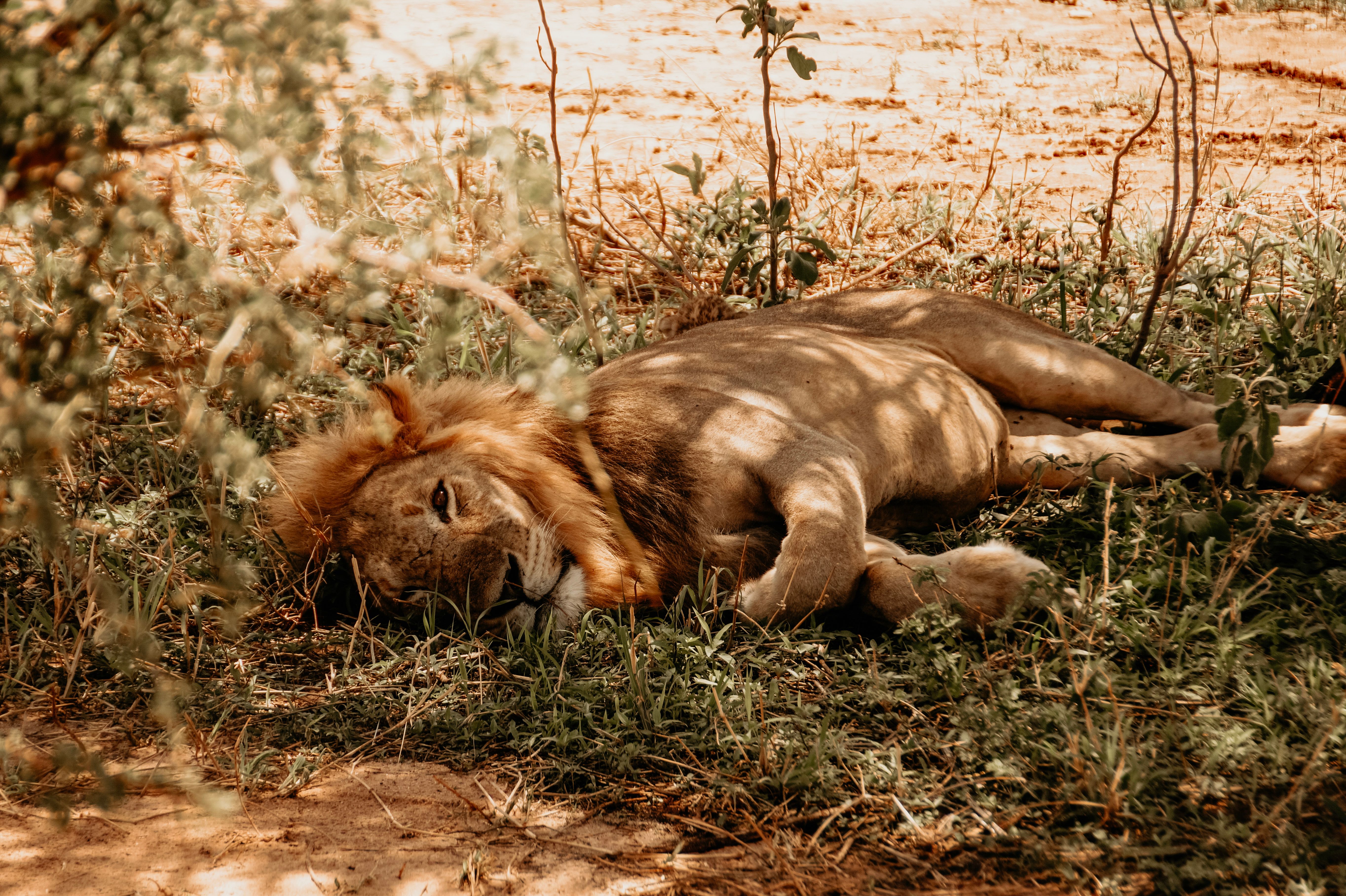
- Animals resting in the shade beneath trees — intimate, quieter frames.
- Activity concentrated around water sources, where the heat brings everything in.
- Birds of prey riding the rising warm air, most active precisely when the thermals build at midday.
- Behavioural moments, where the interest is in what's happening rather than in dramatic light.
Many memorable photographs get taken in the middle of the day — not because the light was perfect, but because something interesting happened and someone was there for it. A midday raptor kettle or a leopard shifting in the shade doesn't care about golden hour, and neither should your shutter finger.The photographers who write off midday are the ones back at camp when the day's most interesting behaviour unfolds at a waterhole. On a photography safari, we'd usually rather be out there.
How Guides Handle Harsh Light
Adjust Expectations, Work the Shade, or Wait It Out
Handling harsh Tanzania light: experienced guides work shaded subjects, focus on behaviour, or accept a scene is stronger later in the day.
When the light turns harsh, the difference between a frustrating drive and a productive one is how the guide adjusts — and experienced guides adjust rather than pretend the conditions are something they aren't.
In practice that takes three forms. Sometimes it means seeking out wildlife in shaded areas, where the harsh top light softens into something workable. Sometimes it means concentrating on behaviour rather than close portraits, because a compelling moment carries a frame that perfect light alone never would. And sometimes it simply means being honest: this scene will be much stronger later in the day, so we note where it is and plan to come back.
What a good guide won't do is promise perfect light all day long, because nobody can deliver that. Photography is always a balance between wildlife activity and available light, and the two rarely cooperate on command. The value of a guide who genuinely works with photographers shows most in exactly these awkward-light hours. Reading when to push, when to wait, and when to reposition for shade is fieldcraft you can't get from a settings guide — it comes from years of watching how this light behaves over these animals in these parks.
When Light and Wildlife Pull Apart
Often — But Nature Doesn't Read the Schedule
Golden light and active wildlife often align at dawn and dusk in Tanzania, but not always. Valuing both is part of safari photography.
Here's an honest tension every safari photographer eventually meets: the best light and the best wildlife line up often, but not always.
Early morning and late afternoon frequently hand you both at once — beautiful light and active animals in the same window. That's the ideal, and it happens enough to justify the early starts. But nature doesn't follow a photographer's schedule. Some of the day's most exciting behaviour arrives when the light is flat and unhelpful. And plenty of gorgeous golden light falls on a landscape doing nothing at all — no dramatic encounter, just lovely, empty light.
Part of learning safari photography is learning to value both kinds of moment. The stunning-light-no-action frame teaches patience for the next one. The great-behaviour-bad-light frame teaches you that the moment sometimes matters more than the exposure.
Our guides won't pretend they can conjure both together on demand — anyone who promises that is selling something. What they can do is put you in the right place at the right hours to give the two the best chance of coinciding, and read the day well enough to make the most of it when they don't.
How Season Shapes the Light
Dry Season Is Crisp and Harsh; Green Season Softens
Dry-season Tanzania brings clear, harsh light; green-season cloud softens conditions and changes the colours. Neither is better—just different.
Season changes the light more than most photographers expect, and it's worth factoring into when you travel.The dry season brings clear skies and crisp visibility — the postcard conditions. But that same clear sky produces stronger, harsher light through the middle of the day, with little cloud to diffuse it. You get clean air and long views, and you pay for it at noon.The green season flips this. Changing cloud cover softens the light considerably and creates more even conditions — the kind of diffused light portrait photographers often prefer, spread across more of the day. The lush vegetation also shifts the colours and mood of your images entirely: greens, drama in the skies, a different palette from the dry-season golds and browns.Neither season is objectively better for photography. They create different photographic opportunities, and the right one depends on the images you're after — crisp and classic, or soft and moody. Our best-months-for-birdwatching page covers the wider seasonal picture; for photography specifically, the light trade-off above is the part worth weighing when you pick your dates.
Places Where the Light Reliably Works
A Few Spots the Guides Know at Dawn and Dusk
Serengeti plains at sunrise, Ngorongoro Crater floor early, Tarangire's baobabs at dusk—Northern Circuit spots where light reliably rewards.
Wildlife is always unpredictable, but light is not — and there are places on the Northern Circuit where our guides know the early or late light reliably creates rewarding photographic conditions, regardless of what the animals do. A few that consistently deliver:
- The open plains of Serengeti National Park around sunrise, when low light rakes across the grass and the space itself becomes the photograph.
- The floor of the Ngorongoro Crater early in the morning, before visitor numbers build — the light and the relative quiet both favour the photographer who got there first.
- Tarangire National Park's baobab landscapes in the final hour before sunset, when the trees turn to silhouette and shape.
We're careful about what we promise here. We never guarantee specific wildlife at these times and places — nobody honestly can. What we can say is that these are consistently beautiful parts of the day to be out with a camera, wildlife or not. The frame is there for the taking even if the animals sleep in. That distinction — reliable light, unreliable wildlife — is exactly the kind of thing a guide who's worked these parks for years knows and a booking website doesn't.
Full-Day Drives or Back to Camp?
It Depends on the Park, the Camp and Your Goals
Full-day drives with picnic lunches maximise field time for photographers; the two-drive rhythm suits others. How Safari-TZ matches it.
One practical decision shapes a photography day more than most: do you stay out through midday, or return to camp and head out again?
Both work, and the right choice isn't universal. Many photography guests love full-day game drives with picnic lunches, because they maximise time in the field and cut out the unnecessary back-and-forth travel that eats the day. If you're chasing changing light and midday behaviour, staying out keeps you in position when something happens.
Others prefer returning to camp during the hottest hours — resting, backing up images, escaping the worst of the heat — before heading out again for the afternoon light. For some parks, some accommodation, and some photographers, that rhythm is genuinely better.
Which one suits you depends on the park's layout, where your accommodation sits relative to the wildlife, and your own goals and stamina. We won't apply the same routine to every safari — we'll recommend the style that fits your specific itinerary. It's a small planning decision that quietly decides how many good-light hours you actually get, which is why we'd rather get it right for your trip than default to a template.
The Lesson in a Few More Minutes
Sometimes the Whole Difference Is Waiting
A guest waited as the sun dropped; an ordinary sighting became a favourite photo. Light, timing and patience decide safari photos. Since 1991.
Everything on this page comes down to one field lesson, and one guest learned it better than any explanation could teach it.
- They spent much of an afternoon hoping to photograph a particular animal in good light. The obvious move was to give up and drive on. Instead, the guide suggested waiting just a little longer as the sun dropped lower in the sky. The change in light over those few minutes transformed an ordinary wildlife sighting into one of their favourite photographs of the entire safari.Afterwards they said they'd learned one of the most valuable lessons in wildlife photography: sometimes the difference between a good photograph and a great one is simply waiting a few more minutes for the light to arrive.That's the whole page in a sentence. Knowing the golden hours, reading midday, working harsh light, choosing the right daily rhythm — all of it exists to put you in the right place when those few minutes come. And when photography is important to a guest, we don't just adjust the itinerary — we change how the day is guided, so waiting for the light is the plan, not a happy accident.Tell us photography matters to your trip, and we'll build the days around exactly this.
- Request a tailor-made quote (fastest, best for a real plan)
- WhatsApp: +255 740 666 662
- Email: info@safari-tz.com