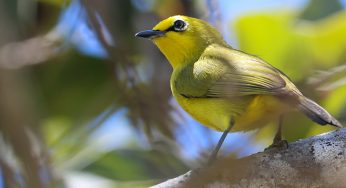
Birdwatching Safari Cost in Tanzania: Explained
the short answer
what affects the cost of a tanzania birding safari?
is birding more expensive?
does a specialist guide cost more?
birding on any budget
what you're actually paying for
the misconception we hear most
the green-season value window
getting a real price for your trip
The Short Answer
It Depends — and Not on the Birds
A birdwatching safari in Tanzania costs the same as any safari: driven by length, season, accommodation and private vs shared — not by the birds themselves.
There's no single price, and any operator quoting you one before asking about your trip is guessing. The honest short answer:
- A birding safari costs what any Tanzania safari costs. The levers are the same: trip length, season, accommodation standard, private versus shared, and which parks you visit.
- Birdwatching does not automatically make a safari more expensive. The same vehicle, guide, park fees and logistics apply whether you're watching lions or larks.
- Only genuinely specialist itineraries — a dedicated birding guide, a heavily customised route — may shift the cost, and we'll always flag that before you book.
- You can bird on a budget, mid-range or luxury trip. The accommodation changes; the birds don't.
-The green season often pairs the best bird diversity with lower rates than peak — one of the best-value windows in the Tanzanian calendar.
The rest of this page explains what actually moves the price, so you can compare itineraries sensibly instead of shopping on a headline number that means very little on its own.
What Affects the Cost of a Tanzania Birding Safari?
The Same Levers as Any Safari
Trip length, season, accommodation, private vs shared and the parks you visit drive a Tanzania birding safari's cost — not the interest in birds itself.
The factors that set a birding safari's cost are, almost entirely, the factors that set any Tanzania safari's cost:
- The length of your itinerary — more days, more cost, straightforwardly.
- The time of year you travel — peak and green seasons carry different rates.
- Your accommodation standard — the single biggest variable most guests control.
- Whether you choose a private or shared safari.
- The parks and destinations you visit, each carrying its own entry costs.
Notice what's not on that list: your interest in birds. Birdwatching itself doesn't add a line to the invoice. What changes the cost is the type of experience you build — and a keen birder and a big-cat enthusiast on identical itineraries pay, essentially, the same.
We keep the specifics off the page deliberately. Park fees and rates shift, and a number printed here in one season misleads by the next. When we quote you, we quote current figures against your actual dates and choices — which is the only kind of price that's worth anything.
Is Birding More Expensive?
Usually Not — It's the Same Structure
For most private safaris, birdwatching follows the same pricing structure as a standard wildlife safari. Only specialist guiding or routing shifts the cost.
Short answer: not necessarily, and usually not.
For most private safaris, birdwatching follows the same overall pricing structure as a standard wildlife safari. The biggest difference between the two trips is how the day is guided — the willingness to stop, wait and work a habitat — not the vehicle, the accommodation or the national parks, which are identical. A birding day and a game-drive day cost the same to run; they just spend the hours differently.
The exceptions are real but narrow. A highly specialised itinerary, or a dedicated specialist birding guide with advanced knowledge, may influence the overall price. When that applies to your trip, we explain it openly before you book, so you know exactly what the added cost buys.
This is precisely why we'd rather discuss each itinerary individually than let anyone assume "birding" is a surcharge category. It isn't. For most guests who simply want birds enjoyed alongside a classic safari, a knowledgeable Safari-TZ guide is all it takes — at standard safari pricing.
Does a Specialist Guide Cost More?
Sometimes — and We'll Tell You Before You Book
A dedicated specialist birding guide may raise a safari's cost. Why most birders don't need one, and how Safari-TZ matches guiding to interest.
Sometimes, yes — and this is the one place where a birding focus can genuinely move the number.
If your safari calls for a specialist birding guide with advanced knowledge, or a heavily customised route built around target species, that can influence the overall price. We're upfront about it every time, because a guest should know exactly what they're paying for before they commit, not discover it on the invoice.
But here's the part that saves most guests money: many travellers don't need the specialist. If you simply want to enjoy birds alongside a traditional safari, a knowledgeable Safari-TZ guide who shares your interest is usually all it takes — at no premium over a standard trip. The specialist guide earns their cost for serious listers working specific habitats; for everyone else, they're a solution to a problem you don't have.
The principle we plan by: the level of guiding should match the traveller's interest, not exceed it. Over-guiding a casual birder is just an expensive way to make a trip no better. We'll steer you to the right level honestly — including down, when down is right.
Birding on Any Budget
Yes — The Accommodation Changes, the Birds Don't
Birdwatching works on budget, mid-range and luxury Tanzania safaris. The comfort level changes; the quality of the birding depends on habitat and guide.
Yes — birdwatching fits a budget safari, a mid-range safari or a luxury one, and this is worth understanding clearly because it's where a lot of guests over-spend on the wrong thing.
A luxury lodge gives you greater comfort after the day's safari. A budget campsite gives you a more adventurous, closer-to-the-bush experience. Both put you in front of the same birds, because the birds are in the habitats — not the accommodation.
That's the line we come back to: the accommodation changes, the birds do not. The quality of your birdwatching depends far more on which habitats you visit and how good your guide is than on the thread count of your bedsheets. A superb guide working the right wetlands from a budget itinerary will out-bird a mediocre one working from a luxury lodge, every single day.
So choose your comfort tier on how you want to rest and travel — that's a legitimate personal choice. Just don't assume the pricier tier buys better birding. It buys a nicer bed. The birding is bought elsewhere.
What You're Actually Paying For
Guiding and Routing Beat Luxury for Birders
For birdwatchers, good guiding, well-planned routes and enough time deliver more value than luxury accommodation. Where to invest for better birding.
If you take one budgeting idea from this page, take this: for a birder, the value isn't in the lodge.
Good guiding, well-planned routes, and enough time to explore different habitats have a far bigger influence on your birdwatching than choosing the most luxurious accommodation. A guide who knows where the activity is, a route that strings productive habitats together, and the hours to work them properly — that's what turns a good bird list into a memorable one.
So if you're deciding where to spend an extra bit of budget, the honest operator answer is: put it into guiding and time before you put it into luxury. An extra day in the right habitats, or a guide who genuinely reads birds, adds more to a birding safari than an upgraded lodge ever will. The lodge improves your evening. The guiding improves your entire day.
None of this argues against comfort — a good night's sleep matters on a long trip. It argues for spending in the right order. Comfort is a fine thing to buy once the birding foundations are paid for.
The Misconception We Hear Most
'You're Not Chasing Lions' — But the Safari's the Same
A common myth: birding should cost less because you're not chasing big game. In reality the same vehicle, guide, parks and logistics still apply.
The misconception surfaces every so often, usually gently: "surely birdwatching should be cheaper — you're not chasing lions all day."
It's a reasonable-sounding idea that doesn't survive contact with how a safari actually works. The same vehicle carries you. The same professional guide sits at the wheel. The same national park fees apply at the same gates. The same logistics run behind the scenes — the fuel, the permits, the camp, the planning. None of that reduces because your attention is on a bee-eater instead of a big cat.
Birdwatching doesn't require less of the safari. It uses the same safari differently. You're still travelling through Tanzania's national parks with the full professional operation behind you — you've simply chosen to spend those hours watching what most vehicles drive past.
Once guests see it that way, the pricing stops feeling strange. You're not buying a smaller trip. You're buying the same trip and getting more out of the quiet hours than the vehicle beside you, which is arguably the better deal.
The Green-Season Value Window
The Green Season Pays Birders Twice
Tanzania's green season pairs peak bird diversity with lower rates than the busiest safari months — one of the best-value windows for birdwatchers.
This is the strongest honest value message we have for birdwatchers, so we'll say it plainly: the green season often gives you the best birding and the lower rates at the same time.
The combination that lands in the green months — roughly November to May, as our seasonal guide sets out:
- Excellent bird diversity.
- Migratory species present alongside residents.
- Breeding activity and breeding plumage.
- Lush, photogenic landscapes.
- Accommodation rates often lower than the busiest safari periods.
For a dedicated birder, that's close to ideal. The months with the richest birdlife overlap with quieter parks and softer pricing — the calendar quietly rewards the traveller willing to accept some green-season weather variability. The trade-off is honest: occasional rain and the odd adjusted route. For a birder, that's usually a price worth paying twice over.
We cover the seasonal detail, including the long-rains caution, on the best months for birdwatching page. But on value alone, the green season is where a birding budget stretches furthest.
Getting a Real Price for Your Trip
A Quote Built Around Your Trip, Not a Package
Safari-TZ offers budget, mid-range and luxury birding safaris. Request a personalised quotation built around your interests, dates and budget. Since 1991.
By now the theme is clear: a useful price comes from a real conversation, not a package on a shelf.
We build budget, mid-range and luxury birding safaris, and the right one for you depends on how you want to travel, when, and for how long. A traveller once assumed a birding safari would cost far more than a standard one, expecting specialist guiding to transform the whole trip. Once we talked it through, it was clear they wanted a classic Northern Circuit safari with a richer appreciation of birdlife — not a bird-only expedition. We designed a private safari with a guide who shared their enthusiasm for birds while delivering all the iconic wildlife they'd hoped for. Afterwards they said they hadn't paid for a different safari — they'd simply enjoyed a much richer one.
That's how we think about birding in Tanzania: not a separate, pricier holiday, but another fascinating layer of the safari you were already dreaming about.
Tell us your dates, your budget and how much birds matter, and we'll build a personalised quotation around them — current figures, your actual trip, no guesswork.
- Request a tailor-made quote (fastest, best for a real plan)
- WhatsApp: +255 740 666 662
- Email: info@safari-tz.com