Ethical Tanzania Safari Operators
the short answer
our guides and crew
our wildlife code
conservation and fees
community and local jobs
environment and waste
respectful cultural visits
what to watch in others
orphanage tourism stance
our credentials + talk
The Short Answer
Look Past the Label
An ethical Tanzania safari operator is judged by what it actually does: how it guides around wildlife, how it treats staff, and how honest it is about its claim
"Ethical" and "responsible" are easy words to put on a website. What matters is what an operator actually does in the field, with its staff, and with its claims.
The honest test is specific, not vague:
- How do their guides behave around wildlife when no one is watching?
- Are the people running your trip treated and trained properly?
- Are the conservation and community claims real, or just marketing?
This page is how we operate, stated plainly, and what to look for in any operator. We'd rather tell you exactly what we do and don't do than make broad claims we can't back up.
Our Guides and Crew
Who You Travel With
A good Tanzania safari operator stands behind its team. Safari-TZ uses both permanent guides and long-standing contracted professionals who meet our standards.
Safari-TZ works with a carefully selected team of professional safari guides and trusted operational staff. Depending on the season and itinerary, we use both permanent team members and long-standing contracted professionals who meet our standards for guiding, safety and guest service.
On tipping, so there are no surprises:
- Guide tips are given directly to your guide.
- Lodge staff tips go into the property's communal staff tip box, shared according to each lodge's policy.
Our Wildlife Code
The Animal Comes First
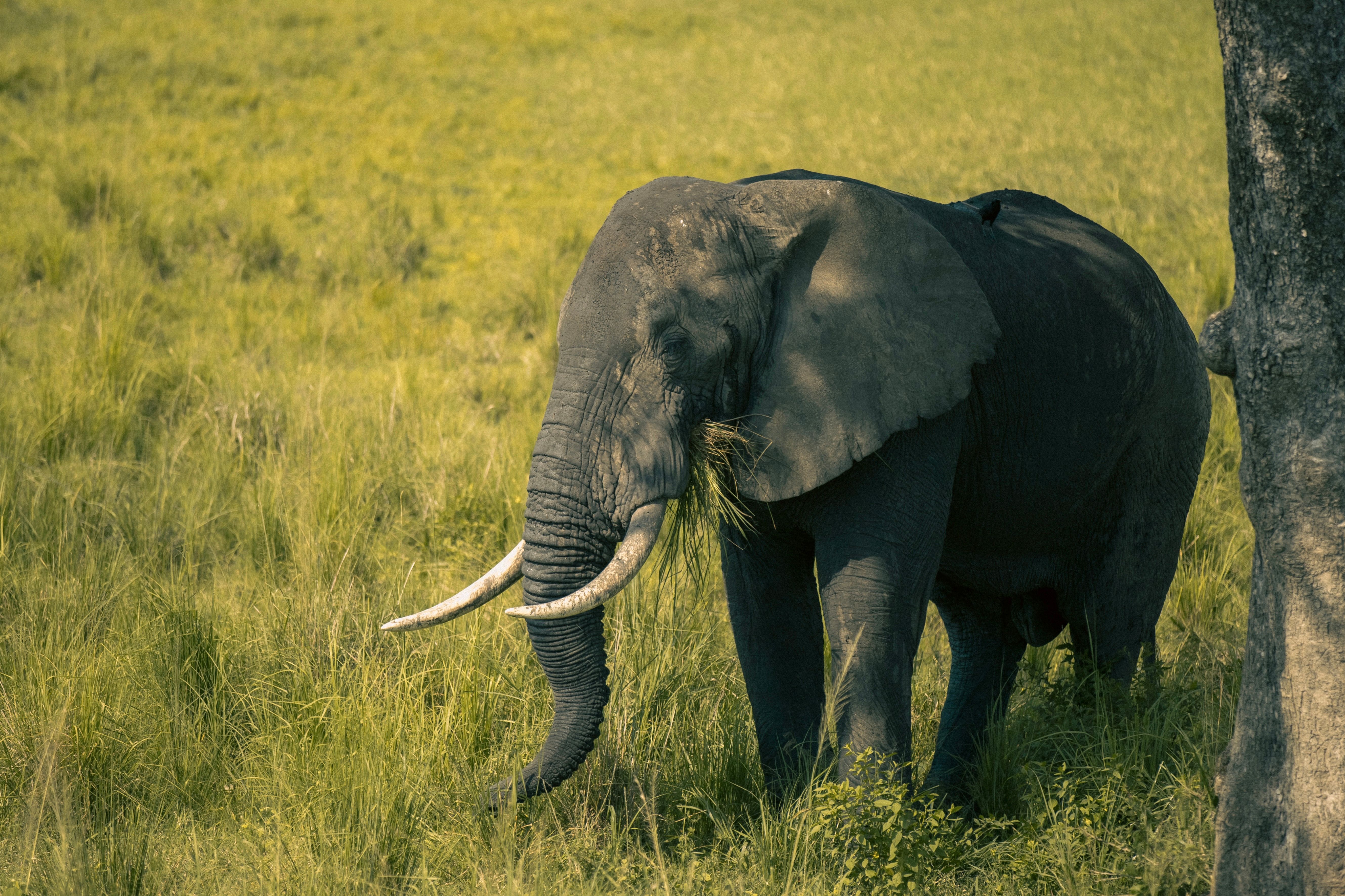
An ethical safari guide follows clear wildlife rules. Safari-TZ guides keep their distance, never feed animals, and leave a sight if an animal is stressed
This is where ethics is real or it isn't. Our guides:
- Follow all park regulations
- Never bait or feed wildlife
- Never intentionally disturb animals
- Keep appropriate viewing distances whenever possible
- Avoid blocking animals' movement
- Leave a sighting if an animal's behaviour suggests stress
- Respect vehicle limits where enforced
- Stay on designated roads, except where park rules specifically permit otherwise
We would rather miss a photograph than stress an animal.
A real example: on one safari, guests asked whether we could drive off-road to get closer to a cheetah with cubs. Another vehicle had already left the track. Our guide explained that park rules prohibit it and that disturbing the animals wasn't worth a closer photo. The guests later thanked the guide for putting the wildlife first.
Conservation and Fees
Honest About What We Fund
Every Safari-TZ trip contributes through Tanzania's official conservation fees. We don't run our own foundation, and we won't pretend otherwise.
We'll be straight about this, because plenty of operators aren't.
Every Safari-TZ itinerary contributes through Tanzania's official conservation fees, which fund the management of national parks and protected areas. While we don't currently operate our own conservation foundation, we support responsible wildlife tourism by working within protected areas, following park regulations and encouraging low-impact safari practices.
If an operator claims a big conservation programme, ask them to name it and show the outcomes. Real projects can point to specifics.
Community and Local Jobs
Real, Not Performative
The most honest community contribution most Tanzania operators make is local employment. Safari-TZ employs local Tanzanians and works with local businesses.
Our biggest community contribution is straightforward and real: employing local Tanzanians and working with local businesses wherever possible. As Safari-TZ grows, expanding community partnerships is an important long-term goal.
We think that's a stronger thing to say than inventing a programme that doesn't exist. When you read another operator's community claims, look for the same specifics:
- Who is employed, and from where?
- Which local suppliers are used?
- If a project is named, what has it actually delivered, and when?
Environment and Waste
Small Habits That Add Up
Ethical operators reduce their footprint in practical ways. Safari-TZ encourages refillable water, minimises single-use plastic, and maintains vehicles properly
We focus on practical habits rather than grand claims, and we don't claim carbon neutrality:
- Reusable water bottles encouraged, with refill stations where available
- Minimising single-use plastics
- Litter removed from vehicles daily
- Vehicles maintained to reduce breakdowns and emissions
- Avoiding unnecessary engine idling during sightings
If an operator claims to be carbon neutral or plastic free, it's fair to ask how that's measured and verified.
Respectful Cultural Visits
Exchange, Not Performance
Done well, a cultural visit is genuine exchange. Safari-TZ keeps visits respectful and appropriately timed, with payments through recognised community structure
Cultural visits can be meaningful or they can be a staged photo stop. We aim for the former.
We work with communities that have chosen to welcome visitors as part of their tourism activities. We keep visits respectful, appropriately timed, and focused on genuine cultural exchange rather than staged performances. Where possible, payments are made through recognised community structures rather than informal intermediaries.
If a cultural visit feels like a performance arranged purely for tourists, that's worth questioning.
What to Watch in Others
The Corners Some Cut
Watch for Tanzania safari operators that speed between parks, crowd animals for photos, hide park fees in the quote or run poorly maintained vehicles
Without naming anyone, here are the corners some operators cut. Watch for them:
- Driving too fast and rushing between parks to cram in the itinerary
- Too many vehicles crowding a predator for photos
- Hidden costs, with quotes that exclude park fees, crater fees or transfers
- Poorly maintained, older vehicles
- Untrained guides who know the roads but not the wildlife
Most of these show up before you book, in the quote and in how questions get answered. Our guides on operator red flags and questions to ask before booking go deeper.
Orphanage Tourism Stance
Children Aren't Attractions
Safari-TZ does not promote orphanage tourism. Children should never be tourist attractions, and short visits rarely help them.
This one we're firm on.
Safari-TZ does not promote orphanage tourism. Children should never become tourist attractions, and short visits rarely benefit them in the long term. Instead, we encourage cultural experiences that genuinely support local communities while respecting children's privacy and wellbeing.
This aligns with responsible-tourism guidance from major child-protection and travel bodies. If an operator offers orphanage visits as a feel-good add-on, treat it as a red flag, not a selling point.
Our Credentials + Talk
Ask Us Anything First
Safari-TZ is a TATO member running its own Tanzania safaris since 1991. If responsible travel matters to you, ask us exactly how your trip is run before booking
Safari-TZ is a member of the Tanzania Association of Tour Operators (TATO), whose members commit to professional standards within Tanzania's tourism industry. We've run our own safaris in Tanzania since 1991.
If responsible travel matters to you, we'll explain exactly how your safari is operated: who you'll travel with, what's included, and how we aim to protect Tanzania's wildlife and support local communities.
Have questions about our guiding standards, community partnerships or responsible-tourism practices? We're happy to answer them openly, before you decide to book.