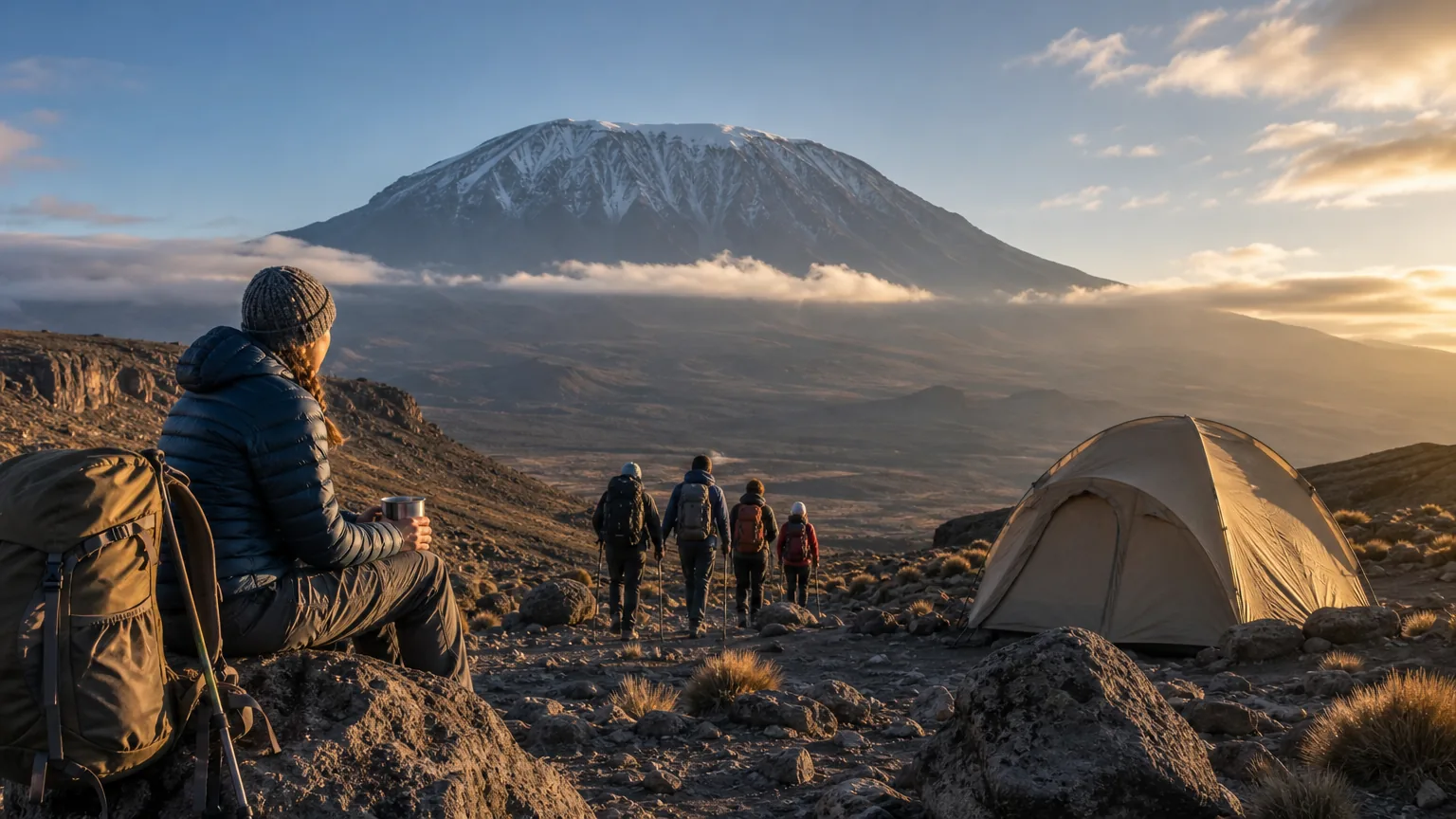
How Much Does It Cost to Climb Kilimanjaro? (2026 Prices)
how much does it cost to climb kilimanjaro? (2026 prices)
How Much Does It Cost to Climb Kilimanjaro? (2026 Prices)
Discover the true cost of climbing Kilimanjaro in 2026. Compare budget group climbs, luxury expeditions, and all-inclusive packages with Safari TZ.
Wondering how much it costs to climb Kilimanjaro? You're not alone. Prices range from $2,000 for budget group climbs to over $8,000 for luxury private expeditions. Here's what you'll actually pay in 2026, broken down by the type of trip and what's included.
1. Safari TZ — All-Inclusive Kilimanjaro Climb Packages
At Safari TZ, we build our all-inclusive packages around your safety and success. Every climb includes licensed guides, a full support crew, three hot meals a day, quality camping gear, and all park fees and permits. We follow ethical wage standards set by the Kilimanjaro Porters Assistance Project (KPAP), so your money goes to the people who carry your gear.
Our pricing depends on the route and number of days. Longer routes like Lemosho (8 days) cost more because you get better acclimatization and a higher summit success rate. Short routes like Marangu (6 days) are cheaper but have lower success rates. , park fees alone for an 8-day climb exceed $1,182. That's part of why a quality climb isn't cheap.
We're transparent about what's included: airport transfers, pre- and post-climb hotel nights in Arusha, and a dedicated trip coordinator. The only extras you pay are flights, visas, personal gear, tips, and insurance. Contact us for a personalized quote based on your preferred route and dates.
2. Budget-Friendly Group Climbs (Shared Departures)
If you're flexible with dates and don't mind joining a larger group, budget group climbs start around $2,000 to $3,000 per person. These are often on the Marangu or Machame routes, the most popular and cheapest options. The catch? Many economy operators cut corners , underpaying porters, using old gear, or skipping safety gear like oxygen and pulse oximeters.
Some budget companies pay porters as little as $5 per day, which is far below the KPAP recommended wage. That's a red flag. A cheap climb can also have lower summit success rates (around 30% on 5-day trips) because of rushed acclimatization. If you're considering a budget group climb, check if the operator is KPAP approved and ask about their safety equipment and emergency plans.
3. Mid-Range Standard Climbs with Quality Service
Mid-range climbs typically cost between $3,500 and $5,000 per person. You get a solid balance of service and price: experienced guides, better food, and more comfortable tents. For example, Alpine Ascents charges $5,950 for a 7-day Machame route climb only, which sits at the higher end of mid-range. Most reputable operators in this range include all park fees, meals, and camping equipment.
At Safari TZ, our mid-range packages are a sweet spot for most climbers. You get private tents, a dedicated cook, and guides with years of experience. Success rates on 7-8 day mid-range climbs average 85% , far better than budget options. Expect to pay around $4,000 to $5,000 for a well-run 8-day Lemosho or Machame climb.
4. Luxury Private Expeditions (Premium Experience)
Luxury climbs run from $6,000 to over $10,000 s, a private toilet tent, gourmet meals, larger sleeping tents, and often a dedicated porter-to-climber ratio of 3:1. Elite Exped offers premium packages starting at $4,550, but luxury can go much higher.
What you're paying for: total privacy, maximum comfort, and the highest possible summit success rate. Luxury operators typically include all gear (like down jackets and sleeping bags), luxury hotel nights before and after the climb, and sometimes a helicopter evacuation package. If budget is not your main concern, this is the safest and most comfortable way to climb.
5. Additional Cost Factors: Routes, Gear, and Tips
Beyond the climb package itself, plan for these extra costs:
Park fees are a major fixed cost. For an 8-day climb, permit fees alone are over $1,182, as noted by Ian Taylor Trekking. Insurance is non-negotiable , it must cover high-altitude trekking and helicopter evacuation. For more on insurance, check our guide on Travel Insurance for a Tanzania Safari.
Frequently Asked Questions
What is the cheapest way to climb Kilimanjaro?
The cheapest way is a group climb on the Marangu route (5-6 days), costing around $2,000, $2,500. However, success rates are low (30% on 5-day trips) and safety standards may be compromised. A budget climb with a KPAP-approved operator is safer.
How much should I tip my Kilimanjaro crew?
Tipping is customary and expected. Plan $200, $400 per person for the entire trip, distributed among guides, cooks, and porters. Your operator should provide guidelines.
Do I need travel insurance to climb Kilimanjaro?
Yes, most operators require it. Your policy must cover high-altitude trekking (above 5,000m) and emergency evacuation, including helicopter rescue. Expect to pay $100, $300 for adequate coverage.
What is the success rate on shorter routes?
On a 5-day Marangu or Machame route, success rates are around 30%. On 6-day climbs, about 45%. On 8-day climbs, success rates jump to 85% due to better acclimatization.
How much does gear rental cost on Kilimanjaro?
Rental gear (sleeping bag, trekking poles, down jacket, etc.) costs about $200, $500 for the whole climb. Most operators offer rental, but quality varies. Bring your own if possible.
Are park fees included in the climb price?
Reputable operators include park fees in their package price. Always confirm. Park fees alone can be over $1,000 for an 8-day climb, so a very cheap external price likely excludes them.
Conclusion
So how much does it cost to climb Kilimanjaro? Expect to pay between $2,000 and $10,000 depending on the level of service. For a safe, ethical, and successful climb, choose a reputable operator like Safari TZ. We offer transparent pricing, experienced guides, and a commitment to fair wages. Ready to plan your climb? Contact us today for a free quote and let's make your summit dream a reality.