Is It Safe to Travel to Tanzania in 2026?
the short answer
what the advisories say
where you're safest
where to be more aware
what you probably needn't fear
wildlife safety
solo and women travellers
around protests and politics
health, water and scams
money and peace of mind
The Short Answer
Yes, With Normal Precautions
For the vast majority of tourists, especially on organised safaris, Tanzania is safe. Take normal city precautions, and read the current advisories honestly.
Yes — for the vast majority of tourists, Tanzania is a safe place to visit. Millions travel here every year without serious problems, and those on organised safaris have it easiest of all. That doesn't remove the need for normal, common-sense precautions, the same as in any country.
Two honest things to hold together. First, the established safari circuits and Zanzibar resorts are among the most controlled, lowest-risk environments you'll travel in. Second, official advisories currently sit higher than many people expect, after political unrest on the mainland in late 2025 — so it's worth understanding what they actually say. The next section handles that straight; the rest covers the real, mostly minor risks and where you're safest.
What the Advisories Say
Level 3, in Plain Terms
The US rates Tanzania Level 3 (Reconsider Travel) after late-2025 unrest; the UK advises against travel only near the Mozambique border. Here's what that means.
A safety page that hides the official picture isn't worth reading, so here it is, current as of writing.
The US State Department rates Tanzania Level 3 — "Reconsider Travel" — the third of four levels, citing unrest, crime and terrorism. The UK FCDO doesn't use numbers; it advises against all-but-essential travel only within 20km of the Mozambique border in the far south (around Mtwara and Lindi), and otherwise notes a risk of armed crime, including in Zanzibar.
What that means in plain terms: Level 3 is not "do not travel" — that's Level 4. It reflects the worst-case picture across the whole country, and it was raised around the late-2025 election period, when there was political unrest and protest in some mainland towns, not in the safari parks or beach resorts. Countries such as Colombia and Pakistan carry the same level and still host millions of visitors a year. Through that period, the established safari circuits and Zanzibar kept operating, with hundreds of thousands of guests.
Same-sex relationships are criminalised under Tanzanian law, and the US advisory specifically notes this; LGBTQ+ travellers should be aware of it and check current guidance.
Two takeaways: the political and urban risk is real and worth respecting, and the safari itself remains one of the lowest-risk parts of any Tanzania trip. Always check the current FCDO and US State Department pages before you travel, because these ratings are reviewed and do change.
Where You're Safest
The Safari Bubble Is Real
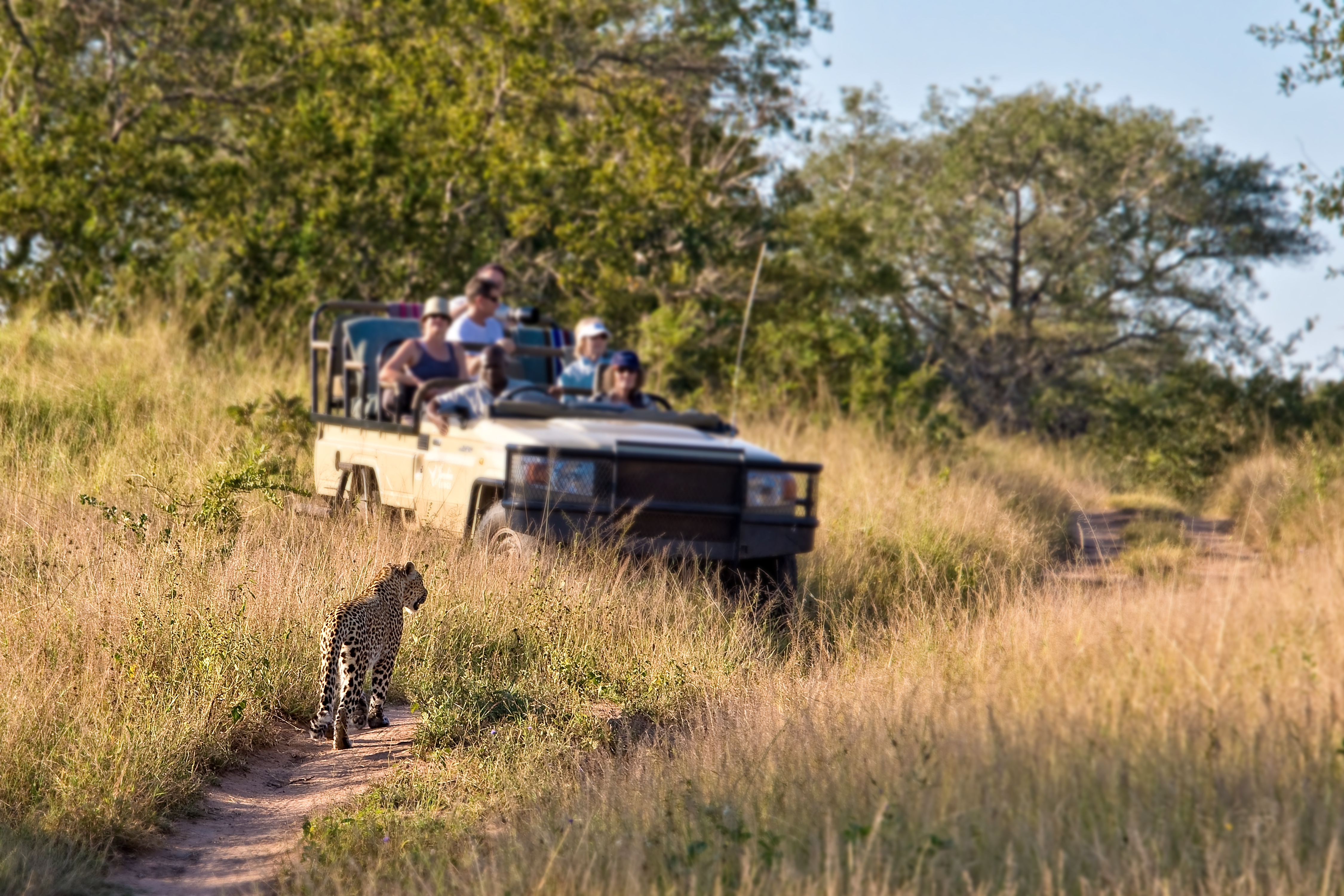
Visitors are safest on organised safaris, inside the national parks, at reputable lodges and camps, and in Zanzibar's established beach resorts.
The environments built around tourism have well-established safety procedures. You're safest:
- On organised safaris
- Inside the national parks
- At reputable safari lodges and camps
- In established beach resorts in Zanzibar
- With professional safari guides and drivers
For most guests, the great majority of the trip is spent exactly here
Where to Be More Aware
Busy Towns, Roads, After Dark
Stay alert in busy urban areas, on the roads, and after dark. Use hotel-arranged taxis, avoid night driving, and watch your belongings in crowded markets.
These aren't no-go zones, just places to pay attention, as you would in any busy city:
- Arusha town centre, Dar es Salaam city centre, and Stone Town's busiest streets and markets
- Bus stations, ferry terminals and crowded markets
Practical habits: keep bags zipped, don't leave phones on restaurant tables, skip the flashy jewellery, and keep your passport stored securely when you don't need it.
A few specifics worth knowing:
- Night walking — in larger towns, avoid walking alone late at night; use a trusted taxi or transport arranged by your hotel.
- Dar es Salaam — there have been cases of "express kidnapping," where people who got into unlicensed taxis were forced to withdraw cash at ATMs. Use only hotel-arranged taxis, and bank ATMs in daylight.
- Roads — road safety deserves more attention than wildlife. We avoid long-distance driving after dark wherever possible, and itineraries are planned around daytime travel.
What You Probably Needn't Fear
The Safari Is the Safe Part
Many first-timers fear the safari most, but it's usually the safest part of the trip. Guides work with wildlife daily and follow clear, consistent safety rules.
Many first-timers imagine the safari is the dangerous part. It's usually the safest part of the trip.
Guests ask about sleeping near wildlife, open vehicles, lions near camp, elephants on the road. Professional guides work with wildlife every single day. The safety rules are simple, well understood and consistently followed, and modern camps have trained staff who escort guests after dark when needed.
The other common worry is travelling as a woman. In our experience, women travelling alone, with friends or as couples generally have positive experiences with reputable operators and normal precautions.
Wildlife Safety
Wild, But Highly Regulated
National parks are wild but highly regulated. Stay in the vehicle, listen to your guide, and accept a camp escort after dark. Most incidents follow ignored rule
National parks are wild places, but they're also highly regulated. The rules that keep you safe are straightforward:
- Stay inside the vehicle unless your guide says otherwise. Animals are used to safari vehicles; a person stepping out changes that completely.
- Listen to your guide. They read animal behaviour constantly — if they ask for quiet, to stay seated, or to move on, there's a reason.
- Around camp, some sites are unfenced because wildlife moves freely. If staff offer an escort after dark, take it. It's normal bush practice, not a warning sign.
Most wildlife incidents happen when visitors ignore simple instructions, not because the safari is inherently dangerous.
Solo and Women Travellers
Welcoming, With Sensible Care
Tanzania is a welcoming destination for solo travellers and women, with reputable operators, organised transfers and the usual sensible travel precautions.
Overall, Tanzania is welcoming to solo travellers, and women travel here alone successfully all the time. The advice is the same as in many countries: book with reputable operators, use organised airport transfers, avoid isolated areas late at night, trust your instincts, and let someone know your plans if you're travelling independently.
On organised safaris, solo travellers often tell us they feel part of the group quickly, thanks to their guide and fellow guests.
Around Protests and Politics
Simple, Honest Precautions
Around Tanzania's recent political unrest: avoid demonstrations, don't photograph protests, and keep political comment off social media while in the country.
Following the 2025 election period, there were episodes of political unrest in some mainland towns, and authorities at times restricted internet access and warned against photographing protests.
None of this touches a normal safari, but if you're spending time in towns, a few honest precautions help: steer clear of demonstrations and political gatherings, don't photograph or film them, and keep political commentary off public social media while you're in the country. Check current advice before you travel, as the situation can shift.
Health, Water and Scams
The Practical Stuff, Linked
A quick safety round-up: stay hydrated, don't drink tap water, eat freshly cooked food, and watch for the too-cheap-safari trap. Full guides linked below.
The everyday practicalities have their own full guides, but the short version:
- Health — most issues are ordinary: dehydration, strong equatorial sun, and dust on dry-season roads. Drink water often, pack a hat and sunscreen, bring a buff for dusty drives. See the full health guide.
- Water — don't drink the tap water. Lodges and hotels provide bottled or filtered water, and many have refill stations. See the tap-water guide.
- Food — food at established lodges is generally excellent. Be cautious with street food sitting in the heat and seafood from uncertain kitchens; freshly cooked, hot food is safest.
- Scams — the one that costs real money is the "too cheap" safari. If a quote is dramatically below every comparable one, ask why. See the tourist-traps guide.
For anything medical — vaccinations, malaria prevention — speak to a doctor or travel clinic before you go.
Money and Peace of Mind
Simple Habits, Real Calm
Carry one day's cash and one card, store the rest securely, and use bank ATMs. Nervous first-timers almost always tell us the trip felt calmer than expected.
A few money habits go a long way. Carry one day's spending money, one card, and a copy of your passport. Store spare cash, extra cards, your passport and jewellery securely. Use ATMs attached to banks rather than isolated machines, and carry some Tanzanian shillings for tips and small purchases.
A couple from Germany came to us nervous after reading conflicting things online — worried about open vehicles, wildlife around camp, and travelling with young children. Before they arrived, we walked them through how safari safety works, how guides are trained, and what to expect at an unfenced camp. Afterwards, they said their biggest surprise was how calm and organised it all felt. The moments that had seemed intimidating beforehand — hearing wildlife at night, driving close to elephants — became the highlights, because they trusted their guide and understood the safety procedures.
If you have safety questions, the best answer is a specific one about your own itinerary.
- Request your free tailor-made safari quote
- Chat with a safari expert on WhatsApp: +255 740 666 662 · info@safari-tz.com