Is a Photography Safari Worth the Cost?
the short answer
what actually adds to the cost
it's often the same trip, guided differently
who genuinely benefits — and who doesn't
what the extra money actually buys
the best investment is usually time
the green season value window
the false economy that costs photographers
deciding what you actually need
The Short Answer
It Depends What You Want to Bring Home
A photography safari in Tanzania is worth it if images are a main goal. What the extra cost buys—and who doesn't need to pay it.
Our honest opening line when guests ask this: it depends whether your goal is to remember the safari, or to come home with the photographs you've been imagining.
- For many travellers, a standard private safari already offers wonderful photographic opportunities. No premium needed.
- For enthusiastic wildlife photographers, the extra flexibility of a photography-focused trip makes a real difference — and earns its cost.
- Much of the time, "extra cost" is smaller than people assume. Many photography safaris are simply private safaris with a photography brief: same parks, same vehicle, same accommodation, guided differently.
- What the extra investment buys is time and control, not luxury.
- The biggest false economy isn't the wrong camera — it's too few days to actually wait for the moments you came to photograph.
The question was never whether everyone should spend more. It's whether photography is one of the main reasons you're travelling. This page helps you decide honestly — including when the answer is no.
What Actually Adds to the Cost
Flexibility and Time — Not the Birds or Beasts
A photography safari in Tanzania is worth it if images are a main goal. What the extra cost buys—and who doesn't need to pay it.
In many cases, surprisingly little changes on the invoice. The same national parks, the same vehicle, and the same accommodation can all stay exactly as they'd be on a standard trip.
The things that may influence the overall cost are specific and worth naming plainly:
- Choosing a private rather than shared safari.
- A more photography-focused guiding style.
- Adding days to allow more time in the field.
- A highly customised itinerary, if you request one.
Notice what's absent: the photography itself. Pointing a serious lens at a lion costs no more than pointing a phone at it. There's no "photography surcharge" line, and any operator implying one is inventing it.
What you may pay more for is flexibility and personalisation — the freedom to shape the trip around images rather than around a fixed group schedule. That's a real thing worth money to the right traveller, and nothing worth paying for to the wrong one. The rest of this page is about telling which you are.
It's Often the Same Trip, Guided Differently
Sometimes It's the Same Private Trip
A photography safari isn't always dearer. Many are private safaris with a photo brief—same parks and vehicle, guided with more time for images.
This is something we explain almost every week, because the assumption runs deep: no, a photography safari is not always more expensive.
Many photography safaris are simply private safaris with a photography brief. The itinerary doesn't necessarily change. The vehicle doesn't change. The parks don't change. What changes is how the safari is guided and how much time gets devoted to each photographic opportunity — the guide stops longer, waits for the light, positions with more care. The cost typically rises only when a guest requests genuinely specialised guiding or a significantly customised itinerary. For everyone else, the "photography safari" is the private safari they might have booked anyway, with a conversation up front about what they want to shoot.So before you assume a photography focus means a bigger bill, tell us what you're actually after. Often the honest answer is that the trip you're already considering, guided with your photography in mind, is exactly the trip you need — at no premium. We'd rather tell you that than sell you an upgrade you don't require.
Who Genuinely Benefits — and Who Doesn't
Be Honest With Yourself About This One
A photography safari benefits travellers for whom images are a main goal. If photography is an extra, a standard private safari suffices.
We'd rather you spend well than spend more, so here's the honest split.
A photography-focused safari is genuinely worthwhile if you:
- See photography as one of the main goals of the trip.
- Are happy to wait for the right moment rather than simply record a sighting.
- Travel with dedicated camera equipment you've invested in.
- Enjoy the patient observation that produces strong images.
If, on the other hand, photography is just something you'd like to do alongside the safari, there's often little benefit in paying for a highly specialised experience. A standard private safari may already meet your expectations perfectly — you'll still linger, still ask the guide to wait, still come home with images you love.The test is simple and personal: would you rather see more animals, or come back with fewer, better photographs of them? There's no wrong answer — but they point to different trips at different prices. A photographer who answers "more animals" and pays for specialised guiding has bought something they won't use. Knowing which traveller you are saves money more reliably than any discount.
What the Extra Money Actually Buys
Time and Control — Not a Bigger Swimming Pool
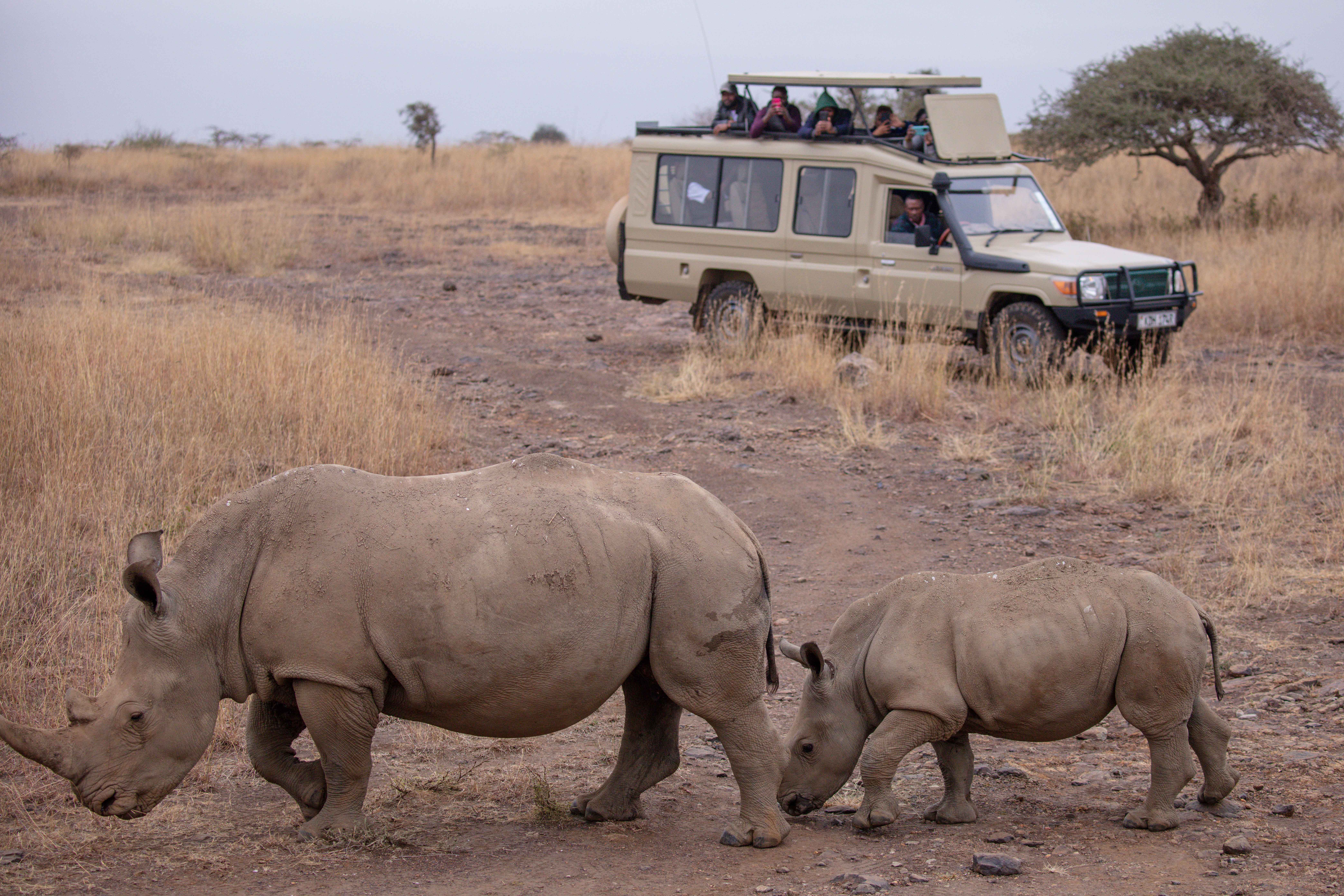
The value in a photography safari isn't luxury. It's time at sightings, freedom to wait for behaviour and light, and thoughtful positioning.
Our view on this is simple and, we think, clarifying: the greatest value in a photography safari isn't luxury. It's time and control.
Concretely, the extra investment buys:
- More time at wildlife sightings, instead of moving on to build a tally.
- More freedom to wait for behaviour — the head to lift, the wings to open, the cubs to play.
- More flexibility to position the vehicle thoughtfully for the angle and the light.
- More opportunity to be out when the light is genuinely good.
Those are the things photographers remember. Nobody comes home and treasures the swimming pool at the lodge; they treasure the frame they waited forty minutes for and finally got. If you're weighing where an extra bit of budget goes, this is the honest steer: put it into time and guiding before you put it into thread count.
A luxury lodge improves your evening. Time and control improve every hour of every game drive — which, for a photographer, is the entire point of coming. That's why we'd always rather add a day in the field than an upgrade at the lodge, when photography is the goal.
The Best Investment Is Usually Time
More Days Beats a Better Lodge
More chances for light, weather and wildlife to align. Nature ignores schedules.
If there's one place to spend an extra bit of budget, it's rarely the lodge — it's the calendar. Additional days reduce the pressure to rush between parks, and take the sting out of a morning where the weather or the wildlife simply doesn't cooperate. On a tight itinerary, a bad-light dawn is a lost opportunity you can't recover. On a longer one, it's just Tuesday — you'll be back at that productive spot tomorrow.
Nature doesn't work to a schedule, and that's the whole argument. The migration doesn't cross on the day you booked; the leopard isn't in the tree every morning; the light isn't golden to order. Giving yourself more chances is the single most reliable way to increase the odds of coming home with the photographs you hoped for.This is why, when a photographer asks how to get more value, our answer is often "add a day" long before it's "upgrade the lodge." Days are what let patience work. And patience, as every page in this hub keeps saying, is what actually makes the picture. The camera records; the time is what waits for something worth recording.
The Green Season Value Window
Soft Light and Lower Rates Together
Tanzania's green season pairs soft light, green landscapes and dramatic skies with lower rates — often the best-value window for photographers.
For photographers specifically, the green season is one of Tanzania's best-value opportunities — and it's underbooked precisely because most people default to the busiest, priciest months.
The combination that lands in the green season: softer, more diffused light spread across more of the day, greener and more textured landscapes, dramatic skies that give an image mood a clear blue sky never will — and accommodation rates often lower than peak. For someone whose satisfaction is measured in the quality of frames rather than the number of dry-season sightings, that's close to ideal.
We cover the light side of this on our best-time-to-photograph page and the wider season picture on the birding seasonal guide. The value point stands on its own: the months with the softest, moodiest light frequently overlap with the softest pricing.It's a season we actively encourage photographers to consider rather than reflexively booking peak. The trade-off is honest — some rain, the odd adjusted route — but for a photographer chasing atmosphere and value at once, the green months often deliver both in a way the crowded dry season can't.
The False Economy That Costs Photographers
Too Much Trip Crammed Into Too Few Days
The costliest safari mistake isn't the camera; it's having too little time. Shorter or shared trips will not wait for the wildlife shots you came for.
The most expensive mistake we see photographers make has nothing to do with equipment. It's trying to fit too much trip into too little time.
Guests sometimes assume they'll save money with a shorter safari or a shared itinerary — and on paper, they do. Then they arrive and discover they never had the time or the control to wait for the moments they came to photograph. Every sighting is a quick stop before the vehicle moves on; every good-light window closes while they're still travelling to the next park. The money saved bought a trip that couldn't deliver what they wanted.
Photography rewards patience, and patience has to be built into the itinerary — you can't add it later. A day too few is a false economy that shows up not on the invoice but in the photo library.
So if budget is tight, we'd honestly rather see you protect the days and the control than protect the lodge tier. A budget-lodge trip with enough time and a private vehicle will out-photograph a luxury trip that's rushed and shared, every time. Spend where the pictures are actually made.
Deciding What You Actually Need
Tell Us What You Shoot — We'll Tell You Honestly
Safari-Tz offers photo-friendly safaris across budget, mid-range and luxury. Tell us your goals, and we will advise if you need a photo focus.
One guest planned the shortest possible safari, convinced they could photograph everything in a few days. After we talked through their photography goals, they chose to add a little more time. Afterwards they told us those extra days completely changed the experience — instead of feeling pressured to photograph every sighting immediately, they could slow down, revisit productive areas, and wait for better light. The result wasn't just more photographs. It was photographs they were genuinely proud of.
That's the whole page in one story: the value was in time and control, not in spending more for its own sake.
We offer photography-friendly safaris across budget, mid-range and luxury travel styles. But we won't tell you to "book our photography safari." We'd rather you tell us:
- What you like to photograph.
- Your experience level.
- Your preferred travel style.
- What you hope to come home with.
From there we'll tell you honestly whether a standard private safari is enough, or whether a more photography-focused itinerary would genuinely add value — so you only pay for the support you'll actually use.
- Request a tailor-made quote (fastest, best for a real plan)
- WhatsApp: +255 740 666 662
- Email: info@safari-tz.com