Is Tanzania Vegan-Friendly?
the short answer
the real picture
it differs by setting
explaining "vegan"
naturally vegan foods
plan ahead
honest challenges
more expensive?
how we support you + talk
The Short Answer
Yes, With a Little Planning
Tanzania isn't a vegan-focused hub like London, but it's very friendly with planning. Expect lots of naturally plant-based food and helpful lodge chefs.
If you're vegan and planning a trip to Tanzania, you may wonder whether you'll spend your holiday living on salads and fruit. The honest answer is yes, Tanzania is very vegan-friendly with a little planning, but it's not a vegan-focused destination like London, Berlin or Los Angeles.
You'll find plenty of naturally plant-based foods, and most safari lodges are happy to cater for vegan guests when told in advance. The key is realistic expectations: you'll enjoy excellent meals throughout, but you probably won't find vegan burgers, oat-milk lattes and dairy-free cheese on every menu.
The Real Picture
Plant-Based Roots, Meat on Menus
Tanzanian cuisine naturally features plant-based staples like beans, rice, ugali, and coconut. Meat is common, so vegan meals must be requested.
One pleasant surprise for many visitors is that Tanzanian cuisine already includes plenty of plant-based ingredients. Everyday staples include beans, rice, ugali (maize meal), vegetables, coconut, cassava, sweet potatoes and fresh tropical fruit, and these form the basis of many local meals.
At the same time, meat and fish are also common, particularly in restaurants serving international tourists. That means vegan meals are usually possible, but they may not automatically appear on the menu unless requested.
It Differs by Setting
Where It's Easiest
Your vegan experience varies: safari lodges cater individually with notice, towns offer choices, and Zanzibar, with its fruits and spices, is easiest.
Your vegan experience will vary depending on where you're travelling.
- On safari, lodges and camps usually prepare meals individually, and with advance notice kitchens can often provide excellent vegan meals throughout. Our vegan food on safari guide covers this in detail.
- In towns, cities like Arusha offer more restaurant choice than remote safari areas, so you'll generally have more flexibility, although vegan-only restaurants remain uncommon.
- In Zanzibar, often the easiest place, the tropical climate produces an abundance of fresh fruit, coconut, vegetables and spices, and many beach restaurants are familiar with vegan requests.
Explaining "Vegan"
Say What You Don't Eat
The word "vegan" is not universally understood. It's often much clearer to explain exactly what you don't eat: no meat, fish, eggs, milk, cheese or butter.
One thing many visitors don't expect is that the word "vegan" isn't universally understood everywhere. Rather than simply saying "I'm vegan," it's often clearer to explain exactly what you don't eat, for example: no meat, no fish, no eggs, no milk, no cheese, no butter.
This isn't because people are unwilling to help, it's simply that dietary terminology varies between countries. Our guide on communicating dietary requirements covers useful phrases.
Naturally Vegan Foods
Already Plant-Based
Traditional foods are naturally vegan: enjoy beans, rice, vegetable stews, coconut dishes, fresh fruit, ugali, roasted cassava, and fried plantains.
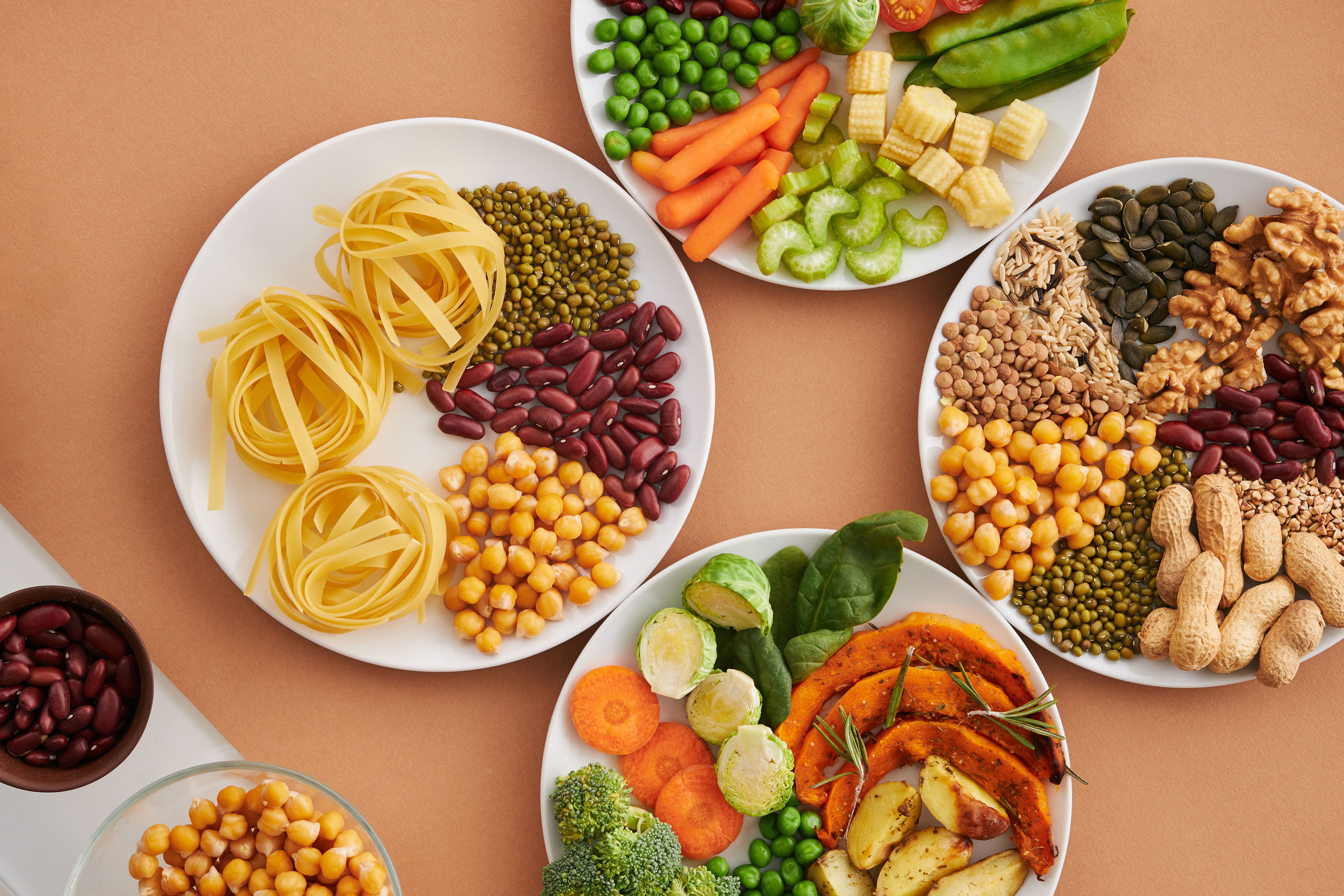
The good news is that many traditional foods are already vegan or can easily be prepared that way:
- Beans and rice, and vegetable stews
- Coconut-based dishes
- Fresh fruit
- Chapati or flatbreads (always ask about ingredients)
- Ugali served with vegetables
- Roasted cassava and plantains
Rather than searching for imported vegan substitutes, many travellers discover they enjoy Tanzania's naturally plant-based cooking. Our local vegan dishes guide suggests what to try.
Plan Ahead
Tell Your Operator First
If we give vegans one piece of advice: tell your safari operator before you arrive. Advance notice lets lodges buy ingredients and plan menus early.
If there's one piece of advice we'd give every vegan traveller, it's this: tell your safari operator before you arrive. Advance notice allows lodges to prepare suitable ingredients, chefs to plan alternative menus, guides to brief each property, and your requirements to be communicated throughout your itinerary.
Travelling vegan in Tanzania is much easier when everyone knows your needs before you arrive than if you're explaining them at each meal. Our how-to-tell-lodges guide covers communicating it well.
Honest Challenges
Hidden Ingredients & Limited Products
Be realistic: you may encounter butter, milk, fish stock, or eggs unless you ask. Specialty products like vegan cheese stay limited outside larger towns.
It's worth being realistic about a few things. You may occasionally encounter butter or ghee used in cooking, milk offered with tea or coffee, fish stock in soups or sauces, or eggs included in dishes unless requested otherwise.
Specialty vegan products such as vegan cheese, plant-based meat alternatives and dairy-free desserts are becoming more available in some places but remain limited outside larger towns and tourist centres. Fortunately, these aren't necessary for enjoying excellent meals during your safari.
More Expensive?
Usually Not
Usually not. Eating local plant-based food can be highly affordable. Costs rise mainly with imported specialty items, which are less common and pricier.
Usually not. In fact, eating local plant-based food can often be one of the more affordable ways to travel in Tanzania. Where costs can increase is with imported specialty products, if you're expecting supermarket shelves full of international vegan brands, you'll find those are less common and often more expensive.
Most travellers discover that enjoying fresh local ingredients is both simpler and more rewarding.
How We Support You + Talk
Honest Planning, Clear Comms
We arrange safaris for guests with dietary needs. Tell us you're vegan and we notify every lodge ahead, select properties that cater, and remind each one.
We regularly arrange safaris for guests with dietary requirements. When you tell us you're vegan, we'll notify every lodge before your arrival, communicate your requirements clearly, choose accommodation that can cater confidently, and remind each property as your safari progresses.
We don't promise every menu will resemble a dedicated vegan restaurant. What we do promise is honest planning and clear communication, which is usually the biggest reason vegan safaris run smoothly.
A real example: a guest from Canada contacted us worried they'd struggle to eat vegan during a week-long safari. Before arrival, we informed every lodge about their dietary requirements and confirmed suitable options throughout. Afterwards, they said they were pleasantly surprised by the variety of fresh vegetables, beans, fruit and coconut-based dishes, and that notifying everyone in advance made the experience completely stress-free.
- Request a tailor-made quote (fastest, best for a real plan)
- WhatsApp: +255 740 666 662
- Email: info@safari-tz.com