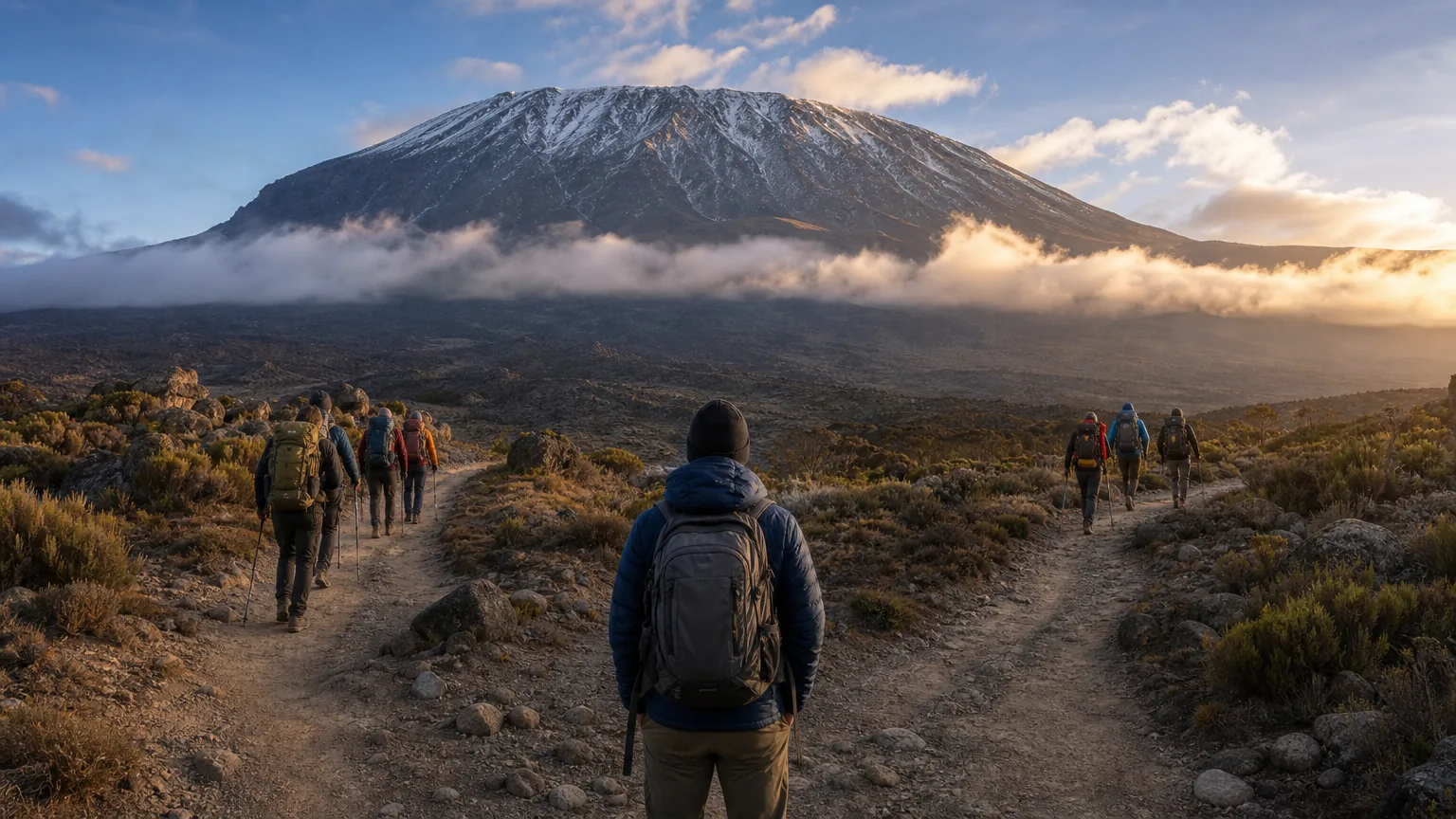
Machame vs Lemosho: Which Kilimanjaro Route Is Right for You?
machame vs lemosho: which kilimanjaro route is right for you?
Machame vs Lemosho: Which Kilimanjaro Route Is Right for You?
Compare Machame and Lemosho routes on Kilimanjaro. Learn about difficulty, success rates, costs, and crowds. Find out which route suits your climb.
Thinking about climbing Kilimanjaro but stuck between the Machame and Lemosho routes? I've trekked both, loved the scenery, and learned the tricks. The surprising truth: the quieter Lemosho route actually has a higher summit success rate than the popular Machame. Here's how they stack up so you can pick the right path.
1. Safari TZ (Our Top Pick) — Your Local Operator for Machame and Lemosho
When you decide between Machame and Lemosho, you still need a reliable operator on the ground. Safari TZ is a Tanzanian-owned company based in Arusha that has been running Kilimanjaro climbs since 1991. We handle everything with our own mountain crews, guides, and vehicles , no middlemen. Whether you choose the Machame or Lemosho route, we tailor the itinerary to your goals. How Many Days to Climb Kilimanjaro? shows how we adjust duration for better acclimatization. With Safari TZ, you get a direct relationship with the operator, not a booking platform.
2. Machame Route — The Most Popular Kilimanjaro Climb
The Machame route, also called the “Whiskey Route,” is the most popular way up Kilimanjaro. It starts on the southwest side at Machame Gate and climbs through rainforest, moorland, and the Shira Plateau before joining the southern circuit. The total distance is about 62 km. It's typically done in 6 or 7 days, with the 7-day version offering better acclimatization. The route includes iconic landmarks like Lava Tower and Barranco Wall. But popularity comes with crowds , expect heavy traffic, especially at campsites and on summit night. The success rate for the 7-day Machame is around 85%. Best for: experienced trekkers on a tighter budget who don't mind sharing the trail.
3. Lemosho Route — The Scenic High-Success Alternative
The Lemosho route starts on the remote western side of Kilimanjaro and is considered one of the most scenic paths. It crosses the Shira Plateau, then joins the Machame route at Lava Tower. The recommended duration is 8 days, which gives climbers an extra day for acclimatization. This extra day pays off: the 8-day Lemosho boasts high success rates, making it one of the most successful routes. The trail passes through low-traffic forest before merging, so you get quieter mornings. Proper acclimatization is key, and Lemosho's profile excels at that. Best for: first-time high-altitude trekkers or anyone prioritizing summit success and scenery.
4. Best for Acclimatization — Lemosho's Gradual Ascent
Acclimatization is the biggest factor in summit success. The Lemosho route's 8-day schedule includes a full day exploring the Shira Plateau and a “climb high, sleep low” pattern. For example, day 4 takes you up to Lava Tower, then you descend to Barranco Camp. That drop helps your body adjust. The Machame route also uses this strategy, but its shorter duration gives your body less time to adapt. If avoiding altitude sickness is your top priority, Lemosho's extra day is a smart investment. Many operators, including Safari TZ, recommend it for first-timers.
5. Highest Success Rates — Lemosho's Summit Advantage
Summit success rates vary widely by route and duration. For the 7-day Machame, the rate is about 85%. For the 8-day Lemosho, it's around 90%. These figures align with common guide reports. The difference might seem small, but in practice it means more climbers on Lemosho reach Uhuru Peak. The longer itinerary, with its built-in rest days and gradual ascent, directly improves your odds. If summiting is non-negotiable, choose Lemosho.
6. Fewest Crowds — Lemosho's Quiet Path
Machame is the most crowded route on the mountain. During peak season (January, March and June, October), campsites and trails can feel like a highway. Lemosho, on the other hand, offers a quieter experience , especially in the first two days before it merges with Machame at Lava Tower. After that, both routes share the same southern circuit, so you still see people, but the early solitude is a big draw. For a more peaceful climb, Lemosho is the clear winner.
7. Lower Cost — Machame's Budget-Friendly Option
Machame is generally cheaper because it's shorter (6 or 7 days vs. 8 for Lemosho). Fewer days mean lower park fees, crew wages, and food costs. If you're on a tight budget and confident in your fitness, Machame can save you several hundred dollars. But remember: you get what you pay for. The lower price comes with higher crowds and a slightly lower success rate. Safari TZ can give you a detailed price comparison for both routes so you can weigh the trade-offs.
8. Scenic Highlights — Both Routes Deliver Stunning Views
Both routes pass through five climate zones: rainforest, heath, moorland, alpine desert, and the arctic summit. Both include Lava Tower, Barranco Wall, and the Southern Icefields. But Lemosho adds the Shira Plateau , a high-altitude desert that's one of the most photogenic spots on the mountain. Machame travelers also see the plateau, but from a different angle and with less time to soak it in. If you love photography and wide open landscapes, Lemosho edges ahead.
9. Gear Essentials for Machame and Lemosho Climbs
Packing smartly can make or break your climb. For both routes, you'll need: waterproof hiking boots, gaiters, a warm sleeping bag rated to -10°C, trekking poles, a headlamp, and multiple layers (base, mid, shell). Don't forget sunscreen and lip balm , the sun at altitude is brutal. A 1-liter water bottle plus hydration bladder is ideal. For Lemosho's extra day, bring an extra set of socks and base layers. Safari TZ provides a full gear list when you book, and we also offer gear rental in Moshi if you're traveling light.
10. Mental Preparation for Either Route
Kilimanjaro is as much a mental challenge as a physical one. Summit night involves 6, 8 hours of hiking in darkness and cold. Many climbers hit a low point around 5,000 m. The best way to prepare is to train your mind: practice positive self-talk, visualize the summit, and accept that discomfort is temporary. Having a guide who knows the mountain , like the crews at Safari TZ , can keep morale high. Remember "pole pole" (slowly slowly), and you'll get there.
FAQ
Which route is harder, Machame or Lemosho?
Both are challenging. Machame is shorter but steeper, with a tougher first day. Lemosho is longer with more gradual elevation gain, so many climbers find it more manageable. The extra day on Lemosho also helps with acclimatization, making the overall experience less punishing.
What is the success rate for Machame vs Lemosho?
The 7-day Machame has about an 85% success rate. The 8-day Lemosho is around 90%. These numbers come from industry data and operator reports. Taking an extra day on Lemosho significantly improves your odds of reaching Uhuru Peak.
Which route is less crowded?
Lemosho is less crowded, especially in the first two days before it merges with Machame at Lava Tower. Machame is the most popular route and can feel congested, particularly during peak season. If you value solitude, pick Lemosho.
Is Lemosho worth the extra cost?
Yes, if summit success and scenery are your priorities. The extra day costs more in park fees and crew wages, but it buys you better acclimatization, higher success rates, and a quieter trail. If budget is tight, Machame is still a great option , just be ready for crowds.
Can I do Machame or Lemosho with Safari TZ?
Yes, Safari TZ offers both routes with experienced local guides. We customize itineraries to your group size, fitness level, and budget. Get a free quote from our contact page to start planning your climb.
Conclusion
Both the Machame and Lemosho routes can get you to the roof of Africa, but they offer different trade-offs. Machame is cheaper and shorter but busier. Lemosho costs a bit more and takes an extra day, but it offers better scenery, fewer crowds, and a higher chance of summiting. If you want the best odds in comfort, go Lemosho with a local operator like Safari TZ. Ready to book? Contact Safari TZ for a personalized quote and start your Kilimanjaro adventure.