Photography Safari in Tanzania
the short answer
what a photography safari actually is
the vehicle
what the guide does differently
the pace changes — deliberately
how light shapes the day
who actually needs one
the expectation we correct most
planning a photography safari with us
The Short Answer
The Wildlife Is the Same — How You Experience It Isn't
A Tanzania photography safari isn't different parks or animals. It's more time, better positioning and guiding built around images.
When guests ask what makes a photography safari different, our honest answer is short: the wildlife is the same — the difference is how you experience it. A photography safari doesn't visit different national parks or find rarer animals. What changes is everything around the sighting:
- More time at each encounter, and fewer of them worked harder.
- A guide who positions for the light and holds still once cameras are up, rather than moving on to tick the next species.
- A day paced around quality of opportunity, not quantity of sightings.
- A pre-trip brief that shapes the guiding around what you actually shoot.
What a Photography Safari Actually Is
A Private Safari With a Photography Brief
Safari-TZ builds photography safaris as private trips with a clear brief, tailored to your subjects, experience and the images you want.
We offer photography safaris, but we're honest about what they are rather than dressing them up as a wholly separate product. In practice, a photography safari with us is a private safari built around a clear photography brief. Before the trip, we talk through the things that actually shape the guiding:
- Your level of photography experience.
- Whether you shoot wildlife, birds or landscapes — they demand different days.
- Your equipment, so we understand what you're working with.
- The style of images you're hoping to come home with.
The itinerary is then guided with those priorities driving the decisions. A guest chasing intimate behaviour shots gets a different day from one after sweeping landscape frames, even in the same park.
For a guest with highly specialised goals, we can build a fully bespoke itinerary around them. But for most photographers, the private-safari-with-a-brief model delivers what they're really after — the freedom and the time — without the theatre of a "package" that promises more than a vehicle and a guide can honestly deliver.
The Vehicle
Well Suited Already — and We Won't Overclaim
Safari-TZ vehicles offer pop-up roofs, elevated seating, and clear shooting lines. What we promise photographers—and what we don't.
Our safari vehicles are already well suited to wildlife photography, and we'd rather tell you precisely what they offer than sell you specialist kit you may never see.
What you can count on:
- Pop-up roofs for unobstructed, standing shooting lines.
- Elevated seating with good visibility across the terrain.
- Plenty of scope to photograph directly from the vehicle, which is where most Tanzania wildlife photography happens anyway.
What we won't do is claim specialist photography equipment unless it's genuinely available on your specific departure. Beanbags, mounts, particular fittings — if they're not confirmed for your trip, we won't imply them, because the disappointment of arriving to find otherwise is worse than the honest gap.
Instead we point you at what consistently matters most and is always within our control: an experienced guide, thoughtful vehicle positioning, and enough time at a sighting to let the image happen. Gear helps at the margins. Those three decide whether you get the shot — and all three are guiding, not hardware. If you need particular equipment, bring it or tell us early and we'll advise honestly on what's possible
What the Guide Does Differently
This Is Where the Real Difference Lives
On a photography safari, the guide positions for light, holds still once cameras are up, and works each sighting—not just finding wildlife.
If the vehicle is the same, and the parks are the same, the real difference is the guide — and it's a bigger difference than most guests expect.
A guide working with photographers is doing a different job from one running a standard game drive. Where conditions and park rules allow, that looks like:
- Positioning the vehicle thoughtfully — for the angle, not just the view.
- Reading the direction of the light and working with it.
- Allowing more time at a productive sighting instead of moving on.
- Avoiding unnecessary movement once everyone has a camera up, because a shifting vehicle is a ruined frame.
- Communicating clearly before repositioning, so nobody's mid-shot when the vehicle rolls.
A standard drive is organised around finding wildlife. A photography drive is organised around helping you make the most of the wildlife once it's found. Same animal, entirely different handling.
This is also why the guide match matters so much for photographers, and why we brief before the trip rather than hoping it works out on day one. A guide who instinctively kills the engine and angles for the light is worth more to a photographer than any single piece of equipment in the vehicle.
The Pace Changes — Deliberately
How Does a Photography Safari Day Differ From a Normal On
Photography safaris trade quantity for quality: fewer rushed sightings, more time waiting for behaviour, light and the better frame to develop.
A photography day and a standard game-drive day feel different from the first hour, and it comes down to how time gets spent.A standard drive tends to move — animal to animal, sighting to sighting, covering ground and building the day's tally. A photography drive slows down on purpose. The emphasis shifts to waiting: for interesting behaviour to unfold, for the light to change, for a better photographic opportunity than the one in front of you right now.The trade is real and worth understanding before you book. Many photographers come back having visited fewer locations — but with far stronger photographs. If your satisfaction is measured in species seen, this pace can feel slow. If it's measured in frames worth keeping, it's the whole point. This is the same trade-off our birding guests weigh, for the same reason: patience beats coverage when the goal is quality. On a photography safari, the vehicle that drove past three more sightings often took the picture of the day at the one it stayed with.
How Light Shapes the Day
What's the Best Light for Photography on a Tanzania Safar
Light shapes wildlife photography all day. On a photography brief, Safari-TZ plans around the best light while staying flexible to activity.
Light runs through every wildlife photograph, and when a guest tells us photography is a priority, it shapes how we plan the day — without becoming a rigid schedule.We naturally plan around the periods when light is often at its most attractive, while staying flexible to what the wildlife is actually doing and what park regulations allow. A perfect light window means nothing if the animals aren't there; a superb sighting in flat midday light is still worth working. Good guiding reads both and balances them in real time.The underlying shift is the one that defines a photography safari: rather than trying to maximise the number of sightings, we try to maximise the quality of the photographic opportunities. That's a different optimisation, and it changes when you leave camp, where you head first, and how long you're willing to sit.We go deeper on timing — golden hours, midday behaviour, and how to handle harsh light — on our dedicated best-time-to-photograph page. Here it's enough to know that on a photography brief, the clock and the sun become part of the planning, not an afterthought.
Who actually needs one
Honestly, Not Every Photographer Does
A standard private safari suits most holiday photographers. A photo safari earns its place when images are a main reason you travel.
We'd rather match you to the right trip than sell you the fancier one, so here's the honest line on who needs a photography safari.
If you simply enjoy taking wildlife photographs during your holiday, a standard private safari is usually more than enough. You'll have the freedom to linger, a guide who'll stop when you ask, and excellent opportunities throughout — without paying for a level of specialisation you won't use.A photography-focused safari becomes genuinely worthwhile when photography itself is one of the main reasons you're travelling. That typically means:
- Serious wildlife photographers.
- Bird photographers, who need the patience and positioning most of all.
- Enthusiasts carrying specialist equipment they've invested in properly.
- Travellers who'd rather wait for the right image than record a quick sighting and move on.
The rule is simple: the more important photography is to your trip, the more value a dedicated approach delivers. If photography is a happy bonus, a standard private safari serves you well and costs less. If it's the point of the trip, the photography brief is what stops the vehicle when the light is right — and that's worth a great deal.
The Expectation We Correct Most
'Drive Up, Take the Shot, Move On' — It Rarely Works
The commonest misconception: great safari photos are quick. In reality patience makes the image—waiting quietly for the right moment to arrive.
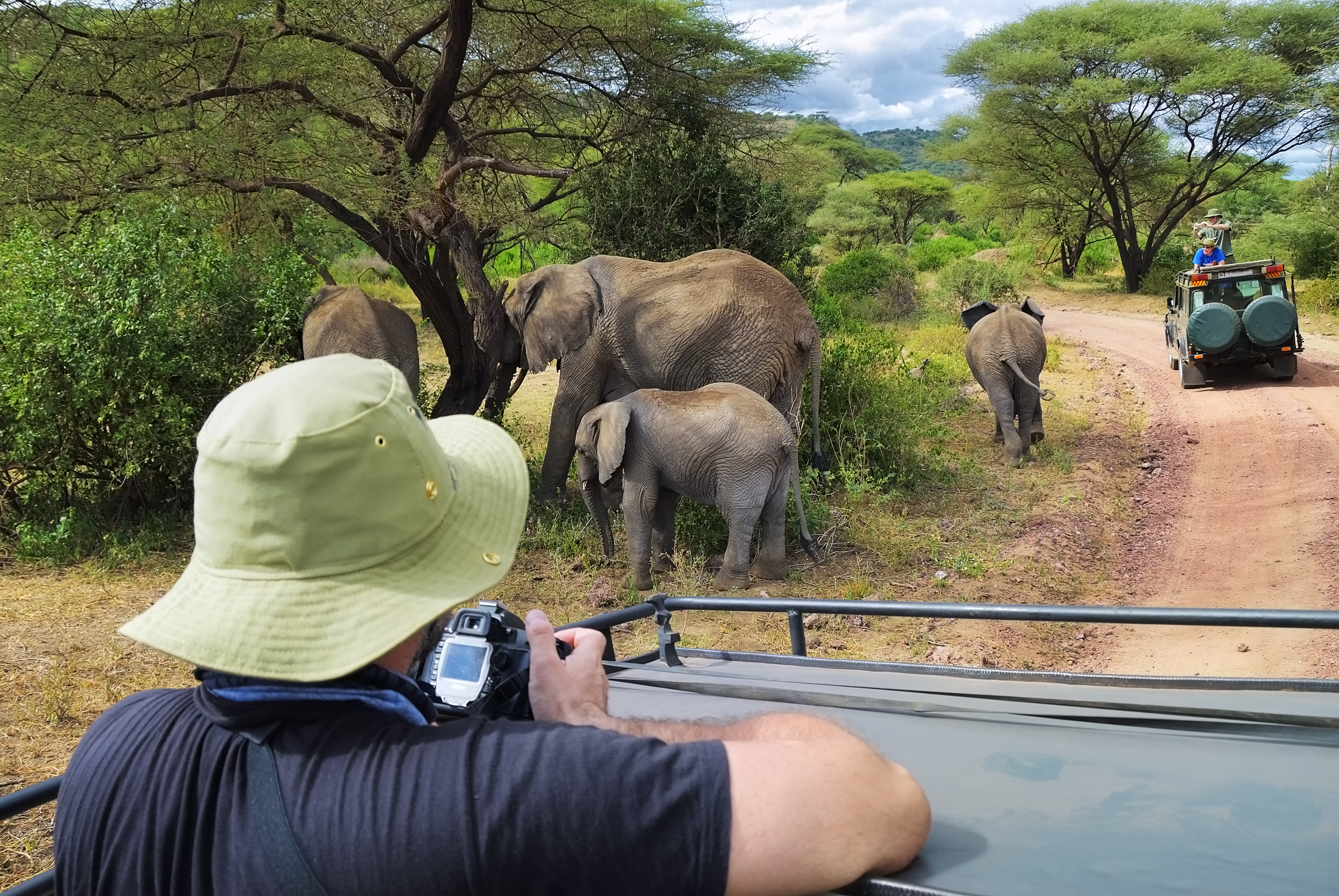
The expectation we hear most, and gently correct, sounds reasonable: "we'll drive up, take the photo, and move on." Wildlife photography rarely works that way. Many of the most memorable images come from patience, not speed. The best photograph often isn't available the moment you arrive — the animal's facing away, the light's wrong, the behaviour hasn't happened yet. It gets created by waiting quietly for the right moment to arrive. One safari makes the point better than any explanation. Guests spent an extended stretch with a family of elephants rather than pushing on to the next sighting. As the light softened and the animals settled, one of the younger elephants moved into a beautiful position alongside the herd. The guest later called it their favourite photograph of the entire trip — not because it was the rarest animal, but because the guide encouraged them to wait rather than rush.That's the whole philosophy of a photography safari in one moment. The patience that feels like doing nothing is exactly what separates a memorable wildlife photograph from an ordinary record shot. If you understand that going in, you'll come home with the images you hoped for.
Planning a Photography Safari With Us
Tell Us Your Photography Goals — Not 'Book a Package'
Safari-TZ builds photography experiences across budget, mid-range and luxury safaris. Tell us your goals and we'll tailor the trip. Since 1991.
By now the approach should be clear: a photography safari here is built, not bought off a shelf. We offer photography experiences across budget, mid-range and luxury private safaris, with the itinerary tailored to each guest's interests. The accommodation tier is your choice; the photography guiding is the constant. A budget photographer and a luxury one both get the same thing that actually matters — time, positioning and a guide briefed on their goals.So the most useful thing you can do isn't choose a package. It's tell us about your photography goals: what you shoot, how experienced you are, the images you're chasing, whether patience or coverage matters more to you. From that, we build the safari that fits — and we've been reading photographers' real priorities, often before they've finished describing them, since 1991.
Tell us what you want to photograph, and we'll design around it.
- Request a tailor-made quote (fastest, best for a real plan)
- WhatsApp: +255 740 666 662
- Email: info@safari-tz.com