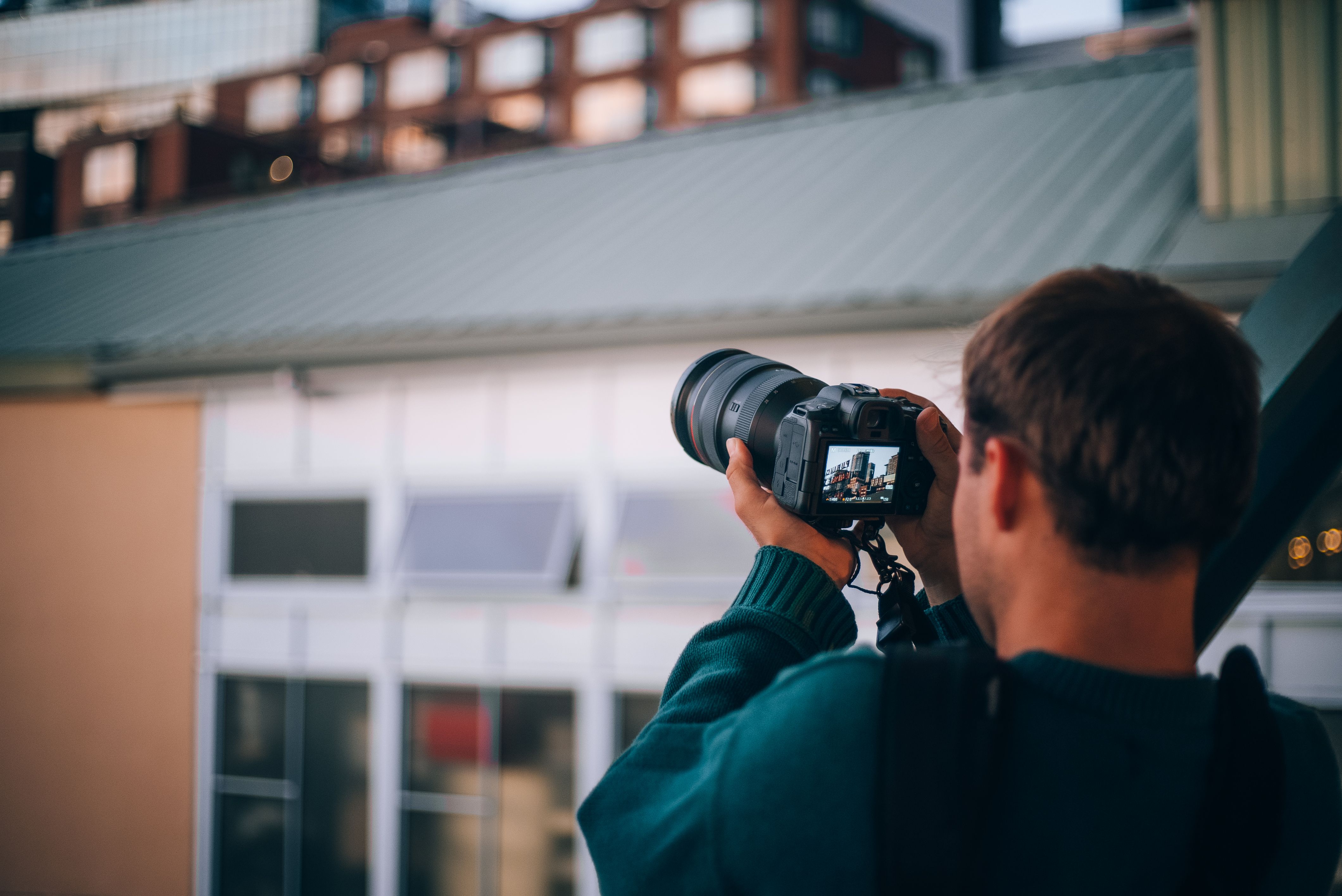
Preparing for Your First Safari Photography Trip
the short answer
master the gear you own
the mindset that changes everything
practise before you travel
ideas, not a rigid shot list
homework worth doing
the conversation before you travel
prepare yourself, not just the camera
the first morning, and how we set you up
The Short Answer
Learn Your Camera, Loosen Your Expectations
Preparing for a first Tanzania safari as a photographer: master the gear you own, arrive with an open mind, and brief your operator before you travel.
The preparation that actually decides how happy you'll be has almost nothing to do with buying gear. Before your first safari:
- Learn to use the camera you already own until it's automatic. Wildlife won't wait while you hunt through menus.
- Arrive ready to experience Tanzania, not to recreate someone else's photographs. Every safari is different — weather, animals and light all change.
- Practise at home: fast focus, moving subjects, changing light, adjusting settings without looking.
- Bring ideas, not a rigid shot list. The most memorable images are usually the ones nobody planned.
- Tell us before you travel that photography matters, and what you shoot — so we can brief your guide properly.
- Pack patience along with the camera. Early mornings, long days, and waiting are the rhythm of safari.
Good photography starts long before the first game drive. This page is about that head start — the preparation done at home and in the planning, before you ever reach the gate.
Master the Gear You Own
Confidence Beats a New Camera, Every Time
Before a Tanzania safari, learn the camera you already own rather than buying new gear. Wildlife won't wait while you search unfamiliar menus
The single most useful thing you can do before your safari costs nothing: spend less time worrying about buying new equipment, and more time learning to use the equipment you already own.
Knowing your camera without thinking about it is one of the biggest advantages you can bring into the field — bigger than a longer lens or a newer body. Here's why it matters so much on safari specifically: wildlife doesn't wait while you scroll through menus or experiment with settings you've never touched. The elephant turns, the light shifts, the moment passes — and the photographer still figuring out where their exposure compensation lives has already missed it.
Confidence with your camera frees you to concentrate on the animals rather than the controls. That's the whole prize.
We say this to guests who arrive convinced they need to buy something before they come. Usually they don't. The camera in the cupboard, genuinely mastered, will out-shoot the shiny new one you're still learning at the airport. Spend the pre-trip weeks with the gear you have, not the money you were about to spend.
The Mindset That Changes Everything
Arrive Curious, Not Chasing a Checklist
The best first-time safari photographers arrive curious rather than chasing a fixed shot list. Being present beats comparing every sighting to an online image.
If there's one thing we wish every photographer understood before arriving, it's this: the ones who enjoy themselves most don't come to recreate someone else's photographs. They come ready to experience Tanzania.
Every safari is genuinely different. Weather changes. Animals move. Light evolves hour to hour through the day. The photographers who thrive stay curious about what's actually in front of them, rather than measuring each sighting against an image they've already seen online — and quietly feeling let down when reality doesn't match a photo that took a professional two weeks to get.
You'll come home with better photographs if you're present in the moment instead of comparing constantly. That's not soft advice; it's practical. The photographer scanning for the shot they planned misses the unplanned one unfolding beside them.
This is the mindset half of preparation, and it matters as much as the technical half. A confident photographer with a rigid checklist can still have a frustrating trip. A confident photographer with an open mind almost never does. Arrive ready to be surprised — Tanzania obliges more often than not.
Practise Before You Travel
Your Local Park Is a Better Rehearsal Than You Think
Practising before a Tanzania safari pays off: rehearse fast focus, moving subjects and changing light at home so your camera feels automatic in the field.
You don't need to become an expert before your safari. You do need to feel genuinely comfortable with your camera — and comfort comes from practice, not from reading the manual on the plane.
Before you travel, spend real time rehearsing:
- Changing your basic settings quickly.
- Focusing fast on a subject.
- Photographing moving subjects — the hardest skill, and the most useful.
- Working in changing light.
- Operating the camera without constantly diving into the menus.
Your local park is a better rehearsal ground than it sounds. Dogs, ducks, cyclists, birds — anything that moves lets you practise tracking and fast focus, which is exactly what a running wildebeest or a bird lifting off will demand of you. The muscle memory you build at home transfers directly to the field.
The difference this makes is not subtle. A photographer who's rehearsed arrives able to react; one who hasn't spends the first days learning their camera on live wildlife — and live wildlife doesn't offer retakes. A few weekends of practice before you fly is some of the cheapest, highest-return preparation there is.
Ideas, Not a Rigid Shot List
Hope for Shots — Don't Script Them
A little planning helps on a Tanzania safari; a rigid shot list doesn't. Arrive with ideas rather than expectations — the best images are often unplanned
A little planning is helpful. A rigid checklist usually isn't.
It's perfectly reasonable to hope for photographs of elephants, lions or giraffes — of course you do, that's part of why you're coming. But nature doesn't work from a script, and a fixed shot list quietly sets you up to feel you've failed when the leopard doesn't appear on schedule or the lions sleep all afternoon.
So we encourage photographers to arrive with ideas rather than expectations. Ideas flex around what the day actually offers; expectations break against it. The photographer hoping for "great elephant images" adapts happily when Tarangire delivers them in their own way. The one demanding "the specific elephant shot I saw online" spends the morning disappointed in a genuinely wonderful sighting.
Some of the most memorable images any guest brings home are the ones nobody planned — the unexpected behaviour, the sudden light, the small animal that turned out to steal the trip. Keeping an open mind isn't just pleasant; it's the practical route to the strongest safari. Plan loosely, and let Tanzania fill in the rest.
Homework Worth Doing
A Little Research Helps; Memorising Everything Doesn't
Useful safari photography homework: learn the parks, common animals, wildlife behaviour and how light changes. Skip memorising every species — that's the guide
Some preparation genuinely pays off. Some is wasted effort. Here's the honest split.
Worth doing before you travel:
- Learning a little about the parks you'll visit, so you arrive with context.
- Becoming familiar with the common safari animals and birds you're likely to meet.
- Reading a bit about wildlife behaviour — knowing what an animal might do next helps you anticipate the shot.
- Understanding how different times of day affect the photography.
What isn't necessary is trying to memorise every species before you arrive. That's exactly what your guide is there for — a good one identifies, explains and anticipates in real time, so you don't have to carry a field guide in your head.
Curiosity matters more than expertise here. The guest who arrives genuinely interested and slightly informed gets far more from the guide than the one who either did no reading at all or exhausted themselves cramming Latin names they'll never use.
Do enough homework to arrive engaged and oriented. Leave the encyclopaedic knowledge to the professional sitting in the driver's seat — that's part of what you're paying for, and it frees you to concentrate on the photographs.
The Conversation Before You Travel
Brief Us, and We'll Brief Your Guide
Tell Safari-Tz before your trip that photography matters, what you shoot and your skill level, so we can brief your guide before the first game drive.
The more we know before your safari begins, the better we can shape it around you — and this is the piece of preparation only you can do.
It genuinely helps to tell us:
- Whether photography is one of your main priorities, or a happy extra.
- Whether you're drawn most to wildlife, birds or landscapes — they steer the days differently.
- Whether you're travelling with a long lens or specialist equipment.
- Your photography experience, honestly.
- Whether you're happy to wait for behaviour, or prefer a broader safari experience.
That conversation lets us brief your guide properly before you arrive — which parks get weighted, how the days are paced, when patience is likely to pay. As our photography safari pillar explains, a photography-minded trip is set up in the planning, not improvised on day one.
Good photography starts long before the first game drive. The guest who tells us "photography is the main reason I'm coming, I shoot birds, I've got a long lens, and I'm happy to wait" gets a materially different, better trip than the one who mentions it in passing when they land. Tell us early. It's the highest-leverage minute you'll spend preparing.
Prepare Yourself, Not Just the Camera
Early Starts, Long Days, and Patience as Equipment
Safari photography means early mornings, long rewarding days and patient waiting. Preparing your stamina and mindset matters as much as all your gear.
Safari photography isn't only about equipment. It asks something of you, too, and the photographers who enjoy it most have prepared for the rhythm as well as the camera.
Be ready for:
- Early mornings — the best light and activity come at dawn, which means genuinely early starts, day after day.
- Long but rewarding days in the field.
- Changing weather you'll work around rather than control.
- Sitting patiently while wildlife decides what it's going to do next — which is often nothing, for a while, before something worth the wait.
The guests who thrive embrace the rhythm of safari instead of fighting it. The ones who struggle are usually the ones who expected constant action and hadn't braced for the patient stretches between the highlights — the waiting that, as every page in this hub keeps saying, is exactly where the best images live.
Patience is one of the most valuable things you can pack, and it doesn't fit in a camera bag. Arrive expecting early alarms, unhurried hours, and the occasional slow morning that suddenly turns brilliant — and you'll be ready for the safari as it actually is, not the compressed version a highlight reel implies.
The First Morning, and How We Set You Up
How Fast It All Happens — and How to Be Ready
First-timers are often surprised by how fast wildlife appears on morning one. How preparation and a good operator brief get you ready before you land.
Here's what surprises most first-time photographers on morning one: how fast everything happens.
Within minutes of leaving camp, you may already be looking at elephants, giraffes, zebra and birds — all at once, all while you're still trying to settle your camera settings and wake up properly. It's exhilarating and slightly overwhelming, and it's precisely why the preparation on this page matters. The confident photographer rides that first-morning rush; the unprepared one spends it flustered, hunting for a setting while the giraffe walks off.
One guest arrived having spent several weekends practising at home. Another admitted they'd unpacked a brand-new camera only days before flying out. Both saw the same wildlife on the same drives. The difference was confidence — the practised guest spent the safari concentrating on composition, light and behaviour, while the other kept trying to remember where settings were hidden. Both went home with wonderful memories. Only one went home with a lot of photographs they were genuinely proud of. It had nothing to do with the camera and everything to do with knowing how to use it.
So prepare yourself, master your gear, keep an open mind, and tell us what you want before you travel. Do those four things and your first morning becomes the best kind of overwhelming. Tell us photography matters, and we'll have your guide ready before you land.
- Request a tailor-made quote (fastest, best for a real plan)
- WhatsApp: +255 740 666 662
- Email: info@safari-tz.com