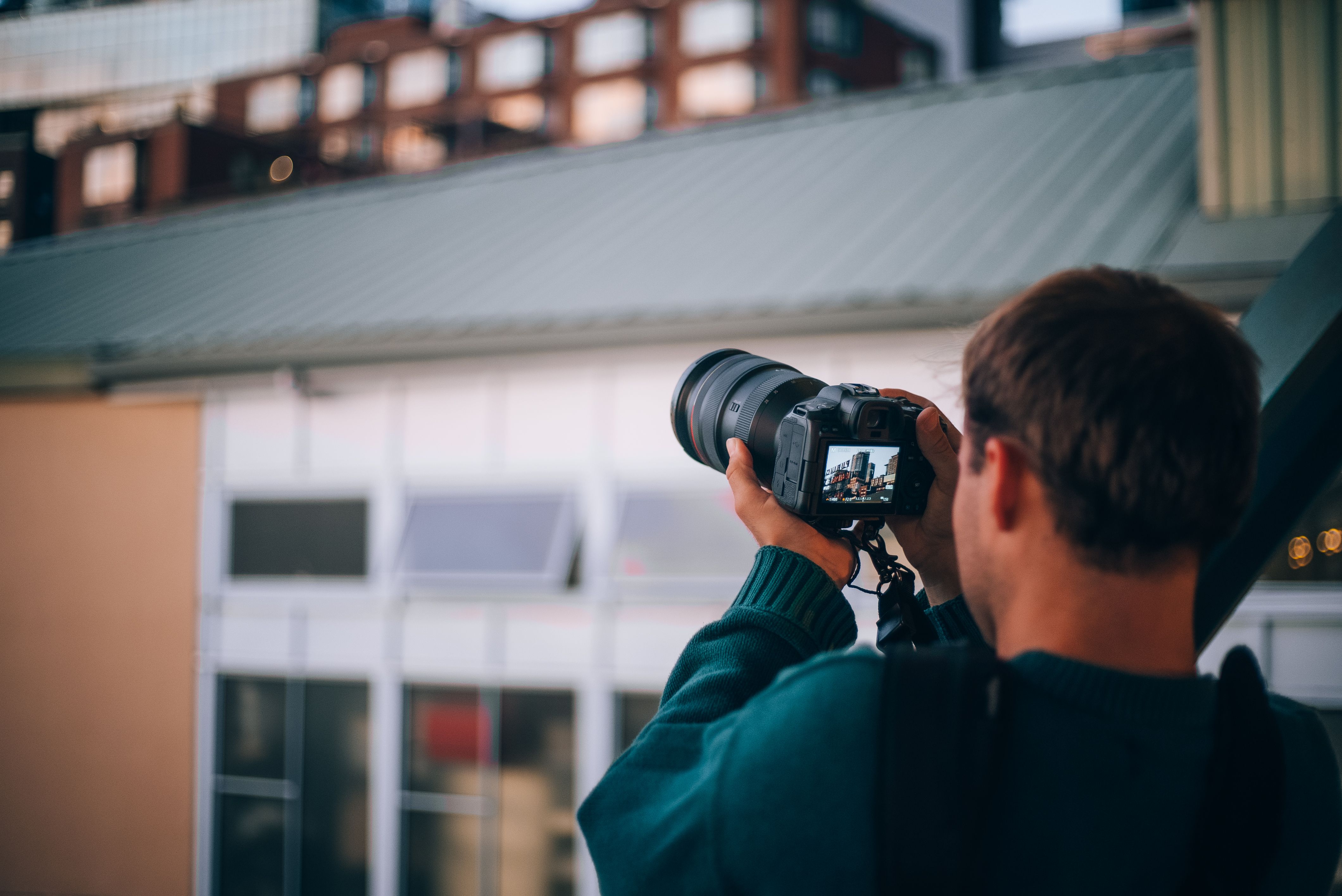
Protect Camera Gear From Dust on Safari in Tanzania
the short answer
how dusty it really gets
guides, habits and the padded bag
the lens-change problem
heat is a real risk too
cleaning gear in the field
sensor dust, batteries and electronics
should you insure your gear?
the habit that made the difference
The Short Answer
Manage the Dust — You Won't Avoid It
Dry-season dust is part of a Tanzania safari. Sensible daily habits, not perfect avoidance, keep gear working. The honest short answer.
In the dry season, dust is simply part of a Northern Tanzania safari. Your gear will collect a fine layer over a multi-day trip — that's normal, and with sensible care it causes most photographers no trouble at all. The goal isn't avoiding dust. It's managing it.
The habits that matter:
- Keep cameras in a padded bag or case during long drives between sightings, not exposed on a seat or dashboard.
- Avoid changing lenses while travelling on dusty roads — decide your lens before you leave camp, or wait for a less exposed spot.
- Keep gear out of direct sun; heat is as real a risk as dust.
- Clean loose dust gently each evening rather than letting it build up over days.
- Sensor dust is best prevented by avoiding lens changes in dusty conditions — and best dealt with at home if it happens.
None of this needs special equipment. It needs a routine. The guest who builds one spends the safari watching wildlife; the one who doesn't spends it cleaning. The rest of this page is that routine in detail.
How Dusty It Really Gets
Worst on Unsealed Park Roads in Convoy
Dry-season dust is part of a Tanzania safari. Sensible daily habits, not perfect avoidance, keep gear working. The honest short answer.
set honest expectations first, because the guests who arrive braced Let's for dust handle it easily and the ones who don't get a shock on day one.
During the dry season, dust is part of the experience. It varies day to day, but it's most noticeable on unsealed park roads during long game drives — and worst of all when several vehicles have already passed along the same track ahead of you, leaving a hanging cloud you drive straight into. That's a routine reality on the busier routes at peak times, not a rare event.Over a multi-day safari, your cameras, binoculars and bags will almost certainly collect a fine layer of dust. Completely normal. Modern equipment handles it far better than most guests fear. The good news is the honest one: with sensible daily care, most photographers have no problems at all. The dust is not the enemy — leaving your gear exposed and untended in it is. Everything that follows is about the small routines that turn an inevitable dusty environment into a non-issue for your images.
Guides, Habits and the Padded Bag
Mostly It Comes Down to Good Habits
Protecting camera gear on safari is about habit: storing cameras in padded bags during drives rather than leaving them exposed on seats.
Our guides do what they can to keep the drive comfortable, but the honest truth is that protecting your camera is mostly about your own habits, not anything the guide can do for you.The single most effective one: during the longer drives between sightings, keep your camera inside a padded bag or protective case rather than leaving it out on a seat or dashboard collecting everything the road throws up. It feels like a hassle at first — surely it's faster to leave it out? But when the next sighting appears, it's genuinely quicker to lift a clean, protected camera than to spend the stop wiping dust off exposed gear before you can even shoot.
That's the pattern across all of this: the small habit that feels like friction in the moment saves you time and worry over the whole trip. Simple routines make the biggest difference. A photographer who bags the camera between sightings for six days straight arrives home with clean gear and a full card. The one who leaves it out spends every stop cleaning before shooting — and misses the first minute of every sighting doing it.
The Lens-Change Problem
Avoid it on the road if you possibly can
Changing lenses on dusty Tanzania tracks invites sensor dust. Decide your lens before camp, wait for a clean spot, or carry two bodies.
Here's where a lot of avoidable trouble starts, so the advice is blunt: if you can avoid changing lenses while travelling on dusty roads, do.
Every time you open the camera in a dusty environment, you invite fine particles onto the sensor — the one problem that's genuinely annoying to fix in the field. So the practical workarounds our photographer guests use:
- Decide the lens you'll use before leaving camp, based on where you're headed and what you expect.
- If you must change, wait until you're somewhere less exposed — stopped in a clean spot, engine off, out of a passing vehicle's dust trail.
- If wildlife photography is a major focus, carry two bodies with different focal lengths, so you switch cameras instead of exposing a sensor on a dusty track.
Whatever your setup, the principle is the same: the less time your camera is open to the air, the better. That's not fussiness — it's the difference between a clean sensor and a dozen dust spots you'll be cloning out of every wide-aperture sky shot when you get home. The photographers who plan their focal length around the day's route rather than swapping constantly are the ones who never think about sensor dust at all.
Heat Is a Real Risk Too
Keep It Out of Direct Sun
The Tanzanian sun is intense. Leaving cameras in direct sunlight risks damage; keep gear shaded in the vehicle or bagged when not in use.
Dust gets all the attention, but the Tanzanian sun deserves equal respect — it's intense, and gear left baking in it can suffer. Leaving cameras, lenses or binoculars sitting in direct sunlight for extended periods is never a good idea. On a game drive that often means the exposed seat or the dashboard, where equipment can heat up considerably through a long midday stretch. The fix is simple: keep gear shaded inside the vehicle where you can, or stow it in a protective bag when it's not in use — which conveniently solves the dust problem at the same time.
This is good practice on any safari, in any season, not just the hot dry months. A camera bag left in a sunbeam through the pop-top is a camera bag getting hot for no reason.None of this is dramatic — modern equipment is robust — but the same padded bag that keeps dust off also keeps the worst of the heat off, which is why the store-it-between-sightings habit does double duty. One routine, two problems handled
Cleaning Gear in the Field
A Cloth, a Blower, and an Evening Routine
A lens cloth, a soft brush or blower and a protective bag are all most photographers need. Clean loose dust each evening, not once at the end.
You don't need a field cleaning kit worthy of a camera shop. Most guests find a few simple items cover everything:
- A lens cleaning cloth.
- A soft brush or blower for lifting loose dust.
- A protective camera bag.
The technique that matters more than the kit is timing: clean loose dust gently each evening rather than letting it accumulate across the whole trip. Five minutes at the lodge after the day's drive keeps things under control; six days of neglect turns into a proper job — and a scratched coating if you then rub hard at built-up grit.
Be realistic about what's possible where. On the road, there are naturally fewer chances for careful cleaning than you'd have at home, and a dusty, moving vehicle is the worst possible place to open anything up. So prevention beats cure at every turn: keep gear bagged during drives, clean the outside gently each evening, and save any detailed work for when you're home. That rhythm keeps your equipment working through the whole safari without ever making cleaning the thing you remember about the trip.
Sensor Dust, Batteries and Electronics
Prevent Sensor Dust; Don't Overthink the Rest
Sensor dust is best prevented by avoiding lens changes in dusty conditions; handle at home. Batteries and electronics rarely suffer with care.
Sensor dust is the worry photographers raise most, so let's put it in proportion. Rather than fretting about it every hour, reduce the odds at the source: avoid unnecessary lens changes in dusty conditions, and you avoid most sensor dust before it happens.
If dust does reach the sensor despite your best habits, it's usually easier and safer to deal with once you're home than to attempt detailed camera maintenance in a dusty vehicle or a lodge tent. Trying to wet-clean a sensor in the field often introduces more problems than it solves. The goal is sensible prevention, not perfection — a couple of dust spots are a minor edit at home, not a ruined trip.
As for batteries and electronics: modern gear is well suited to safari travel, and dust and warmth rarely become an actual problem when equipment is used sensibly and stored carefully between sightings. The real challenges are more mundane — remembering to recharge each night, and keeping things reasonably clean.
The honest one-line summary a guide might give you: carrying spare batteries is far more useful than worrying about the weather. Sort the boring logistics, keep the gear bagged, and the environment takes care of itself.
Should You Insure Your Gear?
Check Your Cover Before You Leave Home
Travelling with valuable camera gear? Understand what your travel insurance covers before your safari. Accidents happen on any trip, not just safari.
If you're bringing valuable photographic equipment, it's worth understanding what your travel insurance does and doesn't cover before you leave home — and we mean before, not from a lodge in the bush when something's already gone wrong.We'll be careful here: we're a safari operator, not an insurer or an insurance adviser, so we won't recommend a provider or a policy. What we will say from experience is simply this: accidents, loss and unexpected situations can happen on any international trip, not just on safari. A dropped lens, a bag left behind at an airport, a theft in transit — none of these are safari-specific, and all of them are easier to face with cover you understood before you travelled.
So we encourage guests carrying expensive camera gear to check their insurance arrangements ahead of time. It's a fifteen-minute job at home that lets you travel with far greater peace of mind — and it means that if the worst happens, you're dealing with a claim rather than a catastrophe. What your policy covers is between you and your insurer; that you've checked it is between you and a relaxed safari.
The Habit That Made the Difference
Two Photographers, Two Very Different Trips
One guest bagged their camera; another left it exposed. The difference in cleaning—and enjoyment—was obvious. Since 1991.
One safari showed the whole point of this page in two guests sitting in the same vehicle. The first carefully stored their camera whenever the vehicle was moving, taking it out only once the guide had stopped at a sighting. The second preferred to leave their camera out on the seat all day, exposed, ready — or so it seemed.By the end of the safari the difference was obvious. Neither camera was damaged — modern gear is tougher than that — but the guest with good habits spent far more of the trip enjoying wildlife and far less of it fussing with dust. The other spent every stop cleaning before they could shoot, and every evening catching up on a day's accumulated grime. That's the lesson in one image: small routines, repeated over several days in the field, decide how much of your safari is spent watching animals versus tending equipment. The dust is coming either way. What you control is whether it becomes a background fact or a daily chore. For what to actually bring, see our photography packing guidance; for how a photography-focused safari is planned and guided, our photography safari pillar covers the rest. Together they're the full picture: what to pack, how to protect it, and how to use it well once you're out there.
- Request a tailor-made quote (fastest, best for a real plan)
- WhatsApp: +255 740 666 662
- Email: info@safari-tz.com