Regular Safari vs Birding Safari in Tanzania
the short answer
what actually changes: the pace
less ground, more seen
the guide and the briefing change too
birds vs big cats in one vehicle
do birding days start earlier?
the parks that transform most
is there any walking?
cost, trade-offs and choosing your version
The Short Answer
Same Parks, Completely Different Day
The difference between a regular and a birding safari isn't the itinerary — it's the pace. The short operator answer before the detail
The biggest difference isn't the itinerary. It's the pace.
A dedicated birding safari is designed around observation rather than travelling between major wildlife sightings. Same parks, often the same roads — a very different day. In short:
- More frequent stops, and longer ones.
- More time at wetlands, woodlands and river edges — the habitats standard game drives pass through quickly.
- Greater attention to bird calls and behaviour, less emphasis on reaching the next big mammal sighting.
- Usually less ground covered, deliberately.
- Often the same private-safari pricing structure — the difference is in how the day is guided, not the vehicle.
Neither version is better. They're built for different guests. The rest of this page lays out exactly what changes, what it costs you in trade-offs, and how to decide which day you actually want.
What Actually Changes: The Pace
The Day Follows the Birds, Not the Mammal Map
On a birding safari the day follows bird activity: frequent stops, wetland time, attention to calls — not the race to the next predator sighting.
On a standard game drive, the day is loosely organised around mammals: where the lions were reported this morning, which crossing point the elephants favour, whether the migration is within reach. The vehicle moves with purpose between those anchors.
A birding day abandons that structure. It follows wherever the birds are most active — which changes hour by hour and habitat by habitat.
In practice that means the vehicle stops far more often, and stays stopped longer. A patch of reeds that a standard drive passes in eight seconds might hold a birding vehicle for twenty minutes. The guide is listening as much as looking; a call from the woodland canopy redirects the route in a way no mammal sighting board ever would.
Guests who've done both tell us the strangest part is how the same park feels like two different places. The destination hasn't changed. The way you move through it has — and that turns out to be most of what a safari actually is.
Less Ground, More Seen
Usually Yes — And That's the Point
Birding safaris usually cover less distance, exploring a smaller area carefully. Why quality of observation beats kilometres for birdwatchers.
Usually, yes — a birding safari covers less ground. Birdwatching rewards patience, and rather than driving long distances toward the next predator report, a birding day often works a smaller area thoroughly, moving between the habitats packed inside it.
Many guests are genuinely surprised by how much diversity exists without travelling far. A single stretch holding a lakeshore, a marsh edge and a band of acacia woodland can occupy a birding vehicle all morning, with the species list growing the whole time.
One moment captures this better than any explanation. On a standard drive, movement in the reeds is something you note while continuing toward the next lion sighting. On one of our bird-focused safaris, the guide suggested stopping for a closer look instead. That brief pause became one of the highlights of the day — several brilliantly coloured species feeding and interacting along the water's edge, at leisure, metres from the vehicle. One guest said afterwards it was exactly the kind of moment they'd travelled to Tanzania for, and one most vehicles would have driven straight past.
The goal isn't to see more kilometres. It's to notice more wildlife
The Guide and the Briefing Change Too
Matched Guiding, and a Different Conversation Before Day
How Safari-TZ matches birding guests with birding-competent guides, and how the pre-safari briefing changes when birds lead the trip.
Whenever possible, we match guests with guides whose experience suits the safari they've booked. For a birding trip, that means a birding-competent guide: someone comfortable identifying a wide variety of species by sight and behaviour, who understands how different habitats work, and — this matters more than people expect — who genuinely enjoys sharing that knowledge for hours at a stretch. Enthusiasm can't be faked across a ten-hour day.
The pre-safari briefing changes as well. Instead of centring on the Big Five or migration timing, the conversation covers your birding goals, photography interests and any particular species you're hoping to see. That briefing shapes real decisions: which habitats get the morning hours, where patience is most likely to pay off, how the day flexes if activity is high somewhere unexpected.
This is why we ask birdwatchers to identify themselves before the trip, not on day two. Matching the right guide to the right guest is done in the planning stage. By the time you're in the vehicle, it's already decided.
Birds vs Big Cats in One Vehicle
The Twenty-Minute Kingfisher Problem
When one guest wants birds and others want lions, someone compromises. Why Safari-TZ recommends private safaris for keen birdwatchers
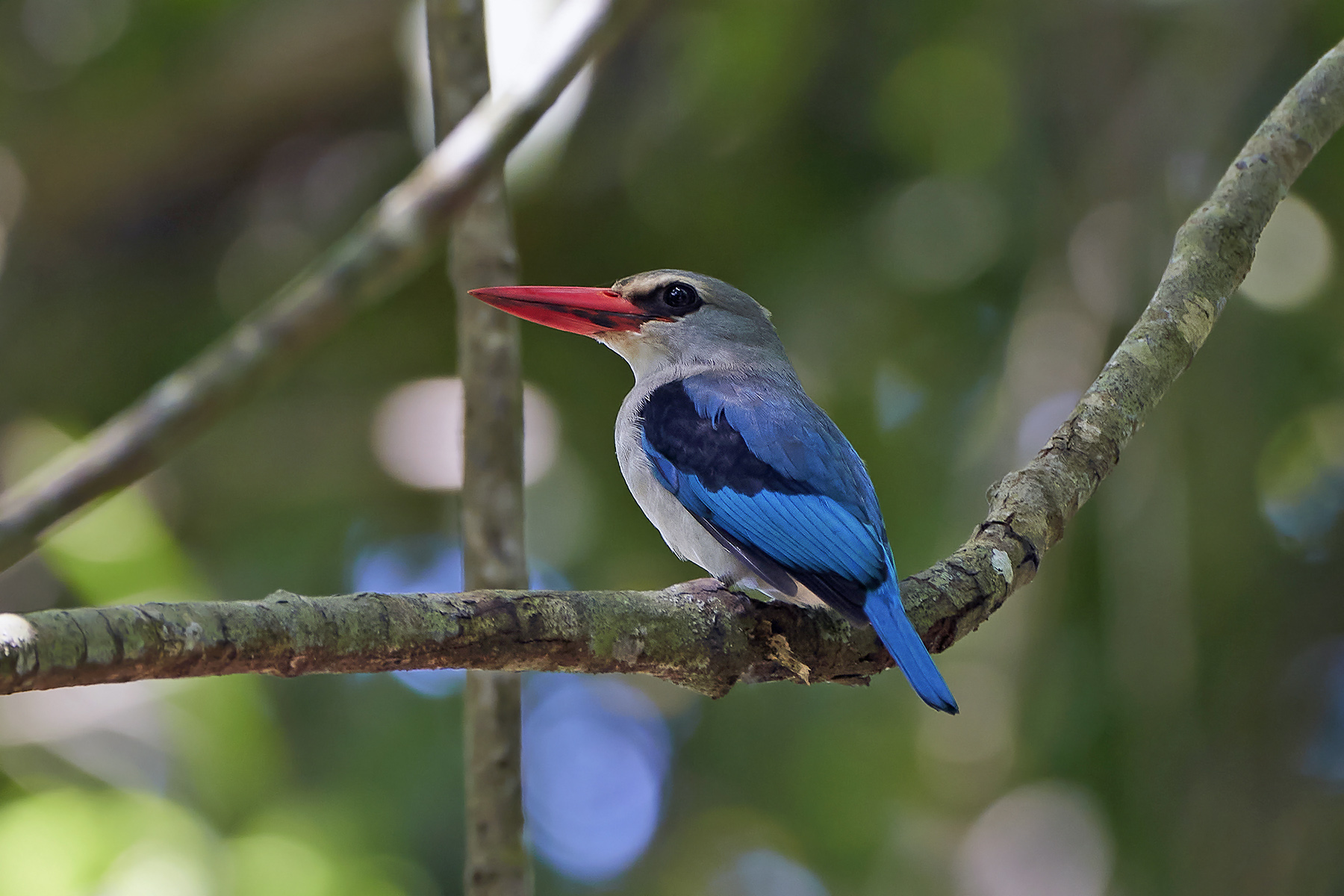
Here's the honest tension: on a shared safari, guides balance everyone's interests. If one guest wants to spend twenty minutes watching a kingfisher while three others are eager to keep searching for lions, compromises get made — and the birder usually makes most of them.
Nobody's at fault. It's simply what shared vehicles are. A good guide manages the balance gracefully, but managing a compromise is not the same as removing it.
This is one of the main reasons we recommend private safaris for keen birdwatchers. A private vehicle removes the pressure entirely. The day gets planned around your interests — birds, mammals, photography, or all three in whatever proportion suits you. The kingfisher gets its twenty minutes. If a lion appears, you can give it an hour. Nobody in the vehicle is quietly checking their watch on your behalf.
If you're travelling with companions whose interests differ from yours, tell us during planning. Structuring the days so everyone gets their version of the trip is a design problem, and it's ours to solve — before departure, not in the vehicle.
Do Birding Days Start Earlier?
Sometimes — But That's Not the Real Difference
Early mornings are peak bird activity, but standard safaris start early too. The real birding difference is the willingness to stop and wait
Sometimes, yes. Early morning is often one of the most active periods for birdlife, and keen birdwatchers appreciate being out as early as practical.
But here's the myth worth correcting: standard wildlife safaris also start early, for the same underlying reason — dawn is when the bush is busiest, for mammals and birds alike. If you pictured birders creeping out in darkness while regular safari guests sleep in, that's not really how the mornings differ.
The genuine difference isn't the departure time. It's what happens once the safari begins. A birding safari is more willing to stop, wait and observe. The first hour of a standard drive is often spent covering ground toward where the cats were last seen; the first hour of a birding drive might happen entirely within sight of camp, because the birdlife at the edge of the trees is already worth the attention.
Both vehicles left at the same time. One of them has already had its best sighting of the morning.
The Parks That Transform Most
Manyara and Arusha NP Become Different Places
Lake Manyara and Arusha National Park change most when birding leads: forests, wetlands and lakeshores explored slowly instead of driven through.
Some parks naturally lend themselves to slower exploration, and these are where the birding-safari version differs most from the standard one.
Lake Manyara National Park is our clearest example. A standard safari drives through many of its habitats while looking for mammals — through the groundwater forest, past the lakeshore, onward. A dedicated birding safari treats those same places as destinations: extended time in the forest, unhurried stretches along the wetlands and shoreline where the bird activity rewards every extra minute.
Arusha National Park is the other transformation. Explored with birdwatching as the primary focus, the Momella Lakes area becomes a full, rich day rather than a brief circuit — which is exactly why it features so prominently across our birding pages.
The pattern: parks with dense, varied habitats close together reward slowness. Parks built around long sightlines and big distances reward coverage. A good birding itinerary weights your days toward the first kind — and that weighting is a planning decision made before you travel, not an improvisation on the day.
Is There Any Walking?
Where Regulations Allow — And Only Where It Adds Value
Most Tanzania birding stays vehicle-based, but guided walking is possible where parks permit it, such as Arusha National Park. The honest picture.
Where national park regulations allow it, birdwatching can be enhanced by guided walking — and on foot, the birding changes character entirely. You hear more, you move at bird speed, and species that flush from a vehicle often tolerate a quiet walker.
Arusha National Park is the clearest example on our routes: walking activities there can complement vehicle-based viewing, always under the supervision of authorised guides and park rangers. That supervision isn't a formality — it's the condition that makes walking in a park with wild animals possible at all.
The honest bigger picture: most birding safaris remain primarily vehicle-based, because many of Tanzania's national parks restrict walking for sound safety and conservation reasons. The vehicle is also, genuinely, an excellent hide — birds tolerate a stationary vehicle far better than a visible human shape.
Our rule is simple: we recommend walking experiences only where they're permitted and where they genuinely add value to your itinerary. If a walk makes your trip better, we'll build it in. If it's just a box to tick, we'll say so.
Cost, Trade-Offs and Choosing Your Version
Not Necessarily — But Every Safari Involves Choices
Birding safaris often follow standard private-safari pricing. The real cost is the trade-off: fewer big-cat hours for richer habitat time.
Does the birding version cost more? Not necessarily. In many cases a dedicated birding safari follows the same private-safari pricing structure as a traditional wildlife safari — the difference lives in how the day is guided, not in the vehicle. If you want a particularly specialised birding itinerary or guiding, we'll discuss that openly at the planning stage so expectations are clear from the start.
The real cost is the trade-off, and we'd rather you hear it from us: a birding safari may spend less time searching for lions and cheetahs, because the focus shifts to wetlands, forests and smaller habitats. You may visit fewer locations in a day, because you're spending real time in each one.
For enthusiastic birdwatchers, that is precisely the point. For a first-timer whose heart is set on big cats, it may be the wrong trade — in which case the combined approach on our big-game-plus-birding page is probably your answer instead.
Tell us which version of the day you want. We've been building both since 1991.
- Request a tailor-made quote (fastest, best for a real plan)
- WhatsApp: +255 740 666 662
- Email: info@safari-tz.com