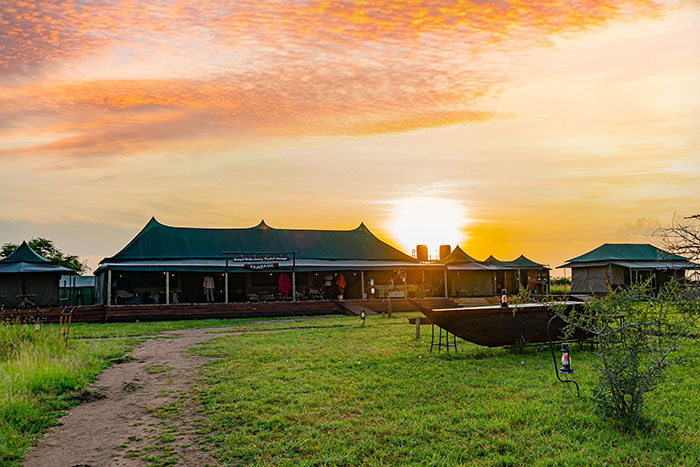
Are Tanzania Safari Camps Safe?
the short answer
fenced vs unfenced
the escort rule
wildlife in camp
how camps stay safe
lodges safer than camps?
security & valuables
booking a genuine camp
how we approach it + talk
The Short Answer
Yes, With Simple Procedures
Yes, safari camps and lodges in Tanzania are very safe with reputable operators and the simple procedures your guide and staff explain.
One of the first questions many travellers ask is: "Is it actually safe to stay in the middle of the African bush?" The honest answer is yes. Safari camps and lodges in Tanzania are very safe when you stay with reputable operators and follow the simple safety procedures explained by your guide and camp staff.
Thousands of visitors stay in Tanzania's national parks every year without incident. The key is understanding that you're entering the animals' home, not the other way around.
Fenced vs Unfenced
Wildlife Moves Freely
Many safari camps aren't fenced. Parks are designed so wildlife moves naturally; camps work safely within that environment rather than blocking it with fences
One thing surprises almost every first-time visitor: many safari camps are not fenced, and that's deliberate. National parks are designed so wildlife can move naturally through the landscape, an elephant doesn't know where a camp begins, and neither does a giraffe, zebra or antelope.
Rather than trying to block wildlife with fences, reputable camps are designed to work safely within the natural environment. This isn't unusual, it's part of the authentic safari experience. Some lodges are fenced or partially fenced, while many wilderness camps remain completely open. Both can be very safe when properly managed.
The Escort Rule
The One Rule to Remember
If you remember one thing: never walk an unfenced camp alone after dark. Always ask for an escort, an askari will guide you safely with a torch.
If you remember only one piece of advice, let it be this: never walk around an unfenced safari camp alone after dark. At almost every unfenced camp the routine is simple, when you're ready to return to your tent after dinner, let a member of staff know.
A trained staff member, often called an askari or camp escort, will walk with you. You'll probably hear "escort to Tent 6, please", and it's completely normal. The escort carries a torch, understands the surroundings and knows how to respond if wildlife is nearby. The walk usually lasts a minute or two, and guests often find it becomes one of the memorable little rituals of safari life.
Wildlife in Camp
Usually Calm, Simple Rules
since many camps are unfenced, animals like elephants, buffalo, and warthogs may pass through. It’s usually calm,keep tents zipped, follow staff, and don’t feed
Because many camps are unfenced, animals sometimes wander through, depending where you stay you might see elephants, buffalo, warthogs, impala, giraffes, monkeys or hippos returning from grazing at night. It sounds dramatic, but in reality it's usually calm, animals simply pass through without paying much attention to the camp.
Your role is equally simple.
- Do: keep your tent zipped, follow staff instructions, wait for an escort after dark, observe wildlife from a safe distance.
- Don't: approach animals, feed wildlife, leave food outside your room, or wander around alone at night.
These aren't difficult rules, and they're the reason safari camps operate safely year after year.
How Camps Stay Safe
Experience, Not Luck
Best camps rely on procedure: arrival safety briefings, experienced staff, trained night escorts, radios, emergency plans, lit pathways and askari at camps
Good safari camps don't rely on luck, they rely on experience and well-established procedures. Most reputable camps provide:
- Safety briefings on arrival
- Experienced camp staff and trained night escorts
- Radios for communication and emergency procedures
- Well-marked guest pathways and appropriate lighting around shared areas
- Askari (guards) at many camps
Your driver-guide and camp staff work together so guests understand exactly how everything operates. Once you've settled in, the routines quickly become second nature.
Lodges Safer Than Camps?
A Feeling, Not the Facts
A common misconception is that lodges are safer than camps. Both are safe with reputable operators—the difference is comfort and feel, not real risk.
Not necessarily, and this is one of the biggest misconceptions. A lodge's stone walls may feel more familiar than canvas, which reassures some travellers psychologically, but in practice reputable tented camps are also very safe.
The real difference is the feeling. Lodges often feel more enclosed, hotel-like and familiar; tented camps feel closer to nature, more immersive and more connected to the sounds of the bush. Both can offer excellent safety standards, choosing between them is usually about atmosphere rather than actual security. Our lodge vs tented camp guide compares them in full.
Security & Valuables
Straightforward in Remote Areas
Away from wildlife, security is straightforward. Camps see little crime. Most have safes and lockable rooms,keep valuables secure and carry only essentials.
Away from the wildlife, everyday security is generally straightforward. Remote safari camps experience very little opportunistic crime compared with busy towns or cities. Most lodges and camps also provide lockable rooms or tents, safes in many properties, and secure luggage storage.
As with travel anywhere, it's sensible to keep passports secure, avoid leaving valuables unattended, and carry only what you need each day. Normal travel common sense is all that's required, our Tanzania safety guide covers town and city safety in more detail.
Booking a Genuine Camp
Safety Starts at Booking
Safety starts before you arrive: book through a reputable operator, confirm the lodge or camp is established, registered, and consistently well-reviewed.
One of the best ways to stay safe starts long before you arrive, book through a reputable safari operator. Before confirming, check that:
- The accommodation is a genuine, established property
- The operator is properly registered
- Reviews are consistently positive
- Your itinerary clearly identifies where you'll stay
If a deal seems dramatically cheaper than similar safaris, ask why, unusually low prices sometimes reflect compromises you don't immediately see. Our guides on choosing a safari operator and safari red flags explain what to look for.
How We Approach It + Talk
Safety Before Everything
Guest safety comes first. We choose trusted accommodation partners and brief you on camps, night escorts, and wildlife etiquette before travel.
Guest safety comes before everything else. We carefully select accommodation partners that maintain professional operating standards and clear safety procedures. Before your safari begins, we'll explain what to expect at camps and lodges, how night escorts work, wildlife etiquette and simple camp safety rules, and your driver-guide will answer any questions throughout.
Many first-time visitors arrive feeling nervous about staying in the bush. Most leave saying it became one of the most memorable parts of the entire journey.
A real example: a couple from the US were initially nervous about two nights in an unfenced Serengeti tented camp. On their first evening, an elephant quietly walked through the edge of camp while guests watched from a safe distance with the staff. Later that night, an askari escorted them back to their tent and explained how the camp's safety procedures worked. The next morning they said the experience had completely changed their perception of staying in the bush, what had sounded intimidating beforehand became one of their favourite memories, because they understood the routines and felt well looked after.
- Request a tailor-made quote (fastest, best for a real plan)
- WhatsApp: +255 740 666 662
- Email: info@safari-tz.com