Can You See Chimpanzees in Tanzania?
the short answer
where they are
what a trek is
will you see them?
how it fits a trip
who it suits
conservation
more than chimps
plan it with us + talk
The Short Answer
Yes, in the Far West
Yes, Tanzania has wild chimpanzees in Gombe and Mahale on Lake Tanganyika. They're remote, far from the main safari circuit, and the trekking is genuinely wild.
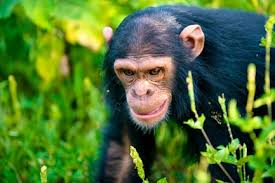
Yes. Tanzania has wild, free-ranging chimpanzees, and you can trek to see them. They live in the forests of two national parks on the eastern shore of Lake Tanganyika, in the country's far west: Gombe and Mahale.
Two things to understand from the start. First, these parks are remote, a long way from the classic northern safari circuit of the Serengeti and Ngorongoro. Second, this is genuinely wild trekking in steep forest, not a zoo or sanctuary. The chimps are truly wild, which is exactly what makes seeing them extraordinary, and why it takes real effort to reach them.
Where They Are
Gombe and Mahale
Tanzania's chimps live in Gombe and Mahale Mountains national parks on Lake Tanganyika. Gombe is small and famous; Mahale is larger, wilder, and more remote.
Tanzania's wild chimpanzees are found in two national parks, both on the shore of Lake Tanganyika:
- Gombe (Gombe Stream National Park), a small park north of Kigoma, famous as the site of Jane Goodall's long-running chimpanzee research
- Mahale (Mahale Mountains National Park), a larger, wilder park further south, where forested mountains rise straight from the lake
These aren't near the northern safari parks, they're in western Tanzania, reached via Kigoma on Lake Tanganyika. Getting there is part of the story, and we cover it in our guide on reaching the chimp parks. Our Gombe-versus-Mahale guide compares the two in depth.
What a Trek Is
Following Them Through Forest
Chimp trekking means hiking into the forest with guides to find a wild community up steep, humid slopes. Once found, you spend a limited, regulated time nearby.
Chimpanzee trekking means walking into the forest with guides and trackers to find a wild chimp community. Because the chimps move freely, this can be short or it can be a steep, sweaty climb through humid, root-tangled forest, they don't wait in one place for visitors.
When the group is found, you spend a limited, regulated period of time with them before heading back. It's controlled for the chimps' welfare as much as yours. This is the honest heart of it: real forest, real effort, real wild animals, not a guaranteed, sit-and-watch experience. Our guide on what a trek is really like walks through a typical day.
Will You See Them?
Usually, but Never Guaranteed
Wild chimps aren't guaranteed; they roam, and the forest is dense. Tracked daily, sightings are common, but honest operators never promise them. Expectation mat
Here's where we stay honest rather than sell you a certainty. The chimp communities visited on treks are habituated to human presence and tracked, so sightings are common. But these are wild animals in dense forest, and no responsible operator guarantees them.
Some days the chimps are close and active; other days they're higher up the mountain or moving fast, and the trek is harder. We'd rather you arrive understanding that than expecting a zoo. In our experience, travellers who come for the wild forest experience, not just a tick-box photo, come away thrilled regardless of how any single trek unfolds.
How It Fits a Trip
A Remote Add-On, Not a Day Trip
Chimp trekking is a remote western Tanzania experience, not a quick safari add-on. It takes time to reach and belongs as part of a longer trip.
Because Gombe and Mahale sit in the far west, chimp trekking isn't a casual add-on to a Serengeti safari, it's a deliberate part of a longer, more adventurous itinerary. Reaching the parks takes real travel time, and Mahale in particular is somewhere you commit to, not somewhere you drop into for an afternoon.
For the right traveller, that remoteness is the appeal. Pairing chimps with a classic northern safari, or with time on Lake Tanganyika, makes for one of Tanzania's most rewarding and unusual trips. Our guide on combining chimps with a safari covers how to structure it.
Who It Suits
Adventurous, Not First-Timers-Only
Chimp trekking suits travellers wanting a wild, active experience. It requires fitness for steep forests and valuing remote wilderness over convenience&guarante
Chimp trekking tends to suit travellers who want something wilder and more active than a vehicle-based safari, who are reasonably comfortable on their feet for steep, humid forest walking, and who value a remote, uncommon experience over convenience.
It's less suited to anyone wanting a guaranteed, effortless sighting or a quick add-on between other plans. There's no shame in that, it's simply a different kind of trip. Our guide on fitness for chimp trekking sets honest expectations about the walking involved.
Conservation
Protecting Wild Communities
Chimp trekking is tightly regulated with limited groups and viewing times because wild chimps are vulnerable to human diseases. The rules protect them.
Chimp trekking is deliberately regulated, and it's worth understanding why. Wild chimpanzees are a protected and vulnerable species, and because they're so closely related to us, they can catch human illnesses. That's why visits involve limited group sizes, set time with the animals, and rules about keeping your distance.
These rules can feel strict in the moment, but they exist to protect the very communities you've travelled so far to see. Gombe's long association with Jane Goodall's research is part of why chimp conservation in Tanzania is taken so seriously. Choosing to trek responsibly supports that.
More Than Chimps
Forest, Lake and Solitude
A chimp trip is more than the chimps: the forests hold other primates and birds, and Lake Tanganyika itself, vast and remote, is a major highlight.
A trip to Gombe or Mahale offers more than the chimps themselves. The forests are alive with other primates and birdlife, and Lake Tanganyika, one of the world's great lakes, is a genuine highlight in its own right: vast, clear and strikingly remote.
Part of what makes these parks special is how few people reach them. After the relative busyness of the northern circuit, the solitude of the western forests and lakeshore is something travellers remember. Our guide on what else you'll see covers the wider wildlife.
Plan It With Us + Talk
A Trip Worth Getting Right
Chimp trekking is remote and requires real planning. Tell us what you are after, and we will build an honest, well-structured western Tanzania trip around it.
Because chimp trekking is remote and logistically involved, it's exactly the kind of trip where a Tanzania-based operator earns its keep. We'll be honest about what's realistic, structure the travel so it flows, and pair the chimps with the rest of your trip sensibly rather than cramming it in.
A real example: a traveller once contacted us wanting to "add chimps" to a short northern safari, assuming it was a quick side trip. Once we explained where Gombe and Mahale actually are and what reaching them involves, they reshaped their plans into a longer, deliberate trip that included the west properly. Afterwards they said it became the most memorable part of the whole holiday, precisely because it was so wild and so far from everywhere else. That's the kind of honest planning we'd rather do than sell you a rushed version that disappoints.
- Request a tailor-made quote (fastest, best for a real plan)
- WhatsApp: +255 740 666 662
- Email: info@safari-tz.com