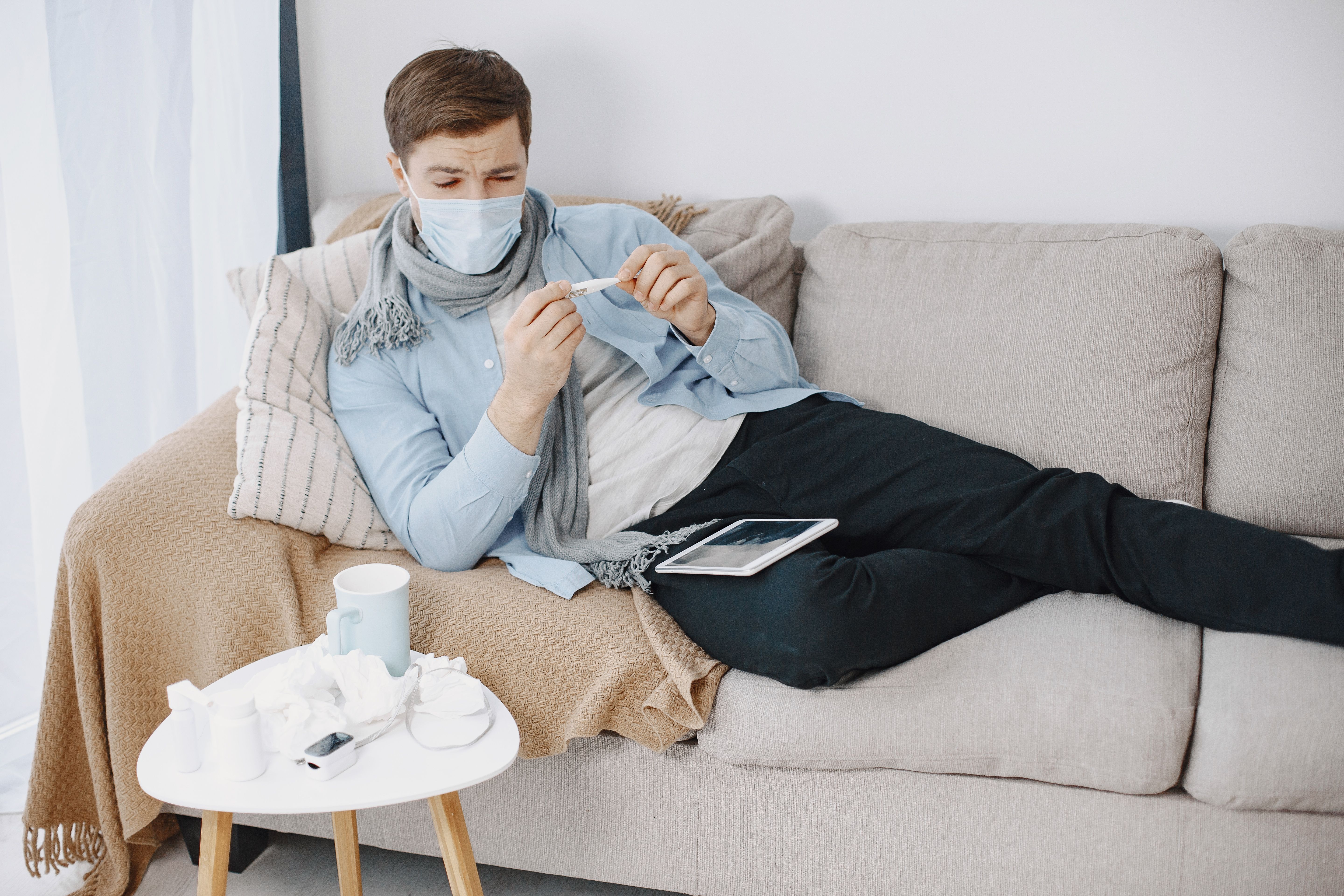
What If You Get Sick on Safari?
the short answer
guides respond
what camps do
getting to care
why insurance matters
prevention first
see your doctor first
the remoteness reality
how we handle it + talk
The Short Answer
It's Handled, and Preparation Helps
Worried about falling ill on safari? It's a common concern. Guides are trained to respond and help you reach care, but remote areas require preparation.
It's one of the most common worries we hear before a safari, and a completely understandable one. The honest answer is reassuring: if you feel unwell on safari, your guides are trained to respond and help you reach appropriate care, and lodges and camps have procedures in place.
At the same time, safari areas are remote, so preparation before your trip matters more than it would on a city holiday. This guide explains how illness is handled in the field, and how to prepare, but for anything medical, your own doctor is always the right person to advise you.
Guides Respond
First Responders, Not Doctors
Safari guides carry a first-aid kit and are trained in first response. Their role is to help you and coordinate care, not to act as doctors.
If you feel unwell, you're not on your own. Experienced safari guides carry a first-aid kit and are trained in first response, so they know how to react calmly and help if a guest becomes ill during the trip.
It's important to understand their role clearly. A guide's job is to help you, keep you as comfortable as possible, stay in communication, and coordinate getting you to appropriate care when needed. They are first responders, not doctors, decisions about diagnosis, medication and treatment are always left to medical professionals.
What Camps Do
Procedures and Communication
Lodges and camps deal with unwell guests more often than visitors expect. They have procedures, communication links, and ways to arrange help.
Lodges and safari camps deal with unwell guests more often than most visitors expect, and they have procedures in place for it. While facilities vary from one property to another, camps generally have ways to communicate for assistance and established procedures for helping a guest who isn't feeling well.
Rather than leaving anyone to simply cope alone, the camp and your guiding team work together to keep you comfortable and coordinate the next steps. Our guide to healthcare on a Tanzania safari explains what medical access looks like in more detail.
Getting to Care
Coordinated, Not Improvised
From a remote camp, reaching care may mean a road transfer or a coordinated evacuation. It's organised, not improvised, by guides and camps.
This depends heavily on where you are, since safari camps range from relatively accessible to genuinely remote. In practical terms, reaching medical care can mean a road transfer to a nearer facility or, in more serious situations, a coordinated evacuation arranged through the appropriate services.
The key point is that this is organised rather than improvised. Your guiding team and camp coordinate the appropriate response rather than leaving you to work it out alone. Because the specifics vary so much by location, we don't quote fixed times or distances, what matters is that a response is arranged based on your situation. Our healthcare-on-safari guide covers medical access and facilities.
Why Insurance Matters
Non-Negotiable for Safari
Given how remote safari areas are, comprehensive travel insurance, including medical and evacuation cover, isn't optional. It's vital to arrange before you trav
Given how remote many safari areas are, comprehensive travel insurance is essential, we'd treat it as non-negotiable rather than optional. In particular, cover that includes medical treatment and emergency evacuation matters a great deal in an environment far from major hospitals.
We always encourage travellers to arrange appropriate insurance before their trip and to understand what their policy covers. It's one of the simplest and most important steps you can take to travel with peace of mind. Choosing a suitable policy is a personal decision, so it's worth reviewing the details carefully or seeking advice when needed.
Prevention First
Reduce the Risk First
The best way to deal with illness on safari is to reduce the chance of it. Our staying-healthy guide fully covers food, water, hygiene, and bite prevention.
The best way to deal with getting sick on safari is to reduce the chances of it happening in the first place. Sensible habits around food and water, good hygiene and reducing insect bites all make a genuine difference to how most trips go.
Rather than repeat all of that here, we've covered it thoroughly in a dedicated guide. If you're preparing for a safari, our guide on how to avoid getting sick in Tanzania is the best place to start, it focuses entirely on prevention.
See Your Doctor First
The Medical Questions Go Here
Any question about medication, kits, vaccines, or existing conditions belongs with your doctor before you go. Those are medical decisions we can't advise on.
Any question about medication, a personal medical kit, vaccinations or existing health conditions should be discussed with your own doctor and a travel health clinic before you travel. They can advise you based on your personal medical history and your specific itinerary.
We're happy to help with the practical side of your trip, but medical decisions belong with qualified healthcare professionals, not a tour operator. Planning these conversations well before departure is one of the most responsible things you can do as a traveller.
The Remoteness Reality
Part of the Magic, and the Reason to Prepare
Much of the safari experience is being deep in wild, remote places, far from towns and hospitals. That's the magic, and why insurance matters so much.
Part of what makes a safari extraordinary is being deep in wild, remote areas, far from busy towns and, inevitably, far from major hospitals. That remoteness is part of the magic. It's also the honest reason preparation matters so much.
We'd rather set realistic expectations than pretend a safari camp is like a city hotel with a clinic around the corner. When travellers understand the environment and prepare properly, including sorting insurance and any medical questions in advance, they're free to relax and enjoy the experience with confidence.
How We Handle It + Talk
We Help, and We're Honest
If a guest feels unwell, our guides and crew respond to keep you comfortable and coordinate care. Clinical decisions belong with professionals.
If a guest feels unwell during a safari, our guides and crew respond, help keep them comfortable and coordinate getting them to appropriate care when needed. We stay in communication throughout and support travellers through the practical side of the situation.
We're also honest about our role. We're a safari operator, not a medical provider, so clinical decisions are always left to medical professionals. What we can promise is that you won't be left to face it alone, we'll help with the practical response and do everything reasonable to support you.
A real example: a guest once began feeling unwell during a safari. Their guide responded calmly, helped keep them comfortable, stayed in communication and coordinated the practical steps needed to get them appropriate care. The guest later said that what reassured them most wasn't just the response itself, but knowing from the start that the team was prepared and that they weren't on their own in a remote place. That's exactly why we encourage every traveller to prepare properly before the trip, arrange good insurance, speak with a doctor about any medical questions, and follow sensible prevention advice, so that if anything does happen, everything is already in place to handle it well.
- Request a tailor-made quote (fastest, best for a real plan)
- WhatsApp: +255 740 666 662
- Email: info@safari-tz.com