What Makes a Good Safari Vehicle?
the short answer
reliability first
real visibility
comforts that matter
the roof, done well
condition & cleanliness
the guide too
the checklist
how we measure up + talk
The Short Answer
More Than the Roof
A pop-up roof and window seats are just the start. Reliability, charging, a cool box, and maintenance separate quality vehicles from cheap ones.
A good safari vehicle starts with the obvious, a purpose-built 4x4, a pop-up roof and a window seat for every guest. But those are the entry requirements, not the finish line. What really separates a good vehicle from a cheap one is the stuff you don't notice in a photo: whether it's reliable, whether every seat truly sees out, and whether the small comforts that matter over long days are there.
This is a practical checklist for exactly what to look for, and what to ask, before you book.
Reliability First
A Breakdown Costs You Hours
The most important feature is a reliable, well-maintained vehicle. A breakdown deep in the park can cost you hours of a game drive you've paid for.
The most important feature isn't exciting, it's reliability. A well-maintained, properly serviced vehicle is worth more than any add-on, because a breakdown deep inside a park is a real problem. You could be a long way from the nearest gate, and time lost to a mechanical failure is time lost from a game drive you've already paid for.
Serious operators invest in maintaining their fleets precisely because they know the cost of a breakdown isn't just inconvenience, it's a chunk of your safari gone. It's the least visible thing on this list and the one that matters most.
Real Visibility
Can Everyone Actually See?
A great vehicle ensures every seat has an unobstructed view and large windows. Poor visibility is a common flaw in cheaper vehicles.
A good safari vehicle is designed so every seat has a genuine view, large windows, a sensible layout, and enough space that no one is blocked by the person beside them. It sounds basic, but poor visibility from some seats is a common flaw in cheaper or overloaded vehicles.
This connects directly to seating and loading: a window seat is only useful if the window actually gives you a clear view and there's room to move to the roof when it counts. Our guide on why every seat should be a window seat goes deeper on that point.
Comforts That Matter
Charging, Cool Box, Space
Charging ports, a cool box, and room to stretch aren't luxuries—they're practical essentials for a long safari day.
Over long days in the bush, a few practical features make a real difference:
-Charging points, so cameras and phones survive between camps
-A cool box, so there's cold drinking water throughout the day
-Enough space that the vehicle doesn't feel packed
- Somewhere to stow daypacks and camera gear safely
None of these are luxuries. On a full day of game drives, in the heat and dust, they're the difference between a comfortable experience and a slightly miserable one. They're also easy to ask about before booking.
The Roof, Done Well
Shade and a Stable Edge
A great pop-up roof does more than lift: it provides shade, a stable camera brace, and room for everyone to stand.
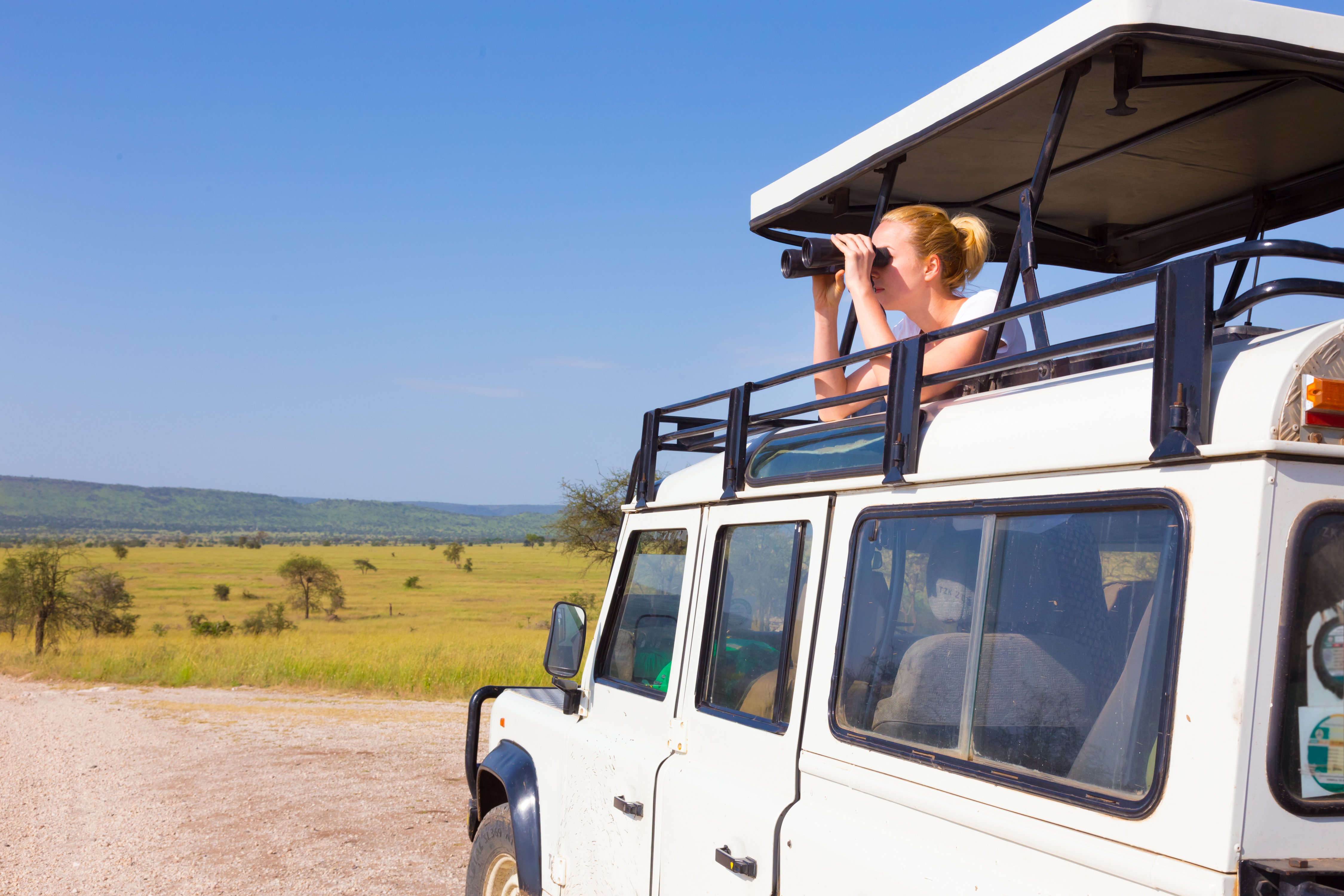
The pop-up roof is the signature feature, but there's a difference between one that's just present and one that's done well. A good roof lifts easily, gives proper shade while you're standing in the midday sun, and offers a stable edge to brace a camera or binoculars against.
It should also leave enough room for everyone in the vehicle to stand and view at the same time, not take turns. When you reach a sighting, you don't want to be negotiating space. Our vehicles pillar and our open-versus-closed guide cover the roof in more detail.
Condition & Cleanliness
A Telling Detail
A vehicle’s condition reflects how the operator runs their business. Cleanliness shows high standards; neglect suggests cut corners.
The general condition of a vehicle is a quiet but honest signal. A clean, well-kept 4x4 usually reflects an operator who maintains standards across the board. A tired, neglected vehicle often points to corners cut elsewhere too, in maintenance, in the crew, in how the whole trip is run.
You can't always inspect the vehicle before you travel, but you can ask about the age and upkeep of the fleet, and you can read how an operator answers. Confidence and specifics are reassuring; vagueness less so.
The Guide Too
Kit Plus Skill
A great vehicle is only as good as its guide. A skilled driver reads the bush and positions you perfectly—kit and skill must work together.
A good vehicle and a good guide are two halves of the same thing. The best-equipped 4x4 still depends on the person driving it, someone who knows where wildlife moves, reads the bush, and positions the vehicle so the light and angle work for you.
So when you're assessing a vehicle, don't stop at the vehicle. Ask about the guide too. Our guide on whether a private driver-guide is worth it looks at that side in depth; this page stays focused on the vehicle itself.
The Checklist
What to Confirm Before Booking
Before booking, confirm a maintained 4x4, pop-up roof, window seats, charging, and a cool box. Direct answers signal quality.
Pulling it together, here's what to confirm before you book:
- A purpose-built 4x4 (not a saloon car or ordinary minibus)
- A pop-up roof for open-air viewing
- A guaranteed window seat for every guest
- Sensible loading, not packed to the last seat
- Charging points and a cool box
- Good visibility from every seat
- A well-maintained, reliable fleet
You don't need all the answers memorised, you need an operator who answers these clearly and confidently. Our guides on choosing an operator and questions to ask before booking cover the wider vetting.
How We Measure Up + Talk
Ask Us Any of These
We’re happy to answer any questions about our vehicles, seating, and maintenance. A quality vehicle is core to a great safari, never an afterthought.
We're happy to be asked any question on this checklist. Our purpose-built 4x4 vehicles have pop-up roofs and a window seat for every guest, we don't overload them, and we maintain them for the demanding conditions of Tanzania's parks. We treat the vehicle as part of the safari, not just the transport to it.
A real example: a guest who'd researched carefully arrived with exactly this kind of checklist and asked us about seating, maintenance and features before booking. We answered each point directly, and they later told us the confidence they got from those straight answers was part of why they chose us. After the trip, they said the vehicle had lived up to every answer, which is exactly how it should be. If you've got the same questions, ask away; we'd rather you booked knowing precisely what you're getting.
- Request a tailor-made quote (fastest, best for a real plan)
- WhatsApp: +255 740 666 662
- Email: info@safari-tz.com