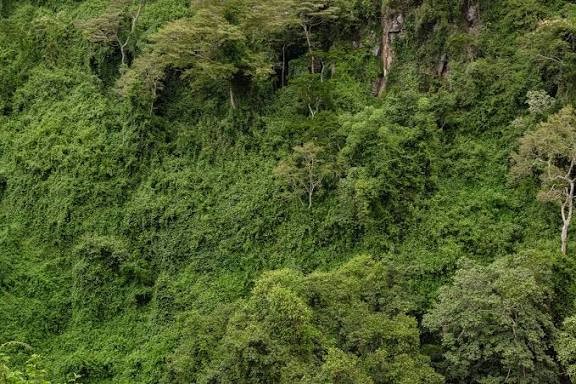
Amani Nature Forest Reserve Guide
amani nature forest reserve overview
amani at a glance (quick facts)
what is amani famous for?
where is amani located?
why should i visit amani
what wildlife can i see at amani?
when is the best time to visit amani?
is amani suitable for first-time visitors?
is amani safe to visit?
how many days do i need for amani?
what activities are available at amani?
where do i stay near amani?
is amani suitable for families?
what should i pack for amani?
how much does an amani trip cost?
how do i get to amani?
can amani be combined with other trips?
amani vs nilo nature forest reserve
why book amani with safari-tz?
Amani Nature Forest Reserve Overview
Tanzania's Most Famous Tropical Rainforest
Explore Amani Nature Forest Reserve, home to tropical rainforest, endemic wildlife, waterfalls and East Africa's oldest botanical garden.
Amani Nature Forest Reserve protects one of Africa's most biologically important tropical rainforests within Tanzania's East Usambara Mountains.
The reserve preserves ancient evergreen rainforest, mountain streams, waterfalls and exceptional biodiversity that has evolved over millions of years in the isolated Eastern Arc Mountains. Its unique habitats support hundreds of endemic plants, birds, reptiles, amphibians and butterflies, many of which occur nowhere else on Earth.
Amani is internationally recognised for the Amani Botanical Garden, established during the German colonial period and regarded as the oldest botanical garden in East Africa. The reserve also hosts the historic Amani Research Station, which has contributed significantly to tropical forest and malaria research for more than a century.
Unlike Tanzania's traditional safari parks, Amani focuses on rainforest ecology, biodiversity, scientific research and conservation rather than large mammals.
Safari-TZ recommends Amani for birdwatchers, botanists, photographers, hikers and travellers seeking one of East Africa's most remarkable rainforest experiences.
Amani at a Glance (Quick Facts)
Everything You Need to Know
Quick facts about Amani Nature Forest Reserve including biodiversity, birdwatching and rainforest hiking.
The short version: Amani is Tanzania's leading tropical rainforest destination.
- Location: Muheza and Korogwe Districts, Tanga Region
- Area: Approximately 8,380 hectares
- Established: 1997
- Managed by: Tanzania Forest Services Agency
- Mountain Range: East Usambara Mountains
- Ecosystem: Tropical evergreen rainforest
- Famous for: African Violet, birdwatching, butterflies and botanical gardens
- Bird species: Over 340
- Best months: June–October and January–February
- Visitor density: Low to moderate
What Is Amani Famous For?
A Global Biodiversity Hotspot
Discover why Amani is famous for tropical rainforest, endemic wildlife, African Violets and birdwatching.
Amani Nature Forest Reserve is internationally recognised as one of the world's most important biodiversity hotspots.
The reserve is famous for protecting the African Violet (Saintpaulia), a flowering plant first discovered in the Usambara Mountains and now cultivated worldwide. Local traditions associate the flower with forgiveness and peace, giving it both ecological and cultural significance.
Amani is also regarded as one of the world's finest birdwatching destinations, supporting more than 340 bird species, including several found only within the Eastern Arc Mountains. The reserve's extraordinary butterfly diversity, colourful three-horned chameleons, waterfalls and botanical gardens further enhance its international reputation.
Safari-TZ recommends Amani for travellers seeking biodiversity, conservation, photography and tropical rainforest experiences.
Where Is Amani Located?
In Tanzania's East Usambara Mountains
Learn where Amani Nature Forest Reserve is located and why it is globally important for biodiversity.
Amani Nature Forest Reserve lies within the East Usambara Mountains in Tanga Region, spanning parts of Muheza and Korogwe Districts.
Its proximity to the Indian Ocean creates warm, humid conditions that support lush tropical rainforest throughout the year. Together with nearby Nilo Nature Forest Reserve, Amani forms one of Tanzania's most significant rainforest conservation landscapes.
Why Should I Visit Amani
Explore Tanzania's Tropical Rainforest
Discover why Amani offers rainforest hiking, endemic wildlife, waterfalls and world-class birdwatching.
Amani offers one of Africa's most rewarding rainforest experiences, combining exceptional biodiversity with fascinating scientific history and peaceful hiking trails.
Visitors enjoy rainforest walks, spectacular waterfalls, panoramic viewpoints, botanical gardens, endemic birds, colourful butterflies and fascinating reptiles within one of the world's oldest mountain ecosystems.
Its outstanding biodiversity makes Amani an essential destination for birdwatchers, photographers, botanists and conservation-minded travellers.
Safari-TZ recommends Amani as the flagship rainforest destination within Tanzania's Eastern Arc Mountains and an excellent complement to traditional wildlife safaris.
What Wildlife Can I See at Amani?
Extraordinary Biodiversity in Tanzania's Tropical Rainfor
Discover Amani's wildlife including endemic birds, butterflies, chameleons, primates and tropical rainforest biodiversity.
Amani Nature Forest Reserve is recognised as one of Africa's richest biodiversity hotspots, protecting an extraordinary concentration of wildlife within the ancient East Usambara Mountains.
The reserve is internationally famous for its birdlife, with more than 340 recorded species, making it one of Tanzania's premier birdwatching destinations. Visitors search for endemic and near-endemic species including the Amani Sunbird, Usambara Eagle-Owl, Long-billed Tailorbird, Banded Green Sunbird, Usambara Weaver, Fischer's Turaco, Silvery-cheeked Hornbill, African Crowned Eagle, White-starred Robin and numerous forest flycatchers, greenbuls and warblers.
Amani is equally renowned for its butterfly diversity, with hundreds of colourful species inhabiting the rainforest throughout the year. The reserve also supports several endemic reptiles, including the spectacular Usambara Three-horned Chameleon, one of Tanzania's most iconic rainforest reptiles.
Forest mammals include blue monkeys, Sykes' monkeys, vervet monkeys, bush babies, tree hyraxes, genets, bushbuck, African civets and numerous species of bats and small mammals.
The rainforest itself contains exceptional botanical diversity, including the famous African Violet (Saintpaulia), giant tree ferns, orchids, ancient hardwoods, medicinal plants and towering tropical trees that create one of East Africa's oldest surviving forests.
Safari-TZ recommends exploring Amani slowly with experienced naturalist guides, allowing time to appreciate the remarkable wildlife hidden within the rainforest canopy.
When Is the Best Time to Visit Amani?
Discover Tanzania's Rainforest in Every Season
Learn the best time to visit Amani for birdwatching, hiking, butterflies and rainforest photography
Amani Nature Forest Reserve offers rewarding experiences throughout the year, with each season revealing different aspects of the rainforest ecosystem.
The dry seasons, from June through October and January through February, generally provide the best conditions for hiking. Trails are easier to navigate, viewpoints are clearer and birdwatching remains excellent.
The Green Season, from March through May and during November, transforms the reserve into a vibrant tropical rainforest filled with flowering plants, flowing waterfalls and spectacular butterfly activity. Many bird species begin breeding during this period, creating exceptional opportunities for birdwatchers and photographers.
Because Amani lies within a humid tropical rainforest influenced by moisture from the Indian Ocean, light rain and mist can occur at any time of year.
Safari-TZ recommends June through October for first-time visitors, while photographers, botanists and butterfly enthusiasts often prefer the lush scenery of the rainy seasons.
Is Amani Suitable for First-Time Visitors?
An Ideal Introduction to Tanzania's Rainforests
Discover whether Amani Nature Forest Reserve is suitable for first-time visitors to Tanzania.
Yes. Amani Nature Forest Reserve is one of Tanzania's most accessible rainforest destinations and is ideal for first-time visitors interested in biodiversity, hiking and conservation.
Unlike Tanzania's famous safari parks, Amani focuses on rainforest wildlife, endemic plants, birds, butterflies and scientific discovery rather than large mammals.
Travellers whose priority is viewing the Big Five should first visit Serengeti National Park, Ngorongoro Conservation Area or Tarangire National Park before exploring Amani as a complementary rainforest experience.
Visitors interested in photography, birdwatching, botany and tropical ecology often regard Amani as one of East Africa's finest nature destinations.
Safari-TZ recommends Amani for travellers seeking an educational and immersive rainforest adventure beyond the traditional safari circuit.
Is Amani Safe to Visit?
Enjoying Tanzania's Tropical Rainforest Safely
Learn about safety when visiting Amani Nature Forest Reserve including guided walks, weather and rainforest conditions.
Amani Nature Forest Reserve is considered a safe destination when explored with experienced local guides.
Most activities involve guided rainforest walks rather than vehicle safaris. Visitors should remain with their guide at all times, particularly where dense vegetation and forest trails may reduce visibility.
Comfortable hiking boots with good grip are recommended because rainforest trails can become muddy after rainfall. Carrying drinking water, insect repellent, lightweight rain gear and layered clothing helps ensure a comfortable visit.
Large dangerous mammals are rarely encountered within the reserve, but visitors should always respect wildlife, remain on designated trails and follow guide instructions throughout their excursion.
Safari-TZ works closely with experienced naturalist guides who combine visitor safety with extensive knowledge of the rainforest's ecology, wildlife and history.
How Many Days Do I Need for Amani?
Choosing the Ideal Rainforest Itinerary
Plan your Amani Nature Forest Reserve visit with one to three days of rainforest hiking and wildlife exploration.
Most visitors spend one or two days exploring Amani Nature Forest Reserve.
A full day allows time to visit the reserve's botanical gardens, rainforest trails, waterfalls, birdwatching sites and scenic viewpoints while gaining a meaningful introduction to its remarkable biodiversity.
Travellers particularly interested in birdwatching, butterflies, photography, rainforest ecology or scientific history often benefit from two or three days, allowing more time to explore different habitats and walking trails.
Amani combines naturally with Nilo Nature Forest Reserve, Magamba Nature Forest Reserve, Mkomazi National Park, the West Usambara Mountains and Saadani National Park, creating exceptionally diverse northeastern Tanzania itineraries.
Safari-TZ designs every itinerary according to your interests, available time and preferred pace, ensuring a rewarding rainforest experience.
What Activities Are Available at Amani?
Explore Tanzania's Premier Tropical Rainforest
Discover the best activities in Amani Nature Forest Reserve including rainforest hiking, birdwatching, waterfalls, butterflies and botanical tours.
Amani Nature Forest Reserve offers one of the most diverse nature experiences in Tanzania, combining rainforest exploration, wildlife observation, scientific heritage and conservation within the ancient East Usambara Mountains.
The reserve's most popular activity is guided rainforest hiking. Well-maintained trails wind through evergreen tropical forest, giant trees, mountain streams and waterfalls while introducing visitors to one of Africa's oldest surviving ecosystems.
Birdwatching is internationally renowned. Amani attracts ornithologists and wildlife enthusiasts hoping to observe rare Eastern Arc endemic birds within their natural habitat.
The reserve is equally celebrated for its butterfly watching, with hundreds of species filling the rainforest throughout the year. Guided walks often reveal colourful butterflies, unique chameleons, frogs and countless fascinating insects hidden within the forest.
Visitors can also explore the historic Amani Botanical Garden, where indigenous and exotic plant collections illustrate more than a century of botanical research. Nearby, the Amani Research Centre provides insight into the reserve's important contributions to tropical ecology, forestry and public health research.
Photography opportunities are exceptional throughout the reserve, with waterfalls, orchids, towering rainforest trees, colourful wildlife and mist-filled valleys creating spectacular natural scenery.
Safari-TZ customises every excursion according to your interests, whether your priority is birdwatching, botany, photography or rainforest hiking.
Where Do I Stay Near Amani?
Rainforest Lodges in the East Usambara Mountains
Explore accommodation near Amani Nature Forest Reserve including eco-lodges, guesthouses and rainforest retreats.
Accommodation serving Amani Nature Forest Reserve is centred around Amani, Muheza and nearby East Usambara communities.
Visitors can choose from eco-lodges, boutique rainforest lodges, historic guesthouses and community-owned accommodations that provide easy access to the reserve while supporting sustainable tourism.
Many lodges are surrounded by indigenous rainforest, allowing guests to enjoy birdwatching, butterflies and forest sounds directly from their accommodation.
Because Amani has long been one of Tanzania's leading rainforest tourism destinations, accommodation standards range from comfortable budget options to charming nature lodges suitable for photographers, birdwatchers and families.
Safari-TZ recommends accommodation according to your preferred comfort level, travel style and planned activities.
Is Amani Suitable for Families?
An Outdoor Classroom in Tanzania's Rainforest
Discover whether Amani Nature Forest Reserve is suitable for families and children interested in wildlife and nature.
Yes. Amani Nature Forest Reserve is one of Tanzania's best destinations for families interested in wildlife, science and outdoor education.
Easy rainforest trails allow children to discover colourful butterflies, unique chameleons, tropical birds, giant trees and fascinating insects while learning about biodiversity and conservation.
Older children and teenagers often enjoy visiting the botanical gardens, waterfalls and research facilities, where they gain a deeper understanding of tropical ecosystems and scientific conservation.
Families interested in photography, wildlife, plants and environmental education frequently describe Amani as one of Tanzania's most enriching natural destinations.
Safari-TZ designs family-friendly itineraries according to children's ages, interests and walking ability, ensuring a safe and enjoyable rainforest experience.
What Should I Pack for Amani?
Preparing for a Tropical Rainforest Adventure
Pack for Amani with hiking boots, rain gear, binoculars and photography equipment for rainforest exploration.
Preparing for Amani differs from packing for a traditional safari because the reserve's tropical rainforest remains humid throughout the year.
Comfortable waterproof hiking boots are essential for walking on forest trails, especially after rainfall when paths may become slippery.
Lightweight breathable clothing combined with a waterproof jacket allows visitors to remain comfortable despite changing weather conditions within the rainforest.
Birdwatchers should carry quality binoculars, while photographers benefit from telephoto lenses, macro lenses, spare batteries, waterproof camera protection and additional memory cards.
Additional essentials include insect repellent, sunscreen, a reusable water bottle, a lightweight daypack and trekking poles for longer hikes.
Safari-TZ provides every guest with a personalised packing checklist before departure based on the season and planned activities.
How Much Does an Amani Trip Cost?
Planning Your Rainforest Adventure
Learn what influences Amani Nature Forest Reserve travel costs including accommodation, transport and guiding.
A visit to Amani Nature Forest Reserve offers excellent value for travellers seeking rainforest biodiversity, hiking and conservation experiences.
Overall costs depend on accommodation standards, transportation, professional guiding services, reserve entry fees and the length of your stay.
Accommodation ranges from simple rainforest guesthouses to comfortable eco-lodges, allowing travellers to select options that suit both budget and preferred comfort.
Professional naturalist guides significantly enhance every visit by helping visitors identify birds, butterflies, reptiles, medicinal plants and rainforest ecology that might otherwise go unnoticed.
Amani combines exceptionally well with Nilo Nature Forest Reserve, Magamba Nature Forest Reserve, Mkomazi National Park, Saadani National Park and the West Usambara Mountains, creating highly diverse northeastern Tanzania itineraries.
Safari-TZ prepares personalised quotations that clearly outline accommodation, transportation, guiding services, reserve fees and optional activities, ensuring complete transparency before confirming your booking.
How Do I Get to Amani?
Reaching Tanzania's Premier Tropical Rainforest
Learn how to reach Amani Nature Forest Reserve by road from Muheza, Tanga and Kilimanjaro International Airport.
Amani Nature Forest Reserve is located in the East Usambara Mountains of Tanga Region, approximately 35 kilometres southeast of Muheza.
Most visitors travel by road from Muheza, climbing through scenic tea estates, tropical farmland and indigenous rainforest before reaching the reserve headquarters at Amani. The journey itself offers beautiful views of the East Usambara Mountains and introduces visitors to one of Tanzania's most ecologically important landscapes.
International travellers usually arrive via Kilimanjaro International Airport, although Tanga Airport also provides convenient domestic flight connections. Safari-TZ arranges private transfers from both airports directly to the reserve.
Road access is generally available throughout the year, although sections of the mountain road may require careful driving during periods of heavy rainfall.
Safari-TZ coordinates transportation, accommodation and experienced local guides to ensure a comfortable journey into the East Usambara rainforest.
Can Amani Be Combined With Other Trips?
From Tropical Rainforests to Savannah Wildlife
Combine Amani Nature Forest Reserve with Nilo, Mkomazi, Saadani and the Usambara Mountains.
Amani Nature Forest Reserve combines exceptionally well with several destinations across northeastern Tanzania, creating one of the country's most diverse nature itineraries.
The most natural combination is Nilo Nature Forest Reserve, where visitors experience both the accessible tropical rainforest of Amani and the higher-elevation wilderness surrounding Nilo Peak.
Wildlife enthusiasts often continue to Mkomazi National Park, combining rainforest biodiversity with black rhino conservation, African wild dogs and classic East African savannah wildlife.
Travellers looking for coastal scenery frequently include Saadani National Park, the only national park in East Africa where wildlife and Indian Ocean beaches meet.
For mountain lovers, combining Amani with the West Usambara Mountains creates an outstanding itinerary featuring rainforest hiking, panoramic viewpoints, waterfalls and community-based tourism.
Safari-TZ designs every itinerary according to your interests, available time and preferred style of travel.
Amani vs Nilo Nature Forest Reserve
Two East Usambara Rainforests, Two Different Experiences
Compare Amani Nature Forest Reserve and Nilo Nature Forest Reserve to choose your ideal rainforest adventure.
Although both Amani Nature Forest Reserve and Nilo Nature Forest Reserve protect the remarkable East Usambara Mountains, each provides a distinct rainforest experience.
Amani Nature Forest Reserve is internationally recognised for its botanical gardens, scientific research, accessible rainforest trails, exceptional butterfly diversity and more than 340 bird species. It is ideal for visitors interested in tropical ecology, photography and environmental education.
Nilo Nature Forest Reserve, by contrast, protects the highest peak in the East Usambara Mountains and offers a more remote hiking experience through extensive indigenous rainforest. It is particularly attractive to experienced birdwatchers, hikers and travellers seeking quieter wilderness areas.
Travellers looking for accessible rainforest exploration often prefer Amani, while those interested in higher-elevation trekking and remote biodiversity frequently choose Nilo.
Safari-TZ recommends visiting both reserves to experience the full ecological diversity of the East Usambara Mountains
Why Book Amani With Safari-TZ?
Explore Tanzania's Tropical Rainforest with Local Experts
Book your Amani Nature Forest Reserve adventure with Safari-TZ for expert guides, personalised itineraries and unforgettable rainforest experiences.
Amani Nature Forest Reserve represents one of Tanzania's greatest conservation success stories, protecting an extraordinary tropical rainforest where biodiversity, scientific research and sustainable tourism come together.
Safari-TZ creates every Amani itinerary around your interests, whether you wish to observe endemic birds, photograph butterflies, explore the botanical gardens, visit waterfalls or experience one of Africa's oldest rainforest ecosystems.
Our experienced naturalist guides interpret the reserve's wildlife, ecology, medicinal plants, history and conservation significance while ensuring every visit remains educational, enjoyable and environmentally responsible.
Transparency is central to every booking. Every quotation clearly explains accommodation, transportation, guiding services, reserve fees and optional activities before you confirm your journey.
Ready to discover Tanzania's most celebrated rainforest?
- Request your free tailor-made safari quote
- Chat with a safari expert on WhatsApp: +255 740 666 662
- Email: info@safari-tz.com
Tell us your preferred travel dates, wildlife interests and accommodation preferences, and Safari-TZ will prepare a personalised Amani Nature Forest Reserve itinerary tailored to your perfect rainforest adventure.