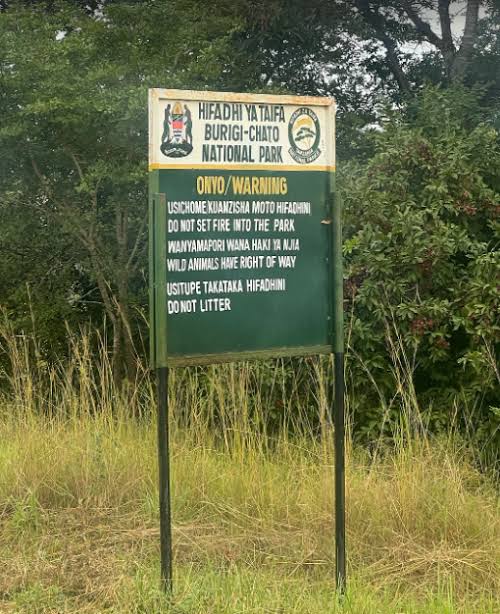
Burigi-Chato National Park Guide
burigi-chato national park overview
burigi-chato at a glance (quick facts)
what is burigi-chato famous for?
where is burigi-chato national park?
why should i visit burigi-chato?
what wildlife can i see in burigi-chato?
the honest register first, because this is where careless
is burigi-chato good for a first safari?
is burigi-chato safe?
how many days do i need in burigi-chato?
what is there to do in burigi-chato?
where do i stay in burigi-chato?
is burigi-chato suitable for families?
what should i pack for burigi-chato?
how much does a burigi-chato safari cost?
how do i get to burigi-chato?
can burigi-chato be combined with other trips?
burigi-chato vs rubondo vs akagera?
why book burigi-chato with safari-tz.com?
Burigi-Chato National Park Overview
A Park in the Making on Lake Victoria
Burigi-Chato overview from Safari-tz.com: Tanzania's fourth-largest park, a wild new western frontier of lakes, savannah and genuine remoteness.
Burigi-Chato is the biggest piece of wild country most travellers have never heard of. Gazetted in 2019 from the old Burigi, Biharamulo and Kimisi game reserves, it covers 4,707 square kilometres of north-western Tanzania, ranks as the country's fourth-largest national park, and runs unbroken from the shore of Lake Victoria in the east to the Kagera River and the Rwandan border in the west. Within that span sit savannah plains, miombo and acacia woodland, forested valleys, rocky escarpments, papyrus swamps and a string of lakes, the largest of which, Lake Burigi, gives the park half its name.
What it does not yet have is crowds, lodges or the wildlife densities of the northern circuit, and we say so at the outset rather than let the brochures oversell it. This is a young park still finding its feet, its animal populations recovering under national-park protection after decades as a lightly managed reserve, its roads mostly unsurfaced, its accommodation still counted on one hand. A recent field account put it plainly: for now the biggest attraction is the wild scenery and the remote feel, with the wildlife a bonus rather than the headline.That is exactly the trip we sell here, and to the right traveller it is a rare one: a genuine frontier park on the Lake Victoria side of the country, quiet in a way the famous parks stopped being long ago, and interesting precisely because you are early.
Safari-tz.com builds Burigi-Chato into western and Lake Victoria itineraries, and as a Tanzanian staging point for crossings to Rwanda's neighbouring Akagera.
Burigi-Chato at a Glance (Quick Facts)
Key Facts Before You Visit Burigi-Chato
Quick Burigi-Chato facts from Safari-tz.com: Tanzania's fourth-largest park, Lake Burigi, recovering wildlife, remote access and few visitors.
The short version: Tanzania's vast, brand-new western park, built for wilderness and scenery, honestly light on both wildlife density and infrastructure for now.
-What it is: A 4,707 square-kilometre national park, gazetted in 2019 from three former game reserves, Tanzania's fourth-largest by area.
- Where it is: North-west Tanzania, in Kagera and Geita regions, from Lake Victoria in the east to the Rwandan border in the west.
- The signature feature: Lake Burigi, a long, island-studded freshwater lake, one of Tanzania's largest, ringed by swamp, woodland and palms.
- The wildlife honesty: Present but recovering, not dense. Elephant, buffalo, giraffe, zebra and antelope, with predators scarce and sightings unpredictable.
- The specialities: Swamp-loving sitatunga antelope, roan and sable, big waterbird numbers, and the reputed but unconfirmed shoebill in the western wetlands.
-The real draw: Space, silence and scenery. You may not share the park with another vehicle all day.
- Gateway: Chato town and its airport near Lake Victoria, or Biharamulo, with charter airstrips inside the park.
-Best months: June to September for game and firm roads; the green rains for birds.
- Style: Rustic and remote. Camping and simple bases, not lodge luxury, and we brief that plainly.
What Is Burigi-Chato Famous For?
Lakes, Space and a Frontier Feel
Burigi-Chato is famous for Lake Burigi, vast empty savannah, rare swamp wildlife like the sitatunga, and being one of Tanzania's wildest new parks.
Burigi-Chato's fame is still being written, which is part of its appeal, but three things already define it: a great lake, a vast emptiness, and a cast of specialist wildlife the famous parks cannot offer.The lake comes first, because it anchors the park and gives it its character. Lake Burigi is a long, winding sheet of freshwater, one of the largest in the country, threaded with islands, inlets and reedy bays and fringed by woodland and the occasional palm. Its swampy margins are the stronghold of the sitatunga, the shy, splay-hooved antelope that lives half-submerged in papyrus and is glimpsed in only a handful of Tanzanian parks, and the western wetlands along the Kagera carry a persistent reputation, unconfirmed but tantalising, for the prehistoric-looking shoebill stork.
The emptiness is the second fame, and the one that surprises people most. This is a park where a full day's driving can pass without a single other vehicle, where the scenery does the heavy lifting, rolling grass plains, wooded escarpments, valleys and floodplains, and where the quiet is close to total. In a country whose best parks now run busy, that scarcity of people has become its own luxury.The third fame is simply that it is new. Burigi-Chato is one of the last Tanzanian parks still to be discovered by tourism, and the travellers drawn to it are the ones who like being early, before the roads are paved and the lodges arrive.
Where Is Burigi-Chato National Park?
Finding Burigi-Chato on the Map
Burigi-Chato lies in north-west Tanzania between Lake Victoria and the Rwandan border, reached via Chato or Biharamulo, west of Mwanza and Serengeti.
North-west Tanzania, in the Kagera and Geita regions, filling the wedge of country between the south-western shore of Lake Victoria and the Rwandan border. It is about as far from the northern safari circuit as a Tanzanian park gets while still sitting on the same side of the country, and that far-western placement is the single most important thing to understand about visiting it.The park runs from the lake in the east to the Kagera River in the west, the river forming the frontier with Rwanda, whose own Akagera National Park lies just across the water and shares the same ecosystem. To the north are the Kagera highlands and Bukoba; to the east, across the lake's gulf, lie Mwanza and Rubondo Island; to the south, the road eventually finds Biharamulo and the long haul toward the western Serengeti. Chato, the lakeside town that gives the park its other half-name, sits on its north-eastern edge and, unusually for so remote a spot, has an airport.The neighbourhood defines the trip. Burigi-Chato is not a detour off a northern itinerary; it is a destination for travellers already in the Lake Victoria region, exploring the west, or crossing between Tanzania and Rwanda. We route it accordingly, and we are honest when a traveller's plan sits too far east to justify the distance.
Why Should I Visit Burigi-Chato?
The Case for Tanzania's Wildest New Park
Visit Burigi-Chato for empty wilderness, lake scenery, rare swamp wildlife and the rare chance to have a whole Tanzanian park almost to yourself.
Because Burigi-Chato offers something the famous parks have quietly lost: solitude on a landscape scale. This is the reason to come, and it is worth being clear-eyed that it is a different reason from the one that fills the Serengeti.You do not visit Burigi-Chato for a big cat every afternoon or for the wildebeest in their millions. You visit it to have a vast, beautiful park very nearly to yourself: to drive empty tracks through miombo and grass with the windows down and no dust plume but your own, to sit by Lake Burigi as fish eagles call and hippos grunt in the reeds, to look for the swamp-ghost sitatunga where few travellers ever will, and to feel the particular quiet of country that tourism has not yet reached. For the traveller who has done the northern circuit and wants the opposite of it, that is a compelling proposition.There is also the pull of being early. A handful of parks in the world are still at the beginning of their tourism story, their wildlife recovering and their future opening, and Burigi-Chato is one of them right now. Guests who value that, naturalists, photographers of landscape and mood, old Africa hands who remember when the whole continent felt this empty, understand the appeal without needing it explained. The honest close, as ever: come for the wilderness and the scenery, treat every good animal sighting as a bonus, and Burigi-Chato overdelivers. Come expecting the northern circuit, and it will not. We make sure you arrive with the right expectations, because that is what makes the trip land.
What Wildlife Can I See in Burigi-Chato?
Recovering Game and Swamp Specials
Burigi-Chato wildlife: elephant, buffalo, giraffe, zebra and antelope in recovering numbers, rare sitatunga and roan, hippos, and rich birdlife.
The honest register first, because this is where careless sources oversell the park and a few invent it outright: Burigi-Chato has a genuine and growing cast of wildlife, but in recovering numbers rather than northern-circuit densities, and sightings ask for patience rather than promising drama. Two animals often listed for the park, chimpanzee and gorilla, do not occur here at all, and gorillas occur nowhere in Tanzania, so ignore any itinerary that promises them.What is really here rewards the unhurried. Elephant move through the woodland along an old migratory corridor, buffalo gather in dark herds, and the plains carry giraffe, zebra, topi, eland, impala, defassa waterbuck, warthog, oribi and bushbuck in numbers that climb year on year under protection. The park's quieter specialities are the real prizes: roan and sable antelope, both scarce and beautiful, and above all the sitatunga, the swamp-dwelling antelope that haunts the papyrus fringes of Lake Burigi and is seen in only a few places in the country. Predators, lion and leopard among them, are present but thin on the ground and genuinely unpredictable, and we never promise them.Birds are the surest reward. The lakes, rivers and swamps carry fish eagles, saddle-billed and other storks, herons, kingfishers, weavers and waterfowl in abundance, and the western Kagera wetlands hold the standing, unconfirmed rumour of the shoebill, that great grey prehistoric oddity of the papyrus. Birders should say so at planning, because the park's water and wetlands, not its plains, are where it shines.
The redirect stands as ever: travellers who want guaranteed big game at close range belong on the northern or southern circuits, and we route them there without argument. Burigi-Chato sells a wilder, quieter, more uncertain kingdom, and labels it as exactly that.
The honest register first, because this is where careless
Burigi-Chato Seasons, Honestly Told
Visit Burigi-Chato from June to September for wildlife and firm roads, or the green rains for birding. The remote roads reward the dry season most.
June to September first, for wildlife and for the roads, and the wetter months second, for birds and for green, with a seasonal penalty here that lands harder on access than almost anywhere else we sell, because so much of Burigi-Chato runs on unsurfaced tracks.The long dry season delivers the park at its most practical. Game concentrates around the lakes and rivers as the country dries, the animals easier to find in a park where finding them already takes work, the grass falls back to open the views, and the unsurfaced roads firm up into something a vehicle can rely on. This is the window we recommend for a first visit and for anyone whose main hope is wildlife, and it aligns neatly with the northern high season, so a Burigi-Chato leg slots into a dry-season western itinerary without fighting the calendar.The rains come in two pulses in this corner of the country, around November and again around March to April, and they change the park's offer rather than closing it. The wetlands swell, the birding turns superb, the landscape greens spectacularly and the light softens for photography, but the black-cotton and murram tracks turn slippery and slow, some become impassable, and travel needs more time and a sure-footed vehicle. We run green-season Burigi-Chato for birders and photographers who accept the trade, and we steer wildlife-first travellers to the dry.The operator note we add every time: this is a park where the season decides the roads, and the roads decide the day. We plan around that honestly, and we build in the time the wet ground demands rather than pretending it away.
Is Burigi-Chato Good for a First Safari?
Who This Park Really Suits
Burigi-Chato suits second-time and adventurous safari-goers, not first-timers. For a debut safari the northern parks deliver far more, far sooner.
Honestly, no, and this is one of the few places on this website where we steer first-timers firmly elsewhere. Burigi-Chato is a wonderful park for the right traveller, and a first-ever safari is usually the wrong occasion for it.The reasoning is simple and it is about expectation. A first safari carries a lifetime of images behind it, lions on a kill, elephants at a waterhole, the plains alive with game, and the northern parks, Serengeti, Ngorongoro and Tarangire, deliver those images reliably, which is exactly why they earned their fame. Burigi-Chato, at this stage in its life, does not. Its wildlife is recovering and dispersed, its predators scarce, its roads long and empty, and a traveller arriving here with first-safari expectations risks measuring a genuinely special place against the wrong yardstick and leaving disappointed.Where Burigi-Chato comes into its own is the second, third or tenth safari: the traveller who has already banked the classic sightings and now wants space, silence and somewhere new; the naturalist who values a sitatunga in the papyrus over another lion photograph; the overlander crossing to Rwanda who wants a wild Tanzanian chapter on the way. For those travellers it is close to ideal, and we recommend it warmly.
The standing request applies with extra weight here: tell us honestly what you are hoping for. If it is your first safari and you want the big picture, we will send you east to the circuit that guarantees it, and save Burigi-Chato for the trip when its particular gifts are the ones you are ready to want.
Is Burigi-Chato Safe?
How Risk Works in a Remote Park
Burigi-Chato safari safety rests on park rangers, guided game drives and sensible remote-area planning. The main challenge is remoteness, not danger.
Burigi-Chato is a safe park to visit with the ordinary safari disciplines, and its main safety consideration is not danger but distance: this is remote country, and remoteness rewards preparation. The wildlife risks are the standard safari ones, managed the standard way. This is big-game country with elephant, buffalo, hippo and crocodile, so game viewing happens from the vehicle or under the guidance of park rangers, camps are treated with the usual after-dark caution, and the water's edge is respected, hippos and crocodiles being the genuine hazards around the lakes and rivers rather than the scarce and shy cats. A guide who knows the park manages all of this as routine.The remoteness is the real planning item, and it is a logistical matter rather than a frightening one. Fuel, supplies, vehicle condition and communications all need thinking through in a park this large and this lightly serviced, where the nearest workshop or clinic can be hours of dirt road away and phone signal is not a given. This is precisely why a park like Burigi-Chato is a place to travel with a properly equipped operator rather than to improvise: the right vehicle, a guide who carries what remote travel requires, and a plan that accounts for the distances turn the remoteness from a risk into the whole point.The site-wide close as always: health questions, malaria thinking for this lake-and-wetland region included, belong with your doctor before you travel. We arrange the safari, not the medicine
How Many Days Do I Need in Burigi-Chato?
Two Days, Three, or a Wilder Week.
Burigi-Chato rewards two to three days of game drives and lake time, and more if you combine it with Rubondo, the western Serengeti or Rwanda.
Two to three days inside the park for a proper first taste, and more if it forms one chapter of a wider western or cross-border journey. Because Burigi-Chato is so large and so lightly tracked, its rhythm is slower than a northern park's, and a rushed single day does not do it justice.Two to three days is the honest sweet spot. It gives you time for unhurried game drives across more than one of the park's habitats, a session or two on or beside Lake Burigi for the water birds and the swamp specialities, and the space to absorb the emptiness that is the point of the place, rather than treating it as a checklist to be cleared. In a park where wildlife takes finding, time is the single most useful thing you can bring, and two or three days lets patience do its work.Beyond that, Burigi-Chato earns its length as part of a bigger trip rather than as a longer stay in isolation. The natural extensions are all around it: the forest and chimpanzees of Rubondo Island out in Lake Victoria, the lake city of Mwanza, the western Serengeti a long drive south-east, or a crossing westward into Rwanda's Akagera. Built into a Lake Victoria or western circuit, a Burigi-Chato leg of two or three nights sits perfectly; asked to justify a long detour on its own, it sits less comfortably, and we say so.
What Is There to Do in Burigi-Chato?
Game Drives, Boats and Wild Nights
Burigi-Chato activities: game drives across savannah and woodland, boat trips on Lake Burigi, birding the wetlands, and camping under empty skies.
The menu is short, wild and unpolished, and that is faithful to the park rather than a criticism of it. Four experiences carry a Burigi-Chato visit, and each leans on the park's real strengths: space, water and quiet.Game drives are the backbone. Guided drives along the park's network of unsurfaced tracks cross its mosaic of grass plains, miombo and acacia woodland, escarpment and valley, and the pleasure is as much the driving itself, empty country unrolling for hours, as the animals it turns up. This is patient, exploratory game viewing rather than the sighting-to-sighting rhythm of the busy parks, and it suits travellers who enjoy the looking as much as the finding.The lake is the park's second dimension and, where it can be arranged, its highlight. Time on or beside Lake Burigi opens the water birds, the hippos and the reed-fringed swamps where the sitatunga hides, and a boat, where available, reaches the inlets and islands that no track does. Birding runs right through everything, at its richest in the western wetlands, and walking, where rangers permit and accompany it, adds the ground-level intimacy that a vehicle cannot. Nights are their own activity here: under some of the emptiest skies in Tanzania, the camping is the experience, not merely the accommodation.Activity availability, boat access and walking included, is confirmed with the park and our ground team at booking, per the standing rule in this remote country: this season's reality, not last year's brochure
Where Do I Stay in Burigi-Chato?
Camps, Basics and Emerging Beds
Burigi-Chato accommodation is still rustic: park campsites, simple guesthouses in Chato and Biharamulo, and a few emerging tented and mobile camps.
This is the part of the park where honesty matters most, because Burigi-Chato's accommodation is still, in the frank official phrase, close to virgin. There are beds, and there are good nights to be had, but nobody should arrive expecting the lodges of the northern circuit, because they are not here yet. What exists divides into three. Inside the park, TANAPA operates public and special campsites along the lakeshores and riverbanks, some near the Nkonje and Biharamulo ranger posts, with the simple essentials, fire pits, basic ablutions and rangers nearby, and the incomparable luxury of near-total solitude under the stars. Around the park, the towns of Chato and Biharamulo offer simple guesthouses, functional bases rather than destinations, useful for arrivals, departures and a hot shower. And increasingly, mobile and semi-permanent tented operations set up inside the park for tailored safaris, which for most of our guests is the way to sleep here well: a proper camp brought to the wilderness rather than a compromise found in town.
The style, then, is canvas and candlelight rather than concrete and wifi, and we brief that plainly before anyone books, because the traveller who wants it loves it and the traveller who does not should know in advance. For the right guest, a night in a well-run mobile camp beside Lake Burigi, with nothing but hippo and nightjar for company, is worth a dozen anonymous lodge rooms.We match the sleeping arrangement to the traveller and the season, hold what can be held in a park where beds are few, and tell you honestly which nights will be comfortable and which will be an adventure.
Is Burigi-Chato Suitable for Families?
An Honest Answer for Families
Burigi-Chato suits adventurous, older families comfortable with remote camping and long drives, not young children or first-time family safaris.
For the right family, yes, but it is an adventurous choice rather than an easy one, and the honest answer depends heavily on the ages and the temperament of the children.The case against young children is practical, not spoilsport. Burigi-Chato means long drives on rough roads, patient game viewing where the reward is not guaranteed within the attention span of a six-year-old, remote camping far from clinics and comforts, and genuine hazards, hippo, crocodile and buffalo, that demand children who reliably follow instructions. A first family safari with small children is far better served by the northern parks, where the game is close and constant, the lodges are child-friendly, and help is never far, and we will happily point families there.The case for older, outdoorsy families is stronger and genuinely appealing. Teenagers and confident older children who already love camping, tolerate long days, and get the point of wilderness will find Burigi-Chato a formative kind of trip: real wild Africa, empty and unpackaged, the sort of place that turns a young traveller into a lifelong one. Paired with a guide who involves them in the finding, the very difficulty of the wildlife can become the adventure rather than the frustration.We say all this plainly at planning, ask the real ages and the real appetite for rough travel, and build the trip, or steer you to a gentler park, on the truthful answer rather than the hopeful one.
What Should I Pack for Burigi-Chato?
Packing for Remote Bush and Lakes
Burigi-Chato packing: neutral bush layers, warm nights, rain gear in the wet, insect protection for the wetlands, binoculars and a soft duffel bag.
Pack for remote, self-reliant bush travel in a lake-and-wetland climate, and lean toward having a little more than you need rather than a little less, because there are no shops in the park and few worth the name nearby.The safari basics hold. Neutral, lightweight clothing in greens, browns and khakis for the game drives; a warm layer or two for the surprisingly cool nights and dawn starts, which catch out travellers who packed only for equatorial heat; a wide-brimmed hat and strong sun protection for the open plains; and, in the wetter months, a proper rain shell and quick-drying clothes, because this is a park where the weather and the roads conspire. Sturdy closed shoes matter even for a driving safari, and doubly so if rangers permit a walk.The Burigi-Chato emphases are two, both born of the wetlands. First, insect protection is not optional: this is lake, swamp and river country, so effective repellent, long sleeves for dusk, and your doctor's malaria advice are all part of the kit. Second, binoculars are promoted from optional to essential, because so much of what makes this park special, the water birds, the reputed shoebill, the sitatunga across a reedbed, rewards the person who can bring it close.The practical extras earn their place in remote country: a headtorch for the campsites, a power bank where there is no socket, small cash for gate fees and villages, any personal medication in full since pharmacies are distant, and a soft duffel rather than a hard case for the light aircraft and rough vehicles. Pack self-sufficient, dress warm at night, and let the park supply the rest, which is space, silence and sky.
How Much Does a Burigi-Chato Safari Cost?
What You Are Paying For Out Here
Burigi-Chato costs combine park fees, guided 4x4 game drives, remote logistics and camps or guesthouses. Access is the real variable. Quotes itemised.
Burigi-Chato prices like the remote, low-volume park it is: the park fees themselves are modest, but the logistics of reaching and running a safari in country this empty are where the real cost sits, and honesty about that balance saves disappointment.The build is straightforward once you see it. Park entry and vehicle fees are payable to TANAPA and sit in the reasonable range; a properly equipped 4x4 with a guide who knows this rarely-driven park is the core cost and the one worth paying, since the wrong vehicle or an unfamiliar guide is a false economy in remote bush; accommodation ranges from inexpensive campsites and town guesthouses up to the higher line of a mobile tented camp brought in for you; and the access layer, charter flights to the park's airstrips or long transfers by road, is the true swing factor, capable of being the largest number on the page. Where fees apply we confirm them current at quoting, per the standing policy that keeps printed figures off every page on this site: park charges revise on their owners' schedules, and a stale number is misinformation wearing confidence.Your quote arrives itemised, fees, guiding, vehicle, accommodation and access on separate lines, for your dates and group, so you can see exactly where the money goes.The value framing is particular to this park. You are not buying big-game density by the day; you are buying space, exclusivity and a wilderness few travellers reach, and measured that way, having a park the size of a small country almost to yourself is a rare kind of value. We keep the arrangement honest and let the emptiness speak for itself.
How Do I Get to Burigi-Chato?
By Air to Chato, or the Long Road
Reach Burigi-Chato by air to Chato airport or park airstrips, or by road from Mwanza, Bukoba or the Serengeti. Access is the trip's biggest decision.
By air to Chato or a park airstrip if time is short, or by a long and genuinely adventurous road journey if it is not, and the choice between them is the single biggest decision in planning a Burigi-Chato trip.The air route is the quick one. Chato town, on the park's Lake Victoria edge, has an airport served from Mwanza and, at times, further afield, and it is the most comfortable way in; private charters can also land at the airstrips inside the park near the Nkonje ranger post beside Lake Burigi or at Biharamulo, putting you into the wilderness directly. From Chato town it is a short road transfer to the nearest gate. For most of our guests, flying at least one leg turns a punishing journey into a manageable one.The road route is for the committed, and it is a real overland experience rather than a transfer. From Mwanza or the western Serengeti the drive runs five to six hours or more through farmland thinning into bush; from Bukoba in the Kagera highlands it is a scenic few hours along the lake; and from Dar es Salaam or the northern parks it is a very long haul indeed, well over a thousand kilometres, which is why we almost always fly at least part of that distance. Whichever way you come, the park's own tracks demand a high-clearance 4x4, and the wet season demands more of it.No part of reaching Burigi-Chato is casual, and that is precisely why it stays empty. We plan the access first, before anything else in the itinerary, because out here the route in shapes the whole trip.
Can Burigi-Chato Be Combined With Other Trips?
Burigi-Chato's Place in an Itinerary
Combine Burigi-Chato with Rubondo Island, Mwanza, the western Serengeti or a crossing into Rwanda's Akagera for a genuine western Tanzania journey.
Burigi-Chato works best as one chapter of a western or cross-border journey, and it has better neighbours than its obscurity suggests. On its own it is a long way to come; woven into the right route, it becomes the wild heart of a trip nothing else in the country resembles.The natural circuit is the Lake Victoria one. Rubondo Island National Park, the forested sanctuary out in the lake with its introduced chimpanzees and its birds, pairs beautifully with Burigi-Chato's savannah and wetland, the two parks between them covering forest, water and plain; Mwanza, the lake's rock-strewn city, anchors the eastern end and connects the region by air; and Saanane Island sits in Mwanza's own gulf. A loop through these gives the Lake Victoria region the dedicated trip it rarely gets and richly deserves.The bolder combination is the cross-border one, and it is Burigi-Chato's quiet trump card. The park shares its western ecosystem with Rwanda's Akagera National Park directly across the Kagera, which makes it a natural Tanzanian bookend to a Rwanda trip, the classic pairing being Burigi-Chato's wilderness with Rwanda's gorillas and Akagera's better-stocked plains. For the truly ambitious, the western Serengeti lies a long drive to the south-east, linking this far-western corner back to the great northern circuit for travellers with the time and the appetite for distance.For the completists, Burigi-Chato opens Tanzania's least-travelled quarter: the Lake Victoria and Kagera west, a region of chimpanzee islands, frontier parks and border crossings that most itineraries never reach, and that we build as a deliberate expedition rather than an add-on.
Burigi-Chato vs Rubondo vs Akagera?
Three Western Parks, Compared
Burigi-Chato, Rubondo or Akagera? Compare the Lake Victoria region's parks by wildlife, scenery, access and character to choose the right one.
The Lake Victoria region offers three very different parks within reach of one another, and the choice between them comes down to what kind of wilderness you are after, so here is the honest division.Choose Burigi-Chato when space and savannah are the point: the vast empty plains and lakes, the frontier feeling, the recovering wildlife you have to work for, and the rare pleasure of a park almost entirely to yourself. It is the wildest and least developed of the three, the one for travellers who value solitude and scenery over guaranteed sightings. Choose Rubondo Island when forest and water lead: an island national park in Lake Victoria itself, thick with forest, ringed by beaches, home to introduced chimpanzees and a birder's roll-call, reached by a short flight and experienced at walking and boating pace rather than by game drive. Choose Akagera, across the border in Rwanda, when you want the region's best-stocked plains: a park a decade further along its restoration road, now carrying the Big Five and run to a polished standard, easily paired with Rwanda's gorillas.The three are complementary rather than competing, which is the real point. Burigi-Chato brings the raw wilderness, Rubondo the forest and the chimpanzees, Akagera the reliable game and the cross-border reach, and an ambitious western itinerary can thread all three, savannah, island and Rwandan plain, into a portrait of a region almost no visitor to Tanzania ever sees.The honest summary: this is Tanzania's frontier corner, three parks writing three different chapters of the same recovery story. Match the chapter to your appetite for wildness, and whichever you choose, you will be somewhere the crowds have not yet found.
Why Book Burigi-Chato With Safari-Tz.Com?
Remote Country, Properly Handled
Book Burigi-Chato with Safari-tz.com: remote-park logistics, the right 4x4 and guide, honest expectations and itemised quotes from a local operator.
Burigi-Chato is the hardest park in this part of the country to visit well without help, and the easiest to get wrong alone, which is precisely the kind of trip a local operator exists to handle. The difficulties that make it special, the distance, the thin infrastructure, the roads, the recovering wildlife, are all logistical problems with logistical answers, and answering them is our job. Booking with us buys the properly-handled version: access planned first and honestly, the fly-or-drive decision made on your real budget and time rather than guesswork; a high-clearance 4x4 built for empty country and a guide who has actually worked this rarely-driven park, not one sent blind; accommodation matched to your appetite for adventure, from a well-run mobile camp on Lake Burigi to the sensible town base for a short stay; and, above all, expectations set straight before you leave, so you arrive wanting exactly what Burigi-Chato gives. Lead guides Geoffrey Komba, William Mwasimba, and Isaac Munuo oversee our operations, and this frontier park gets the same planning discipline as our busiest northern circuit, because remote travel punishes the gaps that a crowded park forgives.We will also tell you, plainly and early, whether Burigi-Chato is the right park for your particular trip at all. For a second-time safari-goer craving space, for a naturalist, for an overlander crossing to Rwanda, it can be the trip's quiet highlight. For a first-timer wanting the big picture, we will say so and point you east. That honesty is the service as much as the logistics.
Ready to plan your Burigi-Chato safari?
- Request a tailor-made quote (fastest, best for a real plan)
- WhatsApp: +255 740 666 662
- Email: info@safari-tz.com
Tell us your dates, your safari history, and whether Rubondo, Mwanza or a Rwanda crossing sits alongside it. You will get a realistic plan, the right vehicle and beds, and an itemised quote.