Chumbe Island Coral Park Guide
chumbe island coral park overview
chumbe island at a glance (quick facts)
what is chumbe island famous for?
where is chumbe island located?
why should i visit chumbe island?
what marine life can i see at chumbe?
when is the best time to visit chumbe?
is chumbe good for first-time snorkellers?
is chumbe island safe to visit?
how many days do i need for chumbe island?
what activities are available at chumbe?
where do i stay for chumbe island?
is chumbe island good for families?
what should i pack for chumbe island?
how much does a chumbe island visit cost?
how do i get to chumbe island?
can chumbe be combined with other trips?
chumbe vs tanga & maziwe: which reserve?
why book chumbe island with safari-tz.com?
Chumbe Island Coral Park Overview
A Reef That Protection Made Perfect
Chumbe Island Coral Park overview from Safari-tz.com: the world's first private marine protected area off Zanzibar, coral snorkelling and eco-stays.
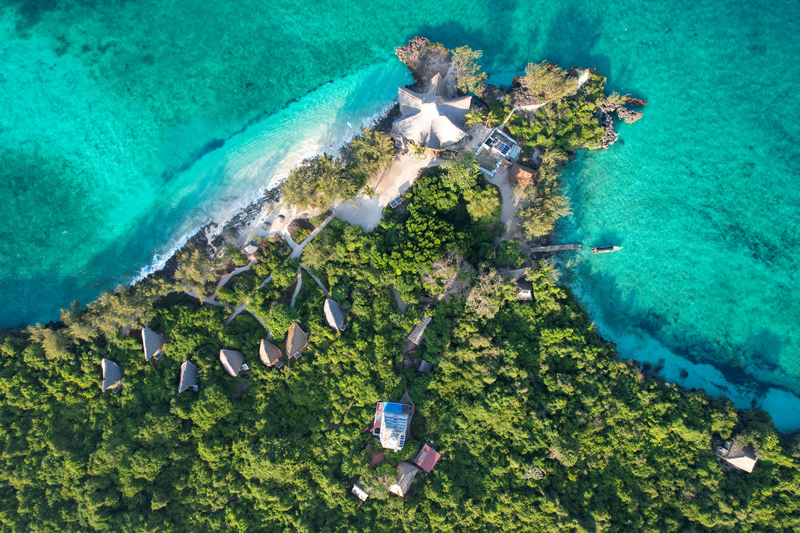
Chumbe Island sits in the channel between Zanzibar and the mainland, about twelve kilometres south-west of Stone Town, and it is the most quietly important place on this whole website's coast: the world's first privately established and managed marine protected area, a coral reef sanctuary and forest reserve developed from 1991 and formally protected from the mid-1990s, run on a single radical idea that turned out to work. The idea, the founder's, was that tourism could pay for conservation directly, that guests who came to snorkel a protected reef and sleep in eco-bungalows would fund the reef's protection and free environmental education for Zanzibar's schoolchildren at the same time, and thirty years of awards and one of East Africa's healthiest reefs are the proof it held.
The result is a reef most divers rank among the best shallow snorkelling anywhere. Along roughly a kilometre of protected coral the sanctuary holds a large share of all the hard-coral species found in East Africa, with several hundred reef-fish species and turtles present year-round, and it is that dense precisely because of the rules: no fishing, no anchoring, no coral collection, and, notably, no scuba diving in the sanctuary at all, snorkelling only, guided and respectful, under an internationally recognised reef code. The reef is a no-take zone, the fish know it, and the difference between Chumbe's water and the fished reefs around it is visible in the first ten minutes.
Above the water the island matches it: a Closed Forest Reserve of coral-rag forest, home to giant coconut crabs, the rare Ader's duiker, nearly two hundred plant species and a 1904 lighthouse, all walked with a ranger. Seven solar-powered eco-bungalows are the only accommodation, and day trips run subject to the strict guest caps that keep the place what it is.
Safari-tz.com builds Chumbe as the conservation centrepiece of a Zanzibar holiday, a day trip or an eco-bungalow stay, exactly as the sections below map.
Chumbe Island at a Glance (Quick Facts)
Key Facts Before You Book Your Visit
Quick Chumbe Island facts from Safari-tz.com: the world's first private marine park off Zanzibar, snorkel-only reef, eco-bungalows and guest caps.
The short version: a tiny protected island off Zanzibar with one of East Africa's best reefs, funded by its own visitors, snorkel-only, capped, and worth planning ahead for.
- The park: The world's first private marine protected area, a coral reef sanctuary plus a closed forest reserve, run by a non-profit-purposed company that funds conservation and school education from guest revenue.
- The reef: Around a kilometre of protected coral holding a large majority of East Africa's hard-coral species and several hundred reef-fish species, with turtles year-round. Rated among the best shallow snorkelling in the region.
- Snorkel only: No scuba diving is allowed in the sanctuary, only guided snorkelling. Divers use nearby reefs off Zanzibar instead. This is a rule, not a limitation, and the reef is the reason.
- The forest: A coral-rag forest reserve with giant coconut crabs, the rare Ader's duiker, birds, and a 1904 lighthouse and old mosque, walked with a ranger.
- Staying: Seven solar eco-bungalows, full board, all activities included. Day trips also run, but only when bungalow bookings leave capacity.
- The catches: Guest numbers are strictly capped; day trips book only a few days ahead and depend on availability; the island closes annually for maintenance; a per-person conservation levy applies. Planning ahead matters here more than anywhere on this coast.
- Access: A short boat transfer from the Mbweni side, south of Stone Town.
- Best months: June to October and December to February; the island closes for part of the long-rains season.
What Is Chumbe Island Famous For?
The Reef, the Crabs, and the Idea
Chumbe is famous as the world's first private marine park, for its pristine coral reef and giant coconut crabs, and for funding conservation itself.
Chumbe's fame runs on three things, and the third is the one that made the first two possible and the one the world came to study.
The reef first, because it is what guests come for. Chumbe's coral sanctuary is repeatedly described by marine scientists as one of the finest shallow coral gardens anywhere, a kilometre of reef holding the overwhelming majority of the hard-coral species found along the entire East African coast and hundreds of reef-fish species, and the snorkelling over it is consistently rated among the best in the Zanzibar archipelago and East Africa. What makes it exceptional is not exotic geography but protection: a no-take sanctuary since the early 1990s, unfished, unanchored, undived, and the reef has responded by becoming what unprotected reefs used to be. Snorkellers who have swum Zanzibar's other sites notice the difference immediately, more fish, bigger fish, unbroken coral, an ecosystem behaving as it should.
The coconut crabs second, the forest's headline: Birgus latro, the largest land-living crab on Earth, reaching impressive size, sheltered in Chumbe's coral-rag forest and met on the guided evening crab walk that is one of the island's signature experiences, a genuinely prehistoric-looking creature you can stand beside, protected here as carefully as the coral.
The idea third, and it is why conservationists worldwide know the name. Chumbe was the first privately established and managed marine protected area in the world, built on the founder's conviction that ecotourism could fund conservation without a government grant or an NGO subsidy, guests paying for a reef's protection by visiting it. It worked, it won awards for two decades, and it became a template studied and copied across the tropics, a place recognised even by the UN as a model of paying for nature by valuing it. A snorkel at Chumbe is a swim through a working answer to how reefs survive the century.
Where Is Chumbe Island Located?
Finding Chumbe on the Zanzibar Map
Chumbe Island lies about twelve kilometres south-west of Stone Town in the channel between Zanzibar and the mainland, a short boat trip from Mbweni.
Chumbe is a small forested island in the channel that separates Zanzibar's main island, Unguja, from the Tanzanian mainland, lying about twelve kilometres south-west of Stone Town and reached by a short boat transfer from the Mbweni area on Zanzibar's south-west coast. The island is tiny, roughly half a mile long and a couple of hundred yards wide, a scruffy-looking scrap of forest on fossil coral rock whose ordinariness above water is the standing joke of every arrival, because the extraordinary part is underneath.
The position explains the reef's survival as much as any rule does. Chumbe sat for much of the twentieth century as a quiet, near-uninhabited island in a militarily sensitive channel, which kept fishermen away and left the reef largely undisturbed through the decades that stripped busier waters, so when the park was established it was protecting something already rare, one of the last pristine coral islands in the region rather than a damaged one being nursed back. Geography did the first half of the conservation; the park did the rest.
The orbit note for this marine series: Chumbe is the Zanzibar entry, and it changes the coast's character on this website. Where the Tanga and Maziwe pages sold the quiet emerging mainland, Chumbe sits off the archipelago every Zanzibar visitor already reaches, a short transfer from the Stone Town and south-west-coast bases, which makes it the rare marine reserve that folds into a holiday most travellers are already taking. It is the conservation jewel of a Zanzibar week rather than an expedition of its own, and the combinations section builds it into the beaches, Stone Town and the wider archipelago accordingly.
Why Should I Visit Chumbe Island?
The Case for the Model Reef
Why visit Chumbe: East Africa's best shallow reef, a genuine conservation model, giant coconut crabs, and a Zanzibar day that means something.
Because Chumbe is the Zanzibar day that spoils the others, the reef so healthy that every snorkel afterward is measured against it, wrapped in a conservation story that turns a beach excursion into something you actually think about.
The reef argument leads and it is nearly enough on its own. Zanzibar's famous coasts offer plenty of snorkelling, much of it good, some of it crowded and tired; Chumbe offers the reef those others used to be, protected long enough to have recovered fully, and snorkellers routinely call it the best they have swum in East Africa or anywhere. For a traveller who cares about what is actually under the water rather than the boat that got them there, Chumbe is the archipelago's clear high point, and the snorkel-only rule that keeps the divers out is exactly why the snorkelling is this good.
The meaning argument follows, and it is Chumbe's real distinction. This is not a reef you consume; it is a reef you help sustain, every visitor's fee funding the sanctuary's protection and the free environmental education that Chumbe gives thousands of Zanzibari schoolchildren and fishers, a model recognised worldwide. Guests leave having swum a spectacular reef and, quietly, having paid for its future, which is a rarer souvenir than a tan and the reason the reviews so often use the word guilt-free. Travellers who have felt uneasy about tourism's footprint find at Chumbe the version where the footprint is positive.
And the whole-island argument closes it: this is not only a reef but a forest reserve with the world's largest land crab, a historic lighthouse, a ranger-led ecology lesson and, for overnight guests, seven eco-bungalows and a silence the resort coasts cannot offer. Day-trippers get the reef and the crabs and the forest; overnight guests get the island after the boats leave, which several reviews call the best thing they did in Tanzania. The combinations and accommodation sections build both.
What Marine Life Can I See at Chumbe?
What the Protected Reef Shows
Chumbe marine life: most of East Africa's hard-coral species, hundreds of reef fish, turtles year-round, plus giant coconut crabs in the forest.
The honest register at Chumbe reads differently from every other marine page in this series, because protection has made the abundance the expectation rather than the hope, and the honesty here is mostly about how much there is.
The coral itself is the headline, unusually for a wildlife section, because Chumbe's reef is famous for the corals before the fish: a kilometre of sanctuary holding the large majority of all hard-coral species recorded in East Africa, dozens of coral genera across the reef's shallow gardens, a density and health that coral scientists travel to see and that gives the snorkelling its cathedral-of-colour reputation. You are swimming over the living structure itself, not just the fish that use it, and the guides read it for you.
The fish follow in the numbers protection produces: several hundred reef-fish species by the sanctuary's counts, the parrotfish and wrasse and butterflyfish and angelfish in the abundance a no-take zone allows, schooling fish thick over the coral, and the general sense, which fished reefs cannot give, of an ecosystem at full population. Turtles are present year-round, green turtles especially, met on the reef often enough that they are a genuine expectation rather than this series' usual lucky-sighting hedge, though wild turtles still keep their own hours. Reef sharks and larger fish patrol the edges for the sharp-eyed.
The forest adds the land register that no other marine page carries: the giant coconut crabs, the largest land crabs on Earth, met on the evening crab walk; the rare Ader's duiker, the shy little antelope found in almost nowhere else on the planet; the birds and the coral-rag forest's nearly two hundred plant species; and the hermit crabs and intertidal life of the shore walks. The redirect, for once, barely applies, because Chumbe's whole point is that the life is here, concentrated, protected and present, the richest single stop this marine series will describe.
When Is the Best Time to Visit Chumbe?
The Season, the Tide, and the Closure
Visit Chumbe June to October or December to February for calm, clear water; note the annual maintenance closure in the long-rains season.
June to October first, December to February second, the archipelago's standard, and Chumbe adds the marine series' sea-and-tide pair plus one variable unique to a managed island: it closes.
The season sets the sea, in the series' clarity-and-calm terms: the dry windows deliver the calm channel crossing, the clear water over the sanctuary, and the best visibility for the snorkelling that is the entire day, and Zanzibar's peak months line up with them; the water is warm year-round, the coral and fish are there in every open month, and the difference the season makes is comfort and clarity rather than presence. The tide plays its marine-series part too, gentler here than at Maziwe's vanishing sandbank but real: guided reef snorkels and the intertidal walks run on the tide's timetable, the full-island intertidal circuit is only possible on the spring low tides around the new and full moon, and the rangers build the day around the water accordingly.
The closure is Chumbe's own variable and the one that catches the unwary: the island shuts completely for an annual maintenance season in the long-rains period, a stretch of several weeks when neither day trips nor stays are possible, dates set each year, so a Chumbe visit is one to confirm against the calendar before it is promised. This is the managed-reserve equivalent of the mainland's weather closures, planned rather than imposed, and it is exactly the kind of detail that separates a booked visit from a disappointed arrival.
Both the ordinary variables and the special one, one plan: the dry windows for the sea, the tide for the day's shape, and the calendar checked against the closure before anything is fixed. Get those right and Chumbe performs like the model it is.
Is Chumbe Good for First-Time Snorkellers?
A Guided Reef That Welcomes Beginners
Chumbe suits first-time snorkellers well: shallow protected reef, guided tours, provided gear and expert rangers, with a snorkel-only sanctuary.
Yes, and Chumbe is one of the most reassuring first-time reefs in the region, because a shallow protected reef with expert guides and a strict code is exactly the environment a nervous beginner needs, and the island is set up to provide it.
The beginner case: the sanctuary is a shallow reef, snorkelled from the surface rather than dived, and the guided tours that are the standard for day guests put a trained ranger in the water with you, reading the reef, managing the group, and helping the uncertain, with equipment provided and the tours pitched to newcomer and expert alike. The water is warm and, in the dry windows, calm and clear; the reef starts close to shore; and the guides' job is precisely to ensure that a snorkelling newcomer gets the most out of it safely, which the reviews confirm they do, first-time snorkellers and children among the most enthusiastic voices. Overnight guests may snorkel independently from the beach when the tides allow and the rangers agree, but the guided reef tour is the heart of the experience for everyone.
The rules are part of the welcome, not against it: every snorkeller follows the internationally recognised reef code, no touching coral, no standing on it, careful fins, and the briefing that comes with it is genuine reef education rather than a formality, part of why beginners leave Chumbe better snorkellers than they arrived.
The scuba note, clear and final, because it defines the destination: there is no scuba diving in the Chumbe sanctuary, at all, except for research; the reef is a snorkel-only zone, and that rule is the reason it is as good as it is. Certified divers wanting tanks use Zanzibar's other reefs and dive centres, which this website arranges separately, and even they should snorkel Chumbe, because the shallow sanctuary shows what the dived reefs have mostly lost.
Is Chumbe Island Safe to Visit?
How Risk Is Managed on a Guided Reef
Chumbe safety rests on guided snorkelling, a managed reef code, the short boat transfer, sun care and ranger-led forest and crab walks.
Chumbe runs the most managed safety profile of any marine page in this series, because a capped, guided, professionally run private reserve is a controlled environment by design, and the risk conversation is correspondingly short.
The reef and the water lead, under the guiding that defines the place: snorkelling happens on guided tours with trained rangers in the water, the group's shape and the reef code both maintained by people who run this reef daily, and the beginner's real risks, panic, overreach, drifting, are managed by the guide's presence in a way independent snorkelling elsewhere cannot match. The water is shallow and, in the recommended windows, calm; entries are easy; and the rangers match the day to the conditions and the guests. Children snorkel within arm's reach under the standing law, and the reef code that protects the coral protects the visitor from it in the same motion, sharp coral and urchins respected by the no-touch rule.
The boat transfer is short and professionally run, the Mbweni crossing a fraction of the open-water hours the mainland reserves demand, on the island's own managed shuttle, the seaworthy-craft-and-lifejacket floor a given at a reserve of this standard.
The land's small items get their lines: the forest and intertidal walks are ranger-led over coral-rag rock and reef flat that reward closed shoes and attention, the coconut crab walk happens after dark with the ranger's light and the sensible no-handling rule, and the equatorial sun, doubled off water and pale sand, is the day's most underestimated hazard, answered by reef-safe cover the reef code requires anyway. The island's remoteness is real but softened by its professional management and Stone Town's proximity, the gentlest remoteness setting in this marine series.
The site-wide medical close stands, unamended, with the marine coda: declare what swimming and boat travel affect at booking.
How Many Days Do I Need for Chumbe Island?
A Day Trip, or the Island After Dark
Chumbe works as a full day trip from Zanzibar or a one-to-three-night eco-bungalow stay, the overnight version being the one guests rave about.
A full day at minimum, one to three nights ideally, and Chumbe is the rare marine day this series will actively push you to extend, because the day trip is excellent and the overnight is transformational, and the difference is the island after the boats leave.
The day trip is the accessible version and a genuinely full one: the morning boat from the Mbweni side, the guided reef snorkel, the forest and mangrove walk, the lighthouse and visitor-centre tour, the eco-bungalow look, and the Zanzibari lunch the island is quietly famous for, a complete day returning in the afternoon. It delivers the reef, the crabs by arrangement, and the conservation story in one visit, and for many Zanzibar holidays it is the right and sufficient choice. The one honest note the reviews raise: the day is managed with gaps between activities, so day-trippers who want maximum reef time should say so at booking, and we ask for them.
The overnight stay is the version guests describe in superlatives: one to three nights in one of the seven solar bungalows, full board, all activities included, and, crucially, the island to yourself once the day boat has gone, the night crab walk, the independent beach snorkelling when the tides allow, the plankton-lit night sea some guests catch, and a silence and darkness the resort coasts cannot manufacture. Reviewers routinely say a single night was not enough, which is the truest recommendation a place can earn, and the three-plus-night stays read as the ones people plan their return around.
The itinerary frame is this marine series' standing one with a Zanzibar accent: Chumbe is the conservation centrepiece of a Zanzibar holiday, set as a day trip inside a beach-and-Stone-Town week or as a two-or-three-night highlight within it, and the crucial practical truth is that it cannot be improvised, the guest caps, the four-day day-trip booking window and the annual closure all demanding that Chumbe be planned early, which the booking section makes its whole point.
What Activities Are Available at Chumbe?
Snorkel, Forest, Crabs and Lighthouse
At Chumbe: guided reef snorkelling, the coconut-crab walk, coral-rag forest trails, intertidal walks, the 1904 lighthouse and the education centre.
Chumbe's menu is all-inclusive and all-guided, and it sorts by reef, forest and the story that funds both.
On the reef: guided snorkelling over the coral sanctuary is the headline and the reason to come, roughly hour-long tours with a ranger through the protected gardens, reef fish and turtles the rewards, the reef code the frame; overnight guests add independent beach snorkelling when the tides and rangers allow, and the night snorkel that changes the reef's colours entirely; and the intertidal walk, the low-tide exploration of the reef flat's pools and seagrass on foot, the full-island circuit reserved for the spring low tides around new and full moon and shorter versions available on most low tides. Scuba stays off the sanctuary by rule, per the whole page.
In the forest: the coral-rag forest trails, walked with a ranger who reads the coconut-crab holes and the medicinal plants and the birdlife; the coconut crab walk after dark, the island's signature evening, meeting Birgus latro at its nocturnal business; and the shore and baobab walks that show the island's strange fossil-coral landscape.
The monuments and the meaning: the 1904 lighthouse, climbable for the channel panorama that has spotted dolphins and even whales; the old mosque and the island's historical traces; and the visitor and education centre, where the conservation model is explained and where, on the days it aligns, guests meet the Zanzibari schoolchildren and community groups whose free environmental education their visit funds, the activity that makes the whole thing make sense.
The through-line, stronger here than anywhere in this series: every activity is guided, included, and part of a functioning conservation project, so a Chumbe day is not a menu you assemble but a curated day you join, and the curation is a feature, the rangers' expertise and the island's rhythm being half of what the visit buys.
Where Do I Stay for Chumbe Island?
The Seven Bungalows, or a Zanzibar Bed
Stay in Chumbe's seven solar eco-bungalows for the full island experience, or visit on a day trip from a Stone Town or south-west-coast base.
Chumbe's accommodation question has two clean answers, on the island or off it, and this section grades them for what each version of the visit wants.
On the island: the seven solar-powered eco-bungalows are the only beds on Chumbe and the reason the overnight experience is what it is. Built from local palm-thatch, coir rope and native wood, each has a king bed on a raised platform under a soaring makuti roof, a hammock, an open front that folds down to the forest and sea, rainwater-fed bathrooms with composting toilets, and solar power, a design the awards recognised and the reviews adore, upscale eco-rustic being the honest register, comfortable and low-footprint rather than luxurious in the resort sense. Full board, all activities and the after-hours island are included, and the scarcity, seven bungalows, capped guests, is precisely the point, producing the private-island quiet the coast's resorts cannot. This is the version this website recommends for the traveller who wants Chumbe fully, and it books far ahead.
Off the island, for the day-trippers: any Zanzibar base works, since the day trip runs from the Mbweni side south of Stone Town and most of the island's south-west and Stone Town accommodation is within reach, the choice belonging to the wider Zanzibar holiday's logic. The day trip's own constraint, covered in the booking section, is that it depends on bungalow availability and books only a few days ahead, so the off-island version wants a flexible Zanzibar itinerary that can take Chumbe on a confirmed day rather than a fixed one.
The marine-specific note, Chumbe edition: because the island caps its guests and prioritises overnight bookings, the accommodation decision and the booking timing are the same decision here, and the traveller who wants the bungalows must commit early while the day-tripper must stay flexible, the two registers demanding opposite planning styles that the booking section resolves. Booking pressure is real and structural, not seasonal; we plan for it, per standing practice.
Is Chumbe Island Good for Families?
The Family Answer: the Living Classroom
Chumbe suits nature-minded families well: shallow guided snorkelling, giant crabs, forest walks and a real conservation lesson children remember.
A strong yes for the right family, and Chumbe's particular gift to family travel is that it is a living classroom disguised as a paradise, the rare trip where children learn something real while having the best day of the holiday.
The case runs itself for nature-minded families. The guided shallow snorkelling is manageable for children who swim, with a ranger in the water; the coconut crab walk is a monster-hunt that happens to be real, Birgus latro looking exactly as prehistoric as a child could wish; the forest and lighthouse and intertidal pools are exploration at child scale; and the conservation story, delivered by rangers who love it and sometimes alongside the Zanzibari schoolchildren the visit funds, lands on young minds with a force no aquarium achieves, several reviewing families naming it the trip that turned a child toward the sea. The island's calm, capped, unhurried rhythm suits families who want engagement over entertainment.
The terms, honestly, and they matter here: this is an eco-lodge, not a resort, so families wanting kids' clubs, pools and constant activity should know the offering is nature, quiet and guided discovery, wonderful for the curious child and potentially slow for the child who needs a waterslide, and the reviews are candid that an ecological resort is not to everyone's taste. Swimming ability gates the reef, arm's reach applies, the sun discipline is at marine-doubled strength, and the composting-toilet, solar-power, open-bungalow reality is an adventure for some children and an adjustment for others, worth previewing honestly at booking. Non-swimming children still get the crabs, the forest, the lighthouse and the intertidal pools, a full island either way.
The itinerary note: as the meaningful heart of a Zanzibar family holiday, a day trip within the beach week or a night or two of genuine immersion, Chumbe gives families the archipelago's best reef and a conservation story to carry home, and it rewards the family that values the living classroom over the waterpark.
What Should I Pack for Chumbe Island?
Packing for a Reef and an Eco-Bungalow
Chumbe packing list: reef-safe sunscreen, a rash vest, water shoes, a headlamp for the crab walk, modest layers and light for the eco-bungalows.
Pack the marine series' reef list, adjusted for a place that provides more than the mainland reserves and demands a little for its eco-rustic nights.
The reef and sun kit leads, the series' standing marine core: reef-safe sunscreen, non-negotiable in a sanctuary that requires the reef code and cares intensely about its coral, plus the hat, sunglasses and a rash vest or long sun top worn in the water, the shallow reef and the reflected equatorial sun burning the unwary as they float; water shoes for the reef flat, jetty and coral-rag shore; and your own mask if you strongly prefer it, with the honest note that Chumbe, unlike the mainland reserves, provides good equipment on its guided tours, so the bring-your-own rule softens here to preference. A dry bag for the short boat crossing remains sensible.
The island kit is Chumbe's own addition: a headlamp or torch, genuinely useful for the after-dark coconut crab walk and prudent in solar-powered bungalows where the light is deliberately low, the eco-lodge reality several guests flag; insect repellent for the forest evenings, with the mosquito nets the bungalows provide; a light layer for the open-fronted bungalow's night breeze; and the modest-dress awareness for the Zanzibari context, the beach wardrobe staying appropriate to a Muslim archipelago off the reef.
The respect kit closes it, unique to Chumbe: this is a shoes-off-in-the-lodge, touch-nothing-on-the-reef, take-only-photographs kind of place, so pack the mindset with the gear, a reusable water bottle for the island's refill rather than plastic, and the understanding that the strict rules are the reason the reef is worth the trip. The subtraction rule closes at eco-bungalow weight: the island runs light on purpose, and your reef-safe, headlamp-carrying self signs a bag that took the hint.
How Much Does a Chumbe Island Visit Cost?
What You Pay, and Why It Is Worth It
Chumbe Island costs cover an all-inclusive day trip or full-board eco-bungalow stay plus a conservation levy, all funding the reef's protection.
Chumbe prices as the premium, all-inclusive conservation destination it is, and the honest headline is that it costs more than a generic Zanzibar snorkel trip and returns more than one, in reef quality, in inclusions, and in where the money goes.
The structure: the day trip is an all-inclusive package, the boat transfers, the guided snorkel, the forest and lighthouse tours, the eco-bungalow visit and the celebrated Zanzibari lunch with drinks all bundled into one per-person rate, so the day's apparent price is the day's whole price rather than a base fare with extras; the overnight stay is full board with all activities and the after-hours island included, priced per bungalow per night at the premium the seven-bungalow scarcity and the conservation model command. On top of both sits a per-person conservation levy introduced in 2024, a government blue-economy charge applied per visitor per day, which the enquiry team quotes current because such levies change. Alcohol and personal extras sit outside the inclusions.
The comparison the archipelago forces gets its honest line: Chumbe is not the cheap snorkel day, and travellers pricing it against a fifteen-dollar boat to a crowded reef are pricing the wrong thing, because what Chumbe sells is the best reef in the region, every activity guided and included, a lunch guests rank among Zanzibar's finest, and a fee that funds conservation rather than merely a boatman's afternoon. Against that, the reviews' verdict is nearly unanimous, the price is high and the price is worth it, and this page agrees.
The functioning-structure defence reaches its purest form in this series here: at Chumbe the money is the mechanism, the entire park, the reef protection, the school education, the rangers' training, funded by exactly what guests pay, so paying properly is not supporting the conservation alongside your visit, it is the conservation, and we quote it in full and gladly.
Figures stay off the page at standing strength, rates and levies revising on their own schedules; quotes arrive itemised, package or bungalow, levy, extras on their lines, for your dates and party.
How Do I Get to Chumbe Island?
To Mbweni, Then the Morning Shuttle
Reach Chumbe Island by a short boat transfer from the Mbweni area south of Stone Town, on the island's own scheduled morning-and-afternoon shuttle.
In the marine series' two stages, both short and both managed by the island: to Mbweni, then onto Chumbe's own shuttle.
To the departure point: the boat leaves from the Mbweni area on Zanzibar's south-west coast, just south of Stone Town, reached by road from anywhere on the island, roughly a short transfer from Stone Town and the nearer south-west coast and longer from the north and east beaches, the drive folded into the day per the accommodation section's base logic. Zanzibar itself is reached by the archipelago's usual means, the flights into its international airport and the ferries from Dar, the standing Zanzibar-holiday access this website's Zanzibar pages map.
Onto the island: Chumbe runs its own scheduled boat shuttle from the Mbweni pier, out in the morning and back in the afternoon, a short crossing of the channel to the island, and here the marine series' tide rule plays its Chumbe part, gentler than Maziwe's but real, the shuttle and the reef activities timed to the island's managed schedule and the tides, which the reserve builds around and the visitor simply meets. Unlike the mainland reserves' improvisable local boats, Chumbe's transfer is part of the booked package, scheduled and professional, which is both a convenience and a constraint, you travel on Chumbe's timetable, not your own.
The daily law, Chumbe edition, is really the booking law in disguise, and it is this page's refrain: Chumbe cannot be turned up to. The guest caps, the four-day day-trip booking window, the priority for overnight guests and the annual closure mean the island is reached by planning rather than by arriving, and the single most important thing a visitor can do is book early through someone who tracks the caps and the calendar. Learn the schedule, book ahead, and the rest of the day runs on the island's own quiet clock.
Can Chumbe Be Combined With Other Trips?
The Reef Inside the Island Holiday
Combine Chumbe with Stone Town, the Zanzibar beaches, a spice tour or Jozani forest, or as the conservation highlight of a safari-and-beach trip.
Chumbe combines as the conservation highlight of a Zanzibar holiday, and the section threads it into the archipelago's classic pieces and the wider trip beyond.
The Zanzibar holiday leads, because Chumbe belongs inside it rather than instead of it: Stone Town's history and its own reef trips, the north and east coast beaches most travellers build the week around, the spice-farm tours, and Jozani Forest, whose Ader's duiker and red colobus make it Chumbe's forest-reserve cousin on the main island, all combine with a Chumbe day or stay into the full Zanzibar week, the reef the conservation centrepiece and the rest the holiday around it. This is the version we build most, Chumbe as the day the beach week is quietly organised around.
The mainland marine pairing is this series' own, and Chumbe completes its arc: where the Tanga and Maziwe pages sold the emerging mainland coast, Chumbe is the archipelago's polished counterpart, and a northern-Tanzania trip can hold both faces, the quiet found coast of Tanga and Maziwe and the model reef of Chumbe, the comparison section pricing how they differ and why a traveller might want each.
The safari-and-beach frame closes the map, the classic Tanzania combination: the northern circuit's game, then Zanzibar's rest, with Chumbe as the beach half's conscience and highlight, the reef and the conservation story sending safari travellers home having ended on something more considered than a sunbed. Overnight Chumbe in particular reads as the reflective finish to an intense safari, the island's silence after the Serengeti's engines.
The caution is Chumbe's structural one, not a seasonal note: the caps, the booking window and the closure mean Chumbe must be locked into the itinerary early, so the combinations that feature it are planned around its availability rather than slotted in on arrival, which the booking section makes the whole point of using us.
Chumbe vs Tanga & Maziwe: Which Reserve?
The Model Reef and the Quiet Coast
Chumbe or the mainland reserves? Compare the polished Zanzibar model reef with Tanga and Maziwe's quiet emerging coast by reef, cost and character.
This marine series' comparison frame widens to three, and Chumbe anchors the pole opposite the mainland pair: where Tanga and Maziwe are the quiet, emerging, found coast, Chumbe is the polished, proven, managed model, and the choice is really about what kind of marine day a traveller wants.
Chumbe is the model reef: the best shallow snorkelling in the region by broad agreement, a fully managed private reserve with guided everything, world-class conservation credentials, seven eco-bungalows, and a premium, all-inclusive price that funds it all, off an archipelago most travellers already visit. Its limits are its virtues inverted, no scuba, capped guests, book-ahead-or-miss-it, premium cost, a curated day rather than a free one, the trade for a reef and an experience nothing on this coast matches. Tanga and Maziwe are the quiet coast: near-private, emerging, rough-edged and cheap by comparison, the vanishing sandbank and the coelacanth coast, marine days you can more nearly improvise, on a mainland shore almost nobody reaches, with the roughness and the discovery that implies.
The matching: the best possible reef, guided and guilt-free, inside a Zanzibar holiday and worth the premium and the planning, Chumbe; the found coast, the quiet, the sandbank magic and the honest price, on a mainland trip, Tanga and Maziwe; families lean Chumbe for the guided living-classroom safety and Maziwe for the wilder sandbank freedom. And the both answer, for the traveller doing a full northern-Tanzania-and-Zanzibar trip, is the richest of all, the emerging mainland coast and the model island reef, the two ends of what marine conservation looks like in this country, the struggling-and-recovering and the proven-and-thriving, a contrast more instructive than any single reef.
Three marine reserves now stand, the coelacanth coast, the vanishing sandbank and the model reef, and the frame will keep growing as Mafia, Mnazi Bay and the Dar reserves publish, each an ask-and-pay position this comparison will place.
Why Book Chumbe Island With Safari-Tz.Com?
The Caps Beaten, the Reef Secured
Book Chumbe with Safari-tz.com: the guest caps and booking window navigated, the closure checked, the stay or day trip secured and quotes itemised.
Chumbe is the page where booking ahead is not advice but the entire difference between going and not going, because this is the most access-constrained destination on this website and its constraints defeat the improviser completely. The caps mean the island can be full. The four-day day-trip window means casual same-week plans collapse. The overnight priority means the bungalows go to those who booked months out. The annual closure means a whole stretch of the calendar is simply shut. And the premium, all-inclusive structure means a wrong booking is an expensive wrong booking. Every one of these is navigable, and navigating them is exactly what booking through us provides: the bungalow held early against the scarcity, or the day trip secured inside its narrow window and against the availability the caps allow; the closure checked before the itinerary is built around a shut island; the reef-time and activity preferences flagged so the day is not the gappy version the reviews warn about; the conservation levy and the inclusions quoted in full so nothing surprises at the pier; and the whole Chumbe visit set into the Zanzibar holiday, day trip or immersive stay, where it lands hardest.
That is the day before the day at its most literal, because at Chumbe the day cannot exist without the booking that reached it, and the standing sentence carries into the marine series' third page with its meaning sharpened: guests do not experience our logistics in proportion to their size, and at a capped island reached only by planning, the whole visit rides on the logistics being handled before you ever see the boat. Lead guides Geoffrey Komba, William Mwasimba, and Isaac Munuo oversee our operations, and the archipelago's finest reef is covered with the same field honesty this website brought to its mountains and its mainland coast.
Ready to plan your Chumbe Island visit?
- Request a tailor-made quote (fastest, best for a real plan)
- WhatsApp: +255 740 666 662
- Email: info@safari-tz.com
Tell us your Zanzibar dates, whether you want the day trip or an eco-bungalow stay, and your comfort in the water. You will get the caps navigated, the closure checked and an itemised quote.