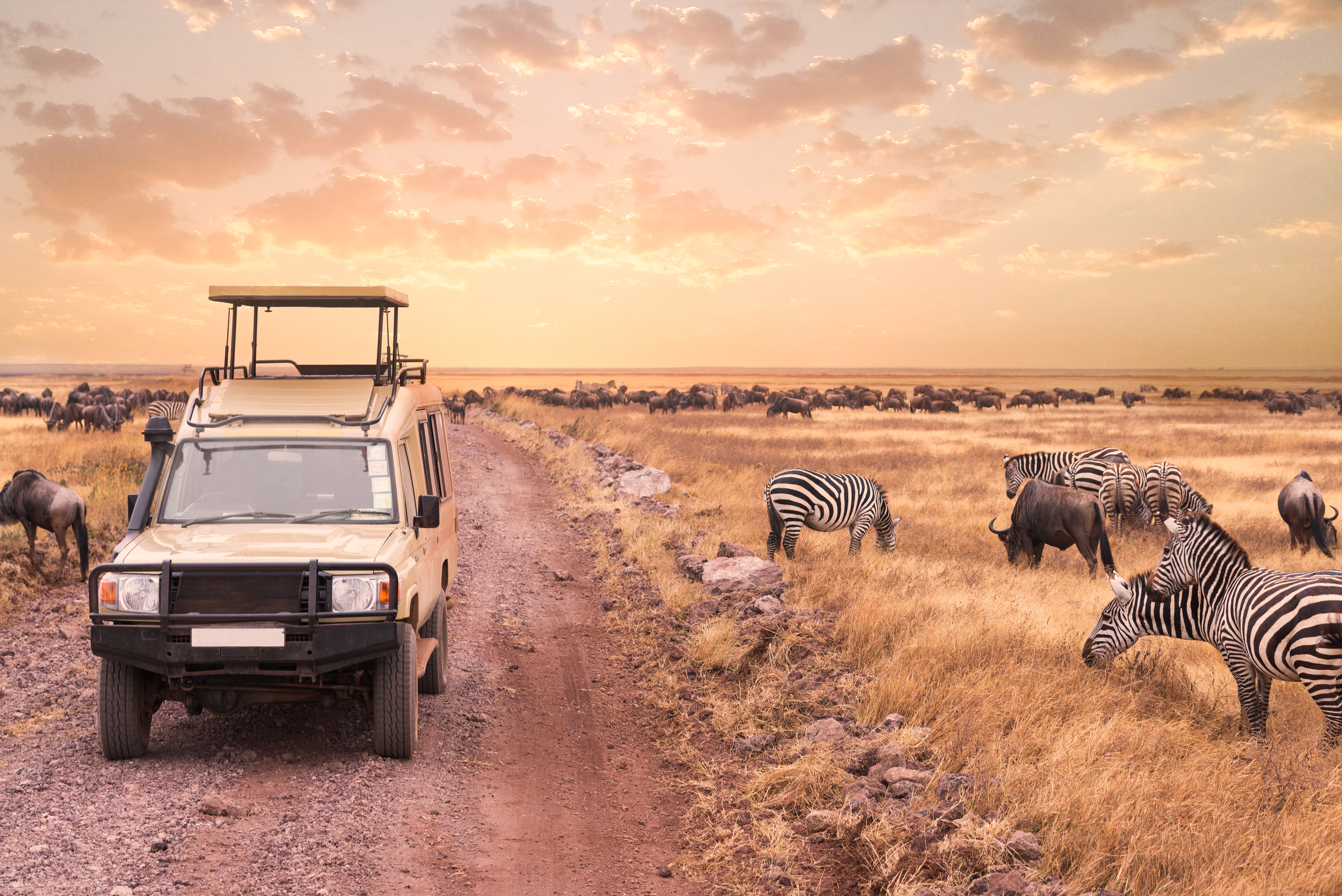
Ikorongo Game Reserve Safari Guide
ikorongo game reserve overview
ikorongo at a glance (quick facts)
what is ikorongo famous for?
where is ikorongo located?
why should i visit ikorongo?
what wildlife can i see at ikorongo?
when is the best time to visit ikorongo?
is ikorongo suitable for first-time visitors?
is ikorongo safe to visit?
how many days do i need for ikorongo?
what activities are available at ikorongo?
where do i stay for ikorongo?
is ikorongo suitable for families?
what should i pack for ikorongo?
how much does an ikorongo safari cost?
how do i get to ikorongo?
can ikorongo be combined with other trips?
ikorongo vs grumeti: which reserve?
why book ikorongo with safari-tz?
Ikorongo Game Reserve Overview
Where the Serengeti Continues Quietly
Discover Ikorongo Game Reserve, part of Tanzania's Serengeti-Mara ecosystem, offering uncrowded wildlife viewing, migration routes and authentic safaris.
Ikorongo Game Reserve occupies an important position in northern Tanzania's conservation network. Lying immediately west and north-west of the Serengeti National Park, it protects one of the major wildlife dispersal areas of the wider Serengeti–Mara ecosystem. Together with neighbouring Grumeti Game Reserve, it forms a continuous conservation landscape managed under the Tanzania Wildlife Management Authority (TAWA), helping safeguard one of the world's last great wildlife migrations.
Unlike the Serengeti's better-known central plains, Ikorongo remains remarkably quiet. Visitor numbers are low, roads are less travelled and wildlife sightings often unfold without the convoy of safari vehicles common in more famous locations. The experience rewards travellers who value wilderness over popularity and patience over predictable schedules.
The reserve takes its name from the roan antelope, locally known as "Korongo", a species once commonly seen throughout this landscape. Today Ikorongo protects open savannah, wooded grassland, riverine habitats and seasonal watercourses that sustain wildlife throughout the year. During migration periods, enormous herds move through the reserve as they continue their annual journey between Tanzania and Kenya, while resident predators remain throughout the seasons.
Safari-TZ includes Ikorongo within selected northern Tanzania itineraries for guests seeking a deeper understanding of the Serengeti ecosystem beyond the traditional national park boundaries.
Ikorongo at a Glance (Quick Facts)
Quick Facts Before You Visit
Essential Ikorongo Game Reserve facts including location, wildlife, migration, accessibility and the best seasons for safari.
The short version: Ikorongo is one of Tanzania's quietest safari reserves and an important part of the Serengeti ecosystem, offering authentic wildlife viewing with comparatively few visitors.
- Location: Mara Region, adjoining Serengeti National Park and neighbouring Grumeti Game Reserve.
- Protected since: 1994 under Tanzania's protected area network.
- Management: Tanzania Wildlife Management Authority (TAWA).
- Ecosystem: Serengeti–Mara migration landscape.
- Wildlife: Lion, elephant, buffalo, giraffe, leopard, cheetah, spotted hyena, zebra, wildebeest and numerous antelope species.
- Migration: Seasonal movements of wildebeest and zebra pass through the reserve.
- Best months: June–October for dry-season game viewing and migration towards the Maasai Mara; January–February also offers excellent wildlife opportunities.
- Nearest town: Mugumu.
- Nearest airstrip: Fort Ikoma Airstrip.
What Is Ikorongo Famous For?
The Serengeti Without the Crowds
Ikorongo Game Reserve is known for uncrowded safaris, Great Migration routes and its role within the greater Serengeti ecosystem.
Ikorongo's reputation comes less from famous landmarks and more from geography. It protects an essential section of the Serengeti ecosystem where wildlife continues moving exactly as nature intended, unconcerned with administrative boundaries.
During migration season, wildebeest and zebra pass through the reserve on their journey towards Kenya's Maasai Mara, followed closely by lions, hyenas and other predators. Outside migration months, resident wildlife remains abundant thanks to the reserve's rivers, woodlands and open grasslands that provide year-round habitat for large mammals.
Perhaps Ikorongo's greatest strength is what it lacks: heavy visitor traffic. Travellers often enjoy prolonged wildlife sightings without dozens of safari vehicles surrounding each predator or river crossing. For photographers and repeat visitors to Tanzania, this quieter atmosphere frequently becomes the reserve's defining memory.
Safari-TZ positions Ikorongo as a destination for travellers who have already experienced the famous parks and now seek a more intimate safari within the same world-renowned ecosystem
Where Is Ikorongo Located?
Understanding Its Position
Learn where Ikorongo Game Reserve lies within Tanzania's Serengeti-Mara ecosystem and how it connects to neighbouring reserves.
Ikorongo Game Reserve lies in Tanzania's Mara Region immediately adjacent to Serengeti National Park. Together with Grumeti Game Reserve, it forms a continuous protected landscape that extends the ecological reach of the Serengeti beyond the national park itself.
Road access is available from Arusha through the Serengeti, from Mwanza, Musoma and Mugumu, while scheduled and charter flights can operate to nearby Fort Ikoma Airstrip, located only a short distance from the reserve entrance.
Its location makes Ikorongo particularly attractive as an extension to western Serengeti itineraries. Rather than requiring a completely separate safari, it naturally complements several northern circuit routes while introducing visitors to a quieter side of Tanzania's most celebrated wildlife region.
Why Should I Visit Ikorongo?
The Value of Going Beyond the Famous
Discover why Ikorongo Game Reserve offers authentic wildlife viewing, fewer vehicles and one of Tanzania's most rewarding safari experiences.
Ikorongo rewards travellers who appreciate wilderness rather than popularity. It shares the same ecological richness that has made the Serengeti internationally famous, yet it remains overlooked by many first-time visitors simply because its neighbour receives most of the attention.
For photographers, the quieter roads often mean longer wildlife encounters and cleaner compositions without lines of safari vehicles. For experienced safari travellers, Ikorongo provides an opportunity to witness the Serengeti ecosystem from a different perspective, where patience is often rewarded with remarkably personal game-viewing experiences.
Conservation also forms part of the destination's appeal. Every visit contributes to protecting an important wildlife corridor that allows animals to move naturally between protected landscapes, maintaining one of Earth's last functioning large-mammal migrations.
Safari-TZ recommends Ikorongo not as an alternative to the Serengeti, but as its quieter companion—an opportunity to experience the same extraordinary ecosystem with a greater sense of space, solitude and authenticity.
What Wildlife Can I See at Ikorongo?
A Complete Serengeti Wildlife Community
Discover Ikorongo's wildlife including lions, elephants, cheetahs, leopards, buffaloes, giraffes, migration herds and more than 400 bird species
Ikorongo protects one of northern Tanzania's richest wildlife communities because it forms part of the greater Serengeti ecosystem rather than existing as an isolated reserve. Animals move naturally between Ikorongo, Grumeti and Serengeti National Park, creating year-round opportunities to observe both resident wildlife and seasonal migrants.
Large mammals define most game drives. Lions patrol the open plains and woodland edges while leopards favour riverine trees and thicker vegetation. Cheetahs hunt the grasslands where visibility allows their remarkable speed to become their greatest advantage. Spotted hyenas remain common throughout the reserve and frequently accompany migration movements, while black-backed jackals and smaller carnivores complete the predator community.
Herbivores are equally impressive. Elephant herds regularly move through woodland habitats alongside buffalo, giraffe, topi, hartebeest, eland, impala, Thomson's gazelle, Grant's gazelle, waterbuck and warthog. Hippopotamus and Nile crocodiles occupy permanent waterways where suitable habitat exists, particularly during the dry season when animals concentrate around dependable water sources.
Birdwatchers also find exceptional diversity. Raptors patrol the skies, kingfishers and herons frequent river systems, while hornbills, rollers, bee-eaters and numerous migratory species contribute to a bird list exceeding several hundred recorded species across the wider Serengeti ecosystem.
Unlike fenced reserves elsewhere in Africa, Ikorongo's wildlife remains completely free-ranging. Every safari reflects genuine natural movement rather than predictable viewing, making each game drive unique.
When Is the Best Time to Visit Ikorongo?
Choosing Your Safari Season
The best time to visit Ikorongo Game Reserve depends on migration movements, wildlife concentrations and seasonal rainfall throughout northern Tanzania
Ikorongo rewards visitors throughout the year, although each season offers a different safari experience rather than a universally "best" one.
From June through October, the dry season delivers excellent wildlife viewing. Vegetation becomes shorter, animals gather around permanent water sources and roads remain in their best condition. During these months the Great Migration gradually approaches the northern Serengeti before continuing towards Kenya, making western ecosystem reserves particularly rewarding depending on annual rainfall patterns.
The short dry period between January and February also provides excellent game viewing. Resident wildlife remains active, landscapes are green following seasonal rains and many herbivores give birth, creating outstanding predator activity across the ecosystem.
The long rains from March to May transform the reserve into lush grassland. Although some roads become more challenging, photographers often appreciate the dramatic skies, vibrant scenery and reduced visitor numbers. Wildlife remains abundant, even if thicker vegetation occasionally makes sightings more demanding.
Safari-TZ generally recommends June to October for first-time visitors seeking reliable game viewing, while experienced safari travellers often enjoy the quieter Green Season when the landscape displays its greatest beauty.
Is Ikorongo Suitable for First-Time Visitors?
Who Will Enjoy Ikorongo Most?
Is Ikorongo suitable for first-time safari travellers? Learn who benefits most from visiting this quieter Serengeti ecosystem reserve.
Yes, although expectations matter.
First-time visitors dreaming of Africa's classic wildlife experience will find everything they hope to see: expansive savannah, abundant wildlife, experienced guides and authentic game drives. The difference lies in atmosphere rather than animals. Ikorongo receives significantly fewer visitors than the central Serengeti, making patience and appreciation of wilderness more important than ticking famous locations from a list.
Guests who enjoy photography, birdwatching or simply spending longer observing natural animal behaviour often find Ikorongo particularly rewarding. Without frequent vehicle congestion, guides can remain at sightings longer and position vehicles more thoughtfully.
Travellers whose highest priority is witnessing specific migration river crossings or visiting internationally recognised landmarks may prefer combining Ikorongo with Serengeti National Park rather than choosing only one destination. The two complement each other exceptionally well.
Safari-TZ typically recommends Ikorongo for couples, photographers, repeat visitors to Tanzania and travellers seeking a deeper understanding of the wider Serengeti ecosystem beyond its most famous locations.
Is Ikorongo Safe to Visit?
Exploring Safely in Wild Country
Ikorongo Game Reserve is safe when visited with professional guides who understand wildlife behaviour and reserve regulations.
Ikorongo maintains the same safety principles followed throughout Tanzania's protected areas. The reserve is completely wild, meaning animals move freely without fences or artificial barriers, making professional guiding an essential part of every safari.
Game drives are conducted in specially designed safari vehicles by experienced driver-guides who understand animal behaviour and maintain appropriate viewing distances. Guests are advised to remain inside the vehicle unless instructed otherwise by authorised guides in designated safe areas.
Wildlife should always be treated with respect. Elephants, buffaloes, hippopotamus and large predators deserve generous space regardless of how calm they appear. Photography should never encourage unsafe positioning or disturb natural animal behaviour.
The reserve itself presents few physical challenges beyond normal safari conditions such as uneven roads, dust during the dry season and occasional muddy tracks after rain. Travellers should carry drinking water, sun protection, insect repellent and appropriate clothing for changing temperatures between morning and afternoon game drives.
Safari-TZ follows established safety procedures throughout every itinerary, ensuring guests experience Ikorongo responsibly while allowing wildlife to behave naturally.
How Many Days Do I Need for Ikorongo?
Finding the Right Balance
Plan the ideal stay in Ikorongo Game Reserve, from one-day extensions to multi-day western Serengeti wildlife itineraries.
One full day allows visitors to appreciate Ikorongo's landscapes and wildlife, particularly when incorporated into a broader northern Tanzania safari. However, the reserve rewards additional time because wildlife encounters are governed by nature rather than schedules.A two-day stay offers significantly greater flexibility. Morning and afternoon game drives explore different habitats while increasing opportunities to observe predators, elephants and seasonal migration movements. Birdwatchers and photographers especially benefit from the slower pace.
Travellers combining Ikorongo with western Serengeti, Grumeti or the northern migration corridor generally spend three to four days exploring this section of the ecosystem. This approach allows guides to adapt each day's route according to recent wildlife activity instead of following a fixed itinerary.
Safari-TZ recommends viewing Ikorongo as part of a wider western Serengeti experience rather than an isolated destination. Combined thoughtfully, it adds depth, diversity and a welcome sense of wilderness to northern Tanzania itineraries.
What Activities Are Available at Ikorongo?
Beyond the Traditional Game Drive
Discover the best activities in Ikorongo Game Reserve including game drives, wildlife photography, birdwatching and seasonal migration safaris.
Ikorongo is built around one principle: allowing wildlife to dictate the day's rhythm. Unlike destinations centred on attractions or scheduled experiences, every activity here begins with the landscape itself.
Game drives remain the reserve's signature experience. Early mornings reveal predators returning from the night's hunting while elephants, giraffes and numerous antelope species emerge into the open grasslands. Afternoon drives often become the most productive time for observing lions, hyenas and wildlife gathering near water sources before sunset.
Photography deserves particular mention. The reserve's relatively low visitor numbers frequently allow vehicles to remain at sightings longer than in busier parks. Guides can reposition carefully as light changes, giving photographers greater freedom to compose natural images without competing with multiple safari vehicles.
Birdwatching rewards patient observers throughout the year. Raptors soar over open plains, river systems attract waterbirds, while woodland habitats support colourful rollers, bee-eaters, hornbills and kingfishers. During the migratory season, bird diversity increases further as international migrants join resident species.
Seasonal migration safaris transform Ikorongo during periods when wildebeest and zebra move through the western Serengeti ecosystem. The exact timing changes each year according to rainfall, making flexibility one of the greatest advantages of travelling with experienced guides who adapt daily routes according to current wildlife movements rather than fixed expectations.
Safari-TZ builds every Ikorongo itinerary around conditions on the ground, ensuring guests experience the reserve according to nature's timetable rather than the calendar
Where Do I Stay for Ikorongo?
Choosing the Right Safari Base
Find the best accommodation near Ikorongo Game Reserve including luxury lodges, tented camps and western Serengeti safari properties.
Ikorongo itself remains intentionally undeveloped compared with many famous safari destinations. Rather than concentrating accommodation inside the reserve, most visitors stay in carefully positioned safari lodges and tented camps throughout the western Serengeti ecosystem, allowing easy access to both Ikorongo and neighbouring protected areas.Luxury tented camps provide the most immersive experience. Positioned close to wildlife corridors, they combine comfortable accommodation with immediate access to morning and afternoon game drives. Permanent safari lodges offer larger facilities while maintaining proximity to the reserve, making them popular for families and longer northern Tanzania itineraries.
Travellers combining Ikorongo with Serengeti National Park often divide their stay between central and western camps, reducing driving times while experiencing different landscapes across the ecosystem. This approach also increases opportunities to follow seasonal migration movements as wildlife changes location throughout the year.
Safari-TZ carefully selects accommodation based not only on comfort but also on location. A lodge positioned close to the day's planned wildlife activity often creates a significantly better safari than a more luxurious property requiring several additional hours of driving.
Booking well in advance remains advisable during the migration season and the northern Tanzania dry season, when the most desirable safari camps reach capacity months ahead of arrival.
Is Ikorongo Suitable for Families?
A Rewarding Family Wildlife Experience
Learn whether Ikorongo Game Reserve is suitable for families, children and multi-generational safari holidays in northern Tanzania.
Yes, although the ideal family experience depends largely on children's ages and safari expectations.Families with older children who enjoy wildlife often find Ikorongo particularly rewarding. The quieter roads create relaxed game drives where guides have more freedom to explain animal behaviour, ecosystems and conservation without feeling pressured by surrounding traffic. Young photographers also benefit from longer viewing opportunities and fewer distractions.Parents travelling with very young children should remember that game drives can be lengthy, especially during periods when wildlife moves over larger distances. Choosing accommodation close to the reserve and planning flexible daily schedules usually produces the most enjoyable experience.
Ikorongo also introduces children to conservation in a meaningful way. Seeing wildlife move naturally across connected landscapes helps explain why protected corridors remain essential for Africa's great migrations. Rather than presenting isolated wildlife encounters, the reserve demonstrates how entire ecosystems function together.
Safari-TZ recommends Ikorongo as part of a broader northern Tanzania family itinerary, balancing exciting wildlife viewing with comfortable accommodation and realistic daily driving times suited to younger travellers.
What Should I Pack for Ikorongo?
Packing for the Western Serengeti
Prepare for Ikorongo Game Reserve with practical safari clothing, camera equipment, sun protection and essential travel accessories.
Packing for Ikorongo follows the same principles as any professional northern Tanzania safari while recognising the reserve's remote character.
Neutral-coloured clothing remains the best choice for game drives. Lightweight long-sleeved shirts and trousers protect against both the African sun and evening insects without sacrificing comfort. Layers prove useful because early mornings can feel surprisingly cool before temperatures rise later in the day.
Good binoculars significantly improve the safari experience. Although guides carry spotting equipment, personal binoculars allow every traveller to appreciate distant wildlife independently. Photographers should bring extra batteries, memory cards and protective covers for cameras, particularly during the dry season when fine dust becomes part of daily safari life.
A wide-brimmed hat, sunglasses, sunscreen and reusable water bottle remain essential throughout the year. Closed walking shoes are recommended around safari camps even though most wildlife viewing takes place from the vehicle.
Travellers visiting during the rainy seasons should include a lightweight waterproof jacket, while those planning migration safaris should prioritise camera equipment capable of capturing fast-moving wildlife across open landscapes.
Safari-TZ provides detailed packing guidance before departure, tailored to each itinerary, travel season and accommodation style.
How Much Does an Ikorongo Safari Cost?
What Shapes the Price?
Understand what influences Ikorongo Game Reserve safari prices including accommodation, park fees, transport and travel season.
An Ikorongo safari is priced much like a Serengeti itinerary because the reserve forms part of the same northern Tanzania safari circuit. The overall investment depends less on the reserve itself than on accommodation standards, transportation and the length of your itinerary.
Several factors influence the final quotation. Accommodation remains the largest component, ranging from comfortable tented camps to premium luxury lodges. Transport also plays a significant role, whether travelling by road from Arusha or combining domestic flights with game drives to maximise time in the bush.
Seasonality affects pricing as well. Migration periods and the northern Tanzania dry season generally coincide with higher demand for accommodation, while Green Season departures often offer greater availability and excellent value without compromising wildlife quality.
Safari-TZ believes every quotation should remain transparent. Rather than presenting a single headline figure, we itemise accommodation, transport, park fees, guiding and additional services so travellers understand exactly what is included before confirming a booking.
Because government conservation fees and accommodation rates may change between seasons, Safari-TZ prepares customised quotations based on your exact travel dates, preferred accommodation standard and overall northern Tanzania itinerary rather than publishing fixed prices that may become outdated.
How Do I Get to Ikorongo?
Planning Your Journey into the Reserve
Learn how to reach Ikorongo Game Reserve by road or air from Arusha, Serengeti and nearby airstrips for a seamless northern Tanzania safari.
Reaching Ikorongo Game Reserve follows the same northern Tanzania safari logistics as the western Serengeti, making the reserve easier to include than many travellers expect.
Most guests arrive by road as part of a multi-day northern circuit safari. The journey from Arusha passes through the Ngorongoro Conservation Area before entering the Serengeti ecosystem and continuing west towards Ikorongo. Although the drive is long, it forms part of the safari experience itself, with wildlife encounters beginning well before reaching the reserve.Travellers with limited time frequently choose scheduled or charter flights into Fort Ikoma Airstrip, one of the closest aviation gateways serving the western Serengeti ecosystem. Flying dramatically reduces travel time and allows visitors to spend more hours on safari rather than in transit.
Ikorongo also combines naturally with western Serengeti itineraries, requiring only short transfers between neighbouring wildlife areas. Because wildlife moves freely throughout the ecosystem, guests often begin observing animals before officially entering the reserve.
Safari-TZ selects the most suitable transport based on your itinerary rather than following a fixed formula. Some travellers gain the greatest value from a complete overland safari, while others benefit from flying one direction and driving the other to experience both perspectives of northern Tanzania.
Can Ikorongo Be Combined With Other Trips?
Building a Complete Northern Circuit
Combine Ikorongo with Serengeti, Grumeti, Ngorongoro, Tarangire and other northern Tanzania destinations for a complete safari.
Ikorongo performs best as part of a wider northern Tanzania safari rather than as a standalone destination. Its greatest strength lies in complementing neighbouring protected areas while revealing a quieter side of the Serengeti ecosystem.
The most natural combination pairs Ikorongo with Serengeti National Park. Together they showcase two different experiences within the same ecosystem. Central Serengeti delivers its internationally recognised landscapes and famous wildlife concentrations, while Ikorongo offers greater solitude and a stronger feeling of wilderness.
Adding Grumeti Game Reserve creates one of Tanzania's finest western ecosystem itineraries. The three protected areas share wildlife populations yet each possesses its own character, vegetation and safari atmosphere. Guests interested in conservation frequently appreciate understanding how these adjoining landscapes function together.
Ikorongo also integrates effortlessly into the classic northern circuit. After exploring Tarangire National Park, the Ngorongoro Conservation Area and the Serengeti, spending additional time in Ikorongo extends the safari without repeating the same experience.
For photographers, repeat visitors and travellers seeking longer safaris, Safari-TZ often recommends western ecosystem itineraries that combine Ikorongo with neighbouring reserves, allowing guides to follow current wildlife movements rather than remaining within a single protected area.
Ikorongo vs Grumeti: Which Reserve?
Two Neighbours, Two Safari Styles
Compare Ikorongo and Grumeti Game Reserves to understand which western Serengeti safari destination best matches your travel style.
Ikorongo and Grumeti share much more than a boundary. Both belong to the western Serengeti ecosystem, support seasonal migration movements and protect important wildlife corridors. Yet they appeal to slightly different travellers.
Ikorongo emphasises simplicity and wilderness. The landscape feels open, natural and largely untouched by tourism infrastructure. Guests often choose it because they want outstanding wildlife viewing without the exclusivity or premium pricing associated with some private safari concessions.
Grumeti, by contrast, has become internationally recognised for its luxury safari lodges, conservation initiatives and highly personalised safari experiences. Accommodation standards are among the finest in East Africa, attracting travellers seeking exceptional comfort alongside world-class wildlife viewing.
From a wildlife perspective, neither reserve consistently outperforms the other. Animal movements depend on rainfall, migration timing and seasonal conditions rather than reserve boundaries. Guides regularly adapt game drives according to current wildlife locations instead of expecting nature to follow maps.
Safari-TZ rarely recommends choosing between the two. Whenever itinerary length allows, combining Ikorongo and Grumeti produces a richer understanding of the western Serengeti ecosystem while showcasing two distinct approaches to wildlife conservation and safari tourism.
Why Book Ikorongo With Safari-TZ?
Experience the Reserve the Right Way
Book your Ikorongo safari with Safari-TZ for expert planning, experienced guides, transparent pricing and personalised northern Tanzania itineraries
Ikorongo is one of those destinations where local planning makes a measurable difference. Wildlife moves continuously between neighbouring protected areas, migration timing changes from year to year and road conditions vary with the seasons. Successful itineraries therefore depend on current field knowledge rather than fixed schedules.
Safari-TZ designs every Ikorongo safari around these realities. Our team continuously monitors wildlife movements throughout the Serengeti ecosystem, allowing us to recommend the most rewarding routing for your travel dates instead of relying on generic itineraries.
Our experienced professional guides understand both the famous wildlife areas and the quieter corners that many visitors never experience. Their knowledge helps transform a game drive from simply finding animals into understanding behaviour, ecology and conservation across one of Africa's greatest ecosystems.
Every quotation remains transparent and tailored to your priorities. Whether your focus is photography, migration, family travel, birdwatching or luxury accommodation, we build itineraries around your interests while maintaining realistic travel times and comfortable logistics.
Ready to discover one of Tanzania's quietest safari destinations?
- Request a tailor-made quote (fastest, best for a real plan)
- WhatsApp: +255 740 666 662
- Email: info@safari-tz.com
Tell us your preferred travel dates, accommodation style and safari interests, and Safari-TZ will prepare a personalised itinerary that integrates Ikorongo into the very best of northern Tanzania