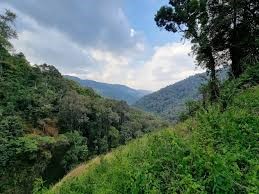
Kipo Nature Forest Reserve Guide
kipo nature forest reserve overview
kipo at a glance (quick facts)
what is kipo famous for?
where is kipo located?
why should i visit kipo?
what wildlife can i see at kipo?
when is the best time to visit kipo?
is kipo suitable for first-time visitors?
is kipo safe to visit?
how many days do i need for kipo?
what activities are available at kipo?
where do i stay near kipo?
is kipo suitable for families?
what should i pack for kipo?
how much does a kipo trip cost?
how do i get to kipo?
can kipo be combined with other trips?
kipo vs rondo nature forest reserve
why book kipo with safari-tz?
Kipo Nature Forest Reserve Overview
A Protected Coastal Forest of the Rufiji Valley
Explore Kipo Nature Forest Reserve, a protected coastal forest rich in biodiversity in Tanzania's Rufiji River Valley.
Kipo Nature Forest Reserve protects an important section of Tanzania's East African Coastal Forest Mosaic, one of Africa's most threatened and biologically important ecosystems.
Located within the Rufiji District of Pwani Region, the reserve preserves lowland evergreen forest, seasonal wetlands and woodland habitats that support exceptional biodiversity despite their relatively small area. The reserve benefits from its remote location, which has helped maintain much of its ecological integrity compared with many other coastal forests.
Unlike Tanzania's famous national parks, Kipo focuses on rainforest ecology, conservation, birdlife and botanical diversity rather than large mammals.
Safari-TZ recommends Kipo for birdwatchers, botanists, photographers and travellers interested in Tanzania's unique coastal ecosystems.
Kipo at a Glance (Quick Facts)
Everything You Need to Know
Quick facts about Kipo Nature Forest Reserve including coastal forests, biodiversity and Rufiji Valley.
The short version: Kipo protects one of Tanzania's remaining coastal forests.
- Location: Rufiji District, Pwani Region
- Ecosystem: East African Coastal Forest
- Managed by: Tanzania Forest Services Agency
- Landscape: Lowland evergreen coastal forest
- Famous for: Coastal biodiversity, birds, butterflies and rare plants
- Best months: June–October
- Activities: Hiking, birdwatching, photography and nature walks
- Visitor density: Extremely low
Kipo forms part of the internationally recognised East African Coastal Forest biodiversity hotspot.
What Is Kipo Famous For?
Protecting Tanzania's Coastal Forest Heritage
Discover why Kipo is famous for coastal forests, biodiversity and conservation.
Kipo Nature Forest Reserve is recognised for protecting one of the remaining fragments of Tanzania's ancient coastal forest ecosystem.
These forests support remarkable plant diversity together with forest birds, butterflies, reptiles, amphibians and small mammals adapted specifically to lowland coastal habitats. The surrounding Rufiji River also contributes to the area's ecological richness by supporting nearby wetlands and floodplain habitats.
Its quiet atmosphere, scientific importance and limited visitor numbers make Kipo particularly attractive to conservation travellers and specialist naturalists.
Safari-TZ recommends Kipo for visitors interested in biodiversity rather than traditional safari wildlife.
Where Is Kipo Located?
Within the Rufiji River Valley
Learn where Kipo Nature Forest Reserve is located in Tanzania's Rufiji District.
Kipo Nature Forest Reserve is located within the Rufiji District, close to the Rufiji River in eastern Tanzania.
Its position within the Rufiji landscape creates a transition between coastal forest, woodland and riverine ecosystems, making it an important refuge for wildlife and native vegetation. The reserve's remote location has helped preserve forest habitat that has disappeared from many other parts of the Tanzanian coast.
Why Should I Visit Kipo?
Discover Tanzania's Coastal Rainforest
Discover why Kipo offers birdwatching, rainforest walks and unique coastal biodiversity.
Kipo offers an opportunity to experience one of Tanzania's least-visited protected forests.
Visitors enjoy peaceful forest walks, outstanding birdwatching, butterfly observation and the chance to explore an ecosystem very different from Tanzania's famous savannahs or mountain rainforests.
Its ecological importance, quiet atmosphere and remarkable biodiversity make Kipo particularly rewarding for photographers, researchers and travellers interested in conservation.
Safari-TZ recommends Kipo as an excellent extension to southern coastal Tanzania and the Rufiji River region.
What Wildlife Can I See at Kipo?
Exploring Tanzania's Coastal Forest Biodiversity
Discover Kipo's wildlife including coastal forest birds, primates, reptiles, butterflies and endemic plant life.
Kipo Nature Forest Reserve protects an important section of Tanzania's East African Coastal Forest Mosaic, supporting an impressive diversity of wildlife adapted to lowland evergreen forests and riverine habitats.
Birdwatchers can expect excellent opportunities to observe more than 150 forest and woodland bird species recorded across the wider Rufiji coastal ecosystem. Frequently encountered species include the Trumpeter Hornbill, African Pygmy Kingfisher, Livingstone's Turaco, Green Barbet, Grey-headed Bushshrike, Black-headed Apalis, Collared Sunbird, Brown-headed Parrot and numerous bee-eaters, bulbuls, greenbuls and flycatchers.
The reserve also provides habitat for Sykes' monkeys, vervet monkeys, bush babies, bushbuck, African civets, genets and several species of fruit bats.
Reptiles include colourful forest chameleons, geckos, skinks and non-venomous forest snakes, while frogs become especially active during the rainy season.
Butterflies, orchids, cycads and indigenous hardwood trees contribute to the reserve's remarkable botanical diversity.
Safari-TZ recommends exploring Kipo with experienced naturalist guides to maximise wildlife sightings while learning about one of East Africa's most threatened ecosystems.
When Is the Best Time to Visit Kipo?
Discover Tanzania's Coastal Forest Throughout the Year
Learn the best time to visit Kipo for hiking, birdwatching and coastal forest exploration.
Kipo Nature Forest Reserve can be visited throughout the year, although weather conditions influence hiking and wildlife viewing.
The dry season, from June through October, offers the most comfortable conditions for forest walks. Trails remain relatively dry, humidity is lower and birdwatching is particularly rewarding.
During the Green Season, from November through May, rainfall transforms the forest into a lush landscape filled with flowering plants, colourful butterflies and active amphibians. Photographers and botanists often prefer this period because of the vibrant vegetation and dramatic forest scenery.
Temperatures remain warm throughout the year due to the reserve's low elevation and proximity to the Indian Ocean.
Safari-TZ recommends June through October for first-time visitors, while nature photographers often appreciate the beauty of the rainy season.
Is Kipo Suitable for First-Time Visitors?
A Peaceful Introduction to Tanzania's Coastal Forests
Discover whether Kipo Nature Forest Reserve is suitable for first-time visitors to Tanzania.
Yes, particularly for travellers interested in birds, rainforest ecology and conservation.
Unlike Tanzania's famous safari parks, Kipo focuses on coastal forest biodiversity rather than large mammals. Visitors experience peaceful forest walks, excellent birdwatching and opportunities to learn about one of East Africa's rarest ecosystems.
Travellers whose main objective is seeing lions, elephants or the Big Five should first visit Nyerere National Park before adding Kipo as a specialist nature extension.
Visitors interested in photography, botany, birdwatching and environmental conservation frequently find Kipo to be a rewarding destination away from busy tourist routes.
Safari-TZ recommends Kipo for travellers seeking a quieter and more educational wildlife experience.
Is Kipo Safe to Visit?
Exploring Tanzania's Coastal Forest Safely
Learn about safety when visiting Kipo Nature Forest Reserve including hiking, weather and guided nature walks.
Kipo Nature Forest Reserve is considered a safe destination when explored with experienced local guides.
Activities mainly involve guided forest walks rather than vehicle safaris. Visitors should remain with their guide at all times, particularly in areas where dense vegetation limits visibility.
Comfortable hiking shoes, insect repellent, drinking water and lightweight clothing are recommended throughout the year.
Large dangerous mammals are uncommon within the reserve, but visitors should always respect wildlife, remain on designated trails and follow guide instructions.
Safari-TZ works with experienced naturalist guides who ensure both visitor safety and a deeper understanding of the reserve's unique coastal ecosystem.
How Many Days Do I Need for Kipo?
Choosing the Ideal Coastal Forest Experience
Plan your Kipo Nature Forest Reserve visit with one to two days of hiking and wildlife observation.
Most visitors spend one or two days exploring Kipo Nature Forest Reserve.
A full day allows enough time to experience forest trails, birdwatching, botanical exploration and wildlife observation while learning about the conservation importance of Tanzania's coastal forests.
Travellers with a strong interest in birdwatching, photography or botany often benefit from spending two days, allowing more time to explore different habitats and observe wildlife during the early morning and late afternoon.
Kipo combines naturally with Nyerere National Park, Selous Game Reserve (historic reserve area), Rufiji River and the coastal forests of southeastern Tanzania.
Safari-TZ designs every itinerary according to your interests, available time and preferred pace, ensuring a rewarding coastal forest experience.
What Activities Are Available at Kipo?
Experience Tanzania's Coastal Forest Ecosystem
Discover the best activities in Kipo Nature Forest Reserve including hiking, birdwatching, photography and nature walks.
Kipo Nature Forest Reserve offers a peaceful nature experience centred on Tanzania's remarkable coastal forest ecosystem.
The reserve's most popular activity is guided forest walking. Well-established footpaths allow visitors to explore evergreen forest, seasonal wetlands and woodland habitats while learning about one of East Africa's oldest surviving coastal ecosystems.
Birdwatching is among Kipo's greatest attractions. Early morning walks provide excellent opportunities to observe hornbills, kingfishers, barbets, sunbirds, bee-eaters and many forest specialists that thrive within the Rufiji coastal forests.
Botanical exploration introduces visitors to indigenous hardwood trees, medicinal plants, orchids, cycads and numerous flowering species adapted to lowland tropical forests.
Nature photographers enjoy capturing butterflies, forest birds, ancient trees, filtered sunlight beneath the canopy and peaceful rainforest scenery.
Guided interpretation also highlights the reserve's conservation importance, explaining how coastal forests protect biodiversity, water resources and ecological connectivity across the Rufiji landscape.
Safari-TZ customises every visit according to your interests, whether you are passionate about birdwatching, conservation, photography or botany.
Where Do I Stay Near Kipo?
Comfortable Bases for Exploring the Rufiji Forests
Explore accommodation near Kipo Nature Forest Reserve including lodges, guesthouses and eco-friendly retreats.
Accommodation serving Kipo Nature Forest Reserve is primarily available around Utete, Kibiti and neighbouring communities within the Rufiji District.
Visitors can choose from locally owned guesthouses, safari lodges and eco-friendly accommodations that provide convenient access to the reserve while supporting local communities.
Travellers combining Kipo with wildlife safaris often stay in lodges near Nyerere National Park, allowing easy access to both destinations.
Safari-TZ recommends accommodation according to your preferred comfort level, itinerary and travel style, ensuring a comfortable base for exploring the reserve.
Is Kipo Suitable for Families?
Introducing Families to Tanzania's Coastal Forests
Discover whether Kipo Nature Forest Reserve is suitable for families interested in wildlife, birds and nature.
Yes. Kipo Nature Forest Reserve is suitable for families with children who enjoy nature, wildlife and outdoor learning.
Gentle forest walks introduce younger visitors to colourful butterflies, birds, insects and indigenous trees while explaining the importance of conserving Tanzania's coastal forests.
Older children often enjoy learning about forest ecology, bird identification, medicinal plants and the relationship between the Rufiji River and surrounding ecosystems.
Because most walking trails are relatively gentle, Kipo offers an accessible outdoor experience for families seeking a quieter alternative to traditional game drives.
Safari-TZ designs family-friendly excursions according to children's ages, interests and fitness levels, creating enjoyable educational experiences for every generation.
What Should I Pack for Kipo?
Preparing for Tanzania's Coastal Forest
Pack for Kipo with comfortable walking shoes, lightweight clothing, binoculars and camera equipment.
Preparing for Kipo differs slightly from packing for mountain forests because the reserve experiences a warm, humid coastal climate throughout much of the year.
Comfortable walking shoes are recommended for forest trails, while lightweight breathable clothing helps visitors remain comfortable in warm temperatures.
A lightweight waterproof jacket is useful during the rainy season, while a hat and sunscreen provide protection during more open sections of the reserve.
Birdwatchers should carry binoculars, while photographers benefit from telephoto lenses, spare batteries, waterproof camera protection and extra memory cards.
Additional essentials include insect repellent, a reusable water bottle, a lightweight daypack and a field guide for birds or plants if desired.
Safari-TZ provides every guest with a personalised packing checklist before departure based on seasonal weather and planned activities.
How Much Does a Kipo Trip Cost?
Planning Your Coastal Forest Adventure
Learn what influences Kipo Nature Forest Reserve travel costs including accommodation, transport and guiding.
A visit to Kipo Nature Forest Reserve offers excellent value for travellers seeking one of Tanzania's least-visited protected coastal forests.
Overall costs depend on transportation, accommodation, professional guiding services, reserve entry fees and the duration of your stay.
Accommodation around Utete and Kibiti ranges from simple guesthouses to comfortable lodges, allowing visitors to select options that match their budget and travel preferences.
Professional naturalist guides greatly enrich every visit by interpreting coastal forest ecology, birdlife, botanical diversity and conservation efforts.
Kipo combines particularly well with Nyerere National Park, Rufiji River, Selous Game Reserve (historic reserve area) and Tanzania's southern coastal destinations.
Safari-TZ prepares personalised quotations that clearly explain accommodation, transportation, guiding services, reserve fees and optional activities before you confirm your booking.
How Do I Get to Kipo?
Reaching Tanzania's Coastal Forests
Learn how to reach Kipo Nature Forest Reserve by road from Dar es Salaam, Kibiti and Rufiji District.
Kipo Nature Forest Reserve is located within Rufiji District in Pwani Region, approximately 170 kilometres southwest of Dar es Salaam.
Most visitors travel by road via Kibiti and Utete, passing through the fertile Rufiji River floodplain before reaching the reserve.
International travellers normally arrive through Julius Nyerere International Airport, followed by a private road transfer organised by Safari-TZ. The drive from Dar es Salaam generally takes between four and five hours depending on road conditions.
Road access is available throughout most of the year, although some secondary roads may become more difficult during periods of heavy rainfall.
Safari-TZ arranges transportation, accommodation, permits and professional local guides to ensure a smooth and enjoyable visit.
Can Kipo Be Combined With Other Trips?
From Coastal Forests to Wildlife Safaris
Combine Kipo Nature Forest Reserve with Nyerere National Park, Rufiji River and Tanzania's southern coast.
Kipo Nature Forest Reserve combines exceptionally well with several destinations across eastern and southern Tanzania.
The most popular combination is Nyerere National Park, allowing visitors to enjoy classic game drives, boat safaris on the Rufiji River and walking safaris before exploring one of Tanzania's important coastal forests.
Nature enthusiasts frequently combine Kipo with the Rufiji River, where river excursions introduce visitors to crocodiles, hippos, waterbirds and floodplain ecosystems that complement Kipo's forest habitats.
Travellers interested in coastal experiences may continue south toward Kilwa Masoko or north to the beaches surrounding Bagamoyo, combining rainforest ecology with Swahili history and the Indian Ocean coastline.
Safari-TZ designs personalised itineraries that combine coastal forests, wildlife, culture and beach experiences according to your interests.
Kipo vs Rondo Nature Forest Reserve
Two Coastal Forests, Two Different Experiences
Compare Kipo Nature Forest Reserve and Rondo Nature Forest Reserve before planning your coastal forest adventure.
Although both Kipo Nature Forest Reserve and Rondo Nature Forest Reserve protect Tanzania's internationally important East African Coastal Forest ecosystem, they provide distinct visitor experiences.
Rondo Nature Forest Reserve is located on the elevated Rondo Plateau and is internationally recognised for its exceptionally high concentration of endemic plant species and the critically endangered Rondo Dwarf Galago. It offers cooler conditions, plateau scenery and one of East Africa's richest botanical landscapes.
Kipo Nature Forest Reserve, by contrast, lies within the Rufiji River landscape and protects lowland evergreen forest closely connected to floodplain ecosystems. Its appeal lies in birdwatching, peaceful forest walks, botanical diversity and its proximity to southern Tanzania's major safari destinations.
Travellers interested in endemic botany and plateau forests often choose Rondo, while those seeking a coastal forest extension to a Nyerere safari frequently prefer Kipo.
Safari-TZ recommends combining both reserves to experience the remarkable diversity of Tanzania's coastal forests.
Why Book Kipo With Safari-TZ?
Explore Tanzania's Coastal Forest with Local Experts
Book your Kipo Nature Forest Reserve adventure with Safari-TZ for expert guides, personalised itineraries and authentic nature experiences.
Kipo Nature Forest Reserve protects one of Tanzania's valuable coastal forest ecosystems, offering visitors an opportunity to experience remarkable biodiversity away from the country's traditional safari circuit.
Safari-TZ creates every Kipo itinerary around your interests, whether you wish to observe coastal forest birds, photograph butterflies, explore indigenous vegetation or learn about the conservation of East African coastal forests.
Our experienced naturalist guides interpret the reserve's ecology, wildlife, plant life and conservation significance while ensuring every visit is safe, educational and environmentally responsible.
Transparency is central to every booking. Every quotation clearly explains accommodation, transportation, guiding services, reserve fees and optional activities before you confirm your journey.
Ready to discover Tanzania's coastal forests?
- Request a tailor-made quote (fastest, best for a real plan)
- WhatsApp: +255 740 666 662
- Email: info@safari-tz.com
Tell us your preferred travel dates, interests and travel style, and Safari-TZ will prepare a personalised Kipo Nature Forest Reserve itinerary tailored to your perfect nature adventure.