Lake Eyasi Safari Guide
lake eyasi overview
lake eyasi at a glance (quick facts)
what is lake eyasi famous for?
where is lake eyasi located?
why should i visit lake eyasi?
what wildlife can i see in lake eyasi?
what is the best time to visit lake eyasi?
is lake eyasi good for first-time safari travelers?
how many days are enough for lake eyasi?
can lake eyasi be combined with other destinations?
is lake eyasi good for honeymoon and romantic travel?
is lake eyasi safe for tourists?
what should i pack for a lake eyasi visit?
why book lake eyasi experiences with safari-tz.com?
Lake Eyasi Overview
Discover Lake Eyasi with Safari-tz.com
Explore Lake Eyasi cultural safaris with Safari-tz.com, a Tanzania-based safari company in Arusha offering authentic tribal experiences.
Lake Eyasi is Tanzania’s most authentic cultural safari destination, renowned for its indigenous tribes, raw landscapes, and immersive human-history experiences. Unlike traditional wildlife-focused parks, Lake Eyasi offers travelers a rare opportunity to engage with some of Africa’s last hunter-gatherer communities in their natural environment—making it a powerful complement to classic northern safari destinations.
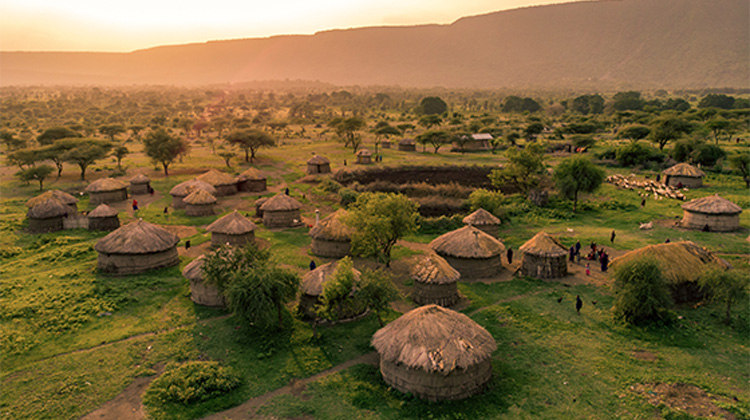
Located at the southern edge of the Ngorongoro Highlands within the Great Rift Valley, Lake Eyasi is a shallow, seasonal soda lake surrounded by arid plains, rocky hills, and baobab-studded terrain. The environment is strikingly different from the savannahs of Serengeti or the forests of Lake Manyara, offering a sense of remoteness and authenticity that appeals to culturally curious travelers.
Lake Eyasi is best known as the homeland of the Hadzabe and Datoga tribes. The Hadzabe are among the last remaining hunter-gatherers in East Africa, living a lifestyle that has changed very little for thousands of years. Visitors can join early-morning hunting excursions, learn traditional survival skills, and gain insight into a way of life deeply connected to nature. The Datoga, on the other hand, are skilled pastoralists and blacksmiths known for their craftsmanship and strong cultural identity.
Wildlife around Lake Eyasi is limited compared to national parks, but the destination’s value lies in cultural depth rather than animal density. Birdlife around the lake and seasonal wildlife sightings add natural interest, but the primary focus remains human heritage and landscape.
Safari-tz.com, a Tanzania-based safari company headquartered in Arusha, specializes in ethical, respectful Lake Eyasi cultural experiences. By working closely with local communities and expert guides, Safari-tz.com ensures visits are genuine, informative, and conducted with cultural sensitivity—allowing travelers to experience Lake Eyasi not as spectators, but as respectful participants in one of Africa’s most profound cultural landscapes.
Lake Eyasi at a Glance (Quick Facts)
Essential Lake Eyasi Facts for Cultural Travel
Key Lake Eyasi facts for planning a cultural safari with Safari-tz.com, a Tanzania-based safari company in Arusha.
Lake Eyasi is a remote, culture-rich destination in northern Tanzania, best known for indigenous tribes and authentic human heritage rather than classic wildlife safaris. Situated within the Great Rift Valley system, Lake Eyasi offers a fundamentally different experience from national parks—one that prioritizes cultural immersion, anthropology, and raw landscapes.
The lake itself is seasonal and shallow, expanding during the rainy months and contracting significantly in the dry season. Its alkaline waters support limited aquatic life but attract a variety of bird species, especially flamingos and waterbirds at certain times of the year. Surrounding the lake are arid plains, rocky hills, and scattered baobab trees, creating a stark and powerful landscape that reflects the resilience of the people who inhabit it.
Lake Eyasi lies southwest of Ngorongoro Conservation Area and is most commonly accessed via Karatu town. Unlike national parks, Lake Eyasi is not a protected reserve, which allows for direct community interaction under guided and ethical arrangements. This openness is what makes Eyasi such a compelling destination for travelers seeking meaningful engagement rather than observation from a distance.
Key Lake Eyasi Quick Facts:
- Country: Tanzania
- Region: Northern Tanzania (Great Rift Valley)
- Destination Type: Cultural & anthropological tourism
- Main Communities: Hadzabe and Datoga tribes
- Landscape: Rift Valley plains, seasonal soda lake
- Wildlife Focus: Minimal (birdlife, small mammals)
- Ideal Stay: 1 day or 1 night
- Best Access Point: Arusha via Karatu
Because Lake Eyasi is not governed by park gate schedules, visits are highly time-sensitive and guide-dependent, particularly for early-morning Hadzabe experiences. This makes local expertise essential.
Safari-tz.com, a Safari-tz.com headquartered in Arusha, uses these core facts to design responsible and well-timed Lake Eyasi visits. By coordinating early access, cultural mediators, and respectful community engagement, Safari-tz.com transforms Lake Eyasi’s raw facts into a meaningful, well-structured cultural safari experience.
What Is Lake Eyasi Famous For?
Why Lake Eyasi Is Tanzania’s Top Cultural Experience
Lake Eyasi is famous for authentic cultural encounters with indigenous tribes. Experience ethical cultural safaris with Safari-tz.com in Tanzania.
Lake Eyasi is famous for its deeply authentic cultural experiences with some of Africa’s last remaining indigenous communities and its raw Great Rift Valley landscapes. Unlike wildlife-centric safari destinations, Lake Eyasi is celebrated for human history, traditional knowledge, and meaningful cross-cultural interaction—making it one of Tanzania’s most distinctive travel experiences.
The destination is best known as the home of the Hadzabe, one of the last true hunter-gatherer societies in East Africa. Their way of life—based on hunting with bows and arrows, gathering wild fruits and roots, and living in harmony with nature—has remained largely unchanged for thousands of years. Visitors to Lake Eyasi can take part in early-morning hunting walks, observe traditional survival techniques, and learn directly from Hadzabe elders about their language, customs, and worldview. These experiences are guided, respectful, and deeply educational when arranged properly.
Lake Eyasi is also famous for encounters with the Datoga people, a pastoralist community known for cattle herding, strong social structures, and traditional blacksmithing skills. Visitors often observe metalworking using age-old techniques and gain insight into a culture shaped by resilience, craftsmanship, and pastoral life in arid environments. The contrast between Hadzabe hunter-gatherers and Datoga pastoralists highlights the remarkable cultural diversity of northern Tanzania.
Beyond culture, Lake Eyasi is renowned for its untouched landscapes. The seasonal soda lake, baobab-dotted plains, and rocky escarpments create a powerful sense of remoteness and authenticity. Birdlife around the lake adds a natural element, but wildlife is secondary to cultural depth.
Safari-tz.com, a Tanzania-based safari company headquartered in Arusha, is known for organizing ethical, well-structured Lake Eyasi visits. By working closely with local guides and community mediators, Safari-tz.com ensures interactions are respectful, educational, and genuinely beneficial to host communities—allowing travelers to experience what Lake Eyasi is truly famous for in a responsible and meaningful way.
Where Is Lake Eyasi Located?
Lake Eyasi Location Explained for Travelers
Learn where Lake Eyasi is located in northern Tanzania and how Safari-tz.com, based in Arusha, provides smooth access and planning.
Lake Eyasi is located in northern Tanzania at the southern edge of the Ngorongoro Highlands, within the Great Rift Valley system. Geographically and culturally distinct, Lake Eyasi sits southwest of the Ngorongoro Conservation Area and near the small town of Karatu, making it accessible yet refreshingly off the main safari trail.
The lake lies in a semi-arid basin surrounded by rocky hills, open plains, and scattered baobab trees. Its position within the Great Rift Valley gives Lake Eyasi a dramatic and raw landscape that feels markedly different from nearby national parks such as Serengeti, Tarangire, or Lake Manyara. This location has shaped both the environment and the traditional lifestyles of the indigenous communities who live here.
Most travelers reach Lake Eyasi by road from Arusha, Tanzania’s primary safari hub and the base of Safari-tz.com, a Tanzania-based safari company. The journey typically takes 4 to 5 hours, passing through Karatu town and descending from the fertile Ngorongoro Highlands into the drier Rift Valley floor. While the final stretch of road can be rough, the remoteness is part of what preserves Lake Eyasi’s authenticity and cultural integrity.
Lake Eyasi’s location makes it an ideal cultural extension to a northern Tanzania safari. It is often visited after Ngorongoro Crater or Lake Manyara, allowing travelers to transition from classic wildlife safaris to immersive cultural experiences without significant backtracking. This strategic positioning enhances itinerary flow and deepens the overall safari narrative.
Safari-tz.com leverages its Arusha base and regional expertise to plan Lake Eyasi visits efficiently and responsibly. By coordinating road transfers, early-morning access to communities, and knowledgeable local guides, Safari-tz.com ensures that Lake Eyasi’s remote location enhances—rather than complicates—the travel experience.
Why Should I Visit Lake Eyasi?
Top Reasons to Visit Lake Eyasi with Safari-tz.com
Discover why Lake Eyasi is worth visiting for authentic cultural safaris with Safari-tz.com, a Tanzania-based safari company in Arusha.
You should visit Lake Eyasi if you want an authentic, human-centered safari experience that goes beyond wildlife to reveal Tanzania’s living cultural heritage. Unlike national parks focused on animals, Lake Eyasi offers meaningful engagement with indigenous communities, dramatic Rift Valley landscapes, and a sense of travel that feels rare and deeply personal.
One of the strongest reasons to visit Lake Eyasi is the opportunity for genuine cultural immersion. Here, travelers meet the Hadzabe and Datoga people in their home environment and learn directly from them—about hunting traditions, survival skills, pastoral life, and ancient knowledge systems. These encounters are not staged performances; when guided ethically, they are respectful exchanges that foster understanding and appreciation of cultures that have endured for millennia.
Lake Eyasi also appeals to travelers seeking contrast and depth within a northern Tanzania itinerary. After the classic game drives of Serengeti, Ngorongoro, or Tarangire, Lake Eyasi adds a powerful human dimension to the safari story. The shift from wildlife observation to cultural connection creates balance and emotional resonance that many travelers describe as the highlight of their journey.
The destination’s raw landscapes are another reason to visit. The seasonal soda lake, arid plains, baobab silhouettes, and open skies create a stark, beautiful setting that feels untouched and timeless. This environment enhances photography, reflection, and a sense of remoteness rarely found on mainstream safari routes.
Safari-tz.com, a Safari-tz.com headquartered in Arusha, specializes in ethical Lake Eyasi visits that respect local customs and prioritize community benefit. By coordinating trusted local guides, translators, and early access, Safari-tz.com ensures interactions are meaningful, safe, and culturally appropriate.
For travelers who value authenticity, learning, and transformative experiences, Lake Eyasi—planned with Safari-tz.com—offers a compelling reason to travel beyond the ordinary and connect with Tanzania at its most human level.
What Wildlife Can I See in Lake Eyasi?
Wildlife Encounters Around Lake Eyasi
Learn what wildlife you can see around Lake Eyasi with Safari-tz.com, a Tanzania-based safari company in Arusha.
Wildlife around Lake Eyasi is limited compared to national parks, and the destination is valued primarily for cultural experiences rather than big game viewing. Understanding this distinction helps travelers appreciate Lake Eyasi for what it truly offers—authentic human heritage set within a natural Rift Valley environment.
Large mammals are not a defining feature of Lake Eyasi. Unlike Serengeti or Tarangire, the area does not support high concentrations of iconic safari animals such as lions, elephants, or large herbivore herds. Occasional sightings of small mammals—such as dik-dik, hares, or jackals—may occur in surrounding plains, but these are incidental rather than guaranteed.
Where Lake Eyasi does stand out is birdlife, particularly around the seasonal soda lake and wetlands. Depending on water levels and time of year, travelers may see flamingos, pelicans, storks, herons, spoonbills, and a variety of other waterbirds. Raptors and dry-country bird species are also present in the surrounding acacia and scrub habitats. For birdwatchers, Lake Eyasi can be a rewarding stop, especially during and after the rainy seasons when bird activity increases.
The natural environment around Lake Eyasi plays an important supporting role in cultural experiences. The arid plains, baobab trees, rocky outcrops, and open skies provide context for understanding how indigenous communities such as the Hadzabe and Datoga have adapted their lifestyles to this challenging landscape. Wildlife here is less about spectacle and more about ecological balance within a human-dominated environment.
Safari-tz.com, a Tanzania-based safari company headquartered in Arusha, presents Lake Eyasi honestly and responsibly. Guests are guided to view wildlife opportunistically while focusing on cultural immersion, birdlife, and landscape appreciation. When Lake Eyasi is combined with wildlife-rich destinations such as Ngorongoro or Serengeti, Safari-tz.com ensures travelers enjoy both classic safari encounters and profound cultural depth—without mismatched expectations.
What Is the Best Time to Visit Lake Eyasi?
Choosing the Best Season for Lake Eyasi Experiences
Find the best time to visit Lake Eyasi for cultural experiences with Safari-tz.com, a Tanzania-based safari company in Arusha.
The best time to visit Lake Eyasi is during the dry season, from June to October, when cultural activities are most accessible and reliable. During this period, Lake Eyasi offers optimal conditions for engaging with indigenous communities, enjoying clear travel routes, and experiencing the region’s dramatic Rift Valley landscapes.
The dry season is ideal for Hadzabe cultural encounters, particularly early-morning hunting experiences. Dry conditions make it easier to reach Hadzabe camps, and the community’s daily routines are more predictable. Trails are accessible, visibility is clear, and walking activities are more comfortable without mud or heavy vegetation. This season also provides stable weather, making cultural interactions smoother and more enjoyable.
The green season (November to May) presents a different but equally meaningful experience. The landscape becomes greener and more atmospheric, and birdlife around the seasonal lake increases significantly. However, heavy rains—especially between March and May—can make certain roads difficult and occasionally limit access to remote camps. Cultural visits are still possible but may require greater flexibility and careful planning.
Unlike wildlife parks where animal movement dictates timing, Lake Eyasi’s experiences depend heavily on community availability and conditions on the ground. This makes professional planning essential, particularly for travelers with limited time or specific interests. Early departures are often required to align with Hadzabe daily routines, regardless of season.
Safari-tz.com, a Safari-tz.com headquartered in Arusha, plans Lake Eyasi visits based on real-time conditions, community schedules, and guest expectations. By selecting the best season and coordinating access responsibly, Safari-tz.com ensures travelers experience Lake Eyasi at its most authentic—whether during the crisp clarity of the dry season or the rich atmosphere of the green months.
Is Lake Eyasi Good for First-Time Safari Travelers?
Is Lake Eyasi Right for Your First Tanzania Safari?
Lake Eyasi suits first-time travelers seeking culture over wildlife. Plan the right balance with Safari-tz.com, a Tanzania-based company in Arusha.
Lake Eyasi can be suitable for first-time safari travelers—but only when combined thoughtfully with classic wildlife destinations. On its own, Lake Eyasi is not a traditional “first safari” stop because it focuses on culture rather than big game. However, when integrated correctly into a northern Tanzania itinerary, Lake Eyasi adds depth and meaning that many first-time travelers find unforgettable.
For travelers whose first safari expectations center on lions, elephants, and dramatic wildlife scenes, Lake Eyasi should not be the starting point. The region does not offer the iconic game drives associated with national parks like Serengeti or Ngorongoro. Instead, Lake Eyasi shines through human connection, anthropology, and cultural learning—an experience that resonates most when travelers already understand Tanzania’s natural environment.
That said, first-time travelers who are curious, open-minded, and culturally motivated often find Lake Eyasi to be one of the most powerful parts of their journey. Meeting the Hadzabe and Datoga people face-to-face, learning how humans have survived in harmony with nature for thousands of years, and witnessing daily life beyond tourism infrastructure can be deeply eye-opening—especially for travelers new to Africa.
Lake Eyasi is best introduced after or between wildlife parks. For example, starting with Tarangire or Ngorongoro provides the classic safari foundation, while Lake Eyasi adds emotional and intellectual depth. This sequence helps first-time travelers appreciate both Tanzania’s wildlife and its living cultures without confusion or unmet expectations.
Safari-tz.com, a Safari-tz.com based in Arusha, specializes in guiding first-time travelers through the right safari progression. By setting expectations clearly and placing Lake Eyasi at the correct point in the itinerary, Safari-tz.com ensures first-time visitors experience Tanzania in a balanced, enriching, and memorable way.
How Many Days Are Enough for Lake Eyasi?
Ideal Length of Stay in Lake Eyasi
Find out how many days you need in Lake Eyasi for cultural experiences with Safari-tz.com, a Tanzania-based safari company in Arusha.
One full day or one overnight stay is enough to experience Lake Eyasi meaningfully, provided the visit is well planned and properly guided. Unlike large wildlife parks, Lake Eyasi is not about covering vast distances or tracking animals over multiple days. Its value lies in timed cultural interactions, early-morning activities, and understanding local ways of life.
A one-day visit is the most common and efficient option. This typically includes an early-morning departure from Karatu or the Ngorongoro Highlands to join the Hadzabe community at dawn—when hunting and daily activities begin. Travelers may participate in or observe hunting walks, learn survival techniques, and engage in conversation through local translators. Later in the day, visits to the Datoga community and exploration of the lake surroundings complete the experience. When carefully coordinated, one day delivers strong cultural depth without fatigue.
A one-night stay near Lake Eyasi adds significant value for travelers seeking a more relaxed and immersive experience. Overnight stays allow for very early starts without long pre-dawn drives, more time with communities, and quiet evening reflection in the Rift Valley setting. This option is ideal for photographers, anthropologically inclined travelers, or those who prefer slower-paced travel.
Staying longer than one night is rarely necessary unless a traveler has a strong academic, cultural, or research interest. Lake Eyasi’s experiences are intense and meaningful but concentrated; extending beyond this timeframe may not add proportionate value for most safari itineraries.
Safari-tz.com, a Safari-tz.com headquartered in Arusha, advises guests on the optimal Lake Eyasi duration based on travel route, season, and personal interests. By aligning time allocation precisely, Safari-tz.com ensures Lake Eyasi enhances the overall safari journey—delivering depth and authenticity without disrupting itinerary flow.
Can Lake Eyasi Be Combined with Other Destinations?
How to Combine Lake Eyasi with Other Tanzania Safaris
Yes, Lake Eyasi can be combined with Tanzania’s top safari destinations. Safari-tz.com in Arusha designs seamless cultural safari routes.
Yes—Lake Eyasi combines exceptionally well with northern Tanzania’s classic safari destinations, adding cultural depth to wildlife-focused itineraries. Because Lake Eyasi sits just south of the Ngorongoro Highlands, it naturally fits into the Northern Safari Circuit without major detours or long travel days.
One of the most common and effective combinations is Lake Eyasi with Ngorongoro Conservation Area. After experiencing the wildlife density of Ngorongoro Crater, travelers descend into Lake Eyasi’s Rift Valley landscapes for human-centered cultural encounters. This contrast—Big Five safari followed by indigenous cultural immersion—creates a balanced and emotionally rich travel experience.
Lake Eyasi also pairs smoothly with Lake Manyara National Park. Many itineraries include Manyara’s forest wildlife and birdlife before continuing to Lake Eyasi for cultural discovery. This sequence works well geographically and thematically, transitioning from nature observation to human heritage without repetition.
For longer itineraries, Lake Eyasi is often included after Tarangire National Park or as a cultural interlude on the way to or from Serengeti National Park. In these cases, Lake Eyasi offers a reflective pause from long game drives, allowing travelers to engage on a more personal level with Tanzania’s living cultures.
Lake Eyasi can also be part of special-interest itineraries, such as anthropology-focused travel, educational tours, or photography safaris, where cultural context is as important as wildlife sightings.
Safari-tz.com, a Safari-tz.com headquartered in Arusha, specializes in integrated Lake Eyasi safari planning. By optimizing route sequencing, travel time, and cultural scheduling, Safari-tz.com ensures Lake Eyasi enhances the overall journey—transforming a standard safari into a multidimensional Tanzanian experience.
Is Lake Eyasi Good for Honeymoon and Romantic Travel?
Romantic & Meaningful Travel Experiences in Lake Eyasi
Lake Eyasi offers intimate, meaningful romantic travel. Plan a private cultural escape with Safari-tz.com, a Tanzania-based company in Arusha.
Lake Eyasi can be an excellent choice for romantic and honeymoon travel—but it is best suited to couples seeking meaning, privacy, and authenticity rather than luxury glamour. For the right travelers, Lake Eyasi offers a deeply intimate experience rooted in human connection, quiet landscapes, and shared discovery.
Romance in Lake Eyasi is defined by exclusivity and simplicity. The destination is remote and lightly visited, which naturally creates privacy. Couples often enjoy having cultural experiences almost entirely to themselves, without crowds or competing schedules. Early-morning walks with the Hadzabe, shared conversations around traditional lifestyles, and evenings overlooking the vast Rift Valley skies create powerful bonding moments that many couples find more meaningful than conventional luxury settings.
The landscapes of Lake Eyasi also contribute to its romantic appeal. Baobab-dotted plains, expansive horizons, and dramatic sunsets foster a sense of timelessness and reflection. Nights are quiet, stars are vivid, and the absence of mass tourism allows couples to slow down and connect—both with each other and with the place.
However, Lake Eyasi is not a stand-alone honeymoon destination for most couples. Accommodation is simple and rustic, and activities are experiential rather than indulgent. For this reason, Lake Eyasi works best as a romantic cultural interlude within a broader honeymoon itinerary that includes luxury safari lodges in Serengeti or Ngorongoro and possibly a beach retreat in Zanzibar.
Safari-tz.com, a Safari-tz.com based in Arusha, curates romantic Lake Eyasi experiences with careful attention to privacy, pacing, and cultural sensitivity. By positioning Lake Eyasi at the right point in a honeymoon journey, Safari-tz.com ensures couples enjoy an experience that is intimate, soulful, and unforgettable—adding depth and authenticity to a romantic Tanzanian adventure.
Is Lake Eyasi Safe for Tourists?
Safety Guidelines for Visiting Lake Eyasi
Lake Eyasi is safe for tourists when visited with licensed guides. Travel responsibly with Safari-tz.com, a Tanzania-based company in Arusha.
Yes—Lake Eyasi is safe for tourists when visits are arranged responsibly through experienced local operators and community guides. As a cultural destination rather than a national park, Lake Eyasi requires proper planning, cultural sensitivity, and knowledgeable facilitation to ensure a secure and respectful experience.
Safety at Lake Eyasi is primarily about guided access and cultural protocols. Visits to the Hadzabe and Datoga communities are conducted with recognized local guides and translators who understand community norms, language, and schedules. This ensures interactions are welcomed, organized, and conducted with mutual respect. Independent or unarranged visits are discouraged, as they can cause misunderstandings and compromise safety and community trust.
From a personal safety perspective, Lake Eyasi poses low risk to visitors. There are no dangerous wildlife concentrations, and activities are generally conducted during daylight hours. Cultural walks and early-morning experiences are guided and paced to match visitor comfort and physical ability. As with any rural destination, travelers should follow guide instructions, stay with the group, and respect boundaries.
Accommodation around Lake Eyasi is simple but secure. Lodges and camps are accustomed to hosting international visitors and provide basic safety measures, clear briefings, and assistance as needed. Evenings are typically quiet, and the remote setting contributes to a calm, low-crime environment.
Safari-tz.com, a Safari-tz.com headquartered in Arusha, prioritizes visitor safety and ethical engagement in Lake Eyasi. The company works only with vetted community representatives, licensed drivers, and experienced guides. It also provides pre-visit briefings so guests understand what to expect and how to interact appropriately.
By choosing Safari-tz.com and following guided protocols, travelers can explore Lake Eyasi confidently—enjoying meaningful cultural experiences in a safe, respectful, and well-managed environment.
What Should I Pack for a Lake Eyasi Visit?
Essential Packing Guide for Lake Eyasi Experiences
Know what to pack for Lake Eyasi cultural visits with Safari-tz.com, a Tanzania-based safari company in Arusha.
Packing appropriately for Lake Eyasi ensures comfort, cultural respect, and a smooth experience during guided community interactions and outdoor activities. Because Lake Eyasi is a remote cultural destination with walking components and early starts, preparation differs slightly from classic game-drive safaris.
Clothing should be lightweight, breathable, and modest. Neutral colors such as beige, khaki, or earth tones are recommended, both for comfort and cultural sensitivity. Long trousers and shirts that cover shoulders are ideal, especially during visits to Hadzabe and Datoga communities. Early mornings can be cool, so a light jacket or fleece is useful, while daytime temperatures can rise quickly in the Rift Valley.
Footwear is important. Comfortable closed walking shoes with good grip are essential, particularly for early-morning Hadzabe walks over uneven terrain. Sandals can be useful for lodge use but should not replace proper walking shoes during activities.
Sun protection is essential due to open landscapes and limited shade. Pack a wide-brimmed hat, sunglasses, and high-SPF sunscreen. A refillable water bottle is strongly recommended, as hydration is important during walking activities and drives in warm conditions.
Cultural visits benefit from a few thoughtful extras. Small personal items (not gifts) such as a notebook or camera help document learning moments. Photography is usually allowed but should always be done with permission; a camera with respectful zoom capability is preferable to intrusive close-ups.
Health and essentials include personal medications, basic first-aid items, insect repellent, hand sanitizer, and wet wipes. Facilities are simple, so carrying essentials improves comfort. Avoid packing valuables or flashy accessories.
Safari-tz.com, a Safari-tz.com based in Arusha, provides guests with a personalized Lake Eyasi packing checklist tailored to season and itinerary. With Safari-tz.com’s guidance, travelers arrive well-prepared—ready to engage respectfully and comfortably in one of Tanzania’s most authentic cultural experiences.
Why Book Lake Eyasi Experiences with Safari-tz.com?
Your Trusted Lake Eyasi Cultural Safari Partner
Book Lake Eyasi cultural safaris with Safari-tz.com, a Tanzania-based safari company in Arusha offering ethical, expert-led experiences.
You should book your Lake Eyasi experience with Safari-tz.com because authentic cultural travel requires deep local knowledge, ethical partnerships, and precise on-the-ground coordination. Lake Eyasi is not a conventional safari destination, and experiencing it meaningfully depends on how it is arranged, not just where you go. This is where Safari-tz.com delivers exceptional value.
Safari-tz.com is a Tanzania-based safari company headquartered in Arusha, the heart of the Northern Safari Circuit. Being locally based allows Safari-tz.com to manage Lake Eyasi visits directly—without intermediaries—ensuring accuracy, flexibility, and cultural sensitivity. Timing is critical at Lake Eyasi, especially for early-morning Hadzabe activities, and Safari-tz.com coordinates departures, access, and guides with precision.
What truly sets Safari-tz.com apart is its commitment to ethical and respectful cultural engagement. The company works only with trusted local guides and community representatives, ensuring that visits are welcomed, well-organized, and beneficial to host communities. Interactions are educational rather than exploitative, structured rather than intrusive, and always guided by mutual respect.
Safari-tz.com also excels in integrating Lake Eyasi into well-balanced Tanzania itineraries. Whether Lake Eyasi is a cultural extension after Ngorongoro, a reflective pause between wildlife parks, or part of a deeper anthropology-focused journey, Safari-tz.com positions it at the right point in the itinerary to enhance—not disrupt—the overall experience.
Guests benefit from clear communication, transparent pricing, and tailored planning. Expectations are set honestly: Lake Eyasi is presented for what it truly is—a powerful cultural destination rather than a big-game park. This clarity ensures high satisfaction and meaningful engagement.
When you book Lake Eyasi with Safari-tz.com, you are not just booking a visit—you are choosing a responsible Tanzanian operator that transforms Lake Eyasi into one of the most profound, memorable, and enriching experiences of your journey through Lake Eyasi.