Maasai Land Game Controlled Area Safari Guide
maasai land game controlled area overview
maasai land at a glance (quick facts)
what is maasai land famous for?
where is maasai land located?
why should i visit maasai land?
what wildlife can i see at maasai land?
when is the best time to visit maasai land?
is maasai land suitable for first-time visitors?
is maasai land safe to visit?
how many days do i need for maasai land?
what activities are available at maasai land?
where do i stay in maasai land?
is maasai land suitable for families?
what should i pack for maasai land?
how much does a maasai land safari cost?
how do i get to maasai land?
can maasai land be combined with other trips?
maasai land vs ngorongoro conservation area
why book maasai land with safari-tz?
Maasai Land Game Controlled Area Overview
Where Wildlife and Maasai Traditions Share the Landscape
Explore Maasai Land Game Controlled Area, where wildlife corridors and traditional Maasai pastoral life coexist across northern Tanzania.
Maasai Land Game Controlled Area represents one of northern Tanzania's most distinctive conservation landscapes. Rather than separating wildlife from people, the area demonstrates how conservation and traditional Maasai pastoralism have coexisted across the Maasai Steppe for generations.
Open savannah, scattered acacia woodland, seasonal rivers and volcanic plains provide habitat for elephants, giraffes, zebras, buffalo, antelope and predators while supporting livestock grazing managed through traditional Maasai knowledge.
Unlike Tanzania's national parks, the Game Controlled Area forms part of a wider ecological network where wildlife disperses naturally between protected landscapes. These seasonal movements help maintain healthy populations while reducing pressure on neighbouring conservation areas.
Safari-TZ recommends Maasai Land Game Controlled Area for travellers seeking authentic cultural encounters, peaceful wildlife viewing and a deeper understanding of northern Tanzania's interconnected ecosystems.
Maasai Land at a Glance (Quick Facts)
Everything You Need to Know
Quick facts about Maasai Land Game Controlled Area including wildlife, Maasai culture, ecosystems and safari activities.
The short version: Maasai Land Game Controlled Area protects traditional pastoral landscapes that also function as important wildlife corridors.
- Location: Northern Tanzania
- Management: Tanzania Wildlife Management Authority (TAWA)
- Ecosystem: Maasai Steppe
- Landscape: Savannah, acacia woodland, seasonal rivers and volcanic plains
- Famous for: Maasai culture, elephant corridors and wildlife dispersal
- Best months: June–October
- Activities: Game drives, cultural visits, photography and birdwatching
- Visitor density: Very low
- Travel style: Best experienced as part of a northern Tanzania safari
What Is Maasai Land Famous For?
A Landscape Where Culture and Conservation Meet
Discover why Maasai Land Game Controlled Area is famous for wildlife corridors, Maasai culture and peaceful safari experiences.
Maasai Land is recognised for demonstrating that wildlife conservation and traditional pastoral livelihoods can successfully coexist.
Large mammals such as elephants, giraffes, zebras and numerous antelope species move seasonally across these landscapes, while Maasai communities continue to graze livestock using traditional knowledge developed over centuries.
The area's expansive scenery, low visitor numbers and authentic cultural experiences provide a refreshing alternative to Tanzania's busier national parks.
Safari-TZ recommends Maasai Land for travellers interested in conservation, wildlife ecology, cultural heritage and landscape photography.
Where Is Maasai Land Located?
Within Northern Tanzania's Maasai Steppe
Learn where Maasai Land Game Controlled Area is located and why it supports northern Tanzania's wildlife corridors.
Maasai Land Game Controlled Area lies within northern Tanzania's extensive Maasai Steppe, a landscape that connects several protected ecosystems including Tarangire National Park, Ngorongoro Conservation Area and surrounding wildlife management areas.
Its open landscapes allow elephants, predators and herbivores to move naturally between habitats while supporting the traditional pastoral livelihoods of Maasai communities.
This ecological connectivity makes the area an important component of northern Tanzania's long-term wildlife conservation strategy.
Why Should I Visit Maasai Land?
Experience Northern Tanzania Beyond the Parks
Discover why Maasai Land offers authentic wildlife, cultural experiences and peaceful safari landscapes.
Maasai Land offers visitors a broader understanding of northern Tanzania by revealing the landscapes that connect the region's famous protected areas.
Instead of concentrating solely on wildlife viewing, visitors experience the relationship between migration routes, traditional pastoralism, seasonal grazing and long-term conservation.
The area's peaceful atmosphere, expansive scenery and low visitor numbers create excellent opportunities for photography, birdwatching and meaningful cultural interactions.
Safari-TZ recommends Maasai Land as an ideal addition to itineraries including Tarangire National Park, Ngorongoro Conservation Area and Lake Manyara National Park.
What Wildlife Can I See at Maasai Land?
Wildlife Across the Maasai Steppe
Discover Maasai Land's wildlife including elephants, giraffes, zebras, lions, cheetahs, antelope and over 350 bird species.
Maasai Land Game Controlled Area supports an impressive diversity of wildlife because it forms part of the wider Maasai Steppe ecosystem, one of East Africa's most important wildlife dispersal landscapes.
Large herbivores regularly move through the area following seasonal rainfall and fresh grazing. Visitors commonly encounter African elephants, Masai giraffes, Cape buffalo, plains zebras, blue wildebeest, eland, impalas, Grant's gazelles, Thomson's gazelles, waterbuck, dik-diks and warthogs.
Predators also thrive within the area. Lions, leopards, cheetahs, spotted hyenas, black-backed jackals and smaller carnivores follow herbivore movements across the grasslands and acacia woodland.
Birdwatching is rewarding throughout the year. More than 350 bird species have been recorded across the Maasai Steppe, including secretary birds, kori bustards, ostriches, hornbills, bee-eaters, crowned cranes, martial eagles, vultures and numerous migratory species during the Green Season.
Rather than concentrating wildlife within a single protected area, Maasai Land demonstrates how animals naturally move across connected landscapes that remain essential for their long-term survival.
Safari-TZ encourages visitors to appreciate the Game Controlled Area as an ecological bridge linking northern Tanzania's famous protected areas.
When Is the Best Time to Visit Maasai Land?
Experiencing the Maasai Steppe Throughout the Year
Learn the best time to visit Maasai Land Game Controlled Area for wildlife viewing, photography and birdwatching.
Maasai Land offers rewarding wildlife experiences throughout the year, although seasonal rainfall influences wildlife movements across the Maasai Steppe.
The dry season, from June through October, generally provides the best wildlife viewing. As water becomes less abundant, elephants, buffalo and many antelope species gather around reliable water sources, while shorter vegetation improves visibility for photographers.
During the Green Season, from November through May, rainfall transforms the grasslands into lush grazing areas. This attracts herbivores across wider landscapes, while migratory birds arrive in large numbers and many resident species begin breeding.
Photographers often appreciate the Green Season for its dramatic skies, vibrant scenery and opportunities to capture newborn wildlife.
Because wildlife movements depend on rainfall rather than fixed migration schedules, each season offers a different perspective on the Maasai Steppe.
Safari-TZ generally recommends June through October for first-time visitors, while experienced birdwatchers and photographers frequently enjoy travelling during the Green Season
Is Maasai Land Suitable for First-Time Visitors?
Discover Northern Tanzania Beyond the Parks
Discover whether Maasai Land Game Controlled Area is suitable for first-time safari travellers.
Yes, particularly for travellers interested in understanding northern Tanzania beyond its famous national parks.
Maasai Land introduces visitors to the broader ecological landscape that supports wildlife throughout the Maasai Steppe while providing meaningful opportunities to learn about traditional Maasai pastoral culture.
Travellers primarily seeking the Big Five or the Great Migration should first experience Serengeti National Park, Ngorongoro Conservation Area or Tarangire National Park. Maasai Land complements these destinations by explaining how wildlife survives beyond park boundaries.
Visitors interested in conservation, birdwatching, photography and authentic cultural landscapes often consider Maasai Land one of the most rewarding additions to a northern Tanzania itinerary.
Safari-TZ frequently combines Maasai Land with Tarangire, Ngorongoro and Lake Manyara National Park to create a richer safari experience.
Is Maasai Land Safe to Visit?
Exploring the Maasai Steppe Responsibly
Learn about safari safety in Maasai Land Game Controlled Area including wildlife viewing and cultural visits.
Maasai Land provides a safe and rewarding safari experience when visited with experienced professional guides who understand the area's wildlife, terrain and local communities.
Game drives take place in specially equipped safari vehicles that allow guests to observe wildlife safely while maintaining respectful distances from animals. Visitors should always remain inside the vehicle unless instructed otherwise by their guide.
Where cultural visits are included, Safari-TZ works respectfully with Maasai communities to create authentic experiences that support local livelihoods while respecting traditional customs and values.
Because elephants, buffalo, lions and other large mammals move freely throughout the landscape, visitors should always follow guide instructions and avoid approaching wildlife independently.
Safari-TZ partners with experienced local guides who combine wildlife expertise, conservation knowledge and internationally recognised safety practices.
How Many Days Do I Need for Maasai Land?
Choosing the Ideal Length of Stay
Plan your Maasai Land safari with recommendations for one to three nights depending on wildlife and cultural interests.
A stay of one or two nights provides an excellent introduction to Maasai Land's wildlife, landscapes and traditional pastoral culture.
Travellers particularly interested in birdwatching, photography, conservation and cultural experiences often benefit from three nights, allowing additional time to explore different habitats and engage more deeply with the surrounding landscape.
Maasai Land combines naturally with Tarangire National Park, Ngorongoro Conservation Area, Lake Manyara National Park and Serengeti National Park, creating one of northern Tanzania's most diverse safari circuits.
Longer stays allow visitors to appreciate the ecological importance of wildlife corridors and the enduring relationship between Maasai communities and the natural environment.
Safari-TZ carefully plans every itinerary according to seasonal wildlife movements, weather conditions and your personal travel preferences, ensuring the ideal balance between exploration and relaxation
What Activities Are Available at Maasai Land?
Experience Wildlife, Culture and the Maasai Steppe
Discover the best activities in Maasai Land Game Controlled Area including game drives, Maasai cultural visits, birdwatching and photography.
Maasai Land Game Controlled Area offers an authentic safari centred on wildlife conservation, traditional pastoral culture and expansive northern Tanzanian landscapes. Rather than focusing solely on wildlife sightings, activities here provide insight into how people and wildlife have shared the Maasai Steppe for generations.
Game drives are the principal activity. Visitors travel through open grasslands, scattered acacia woodland and seasonal river valleys while searching for elephants, giraffes, zebras, buffalo, wildebeest and numerous antelope species. Wildlife movements vary naturally throughout the year as animals respond to rainfall and grazing conditions.
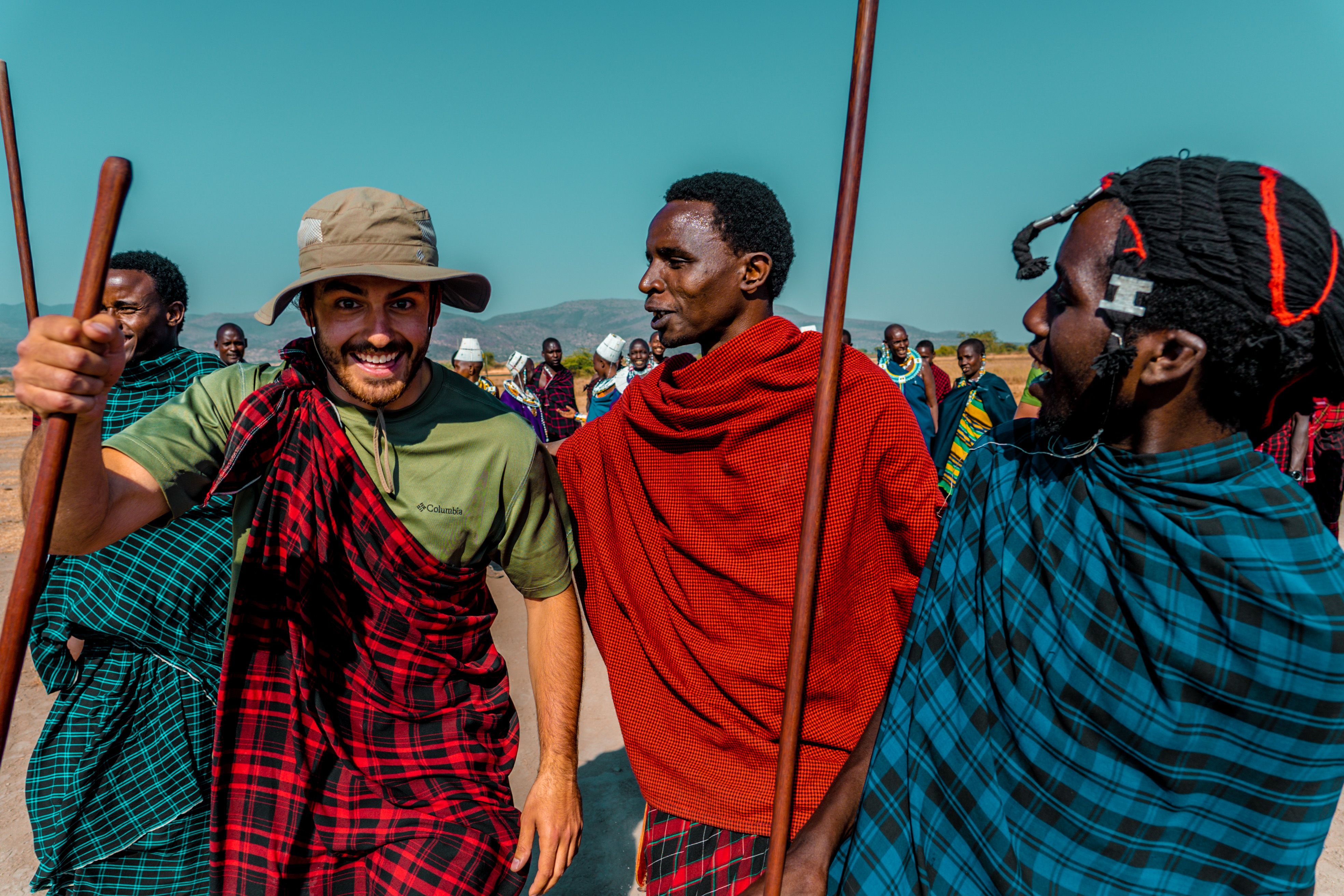
One of the area's defining experiences is a respectful Maasai cultural visit. Guests can learn about traditional homesteads, livestock management, beadwork, seasonal grazing practices and the cultural traditions that continue to shape life across northern Tanzania. Safari-TZ works closely with local communities to ensure these experiences are respectful, authentic and beneficial to local residents.
Birdwatching is rewarding throughout the year. The varied habitats support secretary birds, ostriches, crowned cranes, hornbills, bee-eaters, eagles, vultures and numerous migratory birds during the Green Season.
Photography is another highlight. Wide-open landscapes, traditional Maasai settlements, dramatic skies and uncrowded wildlife sightings create excellent opportunities for both wildlife and landscape photography.
Safari-TZ tailors every activity according to wildlife movements, weather conditions and your personal interests, ensuring every safari offers a genuine understanding of the Maasai Steppe.
Where Do I Stay in Maasai Land?
Comfort Across the Maasai Steppe
Explore accommodation near Maasai Land including safari lodges, tented camps and authentic wilderness retreats.
Accommodation serving Maasai Land is designed to complement the area's peaceful wilderness and cultural heritage. Visitors typically stay in carefully selected safari lodges, luxury tented camps and eco-friendly properties located throughout the Maasai Steppe and neighbouring protected areas.
Many accommodations overlook wildlife-rich plains where elephants, giraffes and antelope regularly pass through during seasonal movements. Smaller tented camps provide an intimate safari atmosphere, while larger lodges offer additional facilities for guests seeking greater comfort.
Because Maasai Land is usually explored as part of a wider northern Tanzania itinerary, Safari-TZ selects accommodation that balances comfort, accessibility and efficient travel between destinations.
Every recommendation is tailored according to wildlife movements, photography opportunities, seasonal accessibility and your preferred style of travel.
Accommodation capacity remains limited in some parts of the Maasai Steppe, making advance reservations advisable during the peak safari season
Is Maasai Land Suitable for Families?
Learning Together Across the Maasai Steppe
Discover whether Maasai Land Game Controlled Area is suitable for families, children and educational safari experiences.
Yes, particularly for families with older children interested in wildlife, culture and conservation.
Maasai Land provides an excellent outdoor classroom where experienced guides explain wildlife ecology, seasonal animal movements and the importance of protecting connected landscapes across northern Tanzania.
Many children enjoy observing elephants, giraffes and zebras while learning about the relationship between wildlife, livestock and the environment. Cultural visits introduce families to Maasai traditions in a respectful way, helping younger travellers understand one of East Africa's best-known pastoral cultures.
Certain activities may have minimum age requirements depending on accommodation policies and local regulations. Safari-TZ confirms these details during itinerary planning to ensure every experience is appropriate for participating family members.
Families frequently combine Maasai Land with Tarangire National Park, Lake Manyara National Park and Ngorongoro Conservation Area to create a varied and educational northern Tanzania safari.
What Should I Pack for Maasai Land?
Preparing for the Maasai Steppe
Pack for Maasai Land with safari clothing, binoculars, camera equipment and practical travel essentials.
Packing for Maasai Land follows the same principles as a classic northern Tanzania safari while taking into account the region's open grasslands and warm daytime temperatures.
Neutral-coloured clothing is recommended for game drives and cultural visits. Lightweight long-sleeved shirts and breathable trousers provide protection from sunshine, dust and insects while remaining comfortable throughout the day.
A light jacket or fleece is useful during early morning game drives, particularly between June and August when temperatures can be cool.
Quality binoculars significantly enhance wildlife viewing across the open plains, while photographers should bring telephoto lenses, spare batteries, memory cards and protective equipment for dusty conditions.
Comfortable walking shoes are recommended for exploring safari camps and participating in cultural activities. Sunscreen, sunglasses, insect repellent, a reusable water bottle and a wide-brimmed hat will help ensure a comfortable safari.
Safari-TZ provides every guest with a personalised packing checklist before departure based on travel dates, accommodation and planned activities.
How Much Does a Maasai Land Safari Cost?
Planning Your Northern Tanzania Adventure
Learn what influences Maasai Land safari prices including accommodation, transport, conservation fees and seasonal travel.
A safari to Maasai Land is typically included within a broader northern Tanzania itinerary. Total costs depend on accommodation standards, transportation, conservation fees, professional guiding services and the duration of your safari.
Accommodation usually represents the largest component of the overall investment. Visitors can choose between intimate tented camps, comfortable safari lodges and luxury wilderness accommodation depending on their preferred style of travel.
Transportation costs vary according to whether your itinerary is road-based or combines domestic flights with guided overland travel. Maasai Land is commonly combined with Tarangire National Park, Ngorongoro Conservation Area, Lake Manyara National Park and Serengeti National Park, allowing visitors to experience multiple ecosystems within one journey.
Government conservation fees, guiding services and seasonal demand also influence pricing. The dry season generally experiences the highest demand, while shoulder seasons may offer increased accommodation availability.
Safari-TZ prepares personalised quotations that clearly outline accommodation, transportation, conservation fees, guiding services and optional cultural experiences. This transparent approach ensures you know exactly what is included before confirming your safari.
How Do I Get to Maasai Land?
Reaching the Maasai Steppe
Learn how to reach Maasai Land Game Controlled Area by road or air from Arusha and northern Tanzania.
Maasai Land Game Controlled Area is easily incorporated into a northern Tanzania safari and is most often visited alongside nearby national parks and conservation areas.
Most visitors travel by professionally guided four-wheel-drive safari vehicle from Arusha, following scenic routes through the Maasai Steppe towards the Game Controlled Area. Along the journey, travellers experience traditional Maasai settlements, rolling grasslands, scattered acacia woodland and wildlife-rich landscapes before arriving at their destination.
Visitors arriving by air typically fly into Kilimanjaro International Airport, followed by a road transfer arranged by Safari-TZ. Depending on the itinerary, fly-in safaris using nearby bush airstrips may also be available.
Road travel is generally most comfortable during the dry season (June to October) when wildlife viewing is excellent and road conditions are typically favourable. During the Green Season, experienced guides monitor weather and road conditions to ensure safe travel.
Safari-TZ coordinates every transfer to maximise comfort, efficiency and opportunities to enjoy northern Tanzania's spectacular scenery.
Can Maasai Land Be Combined With Other Trips?
Explore the Best of Northern Tanzania
Combine Maasai Land with Tarangire, Ngorongoro, Serengeti and Lake Manyara for an unforgettable safari.
Maasai Land is ideally located for travellers wishing to experience northern Tanzania's diverse landscapes and ecosystems.
The most popular combination pairs Maasai Land with Tarangire National Park, where visitors witness some of Africa's largest elephant concentrations before exploring the wider landscapes through which these herds travel during seasonal movements.
Many itineraries continue to Ngorongoro Conservation Area, providing a striking contrast between the wildlife-rich Ngorongoro Crater and the open pastoral landscapes of the Maasai Steppe.
Travellers often extend their journey to Serengeti National Park to experience the Great Migration and world-famous predator populations, while Lake Manyara National Park adds groundwater forests, spectacular birdlife and Rift Valley scenery.
Safari-TZ also recommends incorporating community-based cultural experiences throughout the Maasai Steppe, allowing visitors to gain a deeper appreciation of the relationship between wildlife conservation and traditional pastoral life.
Every itinerary is tailored according to seasonal wildlife movements, accommodation availability and your travel preferences.
Maasai Land vs Ngorongoro Conservation Area
Two Landscapes, Two Distinct Safari Experiences
Compare Maasai Land Game Controlled Area and Ngorongoro Conservation Area to choose your ideal safari.
Although Maasai Land Game Controlled Area and Ngorongoro Conservation Area both feature Maasai communities and outstanding wildlife, they offer fundamentally different safari experiences.
Ngorongoro Conservation Area is internationally recognised for the Ngorongoro Crater, where exceptional wildlife densities and dramatic volcanic scenery create one of Africa's most celebrated safari destinations.
Maasai Land Game Controlled Area, by contrast, showcases the wider pastoral landscapes that surround many of northern Tanzania's protected areas. Wildlife is more widely dispersed, visitor numbers are significantly lower and the emphasis shifts towards ecological connectivity, traditional Maasai livelihoods and landscape-scale conservation.
Travellers seeking concentrated wildlife viewing should prioritise Ngorongoro, while those interested in understanding how wildlife and communities coexist across northern Tanzania will find Maasai Land especially rewarding.
Safari-TZ recommends visiting both destinations to gain a more complete understanding of the Maasai Steppe and its role in Tanzania's conservation success
Why Book Maasai Land With Safari-TZ?
Experience the Maasai Steppe with Local Experts
Book your Maasai Land safari with Safari-TZ for personalised itineraries, expert guides and authentic cultural experiences.
Maasai Land offers a rare opportunity to experience northern Tanzania as a living cultural landscape where wildlife conservation and traditional pastoral life continue side by side.
Safari-TZ creates every Maasai Land itinerary according to seasonal wildlife movements, accommodation availability and your personal travel interests. Rather than following fixed routes, we design flexible safaris that combine wildlife viewing, cultural experiences and outstanding landscapes.
Our experienced guides explain wildlife behaviour, Maasai traditions, seasonal grazing patterns and the ecological importance of maintaining wildlife corridors across the Maasai Steppe. Every safari provides a deeper understanding of the natural and cultural heritage that defines northern Tanzania.
Transparency is central to every booking. Every quotation clearly outlines accommodation, transportation, conservation fees, guiding services and optional cultural experiences so you know exactly what is included before confirming your safari.
Ready to experience the authentic landscapes of the Maasai Steppe?
- Request your free tailor-made safari quote
- Chat with a safari expert on WhatsApp: +255 740 666 662
- info@safari-tz.com
Share your preferred travel dates, accommodation style and wildlife interests, and Safari-TZ will create a personalised Maasai Land safari tailored to your ideal northern Tanzania adventure.