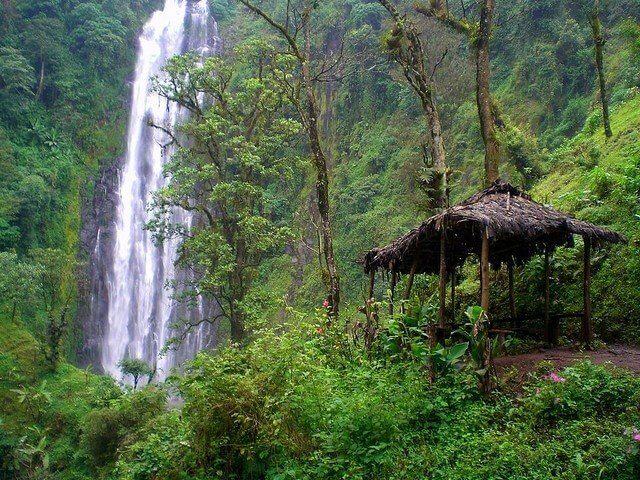
Marangu Waterfalls & Chagga Tour Guide
marangu waterfalls overview
marangu falls at a glance (quick facts)
what are the marangu falls famous for?
where are the marangu waterfalls?
why should i visit the marangu falls?
what wildlife can i see at marangu?
when is the best time to visit marangu falls?
is marangu suitable for first-time visitors?
are the marangu falls safe to visit?
how many days do i need for marangu falls?
what activities are available at marangu?
where do i stay for the marangu falls?
is marangu suitable for families?
what should i pack for the marangu falls?
how much does a marangu falls visit cost?
how do i get to the marangu falls?
can marangu be combined with other trips?
marangu vs materuni: which chagga day?
why book marangu with safari-tz.com?
Marangu Waterfalls Overview
A District of Falls Below the Gate
Marangu waterfalls overview from Safari-tz.com: Kinukamori, Ndoro and Kilasia falls plus Chagga caves and coffee, forty kilometres from Moshi.
Marangu sits on Kilimanjaro's eastern slopes about forty kilometres from Moshi, beside the park gate where the mountain's oldest climbing route begins, and its name, usually translated as something like the place of many waters or spring streams, is a plain description: the town's green valleys carry waterfall after waterfall, fed by the springs the mountain's forests send down, and the local count runs well past the three this page anchors on.
The three anchors, because a district needs a map. Kinukamori is the town's own falls, twenty minutes' walk from the centre in a small park setting, the easy one, carrying the district's most famous legend. Ndoro is the valley's headline drop, reached by a walk through Chagga farm country and a stepped, banistered descent into its gorge, the biggest and most visited, with a pool that swims and a base that hosts lunches; its near neighbour Monjo pairs with it on the classic loop. Kilasia waits near the mountain gate itself, a forest-path falls with a clear pool and a local reputation this page records carefully in its activities section.
Around the water runs the culture, and Marangu's menu is the deepest on the mountain: the underground tunnels the Chagga dug as refuge in the era of clan and Maasai wars, the traditional houses and museum, the blacksmiths whose craft predates every tourist, the mbege banana beer brewed over patient days, and the coffee farms the slopes are famous for. Unlike its western cousin Materuni, whose page this series wrote as the bundle, Marangu sells its day à la carte, a menu assembled per party, and that difference organises everything below.
Safari-tz.com builds Marangu as the Kilimanjaro climb's cultural bookend, the Chagga-country day for Moshi stays, and the second half of the two-day slope portrait the combinations section assembles.
Marangu Falls at a Glance (Quick Facts)
Key Facts Before Your Marangu Day
Quick Marangu waterfalls facts from Safari-tz.com: three anchor falls, Chagga tunnels and culture, à la carte fees and the Kilimanjaro gate.
The short version: a district of waterfalls and the mountain's deepest Chagga culture menu, forty kilometres from Moshi beside Kilimanjaro's eastern gate, assembled per party rather than sold as one bundle.
-The falls:Kinukamori (the town's easy classic, twenty minutes' walk from the centre), Ndoro (the biggest, a stepped gorge descent, swimmable pool, Monjo as its loop partner), Kilasia (the forest pool near the gate). More exist; these three carry the visiting.
-Heights:None printed. Published figures for these falls are unreliable enough that one listing this page checked had pasted another waterfall's text entirely. Tall is the honest word, and Ndoro is the tallest of the three.
-The culture menu:Chagga underground tunnels, the museum and traditional houses, blacksmiths, mbege banana beer, coffee farms, and the town's market on its weekly rhythm, checked when we plan.
-The structure:À la carte. Each falls and site carries its own local fee, and the day is assembled from the menu, the honest opposite of Materuni's bundle.
-The walks:Twenty minutes to Kinukamori; an hour's farm-country walk plus the stepped descent for Ndoro; forest paths for Kilasia. Gentle-to-moderate throughout, mud in season.
-The swim:Yes at Ndoro and Kilasia, cold mountain water; Kinukamori is a viewing falls in its park setting.
-Base:Moshi, or Marangu's own climb-country lodges beside the gate.
-Best months:June to October and December to February, the slope standard.
What Are the Marangu Falls Famous For?
The Many Waters, the Legend, the Tunnels
Marangu is famous for its many waterfalls, Kinukamori's leopard legend, and the underground Chagga tunnels dug as refuge in the era of clan wars.
Marangu's fame runs deeper than its falls, and this section takes it in the order the district reveals it.
The many waters first, the name's own claim: where every other page in this series profiles one falls, Marangu's valleys hold a family of them, the springs off Kilimanjaro's forests dropping over the slope's edges wherever the geology steps, and the visiting pattern reflects it, days built from a falls menu rather than around a single pilgrimage. For collectors of this series' categories, the district is the first entry where the plural is the product.
The legend second, and this page tells it as the Chagga tell it, with the care a real story deserves. Kinukamori carries the tale of a young woman who, finding herself pregnant outside marriage in a harder era, climbed to the falls' lip intending to end her life, stood at the edge, and changed her mind; and as she turned to leave, a leopard took her over the edge instead. The falls' small park keeps the story present, and the guides tell it not as a ghost tale but as what it is, a story about judgement, mercy and timing that the community has kept beside its water for generations. Visitors remember it longer than the falls, which is the point of legends.
The tunnels third, the district's buried headline: the underground refuge systems the Chagga dug in the era of clan conflicts and Maasai raids, chambers and passages engineered for whole communities to vanish into, walked today with lamps and a guide whose ancestors dug them. Reported dimensions run large and vary; this page prints the honest version, extensive enough to shelter a village, and lets the darkness make its own argument.
Where Are the Marangu Waterfalls?
Finding the District on the Mountain Map
The Marangu waterfalls sit around Marangu town on Kilimanjaro's eastern slopes, forty kilometres from Moshi, beside the Marangu park gate.
Marangu occupies Kilimanjaro's south-eastern shoulder, forty-odd kilometres and about an hour's drive from Moshi, where the slope's Chagga farm country climbs to the national park boundary and the Marangu Gate, the trailhead of the mountain's oldest and most famous climbing route, sits at around 1,900 metres just above the town. The district's geography is the classic Chagga arrangement this series described at Materuni, banana over coffee over vegetables on terraced slopes, threaded here by more water than anywhere on the mountain, the valleys cutting green and steep between the ridge roads.
The falls map onto the town simply. Kinukamori sits nearest the centre, its small park a twenty-minute walk from town; Ndoro and Monjo share the farm-country valley reached by the classic hour's walk and its signed access, the stepped descent taking over where the paths end; Kilasia lies toward the gate side, its forest path leaving from the upper town; and the district's further falls scatter through the neighbouring valleys, named locally, visited occasionally, and available to the genuinely curious through the same guiding structures. The culture sites thread between: the tunnels and museum on the Mamba side of the parish, the blacksmiths in their traditional quarter, the coffee farms everywhere, and the market in the town's centre on its weekly rhythm.
The orbit note: Marangu is the series' second Kilimanjaro-country page and Materuni's eastern counterpart, the two Chagga days flanking Moshi like bookends, and the base-town logic, the gate's climb traffic, and the two-day slope portrait all follow from the map, per the sections that build them.
Why Should I Visit the Marangu Falls?
The Case for the District
Why visit Marangu: the mountain's deepest culture day, a menu of falls to match your legs, the climb's classic bookend and Chagga history whole.
Because Marangu is where the mountain's culture has its deep end, and the falls, excellent as they are, are the district's invitation rather than its whole argument.
The depth argument leads. Materuni's page praised the bundle, one village's polished day, and meant it; Marangu offers the unbundled original, the Chagga heartland at parish scale, where the tunnels hold actual history you walk through, the blacksmiths work a craft with pre-colonial roots, the mbege brewing runs on its patient traditional days, the museum keeps the material culture, and the legend waits at Kinukamori, a density of genuine heritage no single-village day can match. Travellers who want the mountain's people and not just its water take Marangu, and the ones who take both days, per the comparison section, consistently report the pair as more than the sum.
The menu argument serves practical planning: the à la carte structure lets the day match the party, the easy Kinukamori-plus-culture version for gentle legs and short schedules, the Ndoro descent and swim for the walkers, Kilasia's forest pool for the quieter taste, and combinations of all three for the falls-collectors, an adaptability the bundle model cannot offer and families in particular exploit per the family section.
And the gate argument speaks to this website's climbing audience directly: Marangu town is the classic route's own doorstep, the district is the traditional first-or-last day of the mountain's oldest climbing culture, and a Marangu-route itinerary that skips the parish below its own gate has driven past the story it came to join. Our Kilimanjaro itineraries build the bookend as standing practice, per the combinations section.
What Wildlife Can I See at Marangu?
The Slope Register, District Edition
Marangu wildlife runs the Chagga slope register: birdlife in the farm mosaic, chameleons on the trails, and the working landscape throughout.
The honest register at Chagga-slope settings, the Materuni page's version applied across a district: Marangu is a culture-and-falls day whose wildlife is the pleasant margin, and the margin here is wide enough to walk through all day.
The birdlife carries it, the farm-and-forest mosaic running the slope's usual riches, sunbirds and weavers through the shambas, forest-edge species where the valleys deepen toward the falls, and the gorge walls at Ndoro adding the waterside register, binoculars at the standing carried-not-required setting. The chameleon economy runs at the strength the whole mountain shares, the trails between falls being, by the sources' and our guides' agreement, some of the most reliable chameleon country on the slope, produced from foliage with the practiced delight this series has now recorded seven times and children audit without mercy. The butterflies work the spray margins per the family signature, and the fruit economy deserves its Marangu-specific line: the walks run through avocado, guava, banana and coffee in working abundance, the guides handing over trail fruit as the district's own refreshment tradition, a detail the sources record with the fondness it earns.
The working landscape is, as everywhere in Chagga country, the register's real content: the layered agroforestry, the irrigation furrows the mountain's water feeds, the livestock in the homestead economy, and at Marangu the added human-history layer, tunnel mouths in the farm land, the blacksmiths' quarter, a countryside where the culture sections' content is visible from the wildlife section's paths.
The redirect runs the slope standard: the mountain's forests above hold their montane register, met on the climb per the Kilimanjaro cluster, and the big game lives a region away. The district's animals are the farm's, the gorge's and the spray's.
When Is the Best Time to Visit Marangu Falls?
The Slope Seasons, District Edition
Visit the Marangu waterfalls June to October or December to February; year-round spring flow, mud in the rains and cool slope air throughout.
June to October first, December to February second, the Kilimanjaro-slope standard the Materuni page set, and the district applies it with two local notes and one correction this page owes the record.
The correction first, because the sources keep repeating a romance: Marangu's falls are widely described as glacier-fed, the mountain's famous ice invoked to explain the water's cold, and the description is poetry rather than plumbing. These streams run on the springs and rainfall the mountain's forest belt catches and releases, the system that keeps them flowing year-round and their water famously clear and cold, and the forests deserve the credit the glaciers keep collecting. The falls are mountain-spring falls, which is better news anyway: forests are a more reliable water source than shrinking ice.
The local notes: the district's flow runs steadier across the year than most of this series, the spring-fed pattern this family met at Themi operating here at slope scale, so the dry windows cost less spectacle than usual and buy their standard rewards, firm paths, trustworthy steps on Ndoro's descent, reliable mountain views over the coffee country, and the swims at their most inviting. The rains deliver the district at its greenest and muddiest, pole pole season on paths that earn the reputation, the stepped descents becoming careful work, and the culture menu's indoor half, tunnels, museum, blacksmiths, coffee, quietly becoming the wet day's honest headline, a rebalancing option no single-falls page in this series can offer and the district's structure provides free.
The daily law holds at slope strength: mornings for the mountain views before the cloud builds, the falls before the day-trip flow arrives from Moshi, and the market's weekly rhythm checked when we plan, per this website's standing rule on printed market days, which is that there are none.
Is Marangu Suitable for First-Time Visitors?
A Menu That Grades Itself
Marangu suits everyone because the menu grades itself: Kinukamori for gentle legs, Ndoro's stepped descent for walkers, culture sites for all.
Yes, universally, and for a reason no other page in this series can claim: the district grades itself, the menu holding an honest option for every set of legs, and the audit becomes a matching exercise rather than a gate.
The gentle tier: Kinukamori's twenty-minute walk from town, park paths, the legend and the viewing, plus the culture menu's entire indoor half, tunnels (a stooping, lamp-lit walk with its own mild physicality, noted for the claustrophobic), museum, blacksmiths, coffee, a full and genuinely rich Marangu day that never asks for a descent, and the tier this series recommends for gentle legs, short schedules and rainy dates.
The walking tier: Ndoro, the district's real hike, the hour through the farm country and the stepped gorge descent, banistered, zigzagging, honest work down and honest exercise back up, the Kisasa stairs precedent applying at similar grade, poles and the offered hand endorsed, the pool's swim as the earned finish, and Monjo folded in on the loop for the completists. Reasonably fit walkers of any experience level manage it; the knee-concerned weigh the descent per the standing counsel and have the gentle tier waiting.
The forest tier: Kilasia's paths, between the two in ask, quieter than both in traffic, the connoisseur's middle option.
The mud caveat travels from Materuni's page whole: the season greases everything, the tread commandment applies to its twenty-second consecutive page, and the district's rebalancing option, per the seasons section, means a wet Marangu day simply reshuffles its menu rather than failing.
The standing request, menu edition: your party's real legs at booking, and the day gets assembled to the truth rather than the ambition.
Are the Marangu Falls Safe to Visit?
How Risk Is Managed District-Wide
Marangu safety runs gentle: stepped-descent care at Ndoro, spray-slick rock at the pools, tunnel-walk briefings and honest swim matching throughout.
The district runs the slope's friendly risk profile, and the conversation sorts by menu item, briefly, because none of it runs deep.
The descents lead: Ndoro's stepped gorge path is the district's one genuinely physical passage, steep, zigzagged, banistered with the branch rails the local structure maintains, greased in season, and answered by the standing set, tread, unhurried pace, hands free, the offered hand accepted, with the entrance structure's walking sticks, handed out as local custom, endorsed as the pleasant tradition and real aid they are. Kilasia's forest paths run gentler versions of the same physics; Kinukamori's park asks almost nothing beyond the viewpoint respect every falls edge earns, feet planted, the lip treated with the seriousness its own legend teaches better than any signage.
The pools run the standing register: spray-slick rock, cold mountain water announcing itself, entries where the guides indicate, swimmers matched to their honest claims, children per the family law, and the stand-beneath tradition at Ndoro, real and beloved, taken on the guide's read of the day's flow and never in the big-water months.
The tunnels earn their specific line: the underground walk is lamp-lit, low-ceilinged in stretches, and briefed honestly for the claustrophobic, who keep their dignity and take the museum instead; the passages themselves are the maintained, guided, daily-visited version of history, not an expedition.
The remaining ledger is slope-standard: mud in season, sun on the open ridge roads, the gentle 1,500-to-1,900-metre altitude introduction that Kilimanjaro-bound guests should notice and log, and Moshi an hour away, the orbit's standing comfort. The site-wide medical close stands, unamended, with the climbing coda the Materuni page wrote: mountain-bound guests carry their doctor conversations per the Kilimanjaro cluster's rules, and the district changes none of them.
How Many Days Do I Need for Marangu Falls?
One Day From the Menu, Two for the Whole
Marangu fills a rich single day from Moshi built from its menu, or two days for the whole district, and bookends the classic Kilimanjaro climb.
One day, assembled from the menu, is the standard purchase, and the district is the first page in this series where two days is an honest rather than inflated answer, the menu genuinely exceeding what one day holds.
The one-day shapes, in the order we build them. The classic mixed day: one falls matched to the party per the difficulty section, Ndoro for walkers, Kinukamori for gentle legs, plus the culture core, tunnels, coffee, lunch in the Chagga register, the blacksmiths or museum as the afternoon's texture, and Moshi again by late afternoon, the district's answer to Materuni's bundle and the day most guests should buy. The falls-collector's day inverts the weighting: Ndoro's descent and swim, the Monjo loop, Kilasia's forest pool, culture compressed to the coffee stop, a legs-first version for this series' own readership. The gentle day runs the indoor menu with Kinukamori as its one falls, the rainy-date and easy-legs version the seasons and difficulty sections built.
The two-day version is the whole district: the falls family done unhurried, the culture menu complete, the market on its rhythm where the calendar aligns, an overnight in Marangu's own climb-country lodges, and the mountain views at both ends of both days, the deep version travellers who care about Chagga culture specifically should hear as the recommendation it is.
The climb frame belongs to the gate: Marangu as the classic route's bookend, the pre-climb culture day at gentle altitude or the post-descent celebration an hour from the gate's exit formalities, slots our Kilimanjaro itineraries hold as standing practice, rest-interval physiology governing per the cluster's rules. The route's climbers are already here. The district asks only that they look down before they look up.
What Activities Are Available at Marangu?
Three Falls and the Deepest Menu
At Marangu: Kinukamori, Ndoro and Kilasia falls, the Chagga tunnels and museum, blacksmiths, mbege brewing, coffee farms and the weekly market.
The district's menu, item by item, falls first.
Kinukamori: the town's falls, its small park setting, the legend told at the lip, and the easy version of the series' whole product, twenty minutes' walk from the centre. Ndoro: the headline, the farm-country approach, the walking-stick tradition at the entrance hut, the stepped descent, the valley's biggest drop, the pool's swim and the stand-beneath tradition on the guide's read, with Monjo folded in on the loop for parties collecting the pair. Kilasia: the forest pool near the gate side, quieter than both, its water carrying a local reputation for purity and healing that this page records as the community's own belief, held generations deep, and leaves respectfully where it belongs, with the community; the pool is cold, clear and lovely on any account.
The culture menu follows, the mountain's deepest. The tunnels: the underground refuge systems of the clan-war era, lamp-lit, guided, history walked rather than displayed. The museum and traditional houses: the material culture kept properly, the thatched Chagga homestead reconstructed. The blacksmiths: the working craft in its traditional quarter, older than every visitor. The mbege: the banana beer brewed over its patient traditional days, tasted where it is made, the slightly sour signature the sources warn about affectionately. The coffee: farm to cup in the slope's standing tradition, the eastern parish's answer to Materuni's famous version. And the market, on its weekly rhythm, checked when we plan: the district's working commerce, the best people-watching on the mountain, and the reason flexible dates should tell us so.
Where Do I Stay for the Marangu Falls?
Moshi's Beds, or the Gate's Own Lodges
Marangu visitors stay in Moshi or at Marangu's own climb-country lodges beside the Kilimanjaro gate, the district's two-day version's base.
Two registers serve the district, and the choice tracks exactly with the one-day-or-two decision Section 10 built.
Moshi is the day-trip base and the orbit's standing answer: the full range the Materuni page described, climbing hotels to garden lodges to backpacker institutions, the hour's drive folded into the morning, and the district's day collected and returned per the region's practiced rhythm. Every one-day Marangu shape runs comfortably from it, and travellers already based there for the mountain or the Materuni day need no second decision.
Marangu's own lodges are the district's quiet strength and the two-day version's home: the climb-country properties around the town and gate, built by and for the mountain's oldest route traffic, gardens under the peak, fireplace evenings at the slope's cool altitude, and a hospitality tradition as old as organised Kilimanjaro climbing itself, some houses having hosted the mountain's traffic across generations. For the two-day district version they are the obvious base; for Marangu-route climbers they are often already the itinerary's staging, which makes the district's bookend days a matter of walking out the front door; and for travellers who simply prefer sleeping at altitude among coffee farms to sleeping in town, they are the better bed on any count, priced in the honest mid-range the climb economy sustains.
The packed-lunch note travels from the series' walking pages: the falls days run on picnic logic where the route strays from the town's kitchens, arranged with the booking, and the Chagga lunch in its proper setting, per the activities menu, is the better answer whenever the day's shape allows it.
Booking pressure runs the mountain's calendar, the gate's climb seasons filling the lodges first, and we hold the beds when the itinerary locks, per standing practice.
Is Marangu Suitable for Families?
The Family Answer: the Menu's Gift
Marangu suits families exceptionally: the menu matches every age, tunnels and legends grip children, and the falls tier from gentle to earned.
An emphatic yes, and the district's structure is the reason: the menu that grades itself for legs, per the difficulty section, grades itself for ages just as cleanly, and a family day at Marangu is assembled rather than survived.
The children's menu writes itself. The tunnels are the headline, an actual underground refuge with lamps and a story of hiding from raiders, gripping across every age this side of toddlerhood and briefed for the claustrophobic per the safety section; the legend at Kinukamori lands on children with the full force folklore is built for, and the guides tell it well; the blacksmiths' fire and hammer-work hold young attention the way working craft always does; the chameleon-and-trail-fruit economy runs the walks; and the falls tier to the family's range, Kinukamori for the youngest parties, Ndoro's descent and swim as the earned adventure for families whose children clear the Kisasa-grade stairs test and the standing swim register, arm's reach, entries on the guide's word, the stand-beneath tradition adults-and-strong-swimmers-only on the guide's read.
The assembly counsel: mixed-age families run the split the district makes easy, the gentle tier and the walking tier divided by party where the age spread demands it, reunited over the Chagga lunch, the split-party pattern at its lowest-ever logistics cost since both tiers share one town. The mud season belongs to booted, sure-footed families per the slope standard, with the indoor menu as the built-in rainy rebalance no other falls page can offer.
The itinerary note: as the family's culture day between safari and beach, or the children's introduction to the mountain their parents are about to climb, Marangu holds a slot no other Kilimanjaro-country day fills, and the two-day lodge version, fireplaces and coffee farms included, is the family upgrade that costs least and returns most.
What Should I Pack for the Marangu Falls?
Packing for a Menu, Not a March
Marangu packing list: real tread for descents and mud, swimwear worn, a layer for the tunnels and altitude, dry bags, and cash for the menu.
Pack for a menu rather than a march, and the district's list runs the slope standard with three items of its own.
The slope standard first, briefly, the Materuni kit travelling east intact: tread on every foot per the commandment's twenty-second page, the mud season's spare socks, swimwear worn under quick-dry layers for the Ndoro and Kilasia pools, the towel in the daypack, dry bags for phones and cameras at the pools' spray, sun cover for the ridge roads, water at day volumes, binoculars at the carried setting, and small cash for the à la carte fees, the artisan and market economies, and the tipping tradition the hosting culture runs on, briefed at booking.
The district's own three: a light warm layer beyond the slope's usual, the tunnels running cool underground and Marangu's altitude band, up toward the gate's 1,900 metres, cooling faster than Moshi's plain suggests, the fireplace-country note the accommodation section already made; a headlamp or phone light as the tunnels' backup to the guides' lamps, small, cheap, and appreciated in the one menu item that runs in the dark; and, for the two-day version, the overnight kit at lodge-country weight, nothing this series' expedition pages would recognise as packing at all.
The walking-stick note earns its line: Ndoro's entrance tradition hands sticks to descending visitors, take one, the custom is practical and the banistered steps reward it, and the district's own equipment culture, sticks, lamps, guides' hands, is half the reason the menu grades so kindly.
The subtraction rule closes at menu weight: the day carries only what its chosen items need, your tunnel-and-pool self, lamp-lit at noon and soaked by two, signs a final bag that changed shape three times at booking and weighed less each time.
How Much Does a Marangu Falls Visit Cost?
The À La Carte Structure, Priced Honestly
Marangu costs run à la carte: each falls and culture site carries its own local fee, assembled per party, with transfers and lunch alongside.
Marangu prices as it sells, à la carte, and this section's job is describing the structure honestly, because the structure is the district's character and, occasionally, its friction.
The build: each falls carries its own local entrance arrangement, Kinukamori's park, Ndoro's entrance hut, Kilasia's access, and each culture site likewise, tunnels, museum, the various village experiences, fees at the modest local register collected per site by the structures that maintain them; the guiding travels with the day per the local arrangements; the transfer layer runs Moshi's hour each way or the lodge-country walk-out; and lunch joins in the Chagga register wherever the day's shape places it. The total for a full mixed day lands in the same modest territory as the slope's famous bundle, distributed differently, and the two-day version adds the lodge night at the climb economy's honest mid-range.
The friction, named plainly because the sources name it: the per-site structure means a falls-collector's day pays several times at several gates, the value of the second and third sites varies with the party's appetite, and travellers assembling the day themselves report exactly the confusion an unbundled menu produces, which items earn their fee being a judgement that requires knowing the items. That judgement is what booking buys here: the menu priced against your party's actual interests at booking, the skip-this-take-that counsel given plainly, the fees settled through the arrangements in advance, and the day's total quoted whole before any gate is reached, the Kisasa-and-Napuru lesson of this series applied to its friendliest venue.
The functioning-structure defence runs at district scale: the per-site fees fund the site structures that maintain the steps, the sticks, the lamps and the park, distributed sustenance for a distributed asset, and we pay each gate properly and gladly.
Figures stay off the page at standing strength; quotes arrive itemised, menu items on their lines, gate by gate.
How Do I Get to the Marangu Falls?
An Hour East, Into the Many Waters
Reach the Marangu waterfalls by an hour's drive east from Moshi to Marangu town, with the falls and culture sites threaded on village roads.
By the hour's drive east from Moshi that the mountain's oldest route traffic has been making for a century, and the access section stays brief because the road is the region's most travelled: good tarmac through the slope country to Marangu town, the Kilimanjaro views on the left shoulder the whole way on clear mornings, and the district's sites threaded from the town on the village roads and walking paths the map section laid out.
The arrival logistics run per the day's assembled menu: the falls accesses at their respective sides of the parish, the culture sites on the Mamba side and the town's quarters, the sequencing planned at booking rather than negotiated at gates, per the cost section's whole argument, and the guides joining per the local arrangements at the day's first stop. Arrivals from Arusha add the inter-town leg the region's traffic drives daily; Kilimanjaro International sits conveniently between the towns, the airport-corridor conversion running here as it runs at Materuni, landed by noon, legend by three; and Marangu-route climbers, whose gate is the district's upstairs neighbour, have the shortest access story on this page, the walk out of their own lodge.
The independent tradition gets its honest line: the district is dala-dala country, served from Moshi on the working routes, and the à la carte structure meets improvised arrivals with the per-gate friction the cost section described, pre-booking buying, as everywhere in this series' friendly venues, sequencing and settled fees rather than rescue.
The daily law closes at slope strength: the early departure buys the mountain views before the cloud, the falls before the flow, and the day's menu unhurried, and the market's rhythm, when your dates flex, is worth telling us about, because the district with its market running is the district at full voice.
Can Marangu Be Combined With Other Trips?
The Gate's Bookend, and the Slope Portrait
Combine Marangu with a Kilimanjaro climb bookend, the Materuni pairing for the full slope portrait, Lake Chala's crater or the Moshi day circuit.
Marangu's combinations run from its own gate outward, and the first one is the district's birthright.
The climb bookend leads: Marangu town is the classic route's doorstep, the district is the mountain's oldest pre-climb and post-climb tradition, and our Kilimanjaro itineraries build it as standing practice, the culture day at gentle altitude before the gate, or the celebration day after the exit formalities, an hour from the summit certificates to the mbege tasting, with rest-interval physiology governing placement per the climbing cluster's rules. Climbers on other routes borrow the bookend by transfer; Marangu-route climbers have no excuse at all.
The slope portrait is the series' own assembly and the Materuni page promised it: the two Chagga days, west and east, the bundle and the menu, Materuni's polished single-village arc and Marangu's deep parish spread, taken on separate days of a Kilimanjaro-country stay, the mountain's people met twice and differently, and the pairing this page's comparison section prices as more than its sum. Two days, one culture, both flanks of the mountain: the fullest portrait of Chagga country any itinerary can hold without a scholar's schedule.
The eastern extensions serve the curious: Lake Chala's crater on the Kenya border country beyond, the day this district's traffic pairs most naturally, and the Moshi-orbit circuit, Chemka's springs, the town's own menu, threading per the regional pages. The safari frame closes it at the region's standing setting, the district as the northern circuit's culture day, the texture between the game and the beach, and the family section's slot standing as evidence.
The caution, for once, is a scheduling note rather than a warning: the menu tempts overstuffing, one day holds one day's items, and the two-day version exists precisely so the one-day version can stay honest.
Marangu vs Materuni: Which Chagga Day?
The Bundle and the Menu, Priced
Marangu or Materuni? Compare Kilimanjaro's two Chagga days, the polished bundle and the deep menu, and see why the slope portrait takes both.
The mountain's two Chagga days finally share a comparison, and the division is the cleanest cultural one this series has drawn: Materuni is the bundle, Marangu is the menu, and the words describe structures before they describe anything else.
Materuni's page holds its case whole: one village, one designed arc, coffee to kitchen to canyon to pool, community-run, polished by thousands of iterations, the classic's fame honestly earned and its crowds honestly priced, the day that works perfectly because it was built as one thing. Its falls is taller than anything at Marangu, its machine smoother, and its version of Chagga culture is one village's, presented beautifully. Marangu answers with breadth and depth: a parish rather than a village, a family of falls rather than one, and a culture menu no bundle can match, the tunnels' walked history, the blacksmiths' living craft, the legend, the museum, the mbege, the market on its rhythm, assembled per party at the cost of the per-gate structure its cost section priced. Its polish is lower, its floor is wider, its depth is greater, and its crowds run thinner across more ground.
The matching: one Chagga day only, first Tanzania, and the falls itself the priority, Materuni, and take the bundle whole; culture the priority, children in the party, legs that vary, or a Marangu-route climb already in the plan, Marangu, and let us assemble the menu. And the slope portrait stands as the real answer for any Kilimanjaro-country stay of three days or more: both, west then east or east then west, the bundle's polish and the menu's depth, the mountain's people met properly, a pairing whose guests, per this series' records, rank it above either day alone without exception worth remembering.
Ten categories stand, and the keeper's list is one page from wherever it ends.
Why Book Marangu With Safari-Tz.Com?
The Menu Assembled, the Gates Settled
Book Marangu with Safari-tz.com: the menu matched to your party, per-site fees settled in advance, climb bookends built and itemised quotes.
Marangu is the page where this series' arrangement argument meets its most natural venue, because an à la carte district is precisely the product that rewards assembly and punishes improvisation, gently but reliably. The improvised version pays gate by gate for a menu it is reading blind: the second falls bought on momentum and regretted on the stairs, the tunnels missed because nobody mentioned them, the market missed by one day because nobody checked, the legs mismatched to the descent because the menu never met the party, and the day's total discovered in instalments, each modest, jointly annoying, the friction the sources record and the cost section named. The assembled version, ours, settles all of it at booking: the menu matched to your party's real legs, ages and interests per the standing audit, the skip-this-take-that counsel given plainly and with reasons, the per-site fees agreed through the local arrangements before any gate is reached, the sequencing built against the market's rhythm and the mountain's morning views, the climb bookend or the slope portrait threaded where the wider itinerary earns it, and the whole day quoted itemised, gate by gate, before you leave Moshi.
That is the day before the day in its district edition, assembly as the entire product, and the series' oldest sentence closes its twenty-second page with the record intact: guests do not experience our logistics in proportion to their size, and at Marangu the logistics are a menu read fluently on your behalf.
Ready to plan your Marangu day?
- Request a tailor-made quote (fastest, best for a real plan)
- WhatsApp: +255 740 666 662
- Email: info@safari-tz.com
Tell us your dates, your party's legs and ages honestly, and whether a Kilimanjaro climb or the slope portrait frames the visit. You will get the menu assembled, the gates settled and an itemised quote.