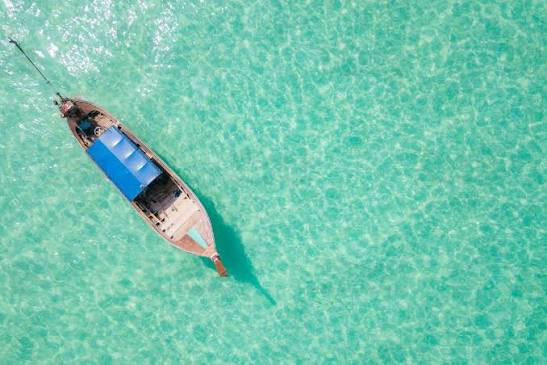
Mbudya Island Marine Reserve Guide
mbudya island reserve overview
mbudya at a glance (quick facts)
what is mbudya island famous for?
where is mbudya island located?
why should i visit mbudya island?
what marine life can i see at mbudya?
when is the best time to visit mbudya?
is mbudya good for first-time snorkellers?
is mbudya island safe to visit?
how many days do i need for mbudya island?
what activities are available at mbudya?
where do i stay for mbudya island?
is mbudya island good for families?
what should i pack for mbudya island?
how much does a mbudya island visit cost?
how do i get to mbudya island?
can mbudya be combined with other trips?
mbudya vs bongoyo vs pangavini: which isle?
why book mbudya with safari-tz.com?
Mbudya Island Reserve Overview
The City's Own Little Island Paradise
Mbudya Island Marine Reserve overview from Safari-tz.com: Dar es Salaam's easy beach-escape island for shallow-reef snorkelling, bandas and seafood.
Mbudya is the easy one: the beach-and-picnic island of the Dar es Salaam Marine Reserve System, a short motorboat hop off the city's north coast, and the answer to the question every visitor with a spare Dar day asks, where can I get to a real tropical beach without a real journey. The answer is fifteen to twenty minutes across the water from the Kunduchi coast, an uninhabited white-sand island of palms, casuarinas and baobabs that Dar residents, expats and travellers alike treat as the city's own little Zanzibar.
The day is simple and complete, which is the whole appeal. Mbudya has sand beaches on its western and eastern sides, shallow reef close to shore for easy snorkelling, warm turquoise shallows for swimming, thatched bandas to rent for shade, and local cooks grilling the day's fish and lobster to eat with your feet in the sand, and that is essentially the offering: beach, reef, shade, seafood, repeat until the last boat. There are no hotels, no roads, no shops and no sit-down restaurants, and the island closes to visitors in the evening because nobody stays over, all of which keeps it the undeveloped-in-the-best-way escape its regulars love.
Within the reserve system, Mbudya plays the beach-day role, the counterpoint to the wild, no-landing sanctuary of nearby Pangavini this series has already paged: where Pangavini is the island you circle for its birds, Mbudya is the island you land on for its sand, and a good Dar reserve day can hold both. Mbudya is also the roomier and generally quieter of the two famous beach islands, with more bandas and a wider western beach than its rival Bongoyo, which the comparison section prices.
Safari-tz.com builds Mbudya into Dar es Salaam beach days and city-stopover itineraries, exactly as the sections below map.
Mbudya at a Glance (Quick Facts)
Key Facts Before Your Beach Day
Quick Mbudya Island facts from Safari-tz.com: a 15-20 minute boat hop off Dar, white-sand beaches, shallow-reef snorkelling, bandas and seafood.
The short version: Dar es Salaam's easy island beach escape, minutes offshore, for snorkelling, swimming, bandas and grilled seafood, a day trip and nothing more.
- The reserve: One of the four northern islands of the Dar es Salaam Marine Reserve System, alongside Bongoyo, Pangavini and Fungu Yasini, protected and managed by Tanzania's marine authority.
- The island: Uninhabited, white-sand beaches on the western and eastern sides, backed by palms, casuarinas and baobabs. Undeveloped by design, no hotels, roads or shops.
- The crossing: A short motorboat ride, roughly fifteen to twenty minutes, from the Kunduchi and northern-coast side of Dar; boats also run from the Slipway side that serves Bongoyo first.
- The day: Shallow-reef snorkelling close to shore, swimming in calm turquoise shallows, thatched bandas to rent for shade, grilled fish and lobster cooked on the beach, and a forest walk to a quieter beach.
- Beginner-friendly: The reef is shallow and calm, ideal for first-time snorkellers, with gear available and guides on the organised trips.
- Day-only: No accommodation; the island empties by evening, the last boats leaving in good time. It is a day trip by design.
- The crowd note: Popular with Dar residents at weekends, Saturdays especially; a weekday or Sunday morning is far quieter.
- The fees: A marine-reserve entry fee plus a boat fare and optional banda and food costs, usually bundled on organised trips and confirmed at booking.
- Best months: June to October and December to February for calm seas and clear water.
What Is Mbudya Island Famous For?
Why Mbudya Is Dar's Favourite Escape
Mbudya is famous as Dar es Salaam's easiest island beach escape: white sand and shallow reef minutes offshore, with grilled seafood in a banda.
Mbudya's fame is uncomplicated and well earned, and it runs on three things that add up to the same easy pleasure.
The beach first, because it is what people come for. Mbudya offers a genuine tropical beach, white sand, swaying palms, clear turquoise shallows, minutes from a major African city, and the contrast is the whole magic: you leave the traffic and heat of Dar es Salaam and, before you have properly settled, step onto sand that could be Zanzibar's. The island's western beach is wide and shaded, the eastern side quieter, and the shallow water is calm and warm enough that even inexperienced swimmers relax into it. Regulars call it Dar's own little Zanzibar, and for a day trip the comparison holds.
The seafood second, and it is more central to Mbudya's reputation than the snorkelling. The island's simple institution is the beach barbecue, local cooks grilling the day's catch, fish, lobster, prawns, octopus, calamari, served with chips or rice under the casuarina trees and eaten in a rented banda with a cold drink and your feet in the sand, and for many visitors that lunch is the day's headline memory as much as anything underwater. It is unpretentious, fresh and utterly of the place.
The nearness third, and it is the quiet genius of the whole thing. Mbudya is famous precisely because it is easy, the tropical-island day that costs a short boat ride rather than a flight and a plan, reachable on a whim from a Dar hotel and back by evening, which makes it the default escape for the city's residents and the obvious spare-day pleasure for its visitors. Its fame is for being the real thing made effortless, and this page presents that ease as the genuine value it is.
Where Is Mbudya Island Located?
Finding Mbudya Among the Four Isles
Mbudya Island sits about 3 kilometres off the Kunduchi coast north of Dar es Salaam, the northern beach island of the reserve, near Pangavini.
Mbudya lies about three kilometres off the Kunduchi coast on the northern edge of Dar es Salaam, the northernmost of the reserve system's popular beach islands, close to the beach resorts and the fishing community that share the Kunduchi name. It is the larger of the two famous day islands, with wild Pangavini just to its south and Bongoyo further down toward the city's Msasani side, the three of them strung along the coast within a short boat ride of each other and of the mainland.
The position writes the day's convenience. Being three kilometres off a major city's north coast means Mbudya is astonishingly easy to reach, a fifteen-to-twenty-minute motorboat hop from the Kunduchi and northern-hotel side, which is exactly why the north-coast resorts treat it as their house island and why it fills with city residents at weekends. The shallow reef sits close around the island's sandy shores, the swimming shallows are calm and protected, and the whole geography is scaled for an easy day rather than an expedition.
The orbit note for this marine series: Mbudya is the second Dar es Salaam page, the beach sibling to Pangavini's wild sanctuary, and together with Bongoyo and Fungu Yasini they form the reserve system this series is paging as a natural set. Mbudya belongs to the mainland pole, the accessible, city-adjacent, community-run coast this series set at Tanga and Maziwe, rather than to Zanzibar's resort model or Mafia's fly-in park. Its natural use is the Dar city-stopover, the arrival buffer, the layover, the free day in the gateway city everyone passes through, and the combinations section threads it into exactly those, ideally alongside its reserve siblings.
Why Should I Visit Mbudya Island?
The Case for the Easy Island Day
Why visit Mbudya: a real tropical beach and reef minutes from Dar, easy for beginners and families, with grilled seafood and no journey needed.
Because Mbudya turns a spare Dar day into a genuine tropical-island one, with almost no effort and no premium, and for the traveller passing through the city that is a surprisingly rare and valuable thing.
The ease argument leads, and it is honest about what Mbudya is. This is not a world-class dive site or a wild wilderness; it is an easy, lovely, accessible beach island, and its value is precisely that it asks so little to deliver so much, a short boat ride standing between a hot city afternoon and sand, reef, shade and grilled lobster. For the traveller with a Dar layover, an arrival or departure day, a work trip with a free afternoon, or simply a wish for the sea without the logistics, Mbudya is the answer, and this page recommends it exactly for that ease rather than pretending it is something grander.
The beginner-and-family argument follows and it is genuine. The shallow, calm reef and the gentle swimming shallows make Mbudya one of the friendliest first-snorkel and family beach days on this whole coast, the water forgiving, the gear provided on organised trips, the guides used to complete beginners, and the day structured around comfort rather than challenge. Nervous swimmers find their confidence here; children love it; and the bandas and the seafood give the non-swimmers a full day regardless.
And the value argument closes it, this series' quiet-versus-famous theme in miniature: Mbudya delivers the Zanzibar-beach feeling at a fraction of the cost and none of the flight, a modest reserve fee and a boat fare standing in for an island holiday's budget, and while it is a day rather than a week, it is a genuinely good day, and the honest note that separates us from the touts is that Mbudya is quieter and roomier than its rival Bongoyo, so the traveller who wants the easy island with the smaller crowd should choose it deliberately, which the comparison section explains.
What Marine Life Can I See at Mbudya?
What the Shallow Reef and Island Show
Mbudya marine life: shallow-reef fish, corals, starfish and sea cucumbers close to shore, with coconut crabs and birds on the wooded island.
The honest register at Mbudya is a gentle, accessible one, matched to a shallow-reef beach island rather than a world-class dive park, and the honesty here is that the wonder is close, easy and modest rather than rare and deep.
The shallow reef is the everyday show, and it is genuinely rewarding for its register: the coral close to shore holds the reef-fish community a beginner can meet from the surface, the colourful small fish, the wrasse and damsels and butterflyfish over the coral, the starfish and sea cucumbers on the sandy patches, and, the reviews note, the occasional moray eel tucked in the reef and the schooling fish a guide can find. It is not the pelagic drama of Mafia or the pristine density of Chumbe, and this page does not pretend it is; it is a healthy, protected, shallow reef ideal for easy snorkelling, which is exactly what most of Mbudya's visitors want.
The island's own creatures add the land register that the wooded islands of this reserve share: the coconut crabs, the great land crabs the Dar reserve islands are known for, sheltering in the island's forest; the hermit crabs and the shore life of the sandy and rocky margins; and the birds the palms, casuarinas and baobabs support, a gentle birding backdrop to a beach day rather than Pangavini's serious seabird spectacle. The forest walk that crosses to a quieter beach is the way to meet them, a short, easy trail the organised trips often include.
The redirect runs at reserve-day strength and points, as ever, to honesty about register: Mbudya's marine life is the accessible, shallow, beginner-friendly kind, the reserve system's wilder and richer registers living on its siblings, Pangavini's birds, the deeper dive sites off the islands' eastern edges, and the turtles and dugong of the wider system. Mbudya's gift is that its wonder is easy to reach, and the page sells it as exactly that.
When Is the Best Time to Visit Mbudya?
The Season Sets the Sea, the Day the Crowd
Visit Mbudya June to October or December to February for calm clear water, and pick a weekday or Sunday morning to avoid the weekend crowds.
June to October first, December to February second, the coast's standard, and Mbudya adds a second variable this series has met only at busy Materuni: the day of the week matters as much as the month, because Mbudya's crowd is the city's own.
The season sets the sea, in the marine series' clarity-and-calm terms: the long dry season from roughly June to October brings the calmest crossings, the clearest water for the shallow-reef snorkelling, and the sunniest, least humid beach days, the reliable best window; the shorter dry spell around December to February is warmer but also good, a secondary window between the rains. The long rains of roughly March to May cloud the water and roughen the short crossing, and while the island stays technically reachable, the snorkelling half of the day is honestly a dry-season pleasure, and we schedule accordingly.
The day of the week is Mbudya's own variable and the one the regulars guard: the island is Dar es Salaam's weekend escape, so Saturdays especially, and weekends generally, bring city residents in numbers that fill the boats, the bandas and the beach, while a weekday or a Sunday morning is a markedly quieter and roomier island. This is a genuine planning lever, not a footnote, and the honest counsel is simple, come on a weekday if you can, and if the dates force a weekend, come early, before the bulk of the day-trippers arrive, which also buys the calmest morning sea and the coolest hours.
The daily law wears the marine series' tide-and-morning form here, mildly: the shallow reef and the beach both reward the earlier, calmer, cooler hours, the boats run through the day, and the last departures leave in good time before evening because nobody stays over. Best of all, then: a dry-season weekday morning, the island at its calmest, clearest and quietest, which is exactly the version we plan for.
Is Mbudya Good for First-Time Snorkellers?
The Coast's Friendliest First Snorkel
Mbudya is ideal for first-time snorkellers and families: shallow calm reef close to shore, gear and guides provided, with honest mobility notes.
Yes, emphatically, and Mbudya is one of the best first-time snorkelling and easy family beach days in this whole marine series, because everything about it is scaled for comfort rather than challenge.
The beginner case is genuine and strong: the reef is shallow and close to shore, the water calm and protected in the recommended windows, the organised trips provide masks, snorkels and fins suitable for newcomers, and the guides are used to complete first-timers, running a safety briefing and staying in the water with the group. A visitor who has never put their face in the sea can do it here with support and success, and the reviews are full of exactly that first-snorkel delight. The gentle shallows and the sandy entries mean nobody is thrown into deep or current-swept water, and the whole day gives the nervous beginner every reason to relax.
The family case follows and it is one of the coast's best: shallow safe swimming, easy snorkelling, sand to play on, a forest walk to a hidden beach, and grilled lunch in a shaded banda make a full, gentle family day, and the island's genuine appeal to Dar's own families is the strongest recommendation there is.
The honest limits, stated plainly because one operator makes them and they are fair: the boat crossing needs a little balance, and some of the island's walking paths are rocky, so Mbudya is less ideal for visitors with serious mobility challenges or for very young children who find boats and uneven ground difficult, and we say so honestly at booking rather than at the jetty. The expectations frame is the mainland coast's standing one, softened by Mbudya's easy nature: this is a community-run, basic-facilities island, no resort, no shops, bandas and grilled fish and beauty, and the traveller wanting an all-inclusive resort day should know Mbudya is rustic and adventure-flavoured rather than polished, which is, for most, its charm.
Is Mbudya Island Safe to Visit?
How Risk Is Managed on the Easy Island
Mbudya safety centres on the short licensed-boat crossing, calm shallow snorkelling, sun care and honest notes on rocky paths and basic facilities.
Mbudya visits safely and easily, among the gentlest risk profiles in this marine series, and its short list of honest items is worth stating plainly.
The boat crossing leads, softened by its brevity: the fifteen-to-twenty-minute hop is short and the water usually calm in the recommended windows, but it is an open-sea crossing in a small boat, so licensed operators, seaworthy craft and lifejackets are the floor, the crews' judgement on the day's conditions final in the standing form, and the honest note that the crossing can be choppy enough that the seasickness-prone should take a remedy beforehand. We book licensed operators as standing practice.
The snorkelling and swimming run the reserve's gentlest register: the shallow reef and calm shallows are forgiving, entries are easy from the sand, the guides brief and supervise beginners, children swim within arm's reach under the standing law, and the reef code, no touching coral, protects reef and visitor together. This is easy water, and the safety is mostly a matter of the ordinary sea sense the guides provide.
The land and sun items close the list: the island's walking paths are rocky in places, worth steady footwear and care, and the mobility note the difficulty section made applies here as a safety one; the equatorial sun doubled off sand and water is Mbudya's most underestimated hazard, the bandas and casuarina shade the answer alongside reef-safe cover; and the basic-facilities reality means bringing your own water and essentials, the island selling food and drink but not a pharmacy. The remoteness setting is the series' gentlest, a major city and its hospitals minutes across the water, the reassurance the offshore reserves cannot offer. The site-wide medical close stands, unamended, with the marine coda: declare what swimming and boat travel affect at booking.
How Many Days Do I Need for Mbudya Island?
A Day, and a Perfect One at That
Mbudya Island is a single easy day trip from Dar es Salaam, ideal for a city stopover, and best paired with its reserve siblings for a full day.
A day, and Mbudya is honest about being exactly that: a day trip, complete in itself, with no accommodation and no need for more, the easiest full-island day in this series and one of its most satisfying for the effort involved.
The day itself: the short transfer to the Kunduchi or northern-coast jetty, the fifteen-to-twenty-minute boat hop, and then the island's simple rhythm, snorkel the reef in the calm morning water, swim the shallows, claim a banda for the shade, eat the grilled seafood lunch, walk the forest trail to the quieter beach, and laze until the afternoon boat, back in the city by evening. It is a full and genuinely restful day, and its completeness is the point, no part of it rushed and no part of it missing.
The reserve-day upgrade is the better version for those with the time: because Mbudya sits among its siblings, a fuller Dar reserve day can pair it with wild Pangavini's birds and reef offshore or, on a boat that runs the group, take in more than one island, the beach comfort of Mbudya set against the wild character of Pangavini in a single outing that shows the reserve's range. The combinations section builds it, and it is the version this series recommends for the traveller who wants the whole reserve rather than one beach of it.
The city-stopover frame is where Mbudya genuinely shines, and it is this page's practical pitch: Dar es Salaam is the transit hub of Tanzanian travel, the gateway to Zanzibar, the southern parks and the flights home, and a spare Dar day, an arrival buffer, a departure morning, a layover, converts perfectly into a Mbudya beach day, the tropical island fix that needs no flight and no plan. It is the rare marine destination that rewards the traveller with a free afternoon rather than a booked holiday, and the arithmetic could not be simpler: one easy day, one lovely island, no journey to speak of.
What Activities Are Available at Mbudya?
Snorkel, Swim, Feast and Wander
At Mbudya: shallow-reef snorkelling, swimming, sunbathing, a forest walk to a hidden beach, grilled-seafood lunch in a banda, and glass-bottom boats.
Mbudya's menu is short, easy and complete, and it sorts by the water, the sand and the plate.
In the water: snorkelling the shallow reef is the main activity, close to shore, beginner-friendly, gear provided on organised trips, the coral and reef fish and starfish a gentle underwater world; swimming in the calm turquoise shallows is the simplest pleasure and the safest, the sandy-bottomed water forgiving for all ages; and the glass-bottom boat, available on request, offers the underwater view without the mask for those who prefer to stay dry, a nice touch for mixed groups and non-swimmers.
On the sand: sunbathing and relaxing on the white beaches is what most visitors come for, a towel, a book, the sound of the waves, and the bandas rented for shade; the forest walk across the island to a quieter, hidden beach is the gentle exploration the reviews single out, a short trail through the palms and baobabs the guides often include; and beach games, walks and simply doing nothing fill the unstructured hours the island is built for.
On the plate: the beach-barbecue lunch is a genuine activity in its own right and half the island's fame, the day's fresh fish, lobster, prawns, calamari or octopus grilled over open fires and served with chips or rice in the shade, with cold drinks alongside, the unpretentious feast that anchors the afternoon. It is worth treating as an event rather than a refuelling, because for many visitors it is the day's best memory.
The through-line: Mbudya's activities are deliberately simple, the whole appeal being an easy, complete beach day rather than a packed itinerary, and a good Mbudya day does little and enjoys it fully, which is exactly the register the island is built to deliver and the one we plan it in.
Where Do I Stay for Mbudya Island?
The City's Beach Hotels, or the City
Mbudya has no accommodation; visitors stay at the Dar es Salaam north-coast beach hotels near Kunduchi that run the boats, or in the city.
Mbudya itself has no accommodation, none, by design, so the where-to-stay question is a where-in-Dar one, and the answer tracks the trip's shape and the jetty you leave from.
The north-coast beach hotels are the natural base and the boats' home: the resort-and-hotel strip along the Kunduchi and northern city coast, the White Sands and Whitesands-area and Kunduchi properties that treat Mbudya as their house island and run or arrange the boats, and staying here turns the Mbudya day into a walk-to-the-jetty affair with the island minutes offshore. The register runs the full Dar range, international beach resorts to mid-range hotels, and for a beach-focused Dar stay this side of the city is the natural home.
The city and Slipway side serves the central-Dar and stopover traveller: the central, Msasani and Slipway-area hotels, from which Mbudya is reached either by transfer up to the northern jetties or on the Slipway boats that serve Bongoyo first and Mbudya second, a slightly longer route but a workable one, and the base most stopover travellers actually use because it suits the city's business and transit geography. This is the version for the layover, the arrival buffer or the work trip with a free day.
The marine-specific note stands from the series: the reserve day runs on boats, so the properties and operators that handle the jetty-and-boat logistics smoothly are worth their convenience, and the city-based traveller gains from an operator who arranges the transfer-and-boat as one piece rather than leaving them to negotiate at the beach. Booking pressure is a weekend matter, the island and its boats busiest when Dar itself has a day off, one more argument for the weekday visit the seasons section made. We hold the arrangements when the day locks, per standing practice.
Is Mbudya Island Good for Families?
The Family Answer: the Easy Beach Day
Mbudya is an excellent family beach day: shallow safe swimming, easy snorkelling, sand, a forest walk and grilled lunch, with honest young-child notes.
An easy and warm yes, and Mbudya is one of the best family beach days in this marine series, because the whole island is scaled for exactly the gentle, safe, varied day families need.
The case runs itself. The calm shallow swimming is safe for children who paddle and swim; the shallow reef is the gentlest first snorkel a child could have, gear provided and guides supervising; the white sand is a playground; the forest walk to the hidden beach is a small adventure; the glass-bottom boat lets non-swimming children see the reef dry; and the grilled-seafood lunch in a shaded banda gives the day its civilised centre. It is the island Dar's own families choose, which is the strongest endorsement a family beach day can carry, and the mix of water, sand, food and mild exploration keeps every age occupied.
The terms, honestly, and they matter for the youngest: the boat crossing needs a little balance and the island's paths are rocky in places, so, per one operator's honest note, very young children who struggle with boats and uneven ground may find parts of the day tricky, and we flag it at booking rather than the jetty; the sun discipline runs at marine-doubled strength on a beach with shade only under the bandas and trees, so the family's reef-safe cover and a claimed banda are the real kit; and the basic-facilities reality, no shops, no pharmacy, means packing the day's essentials. Within those honest terms, the gentle safe water and the varied easy day make Mbudya a genuinely excellent family choice.
The itinerary note: as an easy beach day inside a Dar stay or stopover, or as the gentle island half of a wider Tanzania family trip, Mbudya gives families the tropical-island day with none of the journey, and the reserve-day version that adds Pangavini's birds offshore gives the older, curious children a taste of the wild sibling too, the beach comfort and the wild sanctuary in one outing.
What Should I Pack for Mbudya Island?
Packing for an Easy Island Beach Day
Mbudya packing list: reef-safe sun cover, swimwear worn, your own mask if you have one, water shoes, a dry bag, water and cash for fees and lunch.
Pack the marine series' easy-day beach list, light and simple to match the island, with a couple of Mbudya-specific notes.
The sun-and-swim kit leads: reef-safe sunscreen at full strength, the protected reef requiring it and the shadeless-beyond-the-bandas beach demanding it, the equatorial sun doubled off sand and water; swimwear worn under light clothing for the easy start; a hat, sunglasses and a light cover for the sun; and a rash vest for the snorkelling if you burn, sparing you and the reef both. The bandas and casuarina shade help, but the sun is the day's real hazard and the cover is the answer.
The reef kit is optional-to-useful: your own mask and snorkel if you own a set you like, the organised trips providing gear that suits beginners but a personal mask always fitting better; and water shoes for the boat, the sandy entries and the island's rocky paths, useful on all three counts.
The day kit closes it: a dry bag for the short boat crossing and the spray; water and a few snacks, because while the island grills excellent seafood it sells little else and a pharmacy is a boat ride away; small cash for the reserve fee, the boat fare, the banda rental and the lunch, the local economy the day runs on and one that cards never reached; and a light layer and seasickness remedy for the sensitive. One honest local note the reviews flag: leave the drone and the serious camera unless you have arranged and paid the island's permit, a smartphone catching the day fine and sparing a fine. The subtraction rule closes at easy-day weight: it is a beach day a boat-hop away, so you carry little, and your reef-safe, banda-bound self signs the lightest bag in the marine series.
How Much Does a Mbudya Island Visit Cost?
What an Easy Island Day Costs
Mbudya Island costs combine a marine-reserve entry fee, a boat fare, optional banda rental and grilled-seafood lunch, an honest and modest day out.
Mbudya prices as the easy, affordable city-beach day it is, and the structure is simple, modest and honest, with none of the premium the fly-in and Zanzibar islands carry.
The build: the marine-reserve entry fee, at the per-person register the marine authority sets and revises, with a lower resident rate and a foreigner rate, charged towards the reserve's conservation and maintenance; the boat fare, the day's transfer across and back, priced per trip or per person by the operators; the optional banda rental for the shaded hut, table and seats that most visitors take; and the grilled-seafood lunch and drinks, bought on the island from the local cooks, the fish-and-chips-to-lobster range the activities section described. On an organised trip these are usually bundled into one price with the hotel pickup and the guide and gear, which is the version we arrange; the independent visitor pays each separately at the beach.
The comparison the coast forces, per the series: Mbudya is among the cheapest genuine island days in this whole marine series, a modest reserve fee and a short boat fare standing in for what a Zanzibar or Mafia trip costs many times over, and the value, a real tropical beach and reef day minutes from a city, is one of the coast's clear bargains. The honest note is that the independent route can involve small separate payments at the jetty and the island, fees, boat, banda, food, each modest but jointly worth arranging in advance, which is part of what booking the organised day buys, the whole thing quoted as one clear price before you leave the hotel.
The functioning-structure defence runs in city form: the reserve fee funds the marine-parks system that protects Mbudya's reef and its siblings' waters, and the banda and food payments support the local cooks and boatmen whose island livelihood the day sustains, protection and community both paid into rather than merely for. We pay them gladly and quote them plainly.
Figures stay off the page at standing strength, reserve and boat rates revising on their own schedules; quotes arrive itemised, reserve fee, boat, banda, lunch on their lines, for your dates and party.
How Do I Get to Mbudya Island?
A Short Hop From the City's Coast
Reach Mbudya by a 15-20 minute motorboat hop from the Kunduchi north-coast jetties, or on the Slipway boats that serve Bongoyo then Mbudya.
By the shortest, easiest island access in this marine series, and the story is two quick stages: to the jetty, then the short hop across.
To the jetty: the boats leave from the Dar es Salaam north-coast side around Kunduchi, the White Sands and northern-hotel beaches and the local fishing jetties, reached by a short road transfer from the north-coast hotels or a longer one, roughly forty minutes, from central Dar and the Slipway side; the Slipway boats on the Msasani peninsula also serve the reserve, stopping at Bongoyo first and then Mbudya, the alternative route for central-city stays. Dar itself is the country's main gateway, reached by every international and domestic route, which is exactly why Mbudya suits the stopover, the beach day launched from the city most travellers already touch.
Onto the island: a short motorised-boat crossing of fifteen to twenty minutes takes you across to Mbudya, the wooden boats and glass-bottom vessels the operators run, and the marine series' tide rule plays its mildest part here, the crossing short and the timing built around the calm morning water and the beach day by operators who run it daily. The boats run through the day with the last departures in good time before evening, since nobody stays over.
The daily law, Mbudya edition, is the gentle one this page has made throughout: come on a weekday morning if you can, for the calmest sea, the coolest hours and the emptiest island, and let the operator handle the jetty, the fees and the boat as one arrangement rather than negotiating them at the beach. It is the easiest access in this marine series, the tropical island that costs a short drive and a shorter boat ride, and the whole point of Mbudya is that getting there is barely a journey at all.
Can Mbudya Be Combined With Other Trips?
The Beach Day, and the City Stopover
Combine Mbudya with wild Pangavini and Bongoyo on a Dar reserve day, a city stopover en route to Zanzibar or the parks, or the wider coast.
Mbudya combines as the beach anchor of a Dar reserve day and the easy pleasure of a city stopover, and the section threads it outward from its own reserve system.
The reserve day leads and it is Mbudya's natural richer form: the beach comfort of Mbudya paired with the wild character of Pangavini, the sand-and-seafood island and the bird-and-reef sanctuary in one outing, showing the Dar reserve's full range in a single day, with Bongoyo the third beach option and Fungu Yasini's sandbank a further stop for the boats that reach it. Mbudya carries the lunch, the swimming and the beach hours; Pangavini adds the wild interlude; and the reserve day done well uses each island for what it does best, the pairing this series has built since the Pangavini page.
The city stopover is Mbudya's strategic home and this page's practical pitch: Dar es Salaam is the hinge of Tanzanian travel, the gateway to Zanzibar by ferry or flight, to the southern parks of Nyerere and Ruaha, and to the flights home, and a spare Dar day, an arrival buffer, a departure morning, a layover, converts perfectly into a Mbudya beach day, the easy tropical fix that asks nothing of the itinerary. We build the reserve day into exactly those transit gaps as a standing offering, the good use of a Dar day that would otherwise be spent in a hotel.
The wider frame closes the map: Mbudya as the gentle beach note in a southern-Tanzania trip, pairing with the Zanzibar and Mafia coasts this series pages elsewhere for the traveller comparing islands, with Saadani's coastal park up the shore, and with the marine series' comparison, priced next door, placing Mbudya as the accessible, easy, city-adjacent end of Tanzania's island spectrum. The caution is simply the honest one this page has made throughout: Mbudya is an easy day rather than a destination to build around, and its best combinations treat it as exactly that, the effortless island stop that makes a Dar day a pleasure.
Mbudya vs Bongoyo vs Pangavini: Which Isle?
The Big Beach, the Busy One, the Wild One
Mbudya, Bongoyo or Pangavini? Compare the Dar reserve islands, the roomy beach isle, the popular close-in one and the wild sanctuary, and take two.
The Dar reserve islands compared, and as this series said at Pangavini, the honest answer is usually more than one, because they divide the day between them so well.
Mbudya is the roomy beach island: the larger of the two popular isles, with the wider western beach, the most bandas and the most shade, generally less crowded than its rival at peak times, closest to the Kunduchi and north-coast jetties, and the natural choice for a spacious, easy beach day with good snorkelling and the best banda capacity for a group. Bongoyo is the popular one: smaller than Mbudya but the most-visited of the four, closest to the Msasani Slipway and so the most convenient for central Dar, the reserve's easy classic, with fewer bandas and, the regulars note, the bigger weekend crowd, historically home to the country's largest coconut crabs. Pangavini is the wild one: tiny, beachless, hard to land on, left to its seabirds, the reserve day's conscience, visited for the reef around it and the roost above it rather than a beach at all, the island this series paged as the one you circle rather than occupy.
The matching: a roomy beach day with space and shade, away from the biggest crowd, Mbudya, especially from the north-coast side; the quickest, most convenient beach island from central Dar, Bongoyo, accepting the crowd that convenience brings; birds, reef and wildness rather than sand, Pangavini, as the interlude. And the reserve-day answer, this series' standing recommendation, takes a beach island for the comfort and Pangavini for the character, Mbudya being the beach island we most often pick for its space and its slightly smaller crowd. The traveller forced to choose one beach isle weighs convenience against room, Bongoyo against Mbudya; the traveller who takes the reserve day gets the whole range, and Mbudya is the roomy, restful heart of it.
Six marine reserves now stand in this series, the coelacanth coast, the vanishing sandbank, the model reef, the wild sanctuary islet, the world-class park and now the city beach escape, and the Dar system's own set fills as Bongoyo and Fungu Yasini follow.
Why Book Mbudya With Safari-Tz.Com?
The Easy Day, Made Genuinely Easy
Book Mbudya with Safari-tz.com: the jetty, fees, boat, banda and lunch arranged as one, the quiet day chosen, and the reserve siblings paired.
Mbudya is the easiest destination in this marine series, and that is exactly why the small ways it goes wrong are worth preventing, because an easy day mishandled is a disproportionately annoying one. The independent visitor negotiates fees, boat and banda separately at the beach, each modest and jointly fiddly. The one who picks a Saturday meets the whole city on their beach. The one who arrives at the wrong jetty takes the long route via Bongoyo without meaning to. The one who brings a drone without the permit meets a fine. None of these ruins a day, and all of them chip at one that was meant to be effortless, and the whole value of booking through us on a destination this simple is that the simplicity is delivered rather than assumed: the hotel pickup, the right jetty, the reserve fee, the boat, the banda and the lunch arranged as one clear price; the quiet weekday morning chosen over the crowded Saturday where the dates allow; the beginner and family needs briefed honestly, mobility and young children included; the gear and guide sorted; and, for the traveller who wants the whole reserve, wild Pangavini paired with Mbudya's beach into the fuller day.
That is the day before the day at its gentlest, the easy island made genuinely easy, and the standing sentence carries into the marine series' sixth page unchanged: guests do not experience our logistics in proportion to their size, and on an island where the whole promise is effortlessness, the logistics are simply keeping that promise. Lead guides Geoffrey Komba, William Mwasimba, and Isaac Munuo oversee our operations, and even the city's easy beach island is arranged with the field honesty this website brought to its mountains and its coast.
Ready to plan your Mbudya beach day?
- Request a tailor-made quote (fastest, best for a real plan)
- WhatsApp: +255 740 666 662
- Email: info@safari-tz.com
Tell us your Dar dates, whether you want the beach alone or the reserve day with wild Pangavini, and any beginners or young children in the party. You will get the easy day arranged end to end and an itemised quote.