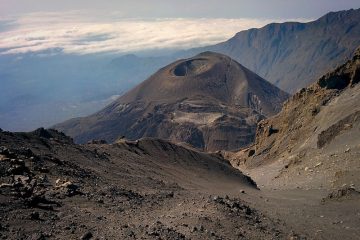
Mount Longido Climbing Guide
mount longido overview
mount longido at a glance (quick facts)
what is mount longido famous for?
where is mount longido located?
why should i climb mount longido?
what wildlife can i see on mount longido?
when is the best time to climb longido?
is longido good for first-time climbers?
is mount longido safe to climb?
how many days do i need for mount longido?
what activities are available at longido?
where do i stay for a longido climb?
is mount longido suitable for families?
what should i pack for mount longido?
how much does a mount longido climb cost?
how do i get to mount longido?
can longido be combined with other destinations?
longido vs hanang vs meru: which warm-up?
why book mount longido with safari-tz.com?
Mount Longido Overview
The One-Day Mountain on the Namanga Road
Mount Longido overview from Safari-tz.com: a steep day climb over Maasai country near the Kenya border, under two hours by road from Arusha.
Mount Longido rises alone out of the Maasai plains beside the Arusha–Namanga road, close enough to town that you can leave after an early breakfast, stand on a real summit by early afternoon, and be back for dinner. No other genuine mountain in northern Tanzania offers that arithmetic, and the arithmetic is most of why Longido exists in climbing itineraries at all: it is the day summit, the acclimatisation classic, the first mountain.
The climb earns the word. The route leaves Longido town through Maasai bomas and acacia bush, steepens into the wooded and rocky upper mountain, and finishes on a top that behaves like a viewing platform for the whole northern neighbourhood: Kilimanjaro on one horizon, Meru on the other, the border plains running toward Kenya below. Clear dry-season mornings deliver both giants at once, and the sight of the two mountains you might be about to climb, from the summit of the one you just did, is the photograph this page keeps selling.
The other half of Longido is the town below it. This is one of Tanzania's original community cultural-tourism sites, the guiding is Maasai and local, the fees fund the village, and the weekly cattle market fills the plains with a scene the safari circuit never shows.
Safari-tz.com runs Longido as the first rung of the northern climbing ladder, and this page covers the whole product.
Mount Longido at a Glance (Quick Facts)
Key Facts Before You Climb Longido
Quick Mount Longido facts from Safari-tz.com: a day summit around 2,600 metres near Arusha, Maasai guides, community fees and two-giant views.
The short version: a real summit around 2,600 metres, climbed in one honest day from a base under two hours from Arusha, with Maasai guides and community fees instead of park machinery.
-Height: Around 2,600 metres. Modest beside the giants, serious underfoot; the gradient does not read the height chart.
-Duration: One full day is the classic format, roughly a dawn-to-late-afternoon commitment door to door from Arusha. A two-day version with a camp exists for those who want the mountain slowly.
-Style: Steep walking on bush and rocky mountain paths. No technical ground; hands touch rock in a few honest places near the top.
-Guides: Local Maasai guides through Longido's community tourism programme, one of the country's originals. Fees stay in the village.
-Base: Longido town on the Arusha–Namanga road, under two hours' drive from Arusha.
-The view: Kilimanjaro and Meru together on clear mornings, with the Kenya border plains below.
-Best months: June to October, then December to February. The view is a morning product in any season.
-Wildlife honesty Modest. Birdlife, klipspringer country on the rocks, and buffalo moving through the lower bush, which is one reason the guides lead.
-Fitness: Solid day-hike fitness. The mountain is short but it is never flat.
What Is Mount Longido Famous For?
Two Giants on the Horizon and a Cattle Market
Mount Longido is known as the classic Arusha day summit, the two-giant viewpoint for Kilimanjaro and Meru, and a founding community tourism site.
Three fames, all local, all earned: the day-summit format, the two-giant view, and a community tourism programme old enough to have grandchildren.
The format first, because it is what puts Longido on itineraries. Northern Tanzania's other real summits charge days: Meru wants four, Hanang wants three with its road, Kilimanjaro wants a week. Longido charges one, from an Arusha breakfast to an Arusha dinner, and for climbers with a spare acclimatisation day before a big mountain, or travellers who want one genuine summit inside a safari itinerary, that single-day price is the whole argument.
The view is the poster. From the top on a clear morning, Kilimanjaro stands to the east and Meru to the west, both at full height over the plains, and no other accessible summit in the region serves them together like this. The mountain also watches the border country: Namanga's crossing below, the Kenya plains running north, and the Maasai herding landscape spread out the way maps wish they could show it.
The programme is the quiet fame. Longido was among the first villages in Tanzania's community cultural-tourism movement decades ago, the arrangements have had time to mature, and the result is guiding that is genuinely local, fees that visibly fund the town, and a cattle market on its weekly rhythm that fills the plains with herders, stock and commerce staged for nobody. Time the climb to meet it and the day doubles in value.
Where Is Mount Longido Located?
Finding Longido on the Tanzania Map
Mount Longido rises beside the Arusha–Namanga road near the Kenya border, under two hours' drive north of Arusha through Maasai plains.
Longido stands beside the main road running north from Arusha to the Namanga border crossing, in open Maasai country, close enough to Kenya that the summit looks into it. The drive from Arusha takes under two hours on good tarmac, which makes this the most accessible mountain base in the country: no staging overnight required, no unpaved gamble, no flight, just a road that half the region's traffic already uses.
That road position shapes two kinds of itinerary. For Arusha-based climbers, Longido is the out-and-back day this page keeps describing, the only real summit in Tanzania that works as a day trip from a city hotel. For overland travellers moving between Kenya and Tanzania through Namanga, the mountain sits practically on the border formalities, and a Longido day converts the crossing from an administrative errand into a chapter, an option almost nobody exercises because almost nobody knows it exists.
The mountain's own setting explains its character. Longido is a freestanding massif on flat plains, like Hanang further south, and freestanding mountains behave as viewing platforms; everything the region has stands visible from the top because nothing crowds the sightlines. The plains below run the full Maasai herding economy, bomas, stock routes, the weekly market, and the town of Longido services it all at the mountain's foot, guides included.
The practical summary is one line: the closest real summit to Arusha, on the easiest road in this entire cluster.
Why Should I Climb Mount Longido?
The Case for the One-Day Summit
Why climb Mount Longido: a real summit in a single Arusha day, proven acclimatisation value, Maasai guiding and the two-giant view from the top.
Because a real summit that fits inside one day, under two hours from your Arusha hotel, solves problems no other mountain in Tanzania can touch.
Problem one: the wasted acclimatisation day. Climbers arrive in Arusha with a buffer day before Kilimanjaro or Meru and typically spend it in a coffee shop fighting jet lag. Longido converts that day into altitude: a climb to around 2,600 metres, a full rehearsal of boots, pace and morning routine, and legs that arrive at the big mountain already switched on. It is the cheapest useful acclimatisation in the country, and we build it into climb itineraries whenever the calendar shows a spare day.
Problem two: the safari traveller who wants one summit. Plenty of guests want a mountain in the trip without giving a week to it. Longido is that mountain: genuine effort, a genuine top, the two-giant photograph, and back in time for dinner, with the safari resuming on schedule the next morning.
Problem three, quieter: travellers who want Maasai cultural contact that is not a roadside performance. Longido's programme is the community's own, decades old, guides from the town, fees into the town, and the walk up through the bomas and bush is the cultural encounter, unstaged because it is simply the route.
The honest close: Longido is not the biggest day this cluster sells. It is the most efficient one, and efficiency, in a country of week-long mountains, is its own kind of summit.
What Wildlife Can I See on Mount Longido?
Klipspringer Country, Honestly Framed
Mount Longido wildlife is modest: dryland birds, klipspringer on the rocks, and buffalo in the lower bush, which is why local guides lead.
The honest register, in the cluster's standing tradition: Longido is a climbing and culture mountain, and its wildlife is the supporting cast, not the bill.
What the route offers going up is dryland small game seen on foot's terms. The acacia bush of the lower mountain carries the plains birdlife that rewards binoculars, the rocky upper sections are classic klipspringer country, that small, tiptoeing antelope of cliffs and boulders, glimpsed on its own schedule, and the guides add the cluster's usual small finds along the way, this being country they read the way commuters read timetables.
One resident changes the tone and deserves its plain sentence: buffalo move through the lower bush on this mountain. Encounters on the trail are uncommon, the local guides know the animals' patterns and read the ground for fresh sign as a matter of course, and their routing decisions on the morning are exactly the kind of local judgement the community programme exists to provide. It is one more reason, beyond culture and navigation, why nobody walks Longido unguided, and we state it as fact rather than drama: guided is simply how this mountain is climbed.
The memorable animals, as at Hanang, are the herds. Maasai cattle and goats moving through the bomas and stock routes of the lower mountain are the working spectacle of the whole plains, and market day multiplies them by the hundred. Wildlife at safari scale lives elsewhere; Arusha National Park and its game are barely an hour from the same hotels, and the combinations section routes you there.
When Is the Best Time to Climb Longido?
Longido Seasons and the View Rule
Climb Mount Longido from June to October or December to February, and start at dawn: the two-giant view fades into haze by mid-morning.
June to October first, December to February second, the northern standard, and the rule that outranks both seasons by now needs no introduction on this website: the view is a morning product, and Longido's view is the entire poster.
Kilimanjaro and Meru show themselves from the summit most reliably in the first hours after sunrise, dry-season air serving them sharpest, and the day's haze and cloud assemble over both giants with the punctuality this cluster keeps meeting on its view mountains. The practical consequence is a schedule we hold firmly: the Arusha departure runs genuinely early, the climb's steep work happens in the cool, and the summit is reached while the horizon still cooperates. December-to-February mornings, washed clean after rain, sometimes beat the long dry season outright, the pattern Hanang and the Pares already taught, and a climber who catches both mountains at full height in that window has collected the region's best free photograph.
The rains themselves cost Longido less than they cost the forest mountains, this being a dry massif, but they collect their fee in two currencies: greasy footing on the steep upper paths, and cloud sitting precisely where the poster lives. We run wet-season Longido for flexible travellers with the summit-view framed as conditional, the standing honesty, and the cultural half of the day, bomas, town, market where the calendar allows, holds its value in any weather.
The market note from the Hanang playbook applies here too: Longido's cattle market runs its weekly rhythm, and aligning the climb with it costs nothing. Ask us to check the day.
Is Longido Good for First-Time Climbers?
What One Day of Mountain Asks of You
Mount Longido suits fit first-time climbers as a first African summit, with steep sustained trail and a few hands-on-rock moments near the top.
Yes, and more than yes: for a fit first-timer, Longido may be the best-designed first African summit on this website, precisely because it compresses a real mountain's whole syllabus into one recoverable day.
The syllabus is genuine. The trail climbs steadily from the first bush sections and steepens with the mountain, the upper route mixes rocky ground where hands meet rock in a few honest, unexposed places, and the summit arrives after sustained effort that a gym habit alone does not fully prepare; regular hikers handle it well, determined occasional walkers finish it proud and slow, and the guides pace both kinds correctly. What Longido teaches, cheaply, is exactly what the big mountains later charge for: how your legs behave on hour four of ascent, how your boots really fit, whether dawn starts agree with you, and how you personally respond to altitude's first gentle introduction around 2,600 metres, which most people barely notice and some notice enough that learning it here, rather than at 4,000 metres on Meru, is worth the whole day.
Who should hesitate: travellers whose fitness is aspiration rather than habit, for whom the day is long, and anyone whose knees protest sustained descent, because what goes up Longido comes down it the same afternoon. The two-day camping version exists partly for exactly these climbers, trading the day-trip efficiency for humane halves.
The standing request closes as ever: your real walking history at planning. One honest day deserves one honest answer.
Is Mount Longido Safe to Climb?
How Risk Is Managed on the Day Climb
Mount Longido safety rests on local Maasai guides, buffalo-aware routing, steep-trail pacing, heat discipline and honest fitness matching.
Longido runs safely as a matter of long routine, and its risk conversation has three items, each managed by the same instrument: the local guides.
Item one, the trail. Steep sustained ground writes the usual ledger, slips, rolled ankles, and descent fatigue in the afternoon, when the day format asks tired legs for their longest concentration; tread, poles for those who want them, and guide pacing manage it, with the guides holding the schedule margin that keeps the descent inside daylight without ever needing to rush it.
Item two, the buffalo, stated in the wildlife section and repeated here because safety sections earn repetition. The animals use the lower bush, the guides read fresh sign and adjust routing as ordinary practice, and their calls on the morning are final in the cluster's standing way. This is precisely the local knowledge a community programme decades deep provides, and it is why the guided arrangement is the only arrangement.
Item three, the sun. Longido is a dry, exposed mountain over hot plains, the day format puts the descent into the warmest hours, and heat plus dehydration is the problem we actually treat most. Water in per-person quantities that feel excessive at packing, sun cover, and the early start do the honest work.
The remoteness multiplier is the mildest in this cluster, a road and a town at the mountain's foot, and the site-wide close stands unchanged: medical questions, altitude curiosity included, belong with your doctor before travel. The mountain is a day long. The respect it asks is full-sized.
How Many Days Do I Need for Mount Longido?
One Day Standard, Two by Choice
Mount Longido takes one full day from Arusha door to door, with a two-day camping version for those who want the mountain and plains slowly.
One day, door to door from Arusha, is the standard and the point. Longido is this cluster's only mountain where the honest answer requires no staging overnight, no travel-day arithmetic, and no paragraph of qualification: early departure, the climb, the summit in the morning window, the descent, and Arusha again by evening.
The day has a shape worth knowing in advance. The drive claims its two hours each way, the climb claims most of what remains, and the schedule therefore runs firm rather than leisurely: dawn start non-negotiable for the view and the cool, steady progress on the mountain, and a descent that begins on time because afternoon light, unlike summit views, is not extended by enthusiasm. Guests who want the market, the town, or unhurried boma time alongside the climb are asking, correctly, for more than one day holds.
That is what the two-day version is for. A camp on or below the mountain converts the schedule from firm to generous: the cultural half of Longido gets its own unrushed hours, the climb starts fresher and earlier still, the plains evening and the star field over Maasai country join the product, and market alignment becomes a planning choice rather than a lucky accident. It suits families, photographers, and anyone whose knees vote for splitting the descent from the ascent by a night.
Our counsel, plainly: climbers slotting Longido into a bigger itinerary take the day; travellers for whom Longido is the destination take the camp. Both are the right answer to different questions.
What Activities Are Available at Longido?
Bomas, Market Day and the Border Plains
Around Mount Longido: Maasai boma visits through the community programme, the weekly cattle market, plains walks and birding in the acacia bush.
The mountain is half of Longido, and the community programme built the other half decades before most of Tanzania's cultural tourism existed.
Boma visits lead it. Through the local arrangements, guests spend time among the homesteads of the plains, and the depth of the programme's roots shows in the texture: these are visits into a working herding world hosted by people whose fathers hosted visitors, with the cluster's standing respect rules, photography brokered by the guides, hosts' terms throughout, applied by a community that wrote its own version of them long ago. Travellers who have endured the roadside boma performances of the main circuit report the difference within minutes.
Market day is the spectacle, when the calendar grants it. Longido's weekly cattle market pulls herders and stock from across the border plains, Tanzanian and Kenyan Maasai trading on ground that predates the border itself, and the scene, dust, horns, argument, beadwork, commerce, runs entirely on its own logic. We check the day when building any Longido itinerary, per the playbook this cluster established at Katesh.
Plains walks and birding fill the gentler hours: guided wanderings through the acacia country below the mountain, dryland species for the binocular-carriers, stock routes and their traffic for everyone else. None of it is packaged in the brochure sense, which is the recommendation.
And Arusha's own attractions, coffee farms, the Cultural Heritage Centre, Arusha National Park itself, sit under two hours away, because everything about Longido starts with that road.
Where Do I Stay for a Longido Climb?
Your Arusha Bed, or a Night on the Plains
Most Longido climbers sleep in Arusha and day-trip the mountain; simple local stays and camping serve the two-day version on the plains.
Longido inverts this cluster's usual accommodation section, and the inversion is the luxury: for the standard day climb, your bed is whatever Arusha bed your trip already holds, from budget guesthouse to coffee-estate lodge, and the mountain simply borrows the day between two nights of it. No staging town, no calibration speech, no simple-but-warm-hearted paragraph required. Climbers on Kilimanjaro or Meru itineraries slot Longido in without touching their bookings at all, which is precisely the efficiency Section 5 sold.
The two-day version reintroduces the cluster's familiar registers, honestly graded. Camping on or below the mountain is the recommended form, arranged through the community programme with the crew logistics travelling as they do at Hanang, and the plains night, herds settling, border country going dark, a star field with no competition anywhere near it, is the version of Longido that day-trippers never collect. Simple local guesthouse arrangements in Longido town exist as the roofed alternative, in the standing mattress-net-hot-dinner register, chosen mainly by travellers pairing the climb with a full market or boma day.
The pattern we build most for two-day guests: the camp night before the climb rather than after, buying the earliest possible summit start and leaving the post-descent drive to carry tired legs home to a real Arusha shower. Small design, large gratitude.
Capacity in town is modest and platform-free in the cluster's standing way; the camp arrangements are ours to hold, and we hold them when the route locks.
Is Mount Longido Suitable for Families?
The Family Answer: the Cluster's Friendliest
Mount Longido suits active families better than any summit in the cluster: a day format, flexible turnarounds and Maasai culture children remember.
The friendliest summit answer in this whole climbing cluster, and the day format is the reason: Longido is the one real mountain where an ambitious family can attempt a genuine top with a full retreat available at every hour of it.
The case for: the climb needs no camping commitment, no altitude planning beyond its gentle 2,600-metre introduction, and no multi-day morale management; a family that turns around at the upper bush line has still had a superb Maasai-country walking day, and one that summits has given its children a real African mountain to keep. The cultural half lands with young travellers the way Hanang's and the Pares' does, herds, bomas, the market's dust and theatre where the day aligns, and the guides, hosting visitors' children on a mountain their own children know, handle young walkers with unteachable ease. Hike-hardened kids from the early teens manage the full summit day regularly; the two-day camping version widens the window further, splitting the effort and adding the plains night that children file among a trip's permanent memories.
The boundaries, honestly: the full day is long and the descent is where young legs and humour fail together, so the family pace owns the schedule and the turnaround stays a celebrated option rather than a defeat; sun and water discipline apply at the doubled child rate this cluster keeps repeating; and the buffalo paragraph from the safety section is why children stay with the group and the guides' spacing rules are house law.
The standing request, family edition, closes as ever: real hiking history, real relationship with early mornings. The mountain grades honestly, and it grades kindly here more than anywhere.
What Should I Pack for Mount Longido?
Packing for One Steep, Sun-Struck Day
Mount Longido packing list: grippy day-hike boots, serious sun cover, more water than feels sensible, a warm summit layer and dawn-start kit.
Pack for one steep, dry, sun-governed day, and let the list stay as compact as the format: everything rides in your daypack, and everything in your daypack climbs a mountain.
The core: walking boots or aggressive trail shoes with genuine tread, broken in, for ground that runs from dusty bush path to rocky scramble-adjacent upper trail; sun cover taken seriously, hat, glasses, cream reapplied, because Longido is an exposed mountain over hot plains and the descent happens in the day's full glare; water at the volumes this cluster keeps insisting on, per person, with the guides' stated minimum treated as the floor it is; and the layer people skip and regret, a proper warm top for the summit, where around 2,600 metres of altitude plus morning wind produces a cold that the plains heat below makes hard to believe until you are standing in it.
The dawn-start kit: a headlamp if the schedule runs properly early, snacks that survive heat, and the camera or binoculars the two-giant view and the birdlife will both petition for. Poles remain the personal vote they always are, with the long descent casting theirs in favour. The village-country wardrobe rule holds on the lower mountain and in town, practical and modest, small cash for the market and boma economies, photography through the guides, the standing law.
The two-day camp adds the warm sleeping setup, confirmed with us at booking per the Hanang precedent, and the soft-bag rule. The subtraction rule closes at day-trip strength: it is one day. Pack like it, lightly, and spend the saved kilograms on water.
How Much Does a Mount Longido Climb Cost?
What You Are Paying For at Longido
Mount Longido costs combine community programme fees, local Maasai guiding and a short Arusha transfer, the lightest invoice in the climbing cluster
Longido carries the lightest invoice of any summit on this website, and the structure is the shortest version of the cluster's standing story: community fees instead of park fees, a day instead of an expedition, and a two-hour road instead of anything at all.
The build: the community programme's fees, guiding and village development components together, the arrangement that has funded Longido town through this mountain for decades and the reason the guiding is as good as it is; the vehicle day from Arusha and back, the invoice's largest line and still a fraction of any staging-town itinerary in the cluster; and, on the two-day version, the camp logistics and their honest increments. No park gate, no accommodation line on the standard format, no flights anywhere in the conversation.
The comparisons write themselves and we make them plainly: as acclimatisation, Longido delivers its altitude rehearsal for a small fraction of a Meru warm-up's park-fee-loaded cost, which is the arithmetic behind its place on our climb itineraries; as a safari add-on, it prices below a single premium park day while returning a summit; and against Hanang, its nearest cousin in spirit, it trades a thousand metres of altitude for two saved days and a far shorter road, a trade Section 18 prices properly.
Figures stay off the page per the standing policy, community arrangements revise on their own schedule and printed numbers curdle. Your quote arrives current and itemised, and the functioning-structure defence applies at full strength: this mountain's low cost is a small cost base, funding a programme that works, and we price the working version.
How Do I Get to Mount Longido?
The Shortest Approach on This Site
Reach Mount Longido by tarmac in under two hours from Arusha on the Namanga road, or as a stop on any overland Kenya border crossing.
Under two hours from Arusha on the Namanga tarmac, and this access section, which the Ulugurus and Pares fought over, concedes to Longido outright: the shortest approach on this website, on the best road, to the closest trailhead.
The standard run leaves Arusha genuinely early, per the view rule that governs every morning in this cluster, takes the northbound road through the wakening Maasai plains, and delivers climbers to Longido town for the guide meeting and the walking start while the day is still cool and the giants still stand clear on their horizons. The return reverses it into an Arusha evening. The only planning variables the road offers are Arusha's own traffic at the town end and the discipline of the departure hour, and we manage the first by respecting the second.
The border variant deserves its repeat: overlanders crossing at Namanga in either direction pass Longido's front door, and a climb day folded into the crossing is one of the cleanest itinerary tricks in northern Tanzania, exercised by almost nobody. Kenya-side arrivals should raise it when we plan; the geometry favours them even more than the Arusha crowd.
No staging overnight required, no unpaved variable worth the name, no seasonal closure conversation: the mountain's access is its business model. The single non-negotiable is the one this page has repeated since its first section, and it costs nothing but an alarm clock: leave early. Everything Longido sells best, the cool climb, the two-giant summit, the daylight-margin descent, is purchased at dawn.
Can Longido Be Combined With Other Destinations?
The First Rung of the Northern Ladder
Combine Mount Longido with a Kilimanjaro or Meru climb as acclimatisation, a northern safari, Arusha National Park or a Namanga border crossing.
Longido combines with everything, because a one-day mountain two hours from the region's hub is less a destination to route around than a card to play whenever an itinerary shows a gap.
The ladder play is the signature. The northern climbing progression this cluster has been assembling now runs complete: Longido's day summit, Hanang's one-to-two-day volcano, Meru's four-day hut climb, Kilimanjaro at the top, with Lengai as the wild card at any rung. As pure acclimatisation before Meru or Kilimanjaro, Longido is the spare-day conversion Section 5 argued; as a collection, the full ladder inside one trip is the most complete northern climbing itinerary we know how to build, and we have been quietly waiting for someone to order it.
The safari play is simpler: one summit folded into a standard northern circuit, before the parks while legs are fresh, and the game drives afterwards double as recovery, the sequencing rule this cluster applies everywhere. Arusha National Park pairs particularly neatly, Meru's forests and the Momella lakes one day, Longido's summit the next, two completely different mountains of experience from the same Arusha bed.
The border play closes the hand: Namanga crossings in either direction pass the trailhead, and Kenya-Tanzania overland itineraries gain a summit for the price of an early start.
The standing caution, for once, barely applies. Longido is the one mountain here that squeezing cannot really ruin, the day being the design. Just protect the dawn. That part is law everywhere
Longido vs Hanang vs Meru: Which Warm-Up?
Three Rungs, Priced in Days
Longido, Hanang or Meru? Compare northern Tanzania's warm-up climbs by days, altitude, cost and value to build the right Kilimanjaro preparation.
The warm-up question now has three honest answers on this website, and they price themselves in the only currency that matters to a climber with a Kilimanjaro date: days.
One day buys Longido. Around 2,600 metres, a full dawn-start rehearsal, boots and legs and morning routine tested, altitude introduced gently, and the itinerary barely disturbed; it is the warm-up for climbers whose schedule holds a single spare day, and as a first-ever summit it teaches the big mountains' syllabus at the lowest possible stakes. Three days buy Hanang, its page makes the case in full: past 3,400 metres, a real summit-day rhythm with the pre-dawn push available, camping practice on the two-day version, and the deepest cultural wrapping of the three, at reserve fees and most of a day's road each way. Four days buy Meru, the premium rehearsal: genuine 4,566-metre altitude, hut routine, a dramatic summit ridge, and the strongest acclimatisation science of the three, at park fees and a full itinerary block.
The honest matching: one spare day, Longido, no deliberation. Two-to-three-day window and a budget watching itself, Hanang, the value pick this cluster keeps calling it. A week's preparation and the budget for it, Meru, still the gold standard. And the ladder answer stands from the combinations section: they stack, Longido to Hanang to Meru to the roof, for the climber building the full collection.
Whichever rung you buy, the physiology rule travels with it: warm-ups want rest intervals before the main mountain, not back-to-back stacking, and we schedule the gaps as firmly as the climbs.
Why Book Mount Longido With Safari-Tz.Com?
One Day, Held to Its Best Version
Book Mount Longido with Safari-tz.com: dawn discipline, community programme coordination, buffalo-wise guiding and itemised one-day quotes.
A one-day mountain would seem to be the hardest product on this website to get wrong, and the quiet truth of Longido is the opposite: the day format has no slack to absorb errors. A late departure meets the haze at the summit and the heat on the descent; a guide arrangement improvised at the trailhead misses the buffalo-wise routing and the boma access that the community programme provides its own; a market day nobody checked passes forty-eight hours before arrival, the Katesh lesson wearing Longido's colours; and a group mismatched to the climb's honest steepness spends the afternoon discovering that short and easy are different words. Nothing about the fixes is complicated. All of them live in the day before the day.
Booking with us buys that day before: the departure hour held against every temptation, the guides engaged through the programme that has run this mountain for decades, the market calendar checked and the schedule bent toward it when it can be, the one-day-or-two counsel given with your real fitness in the room, and the climb slotted into whatever surrounds it, a Kilimanjaro countdown, a safari, a border crossing, with the sequencing rules this cluster holds everywhere. Lead guides Geoffrey Komba, William Mwasimba, and Isaac Munuo oversee our operations, and the standing sentence closes its ninth page undefeated: guests do not experience our logistics in proportion to their size.
We will also tell you plainly when Longido is the wrong rung and which one is right, the matching being, as the ladder grows, ever more precisely the family business
Ready to plan your Mount Longido climb?
- Request a tailor-made quote (fastest, best for a real plan)
- WhatsApp: +255 740 666 662
- Email: info@safari-tz.com
Tell us your dates, your fitness honestly stated, and what the climb sits inside, a bigger mountain, a safari, or a border crossing. You will get the right version of the day and an itemised quote.