Moyowosi Game Reserve Safari Guide
moyowosi game reserve overview
moyowosi at a glance (quick facts)
what is moyowosi famous for?
where is moyowosi located?
why should i visit moyowosi?
what wildlife can i see at moyowosi?
when is the best time to visit moyowosi?
is moyowosi suitable for first-time visitors?
is moyowosi safe to visit?
how many days do i need for moyowosi?
what activities are available at moyowosi?
where do i stay for moyowosi?
is moyowosi suitable for families?
what should i pack for moyowosi?
how much does a moyowosi safari cost?
how do i get to moyowosi?
can moyowosi be combined with other trips?
moyowosi vs katavi national park
why book moyowosi with safari-tz?
Moyowosi Game Reserve Overview
Africa's Great Inland Wetlands
Discover Moyowosi Game Reserve, Tanzania's largest wetland wilderness with rivers, swamps, exceptional birdlife and authentic safaris.
Moyowosi Game Reserve covers approximately 11,430 square kilometres, making it one of Tanzania's largest protected areas and one of East Africa's most significant wetland ecosystems. Established in 1981 from the former Moyowosi Game Controlled Area, the reserve occupies western Tanzania within the greater Ugalla–Moyowosi–Kigosi–Malagarasi ecosystem. It borders Kigosi National Park to the north and protects vast floodplains, miombo woodland, rivers and papyrus swamps that support extraordinary biodiversity.
Unlike the open savannah landscapes of northern Tanzania, Moyowosi is defined by water. The Moyowosi River and Malagarasi River create an intricate network of wetlands that sustain wildlife throughout the year while feeding Lake Tanganyika. During the rainy season these floodplains expand dramatically, creating one of the largest wetland systems in Africa and providing critical habitat for rare birds and aquatic wildlife.
Visitor numbers remain exceptionally low, allowing guests to experience one of Tanzania's most pristine wilderness areas. Rather than following crowded safari circuits, travellers explore remote landscapes where conservation, wetlands and biodiversity take centre stage.
Safari-TZ recommends Moyowosi for birdwatchers, photographers, conservation travellers and experienced safari guests seeking a completely different side of Tanzania.
Moyowosi at a Glance (Quick Facts)
Key Facts Before You Visit
Essential Moyowosi Game Reserve facts covering wildlife, wetlands, birdwatching, rivers, safari activities and access.
The short version: Moyowosi is Tanzania's largest wetland game reserve, offering remarkable birdlife, remote wilderness and one of East Africa's most important floodplain ecosystems.
- Location: Kigoma Region, western Tanzania.
- Size: Approximately 11,430 km².
- Established: 1981.
- Management: Tanzania Wildlife Management Authority.
- Ecosystem: Ugalla–Moyowosi–Kigosi–Malagarasi.
- International importance: Part of the Malagarasi–Muyovozi Ramsar Site, among the world's largest protected wetlands.
- Famous for: Wetlands, birdwatching, buffalo, sitatunga, boating and wilderness.
- Main habitats: Papyrus swamps, rivers, lakes, floodplains and miombo woodland.
- Best months: June to October.
- Activities: Game drives, birdwatching, boating, canoeing, hiking, filming and sport fishing where available.
What Is Moyowosi Famous For?
Where Water Shapes the Safari
Discover why Moyowosi Game Reserve is famous for wetlands, rare birds, buffalo, sitatunga and authentic wilderness.
Moyowosi's reputation begins with water. Few protected areas in Africa combine such an extensive network of rivers, lakes, floodplains and papyrus wetlands within a single conservation landscape. Rather than following seasonal migration routes, wildlife here depends upon permanent water that supports extraordinary biodiversity throughout the year.
The reserve is internationally recognised for birdlife. The Malagarasi–Muyovozi wetland system provides critical habitat for threatened species including the Shoebill and Wattled Crane, while hundreds of resident and migratory birds attract specialist birdwatchers from around the world.
Moyowosi is equally important for mammals. The wetlands support one of Tanzania's strongest populations of Sitatunga, a shy swamp-dwelling antelope rarely encountered elsewhere, alongside buffalo, elephants, sable antelope, roan antelope, lions, leopards and endangered African wild dogs.
Unlike the Serengeti, Moyowosi rewards patience rather than spectacle. Guests come not for mass migration but for biodiversity, remoteness and one of Tanzania's last great wetland wildernesses.
Where Is Moyowosi Located?
The Heart of Tanzania's Wetlands
Learn where Moyowosi Game Reserve lies within western Tanzania and the Malagarasi wetland ecosystem.
Moyowosi Game Reserve lies in western Tanzania within the districts of Kibondo and Kakonko in Kigoma Region. The reserve borders Kigosi National Park and forms part of the wider Ugalla–Moyowosi–Kigosi–Malagarasi ecosystem, one of East Africa's largest remaining natural wetland landscapes.
The reserve is dominated by the Moyowosi and Malagarasi river systems, whose floodplains expand dramatically during the rainy season. These waterways support wildlife while supplying water to Lake Tanganyika, making the reserve ecologically important far beyond its boundaries. Miombo woodland occupies much of the higher ground, while papyrus swamps and permanent wetlands create habitat for species rarely seen elsewhere in Tanzania.
Access is available by road from Kibondo or by air via Kifura, Fish Eagle and Samase airstrips, making fly-in wilderness safaris increasingly attractive for travellers exploring western Tanzania.
Why Should I Visit Moyowosi?
Tanzania's Forgotten Wilderness
Discover why Moyowosi offers exceptional birdwatching, wetlands, buffalo, remote safaris and authentic conservation experiences.
Moyowosi appeals to travellers who seek landscapes rather than crowds. It offers a safari experience built around rivers, wetlands and biodiversity instead of famous migration routes, making every visit feel distinctly different from northern Tanzania's classic safari circuit.
Birdwatchers find one of East Africa's finest destinations, with internationally significant wetlands supporting hundreds of resident and migratory species. Wildlife enthusiasts appreciate the opportunity to observe buffalo herds, elephants, hippos, crocodiles and rare wetland specialists such as the sitatunga within an ecosystem that remains largely unchanged by tourism.
The reserve also represents conservation at its most authentic. Visitor numbers remain low, infrastructure is intentionally limited and the wilderness experience remains remarkably genuine. Rather than following busy game-drive routes, guests explore one of Tanzania's least-visited protected areas where rivers, floodplains and forests continue to shape wildlife exactly as they have for centuries.
Safari-TZ recommends Moyowosi for experienced safari travellers, birdwatchers, photographers and conservation enthusiasts looking to discover one of Tanzania's most remarkable yet least explored destinations.
What Wildlife Can I See at Moyowosi?
Life Across Rivers, Wetlands and Woodlands
Discover Moyowosi Game Reserve's wildlife including buffalo, elephant, lion, sitatunga, shoebill, crocodiles and hundreds of bird species.
Moyowosi supports one of Tanzania's most diverse wildlife communities because its wetlands, rivers, floodplains and miombo woodland create an extraordinary variety of habitats. Unlike the open plains of northern Tanzania, wildlife here depends on permanent water, producing a safari experience centred on wetlands rather than grassland migration.
Large mammals dominate much of the reserve. African buffalo occur in impressive numbers, often gathering in large herds across open floodplains and grassy marshes. Elephants move between woodland and river systems throughout the year, while lions patrol these same habitats following buffalo, waterbuck and other prey. Leopards remain elusive within dense woodland, while spotted hyenas continue their role as both hunters and scavengers across the ecosystem.
The reserve is particularly important for several antelope species associated with wetlands and woodland. Sitatunga, one of Africa's most specialised swamp antelope, represents Moyowosi's signature mammal. Their elongated hooves allow them to move through marsh vegetation that few other large mammals can negotiate. Sable antelope, roan antelope, reedbuck, waterbuck, bushbuck and common duiker add further diversity across different habitats.
Aquatic wildlife flourishes. Hippopotamus occupy permanent rivers and lagoons while Nile crocodiles patrol waterways connected to the Malagarasi River system. During the dry season, shrinking water sources concentrate wildlife and often create exceptional viewing opportunities.
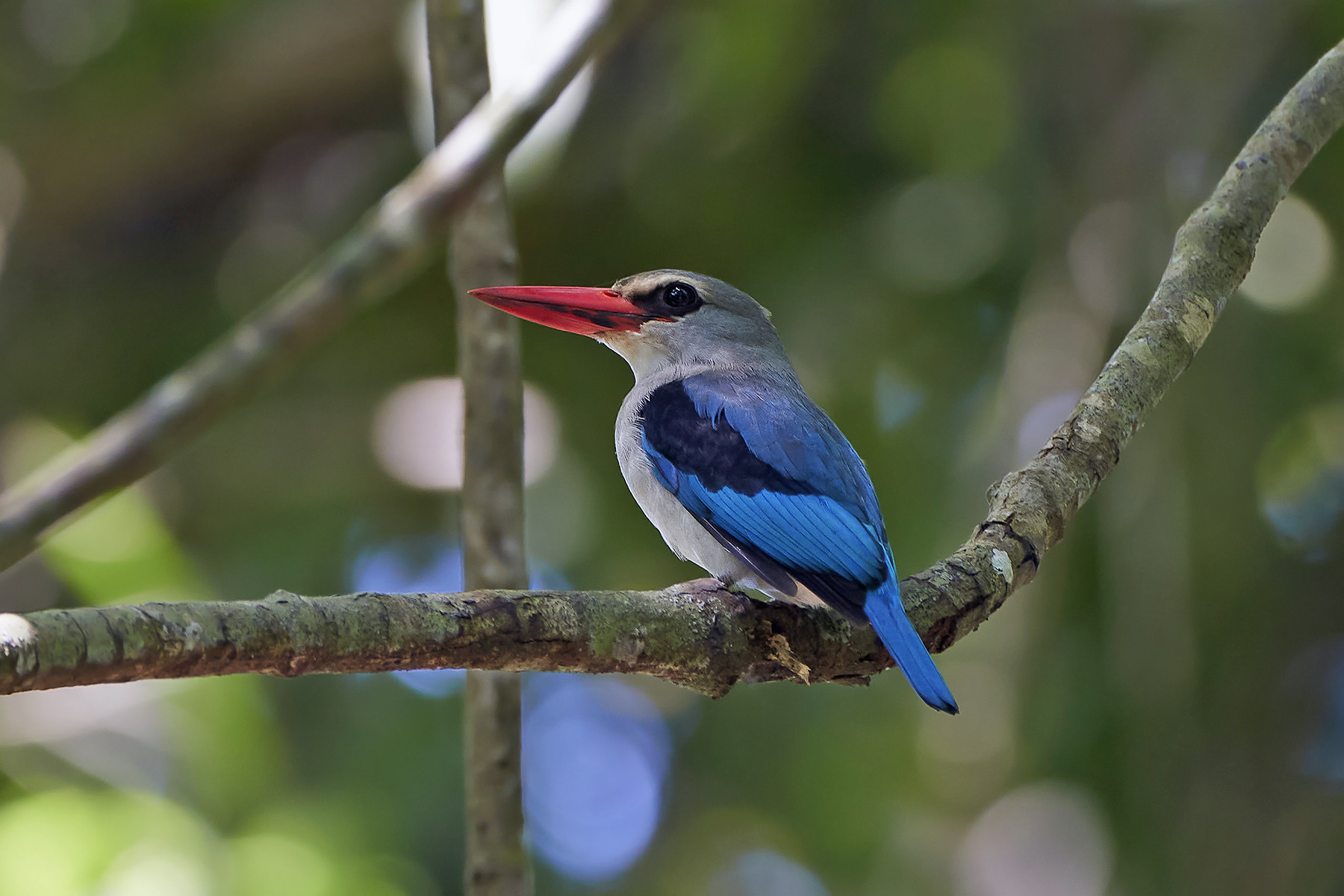
Birdlife is among the reserve's greatest strengths. Hundreds of resident and migratory species inhabit papyrus swamps, floodplains, rivers and woodland. African fish eagles, saddle-billed storks, African openbills, goliath herons, kingfishers, bee-eaters and numerous waterbirds thrive throughout the reserve. Specialist birdwatchers also visit in the hope of observing rare wetland species such as the Shoebill, although sightings remain uncommon and cannot be guaranteed.
Safari-TZ recommends allowing sufficient time to appreciate Moyowosi's smaller ecological details. Here, wildlife is measured not only by the size of mammals but also by the richness of one of East Africa's finest wetland ecosystems.
When Is the Best Time to Visit Moyowosi?
Choosing the Right Wetland Season
Learn the best time to visit Moyowosi Game Reserve for wildlife, birdwatching, wetlands and photography throughout the year.
Moyowosi changes dramatically with the seasons because water defines every aspect of the reserve's ecology. Choosing the right time to visit depends less on migration and more on access, birdlife and wildlife concentration.
From June through October, the dry season provides the most reliable safari conditions. Roads become easier to navigate, vegetation gradually opens and wildlife gathers around permanent rivers and wetlands. Buffalo, elephants and antelope become easier to locate while predators remain active around dependable water sources.
The Green Season, from November through May, transforms the reserve into one of Africa's largest floodplain ecosystems. Seasonal rains refill wetlands, papyrus swamps expand and birdlife reaches its annual peak as migratory species arrive from Europe and Asia. The scenery becomes particularly attractive for photographers seeking dramatic skies, lush vegetation and reflections across shallow floodwaters.
Birdwatchers often favour the wetter months because breeding activity increases while migratory species greatly expand the reserve's already impressive bird list. Mammal viewing remains rewarding, although access to some remote areas may become more challenging following heavy rainfall.
Safari-TZ generally recommends June to October for first-time visitors and wildlife enthusiasts, while dedicated birdwatchers and photographers may prefer the Green Season when Moyowosi displays its greatest ecological diversity.
Is Moyowosi Suitable for First-Time Visitors?
A Different Kind of African Safari
Discover whether Moyowosi Game Reserve is suitable for first-time safari travellers seeking wetlands and remote wilderness.
Yes, provided expectations match the destination.
Travellers dreaming of endless savannah and vast migration herds should begin with Tanzania's northern safari circuit. Moyowosi offers something entirely different. Here the experience centres on wetlands, rivers, birdlife and wilderness rather than famous wildlife spectacles.
For first-time visitors interested in ecology, conservation and biodiversity, Moyowosi can be deeply rewarding. Guides spend more time interpreting habitats, birdlife, animal tracks and wetland ecology than simply driving between predator sightings. Wildlife observations often unfold quietly, rewarding patience rather than speed.
Photographers who appreciate landscapes and birdlife frequently enjoy Moyowosi more than heavily visited safari destinations. The absence of tourism congestion allows uninterrupted observation and encourages a slower, more immersive safari style.
Safari-TZ typically recommends Moyowosi for experienced safari travellers, repeat visitors to Tanzania, birdwatchers and conservation enthusiasts. First-time guests usually enjoy it most when combined with northern Tanzania or western Tanzania destinations such as Katavi or Mahale Mountains.
Is Moyowosi Safe to Visit?
Exploring Tanzania's Wetland Wilderness
Learn about safari safety in Moyowosi Game Reserve including wildlife, wetlands, boating and walking safaris.
Moyowosi remains one of Tanzania's most remote protected areas, and its safety procedures reflect the realities of operating within genuine wilderness. Professional guiding, appropriate equipment and respect for wildlife ensure visitors experience the reserve responsibly.
Game drives follow established safari safety practices. Guests remain inside specially designed safari vehicles while guides maintain appropriate distances from wildlife. Buffalo, elephants and hippopotamus deserve particular respect because they can react unpredictably when surprised or disturbed.
Boat and canoe excursions, where available, require additional attention. Life jackets should always be worn, guide instructions followed carefully and safe distances maintained from hippopotamus and crocodiles occupying rivers and wetlands. Water conditions vary seasonally, and activities are adjusted accordingly.
Walking safaris are conducted only by qualified armed guides under controlled conditions. These experiences emphasise tracks, birds, plants and ecological interpretation rather than approaching dangerous wildlife.
Safari-TZ works exclusively with experienced safari professionals who understand Moyowosi's unique wetland environment, allowing guests to enjoy one of Tanzania's most remarkable wilderness areas safely and responsibly.
How Many Days Do I Need for Moyowosi?
Allowing Time for the Wetlands
Plan your Moyowosi safari with recommendations for two to five nights depending on wildlife, birdwatching and photography.
Unlike destinations built around famous wildlife sightings, Moyowosi rewards time. Two nights provide a useful introduction, but the reserve reveals its true character through slower exploration across different habitats and changing light.
A three-night itinerary allows guests to combine game drives with birdwatching, photography and seasonal water-based activities where available. Guides gain flexibility to adapt routes according to current wildlife movements, water levels and bird concentrations rather than following fixed circuits.
Birdwatchers and photographers frequently benefit from four or five nights. Early mornings, late afternoons and changing weather conditions produce dramatically different opportunities throughout the reserve, particularly during the Green Season when wetlands become especially active.
Moyowosi also combines exceptionally well with western Tanzania itineraries featuring Katavi National Park, Mahale Mountains National Park or Kigosi National Park. Together these destinations showcase a side of Tanzania experienced by relatively few international visitors.
Safari-TZ recommends allowing sufficient time to appreciate Moyowosi's diversity rather than treating it as a brief stop between more familiar destinations. The reserve rewards patience, observation and a willingness to discover Tanzania beyond the traditional safari circuit.
What Activities Are Available at Moyowosi?
Exploring Tanzania's Great Wetland Wilderness
Discover activities in Moyowosi Game Reserve including game drives, birdwatching, boating, photography, walking safaris and wilderness exploration.
Moyowosi offers one of Tanzania's most distinctive safari experiences because its wetlands create opportunities unavailable in the country's more famous national parks. Rather than focusing solely on traditional game drives, the reserve encourages visitors to explore rivers, floodplains, woodland and wetlands from different perspectives.
Game drives remain the foundation of every safari. Early mornings reveal buffalo herds moving across floodplains while elephants leave woodland feeding areas before temperatures rise. Lions and hyenas often remain active after dawn, and patient observers may encounter leopards resting in woodland during the warmer hours of the day.
Birdwatching is among Moyowosi's greatest attractions. The reserve supports hundreds of resident and migratory species across wetlands, papyrus swamps and river systems. Seasonal water levels continually change bird distribution, ensuring that every visit offers new opportunities for observation. Specialist birdwatchers often dedicate entire days to exploring different wetland habitats with experienced guides.
Where water levels and operating conditions permit, boat or canoe safaris provide an exceptional perspective of the reserve. Travelling quietly through rivers and wetlands allows visitors to observe hippopotamus, crocodiles, waterbirds and wetland vegetation without disturbing the surrounding environment. These excursions depend on seasonal conditions and operational availability.
Walking safaris, where authorised, introduce visitors to the smaller details of Moyowosi's ecosystem. Guided by experienced professionals, guests learn about animal tracks, medicinal plants, wetland ecology and the intricate relationships that sustain one of East Africa's largest freshwater landscapes.
Photography rewards patience. Reflections across floodplains, dramatic skies during the Green Season and abundant birdlife create opportunities that differ entirely from the classic savannah imagery associated with northern Tanzania.
Safari-TZ designs every Moyowosi itinerary according to seasonal water levels, wildlife movements and guest interests, ensuring each activity reflects the reserve's changing natural conditions.
Where Do I Stay for Moyowosi?
Comfort in a Remote Wilderness
Explore accommodation options near Moyowosi Game Reserve including safari camps, lodges and remote western Tanzania wilderness stays.
Accommodation around Moyowosi reflects the reserve's remote and undeveloped character. Unlike northern Tanzania's established safari circuit, visitors will not find large luxury resorts or busy lodge complexes. Instead, accommodation focuses on small safari camps and wilderness lodges that provide comfortable access while preserving the area's remarkable sense of isolation.
Many safari camps are positioned near rivers, wetlands or woodland clearings where wildlife regularly passes through the surrounding landscape. Morning bird activity often begins before sunrise, while elephants, buffalo and antelope may be observed directly from camp depending on the season.
The emphasis is on authenticity rather than extravagance. Comfortable guest rooms, excellent guiding, freshly prepared meals and attentive service combine with outstanding natural surroundings to create memorable safari experiences without overwhelming the landscape.
Location is particularly important in Moyowosi because wildlife distribution changes with seasonal water levels. Safari-TZ therefore recommends accommodation based not only on comfort but also on proximity to current wildlife concentrations, birdwatching areas and planned activities.
Because accommodation options remain limited throughout western Tanzania, early reservations are strongly recommended, particularly for specialist birdwatching groups and photography expeditions.
Is Moyowosi Suitable for Families?
Learning Together in the Wetlands
Discover whether Moyowosi Game Reserve is suitable for families, children and educational wildlife safaris in Tanzania.
Yes, although Moyowosi is best suited to families with older children who enjoy wildlife, birdwatching and outdoor exploration.
Unlike destinations built around constant sightings of large predators, Moyowosi encourages curiosity and observation. Children interested in birds, insects, plants, wetlands and ecology often find the reserve especially engaging because every game drive introduces new aspects of the natural environment beyond large mammals.
Professional guides adapt their interpretation according to each family's interests, explaining how wetlands support biodiversity, why birds migrate across continents and how rivers shape the lives of both wildlife and local ecosystems.
Walking safaris and water-based activities may carry minimum age restrictions depending on safety regulations and seasonal conditions. Safari-TZ confirms these requirements individually when preparing family itineraries.
Families seeking continuous predator viewing may prefer combining Moyowosi with destinations such as Katavi National Park or the northern safari circuit. Together they provide an excellent balance between classic game viewing and ecological exploration.
Safari-TZ recommends Moyowosi for adventurous families seeking meaningful wildlife education alongside authentic wilderness experiences.
What Should I Pack for Moyowosi?
Preparing for a Wetland Expedition
Pack for Moyowosi Game Reserve with practical clothing, binoculars, camera equipment, waterproof gear and birdwatching essentials.
Packing for Moyowosi requires slightly different preparation from a traditional savannah safari because wetlands, rivers and seasonal flooding influence daily conditions throughout the reserve.
Neutral-coloured clothing remains the best choice for wildlife viewing. Lightweight long-sleeved shirts and trousers provide protection from both sunshine and insects while remaining comfortable in warm temperatures. Waterproof footwear or sturdy walking shoes are particularly useful for guests participating in walking safaris or exploring wetter areas during the Green Season.
Binoculars are essential. Birdwatching forms a major part of the Moyowosi experience, and high-quality optics greatly improve opportunities to observe distant species without disturbance.
Photographers should carry extra batteries, memory cards and weather protection for cameras. Moisture and occasional rain showers during wetter months make waterproof bags particularly valuable.
Insect repellent, sunscreen, sunglasses, a wide-brimmed hat and a reusable water bottle contribute greatly to comfort throughout the day. Guests visiting during the rainy season should also include a lightweight waterproof jacket.
Safari-TZ provides a personalised packing checklist before departure based on your travel dates, accommodation, activities and expected seasonal conditions.
How Much Does a Moyowosi Safari Cost?
Planning Your Western Tanzania Safari
Understand Moyowosi safari prices including accommodation, transport, guiding, conservation fees and seasonal considerations.
A safari to Moyowosi is typically priced according to the reserve's remoteness rather than visitor demand. Although tourism remains limited, logistics for reaching western Tanzania often influence the overall cost more than accommodation itself.
Transportation usually represents one of the largest components of the itinerary. Guests may travel by road from western Tanzania or combine scheduled and charter flights with road transfers to maximise time within the reserve.
Accommodation options range from comfortable safari camps to higher-end wilderness lodges, with pricing varying according to service level, exclusivity and location. Because Moyowosi receives comparatively few visitors, availability can become limited during peak wildlife and birdwatching seasons.
Conservation fees, professional guiding and specialised activities such as boating or birdwatching excursions also contribute to the overall safari investment. These fees help support the long-term protection of one of East Africa's largest wetland ecosystems.
Safari-TZ believes quotations should always be transparent. Every proposal clearly itemises accommodation, transport, conservation fees, guiding and optional activities so guests understand exactly what is included before confirming their booking.
Rather than publishing fixed prices that may quickly become outdated, Safari-TZ prepares personalised itineraries based on travel dates, group size, accommodation preferences and the seasonal conditions expected during your visit.
How Do I Get to Moyowosi?
Reaching Tanzania's Largest Wetland Reserve
Learn how to reach Moyowosi Game Reserve by road or air from western Tanzania for an authentic wilderness safari.
Moyowosi Game Reserve lies in western Tanzania, making it one of the country's most remote safari destinations. While reaching the reserve requires more planning than the northern safari circuit, the journey rewards travellers with an exceptional wilderness experience and remarkably low visitor numbers.
Many guests arrive by light aircraft, flying from Arusha, Dar es Salaam or other safari destinations to nearby bush airstrips that serve the reserve. Flying significantly reduces travel time while providing spectacular aerial views of western Tanzania's forests, rivers and wetlands.
For travellers exploring western Tanzania by road, Moyowosi can be accessed through Kibondo and surrounding districts using professionally guided 4×4 safari vehicles. Road journeys are generally recommended during the dry season when tracks remain in better condition and wildlife viewing is at its most reliable.
Because seasonal flooding influences accessibility, travel routes occasionally change throughout the year. Safari-TZ monitors local conditions before every departure, selecting the safest and most efficient access route according to current weather, water levels and road conditions.
Guests combining Moyowosi with Katavi National Park, Mahale Mountains National Park or Kigosi National Park often travel using a combination of domestic flights and road transfers to maximise wildlife viewing while reducing travel time.
Safari-TZ carefully coordinates all logistics, ensuring guests spend more time exploring the reserve and less time navigating complex travel arrangements.
Can Moyowosi Be Combined With Other Trips?
Building the Ultimate Western Tanzania Safari
Combine Moyowosi with Katavi, Mahale Mountains, Gombe, Kigosi and Lake Tanganyika for an unforgettable western Tanzania safari.
Moyowosi works exceptionally well as part of a wider western Tanzania safari, introducing travellers to landscapes that differ completely from the country's famous northern parks.
One of the finest combinations pairs Moyowosi with Katavi National Park. Together they offer remarkable predator viewing, enormous buffalo herds, wetlands and floodplains while remaining among Tanzania's least-visited safari destinations. The contrast between Katavi's open plains and Moyowosi's extensive wetlands creates an exceptionally diverse wildlife experience.
Adding Mahale Mountains National Park introduces a completely different ecosystem. After exploring wetlands and floodplains, guests continue to the forested shores of Lake Tanganyika in search of wild chimpanzees. This combination showcases two of Tanzania's most distinctive wilderness environments within a single itinerary.
Gombe National Park provides another outstanding extension for travellers interested in primates and conservation. Combining chimpanzee trekking with wetland safaris creates one of East Africa's most varied wildlife journeys.
Nearby Kigosi National Park complements Moyowosi particularly well because both reserves protect interconnected wetland ecosystems while supporting similar birdlife and woodland wildlife.
Safari-TZ designs every western Tanzania itinerary according to seasonal wildlife conditions, transportation logistics and individual travel interests, ensuring each destination complements the next without unnecessary travel.
Moyowosi vs Katavi National Park
Two Wild Parks, Two Different Experiences
Compare Moyowosi Game Reserve and Katavi National Park to choose the western Tanzania safari that best suits your interests.
Moyowosi and Katavi rank among Tanzania's greatest wilderness destinations, yet each delivers a distinctly different safari experience.
Moyowosi is defined by water. Rivers, wetlands, papyrus swamps and floodplains dominate the landscape, making it one of East Africa's finest destinations for birdwatching, wetland ecology and specialist wildlife such as the sitatunga. Visitors come here to appreciate biodiversity, remote exploration and the remarkable relationship between water and wildlife.
Katavi National Park, by contrast, is famous for dramatic concentrations of large mammals during the dry season. As rivers shrink, enormous numbers of buffalo, elephants, hippopotamus and crocodiles gather around remaining water sources, creating spectacular wildlife viewing and intense predator activity.
Accommodation also differs. Katavi offers a small selection of classic safari camps focused on game viewing, while Moyowosi maintains an even more remote character with limited tourism infrastructure and a stronger emphasis on wilderness exploration.
Rather than choosing between them, Safari-TZ recommends combining both destinations. Together they reveal two complementary ecosystems that demonstrate the extraordinary diversity of western Tanzania while remaining far removed from the country's traditional safari circuit.
Why Book Moyowosi With Safari-TZ?
Experience Tanzania Beyond the Ordinary
Book your Moyowosi safari with Safari-TZ for expert planning, specialist guides and personalised western Tanzania itineraries.
Moyowosi is one of Tanzania's least-visited protected areas, making careful planning essential. Seasonal water levels, limited accommodation, remote access and specialised wildlife interests all require local expertise to create a rewarding safari experience.
Safari-TZ designs every Moyowosi itinerary around current field conditions rather than standard package tours. Our team considers seasonal flooding, wildlife distribution, bird activity and transportation logistics to recommend the most suitable travel dates and routing for each guest.
Professional guiding is central to every journey. Experienced safari guides interpret not only wildlife sightings but also the wetland ecosystems, birdlife and conservation significance that make Moyowosi unique within Tanzania. Whether your interests lie in photography, birdwatching or wilderness exploration, every safari is tailored to your priorities.
Every quotation remains transparent and personalised. Accommodation, transport, conservation fees, guiding and optional activities are clearly itemised, ensuring complete clarity before booking.
Ready to discover one of Tanzania's greatest hidden wildernesses?
- Request your free tailor-made safari quote
- Chat with a safari expert on WhatsApp: +255 740 666 662
- Email: info@safari-tz.com
Tell us your preferred travel dates, wildlife interests and accommodation preferences, and Safari-TZ will design a tailor-made Moyowosi safari that showcases one of East Africa's most remarkable wetland ecosystems.