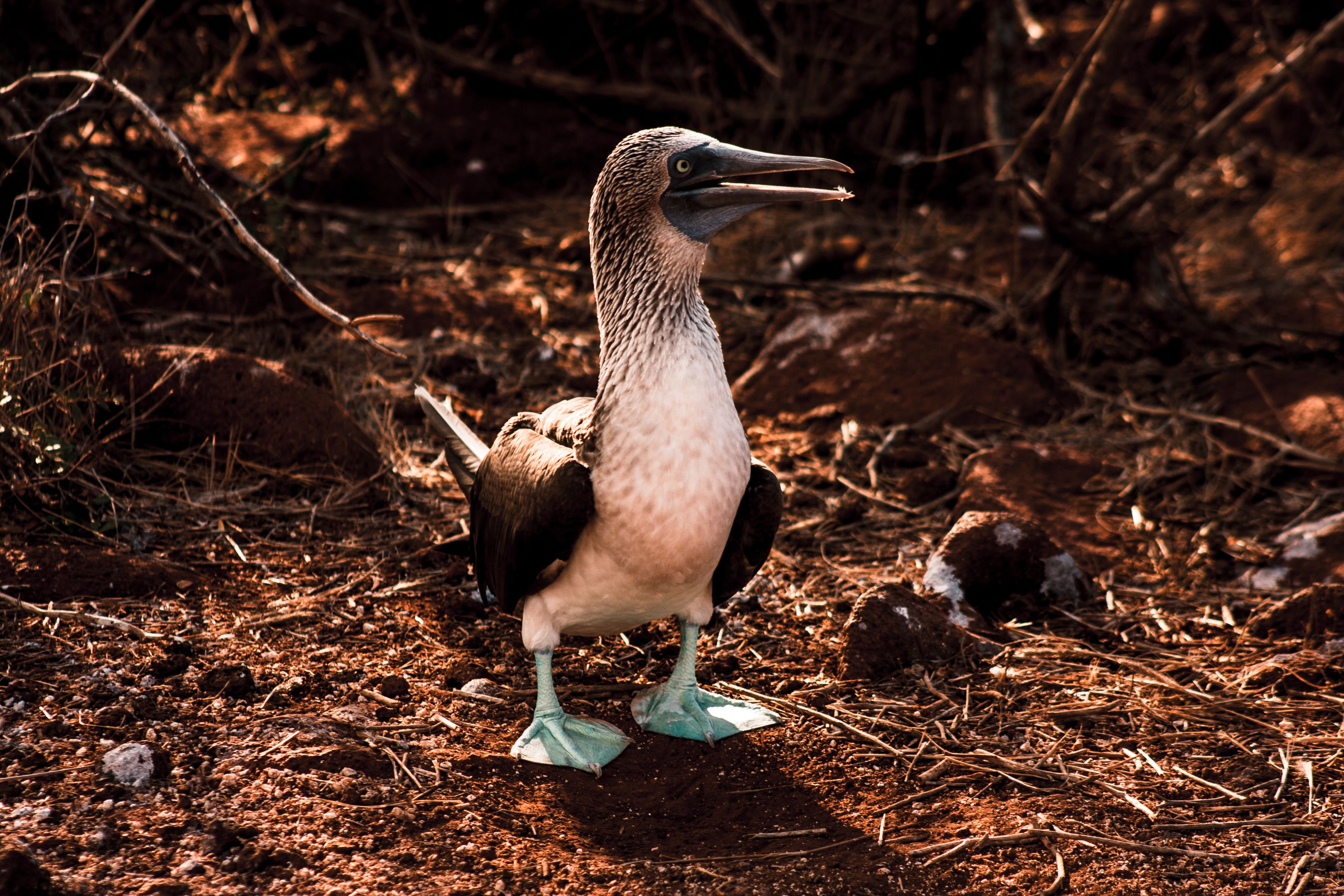
Pangavini Island Marine Reserve Guide
pangavini island reserve overview
pangavini at a glance (quick facts)
what is pangavini island famous for?
where is pangavini island located?
why should i visit pangavini island?
what wildlife can i see at pangavini?
when is the best time to visit pangavini?
is pangavini good for first-time snorkellers?
is pangavini island safe to visit?
how many days do i need for pangavini island?
what activities are available at pangavini?
where do i stay for pangavini island?
is pangavini island good for families?
what should i pack for pangavini island?
how much does a pangavini island visit cost?
how do i get to pangavini island?
can pangavini be combined with other trips?
pangavini vs bongoyo & mbudya: which island?
why book pangavini with safari-tz.com?
Pangavini Island Reserve Overview
A Wild Islet Off the City's Coast
Pangavini Island Marine Reserve overview from Safari-tz.com: the wild, beachless bird-sanctuary islet off Dar es Salaam, snorkelled from the boat.
Pangavini is the smallest and quietest of the four marine-reserve islands strung off the north coast of Dar es Salaam, and its first fact is the one that sets it apart from its famous neighbours: you do not really land on it. Where Bongoyo and Mbudya are beach-and-picnic islands with sand, bandas and day-trip crowds, Pangavini is a rocky islet barely two hundred and fifty metres long, ringed by low coral outcrops that make docking awkward, edged by no proper beach at all, and as a result seldom visited, which is precisely what has kept it wild. This page is honest about that from the first line, because most listings quietly imply a beach day Pangavini cannot give.
What Pangavini gives instead is the thing the sand islands lost when the crowds arrived: it is a genuine sanctuary. The islet is the nightly roost and nesting ground for a large share of the seabirds that spend their days wheeling over the city, a stopover for migratory birds moving through the channel, and a breeding site for the reserve's smaller creatures, and its protected reef holds the same seagrass, coral and reef-fish life as the wider Dar es Salaam Marine Reserve System it belongs to. You visit Pangavini for the reef around it and the birds above it, observed and snorkelled from the boat and the water rather than trampled from the shore, and the visit is the better for the restraint.
The practical frame follows from the geography: Pangavini is a short boat hop off the Kunduchi coast, part of the same reserve system and the same day as Bongoyo and Mbudya, and it works as the quiet, wild counterpoint to a beach day on its neighbours rather than a destination on its own. It is the reserve island for the traveller who would rather watch an island be itself than add to the crowd on the next one over.
Safari-tz.com builds Pangavini into Dar es Salaam marine-reserve days and city-stopover itineraries, exactly as the sections below map.
Pangavini at a Glance (Quick Facts)
Key Facts Before You Plan the Islet
Quick Pangavini Island facts from Safari-tz.com: a tiny beachless bird sanctuary off Dar es Salaam, reef snorkelling from the boat, no landing.
The short version: a tiny, wild, beachless reserve islet off Dar es Salaam, visited for its reef and its birds, best paired with a beach day on its neighbours.
- The reserve: One of the four northern islands of the Dar es Salaam Marine Reserve System, protected with Bongoyo, Mbudya and Fungu Yasini, managed by Tanzania's marine-parks authority.
- The islet: Very small, around 250 metres long, with a rocky coastline and no real beach; low coral outcrops make docking difficult, so it is rarely landed on and rarely crowded.
- The role: A seabird roost and nesting sanctuary, a migratory-bird stopover, and a breeding site for the reserve's smaller wildlife. It is a working sanctuary first and a visitor site second.
- What you do: Snorkel the reef around the island and watch the birdlife from the boat. This is a reef-and-birds visit, not a beach-and-picnic one, and the page is clear about that.
- The neighbours: Bongoyo and Mbudya, the beach islands with sand, bandas and food, minutes away; Pangavini is the quiet third stop, not the main event.
- Access: A short boat trip from the Kunduchi coast north of Dar, part of the same reserve-system day.
- The fees: Marine-reserve entry applies across the system, usually bundled into the excursion and confirmed at booking.
- Base: The Dar es Salaam north-coast hotels, or the city itself.
- Best months: June to October and December to February for calm, clear water; whales sometimes pass the deeper water mid-year.
What Is Pangavini Island Famous For?
The Birds, the Reef, the Being-Left-Alone
Pangavini is known as the wild, seldom-landed bird sanctuary of the Dar reserves, a seabird roost ringed by protected reef off the city coast.
Pangavini's fame is a quiet one, and it runs on three things that all amount to the same virtue: it is the reserve island left alone.
The birds first, because they are the island's real population. Pangavini is the nightly home of a great many of the seabirds that spend their daylight hours over Dar es Salaam and its harbour, returning at dusk to roost and nest on an islet too rocky and too awkward to land on, which is exactly why they can. It is also a stopover for migratory birds crossing the channel on their seasonal routes. A boat drifting off Pangavini at the right hour, birds streaming back to a small dark island against the evening, is a genuinely different coastal experience from a beach day, and it is the one Pangavini uniquely offers.
The reef second, shared with its reserve system but its own where it counts: the protected waters around the islet carry the seagrass beds, coral and reef-fish diversity of the Dar es Salaam reserves, snorkelled from the boat over the island's coral fringe, and the same system's flagship residents, the turtles that nest in the reserves and the coconut crabs recorded on the northern islands, belong to Pangavini's protected register even where they are more easily met on its sandier neighbours.
The being-left-alone third, and it is the point this whole page turns on. In a reserve system whose two famous islands can fill with weekend crowds, Pangavini is the one that stays wild, its difficult shore acting as a natural gate, and there is a specific pleasure, for the traveller who values it, in visiting a protected place that is genuinely protected, watched and snorkelled rather than occupied. Pangavini's fame, such as it is, is for being the island that tourism mostly left to the birds, and this page presents that as the recommendation it is.
Where Is Pangavini Island Located?
Finding the Islet Among the Four
Pangavini Island sits about 1.5 kilometres off the Kunduchi coast north of Dar es Salaam, between Mbudya and Bongoyo in the reserve system.
Pangavini lies close off the Kunduchi coast on the northern edge of Dar es Salaam, a short boat crossing of a kilometre or two into the Zanzibar Channel, tucked between its larger reserve neighbours: Mbudya to the north, Bongoyo to the south, and the sandbank of Fungu Yasini further out. It is the middle island of the northern group geographically and the smallest of them by far, a rocky green dot in city-adjacent water that most of Dar has seen from a boat and few have set foot on.
The position writes the whole visit. Being minutes from a major city's coast means Pangavini is astonishingly accessible for a wild sanctuary, reached on the same short-hop logistics as the popular beach islands, no expedition required; and being ringed by low coral outcrops rather than sand means that accessibility stops at the waterline, the island easy to reach and hard to land on, a combination that produces its particular character, a wild place you can visit without disturbing. The reef sits in the shallow protected water around the islet, and the deeper channel beyond occasionally carries the passing whales the season section notes.
The orbit note for this marine series: Pangavini is the series' Dar es Salaam entry and its first city-adjacent reserve, and it belongs firmly to the mainland pole this series set at Tanga and Maziwe rather than the polished Zanzibar model of Chumbe. It is almost never a destination in itself; it is one stop on a Dar es Salaam Marine Reserve System day, snorkelled and birded between or alongside the beach time on Bongoyo and Mbudya, and it suits the traveller passing through Dar, on a city stopover, an arrival or departure buffer, a business trip with a free day, who wants the sea and the wild without leaving the city's orbit. The combinations section threads it into exactly those days.
Why Should I Visit Pangavini Island?
The Case for the Island Left Wild
Why visit Pangavini: a genuinely wild bird sanctuary minutes from the city, protected reef snorkelling, and the quiet counterpoint to the beach islands.
Because Pangavini offers something rare and specific, a genuinely wild sanctuary minutes from a major city, and it offers it to the traveller who understands that the value is in the restraint rather than in spite of it.
The wildness argument leads and it is honest about its audience. Pangavini will not give you a beach day; it gives you the sight of a protected island doing its actual job, a seabird roost undisturbed because it is hard to reach, and for the traveller who finds that more moving than another stretch of sand, it is the pick of the Dar reserve islands. This is birdwatching and reef snorkelling in a protected pocket of city-adjacent sea, a quiet, thoughtful half of a reserve day rather than a party island, and the page states the trade plainly so the traveller it suits recognises themselves and the one wanting sunbeds and cold drinks routes cheerfully next door.
The accessibility argument is Pangavini's genuine surprise: this level of wildness usually demands an expedition, and Pangavini asks for a short boat hop from a city coast, the reserve day reachable from a Dar hotel breakfast and back before dinner, which makes it the easiest wild-sanctuary experience in this whole marine series, a stopover-friendly pocket of the real thing.
And the pairing argument closes it, this series' standing commercial truth in its most literal form: nobody should cross the country for Pangavini alone, and this page does not pretend otherwise, because Pangavini is designed by its own geography to be a stop rather than a destination. Its proper form is one quiet, wild, birded-and-snorkelled stop on a Dar es Salaam Marine Reserve System day whose beach and lunch happen on Bongoyo or Mbudya, and the combinations section builds that day exactly. Pangavini is the reserve's conscience; its neighbours are its comfort; the good day holds both.
What Wildlife Can I See at Pangavini?
Birds Above, Reef Below, Island Wild
Pangavini wildlife: a seabird roost and migratory stopover above, protected reef fish and seagrass below, and the reserve system's turtles nearby.
The honest register at Pangavini splits by air and water rather than depth, because this is the marine series' first bird-first reserve, and the honesty here is that the island's headline wildlife has feathers.
Above the water, the island's real population: Pangavini is a seabird roost and nesting sanctuary at a scale that matters, home by night to a large share of the birds that patrol the Dar es Salaam sky and harbour by day, and a resting station for migratory birds passing down the channel on their seasonal routes. This is the wildlife the island exists to protect, best watched from the boat at the roosting hours, binoculars fully earning their carry, and read by a guide who knows which birds are resident and which are passing through. For the birder, Pangavini is the Dar reserves' standout; for everyone else, the evening return of the birds is a spectacle that needs no expertise to move.
Below the water, the reserve register shared across the system: the protected reef around the islet carries the reef-fish diversity, the coral fringe and the seagrass beds that make the Dar reserves worth their protection, snorkelled from the boat over the island's edges, and the lucky and sharp-eyed find the seahorses the healthy seagrass shelters, an indicator species the reserves are quietly proud of. The system's flagship marine residents, the green and hawksbill turtles that nest across the reserves, belong to these protected waters, framed per this series' honesty as genuine residents of the system rather than a Pangavini promise.
On the island itself, framed carefully and without sensation: as a small, undisturbed islet, Pangavini is a breeding and feeding ground for the reserve's smaller land creatures, reptiles and the native small mammals and the insect life, including butterflies, that an untrampled island supports, and the northern reserve islands are known for their coconut crabs, the great land crabs more easily met on the sandier neighbours. The redirect is the page's whole thesis: the wildlife is the reason Pangavini is protected and left alone, so the respectful visit watches and snorkels rather than lands, and the combinations section sends the beach appetite next door.
When Is the Best Time to Visit Pangavini?
The Season, the Tide, and the Birds
Visit Pangavini June to October or December to February for calm clear water; migratory birds and passing whales add seasonal reasons to time it.
June to October first, December to February second, the coast's standard, and Pangavini layers the marine series' sea-and-tide pair with a bird calendar the other reserve pages did not need.
The season sets the sea, in the series' clarity-and-calm terms: the dry windows deliver the calm short crossing, the clear water over the island's reef, and the settled conditions that make boat-based snorkelling a pleasure, while the long rains cloud the water with city-coast runoff and roughen the channel, pushing the reef half of the visit toward the dry months as everywhere on this coast. The city-adjacent position keeps the crossing short and manageable in most weather, so the season affects the water's quality more than the trip's possibility.
The tide plays its marine-series part, gentler at Pangavini than at the vanishing sandbanks but real: the reef snorkelling and the boat's approach to the coral-fringed shore work best on the tides the guides read, and the reserve day's beach time on the neighbouring islands has its own tide logic the sibling pages carry. The tide rule this series wrote governs here in its mildest coastal form, a scheduling variable rather than an existential one.
The birds add Pangavini's own timing layer, unique in this series: the migratory-bird stopover means the passage seasons bring visitors the resident roost does not, so the birder times the visit to the movements the guides track, and the daily rhythm matters as much as the calendar, the roosting hours around dusk being when the sanctuary is most itself and most worth the boat. The whale note the reserves carry belongs to the deeper channel water mid-year, roughly the middle months, an occasional bonus of the crossing rather than a promise. Best of all, then: a dry-season day, timed to the tide for the reef and to the roosting hours for the birds.
Is Pangavini Good for First-Time Snorkellers?
A Boat-Based Reef, and Honest Limits
Pangavini suits snorkellers happy with boat-based reef swimming; there is no beach to wade from, so it favours confident water and pairs with beaches.
Yes with a frame, and Pangavini's frame is the honest opposite of Maziwe's gentle walk-in sandbank: here there is no beach to ease into, so the snorkelling is boat-based, and that shapes who the island suits.
The boat-based reality first: with no landing beach, snorkelling at Pangavini means entering the water from the boat over the island's coral fringe and returning to the boat, which asks a little more water confidence than a wade-in reef and rewards the swimmer comfortable with a boat entry and a guide alongside. It is not difficult and it is not deep, but it is not the reassuring sandbank entry the beginner ideally wants for a first-ever snorkel, and the honest routing is that absolute first-timers are better served starting on Bongoyo's or Mbudya's beach reefs and adding Pangavini's fringe once they have found their fins. Confident-enough swimmers have the reef fully; the guides put everyone over the sheltered water and never the awkward outcrops.
The nervous-water and non-swimming traveller loses nothing essential, because Pangavini was never a swim destination in the first place: the birds, the island-watching and the boat time are the visit's real content, fully available without a mask, and the reef is the bonus for those who want it rather than the point everyone must reach.
The expectations frame carries the mainland coast's honesty: this is the Dar reserves, an accessible, community-run, city-adjacent system rather than a polished dive operation, the boats and guides local and capable, the gear sometimes worth bringing your own per the series' standing advice, and the scuba, where wanted, arranged through Dar's dive operators on the reserve system's better dive sites rather than at tiny Pangavini specifically. The certified diver's note holds: the good dives sit off the reserve islands' eastern sides, and Pangavini's role in a dive day is a stop, not the site.
Is Pangavini Island Safe to Visit?
How Risk Is Managed Around the Islet
Pangavini safety centres on licensed boats, boat-based snorkel supervision, the no-landing rocky shore, sun care and the short city-coast crossing.
Pangavini visits safely on the water's terms, and its risk profile is among the gentlest in this marine series thanks to the short city-coast crossing, with the reserve system's standing marine set applying.
The boat and the crossing lead, softened by proximity: the trip is a short hop from the Kunduchi coast rather than an open-water expedition, which keeps the sea-state exposure low, and the safety system rests as ever on licensed operators reading the day's conditions, seaworthy craft and lifejackets, and the crews' final judgement on the water, the series' standing law applied to a mercifully short crossing. We book licensed operators as standing practice and treat the weathered-off day as the system working.
The no-landing shore is Pangavini's own safety note, and it works in the visitor's favour: the rocky, outcrop-ringed coast that keeps the island wild also keeps visitors off a shore that would be awkward and needless to scramble onto, so the boat holds off, the snorkelling happens over the sheltered reef the guides choose, and nobody is clambering on slick coral rock for no reason. Boat-based snorkelling runs the standing register, entries where the crew indicate, the group's shape kept, children within arm's reach under the law this series carries onto the water unchanged, and the reef code, no touching coral, protecting reef and visitor together.
The sun and the ordinary ledger close: with no island shade to retreat to and no beach bandas as at the neighbours, the boat's shade is the only shade, so reef-safe cover, a hat and shade on the boat are the real kit the packing section details; hydration on open water; and the gentlest remoteness setting on this whole coast, a city and its hospitals minutes away, the reassurance the mainland reserves' other pages could not offer. The site-wide medical close stands, unamended, with the marine coda: declare what swimming and boat travel affect at booking.
How Many Days Do I Need for Pangavini Island?
A Stop on a Half-Day, Not a Day of Its Own
Pangavini is one stop on a half-day or full-day Dar es Salaam marine-reserve trip, not a standalone visit, folding into a city stopover easily.
A stop, not a day, and Pangavini is the clearest case in this whole series of a destination whose honest itinerary length is measured in hours-as-part-of-something-else, because its own geography makes it a component rather than a whole.
The honest shape: Pangavini is one stop on a Dar es Salaam Marine Reserve System boat trip, a half-day or full-day outing from the city's north coast that takes in the islands as a group, and Pangavini's part of it is the reef snorkel and the bird-and-island watching, an hour or two of the quiet, wild register set against the beach hours its neighbours provide. A half-day covers Pangavini's reef plus one beach island; a full day adds the second beach island and the leisure the reserve day is built for, with Pangavini the thoughtful punctuation between the sunbathing.
The city-stopover frame is where Pangavini genuinely shines, and it is this page's practical pitch: Dar es Salaam is a transit city, the gateway most travellers pass through on the way to Zanzibar, the southern parks or a flight home, and a free Dar day, an arrival buffer, a departure morning, a layover with hours to spend, converts beautifully into a reserve-system trip in which Pangavini adds the wild note, the whole thing reachable from a city hotel and back inside a day. It is the rare marine reserve that rewards the traveller who has a spare Dar day rather than the one who planned a coastal holiday.
The itinerary frame, marine-series standing and here at its most emphatic: Pangavini is a stop to include, never a destination to build around, the wild quarter of a Dar reserve day, and the combinations section assembles the day that holds it. What it never is, is a trip; what it always is, is the best hour of somebody else's beach day.
What Activities Are Available at Pangavini?
Snorkel, Birdwatch, and Island-Watch
boat-based reef snorkelling, seabird and migratory-bird watching, island-watching from the water, and diving on the reserve's reefs.
Pangavini's menu is short and honest, and it sorts by what the water offers, what the air offers, and what the reserve system around it adds.
On and in the water: snorkelling the island's coral fringe from the boat is the reef activity, the protected reef-fish and seagrass life read over the sheltered edges, gentler and briefer than the destination reefs of this series but a genuine protected-water snorkel; and scuba, for the certified on a reserve dive day, runs the better dive sites off the reserve islands' eastern sides, Pangavini a waypoint on that day rather than its centre.
In the air: birdwatching is Pangavini's signature activity and the one it does better than any island in this series, the seabird roost and the migratory stopover watched from the boat, ideally at the roosting hours, with a guide reading the wings, the single best reason a birder joins a Dar reserve day; and the island-watching that even non-birders enjoy, the sight of a genuinely wild islet doing its undisturbed work, a quiet pleasure the beach islands cannot offer.
Around it, the reserve day's wider menu that Pangavini punctuates: the beach time, swimming and sunbathing on Bongoyo or Mbudya that the sibling islands provide, the coconut-crab and forest walks those sandier islands allow, the fresh grilled fish and drinks their community bandas serve, and the dolphin-watching the reserve waters sometimes deliver on the crossings. Pangavini's own contribution to all of it is the wild, birded, snorkelled interlude, and a reserve day built well uses Pangavini for exactly what it is, the quiet, protected counterpoint, and lets its neighbours carry the beach.
The through-line: there is deliberately little to do ON Pangavini, because the island is left to its wildlife, and the activities are things done around and in the water of it, which is the whole honest character of the place and the reason it is worth including precisely as itself.
Where Do I Stay for Pangavini Island?
The City's Beach Hotels, or the City
Pangavini visitors stay at the Dar es Salaam north-coast beach hotels near Kunduchi that run the reserve boats, or anywhere in the city itself.
The reserve is offshore but the beds are on the Dar es Salaam coast that launches its boats, and the accommodation question is really a where-in-Dar question, answered by the wider trip.
The north-coast beach hotels are the natural base and the boats' home: the resort and beach-hotel strip along the Kunduchi and northern city coast, the properties that run or arrange the reserve-island trips as a standing excursion, several with their own boats to the islands, and staying here turns the reserve day into a from-the-beach affair with Pangavini a short hop offshore. The register runs the full Dar range, international beach resorts to mid-range hotels to the water-park-and-hotel complexes the coast is known for, the choice belonging to the trip's budget and shape rather than to Pangavini specifically.
The city itself serves the stopover traveller: central and airport-area Dar hotels for the layover, the arrival buffer or the business trip with a free day, with the reserve trip reached by a transfer up to the coast, the version that suits the traveller whose Dar time is functional rather than a holiday and who is adding the reserve day as the good use of a spare one. This is the base most Pangavini visitors actually use, because Pangavini is a stopover destination more than a holiday one.
The marine-specific note stands from the series: the reserve day runs on boats and tides, so the coast properties that handle the island logistics smoothly are worth their convenience, and the city-based traveller gains from an operator who arranges the transfer-and-boat as one piece. Booking pressure is a weekend-and-holiday matter on this city coast, the reserve islands busiest when Dar itself has a day off, which is, incidentally, one more quiet argument for Pangavini over its crowded neighbours on a busy weekend. We hold the arrangements when the day locks, per standing practice
Is Pangavini Island Good for Families?
The Family Answer: One Island of Three
Pangavini suits families as part of a reserve day: birds and reef from the boat, with the beach fun and facilities waiting on Bongoyo or Mbudya.
Yes, understood correctly: Pangavini suits families as one stop of a reserve day rather than as the family day itself, and the honest family plan uses the whole reserve system with Pangavini as its quiet, wild quarter.
The case, framed by the geography: Pangavini gives children the boat ride, the birds streaming back to a wild island, the reef fish over the coral fringe for those who snorkel, and the genuine idea, valuable and rare, of an island left alone for its wildlife, a small conservation lesson delivered by simply not landing. Curious and nature-minded children take to it; the bird spectacle needs no swimming ability; and the boat-based reef, per the difficulty section, suits children already comfortable snorkelling from a boat. What Pangavini cannot give a family is the beach, and that is precisely why the reserve day pairs it with its neighbours.
The plan that works: the beach fun, the sand, the swimming, the picnic, the coconut-crab walk, on Bongoyo or Mbudya where the facilities and the safe wade-in water are, and Pangavini as the wild interlude, an hour of birds and reef and island-watching from the boat between the beach hours. This gives families both registers in one day, the comfort and the wildness, and lets each island do what it does, rather than asking tiny beachless Pangavini to be a beach day it was never built for.
The terms are the safety section's at child scale: genuine swimming ability for the boat-based reef, arm's reach in the water, and the sun discipline at its most serious because Pangavini offers no shade but the boat's, the reef-safe cover and the boat's canopy the family's real kit. The itinerary note: as one wild, educational stop on a Dar reserve family day, ideally set inside a city stopover the family is already making, Pangavini adds the conservation note and the birds while the beach islands carry the fun, and the day is richer for holding both.
What Should I Pack for Pangavini Island?
Packing for a Boat, Birds and No Shade
Pangavini packing list: binoculars first, reef-safe sun cover for a shadeless boat day, your own mask, a dry bag, water and small cash for the day.
Pack the marine series' boat-day list with one item promoted to the top that no other reserve page put there, because Pangavini's headline is the birds: bring binoculars.
The bird-and-sun kit leads, uniquely paired: binoculars first, the one piece of gear that transforms Pangavini specifically, the seabird roost and the migratory passage rewarding them as no reef alone does, and the birder who forgets them regrets it more here than anywhere in this series; and reef-safe sun cover at full strength beside them, because Pangavini has no island shade at all, not even the beach bandas of its neighbours, so the boat's canopy is the only shade and a hat, sunglasses, a rash vest and reef-safe cream are the day's genuine safety kit rather than comfort, the reflected equatorial sun on open water burning the unprepared fast.
The reef kit carries the series' standing marine core, lightly: your own mask if you snorkel and prefer a good fit, the Dar operators providing gear of variable quality; water shoes for the boat and any reef entry; and the honest note that Pangavini's snorkelling is a bonus rather than the point, so the reef kit is optional in a way it never was at Maziwe or Chumbe.
The boat-and-day kit closes it: a dry bag for the short crossing and the boat spray, sensible even on a mild hop; water in day volumes, because Pangavini sells nothing and even the beach-island bandas are a hop away; small cash for the reserve fees and the neighbours' grilled-fish-and-drinks economy the reserve day runs through; sun-and-motion remedies for the sensitive; and the modest layer for the mainland coast. The subtraction rule closes at reserve-day weight: it is a day of small boats and shared islands, so you carry light, and your binocular-slung, reef-safe self signs a bag that put the birds first.
How Much Does a Pangavini Island Visit Cost?
What You Pay for a Reserve Day
Pangavini Island costs sit inside a Dar es Salaam marine-reserve excursion: reserve entry, boat hire and guiding, a modest city-adjacent day out.
Pangavini prices as what it is, one stop inside a modest Dar es Salaam reserve day, so its cost is really the reserve day's cost, honest and city-affordable, with none of the destination-reserve premium.
The build: the Dar es Salaam Marine Reserve System entry fee, at the per-person register the marine-parks authority sets and revises, which covers entry to the reserve and its islands and is usually bundled into the excursion price and collected before departure per the reserve's own practice; the boat hire that is the day's main line, priced by the trip and the craft and shared across the reserve-day group; and the local guiding that carries the bird knowledge, the reef and the reserve system, the community rangers and operators the Dar reserves run on. The neighbours' bandas add the grilled fish and drinks on the beach islands, a small separate local spend. Against the reserve day's modest total, Pangavini adds no premium of its own, its wildness being free.
The comparison the coast forces, per the series: the Dar reserves price well below the Zanzibar model day, city-adjacent and community-run rather than polished, and Pangavini specifically is the reserve system's no-extra-cost conscience, the wild stop that the same reserve fee already covers, which makes including it the easiest good decision on a Dar reserve day, more experience for no more money.
The functioning-structure defence runs in its city form: the reserve fee funds the marine-parks system that protects Pangavini's birds and reef and its neighbours' beaches and crabs, protection paid into rather than merely for, and a system whose quiet islands like Pangavini survive precisely because the visited ones fund the whole. We pay it gladly and quote it plainly.
Figures stay off the page at standing strength, reserve schedules revising on their own; quotes arrive itemised, reserve entry, boat, guiding on their lines, for your dates and party.
How Do I Get to Pangavini Island?
A Short Hop From the City Coast
Reach Pangavini by a short boat trip from the Kunduchi coast north of Dar es Salaam, as part of a Dar marine-reserve excursion to the islands.
In the marine series' two stages, both short, because Pangavini is the most city-accessible reserve on this whole coast: to the north-coast launch, then the short hop offshore.
To the launch: the reserve boats leave from the Dar es Salaam north-coast beaches around Kunduchi, reached by a short road transfer from the city's north-coast hotels or a longer one from central Dar and the airport area, the drive folded into the reserve-day logistics per the accommodation section. Dar itself is the country's main gateway, reached by every international and domestic route, which is exactly why Pangavini suits the stopover, the reserve day launched from the city most travellers already touch.
Onto the islands: a short motorised-boat crossing of a kilometre or two takes the reserve day out to the islands, Pangavini among them, and the marine series' tide rule plays its mildest part here, the crossing short and the timing built around the reef, the birds and the neighbours' beaches by guides who run the reserve daily. Pangavini itself is approached rather than landed, the boat holding off the rocky shore to snorkel the fringe and watch the island, which the access section frames as the feature it is.
The daily law, Pangavini edition, is the roosting-hours note more than the dawn rule: for the birds that are the island's point, the timing that matters is the boat being off Pangavini as the seabirds return, so the reserve day's shape is planned to catch that where the birder wants it, and the reef and beach hours arrange around it. Learn the short hop, trust the licensed boat, and time the day to the birds and the tide. It is the gentlest access story in this marine series, and the wildest island at the end of it.
Can Pangavini Be Combined With Other Trips?
The Reserve Day, and the City Stopover
Combine Pangavini with Bongoyo and Mbudya on a Dar reserve day, a city stopover en route to Zanzibar or the parks, or the wider northern coast.
Pangavini combines as one island of a set, and the section threads it from its own reserve system outward to the trips that pass through Dar.
The reserve day leads and it is Pangavini's natural home: the Dar es Salaam Marine Reserve System taken as the group it is, Bongoyo's and Mbudya's beaches and facilities carrying the swimming, sunbathing, coconut-crab walks and lunch, Fungu Yasini's sandbank for the trips that reach it, and Pangavini the wild, birded, snorkelled interlude among them, a single reserve-day ticket covering the lot. This is the version we build, and Pangavini's inclusion is the upgrade that costs nothing, the day made richer by its quiet quarter.
The city stopover is Pangavini's strategic pairing and this page's practical pitch: Dar es Salaam is the hinge of Tanzanian travel, the gateway to Zanzibar by ferry or short flight, to the southern parks of Nyerere and Ruaha, and to the flights home, and a reserve day, Pangavini included, is the ideal use of the Dar time those journeys create, an arrival day, a departure buffer, a layover with hours, converted into sea and birds and reef minutes from the city. We build the reserve day into exactly those transit gaps as a standing offering.
The wider coast and country frame closes it: the Dar reserves as the marine note in a southern-Tanzania trip, pairing with Zanzibar's reefs across the channel, with the Saadani coastal park up the shore, or with the mainland's other emerging marine pages this series is building, and the whole marine series' comparison, priced next door, placing Pangavini as the accessible, city-adjacent, deliberately-undeveloped end of Tanzania's marine spectrum. The caution is simply the honest one this page has made throughout: Pangavini is a stop within these combinations, never their anchor, and every good version of it holds the beach islands too.
Pangavini vs Bongoyo & Mbudya: Which Island?
The Wild One and the Beach Ones
Pangavini, Bongoyo or Mbudya? Compare the Dar reserve islands, the wild bird sanctuary versus the two beach-and-snorkel day islands, and take all.
This comparison is unusual for the series because the answer is nearly always all of them: the Dar reserve islands are a set taken together on one day, and the useful comparison is what each contributes rather than which to choose.
Pangavini is the wild one: tiny, beachless, hard to land on, left to its seabirds, visited for the reef around it and the roost above it, the reserve day's conscience and quiet quarter, the island for the birder and the traveller who values a place left alone. Bongoyo is the popular one: the most-visited of the four, closest to the city's Msasani side, a proper beach, bandas, grilled fish, the reserve's easy classic and the day's likeliest lunch and swim stop, and, the sources note, historically home to the largest coconut crabs in the country. Mbudya is the other beach one: sand on two sides, palms and baobabs, snorkelling and sunbathing and the coconut-crab-and-hike menu, the north coast's favourite day island and Bongoyo's near-equal. Fungu Yasini, the fourth, is the bare sandbank, a different kind of stop again.
The matching, by appetite within the day: beach, swimming, lunch and facilities, Bongoyo or Mbudya, and most reserve days centre there; birds, reef, wildness and quiet, Pangavini, the interlude that makes the day more than a beach trip; and the reserve day done well takes the beach island for its comfort and Pangavini for its character, which is why this page has argued throughout that Pangavini is a stop rather than a choice. The traveller forced to pick one island picks a beach one and misses the point; the traveller who takes the set gets the whole reserve, and Pangavini is the reason the set is worth more than its sandy parts.
Four marine reserves now stand in this series, the coelacanth coast, the vanishing sandbank, the model reef and the wild sanctuary islet, and the frame keeps widening as Bongoyo, Mbudya, Mafia and the rest publish, each an ask-and-pay position this comparison will place
Why Book Pangavini With Safari-Tz.Com?
The Right Island for the Right Hour
Book Pangavini with Safari-tz.com: the reserve day built around the islands' strengths, the birds timed, the beach islands paired and quotes itemised.
Pangavini is the page where knowing the islands apart is the entire service, because the Dar reserve day fails quietly for the traveller who does not: the visitor who books a boat to Pangavini expecting a beach and finds a rocky bird islet, the one who spends the whole day on a crowded Bongoyo and never learns the wild island next door existed, the one who arrives at the roost at the wrong hour and sees an empty sky, the one who lands nowhere useful because nobody read the tide. None of these is dangerous and all of them are disappointing, and each is prevented by the arranging this series argues for, applied to a set of islands that specifically rewards knowing which is which: the reserve day built around each island's real strength, Pangavini for its birds and reef and wildness, Bongoyo or Mbudya for the beach and lunch, the day timed so the birder is off Pangavini at the roosting hours and the swimmers are on sand when they want it, the reef snorkelled on the right tide, the reserve fee and boat and guiding quoted as one clear price, and the whole day slotted into the Dar stopover, the arrival buffer, the layover, the free city day, where it belongs.
That is the day before the day at city scale, the modest reserve trip made genuinely good by being built rather than bought off a beach tout, and the standing sentence carries into the marine series' fourth page unchanged: guests do not experience our logistics in proportion to their size, and on a day of small islands where the whole art is matching the island to the hour, the logistics are simply knowing the water. Lead guides Geoffrey Komba, William Mwasimba, and Isaac Munuo oversee our operations, and even the city's own quiet islet is covered with the field honesty this website brought to its mountains and its coast.
Ready to plan your Dar reserve day?
- Request your free tailor-made safari quote
- Chat with a safari expert on WhatsApp: +255 740 666 662
- info@safari-tz.com
Tell us your Dar dates, whether birds or beaches lead your interest, and your comfort in the water. You will get the reserve day built right, the islands paired well and an itemised quote.