Pare Mountains Climbing Guide
pare mountains overview
pare at a glance (quick facts)
what are the pare mountains famous for?
where are the pare mountains located?
why should i trek the pare mountains?
what wildlife can i see in the pares?
when is the best time to trek the pares?
are the pares good for first-time trekkers?
are the pare mountains safe?
how many days do i need in the pares?
what are the main pare trekking routes?
where do i stay in the pare mountains?
are the pares suitable for families?
what should i pack for the pares?
how much does a pare trek cost?
how do i get to the pare mountains?
can the pares be combined with other parks?
pare vs usambara: which northern trek?
why book the pares with safari-tz.com?
Pare Mountains Overview
Trekking the Quiet Range Below Kilimanjaro
Pare Mountains overview from Safari-tz.com: North and South Pare village trekking and forest climbs between the Usambaras and Kilimanjaro.
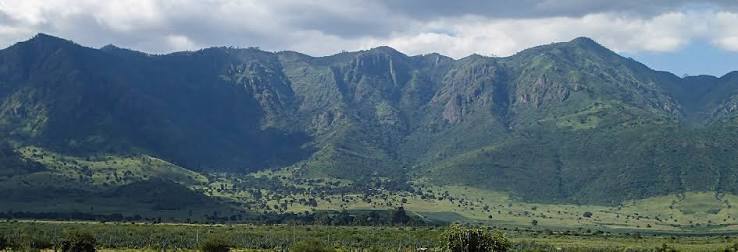
The Pare Mountains fill the gap on the map between the Usambaras and Kilimanjaro, two blocks of green highland, North Pare and South Pare, rising over the same highway that carries every overland traveller between Moshi and the coast. They belong to the Eastern Arc, the ancient forest chain our Udzungwa, Uluguru and Usambara pages cover, and they are the chapter of it that even well-read travellers have never heard of.
The two blocks offer two different days. North Pare, reached from the highway town of Mwanga up to Usangi, is the culture-and-views block: village trails through farmland with Kilimanjaro standing on the northern horizon in a way no other trek in this cluster can offer. South Pare, reached from Same, is the forest block: routes climbing through villages into the cloud forest of the Chome reserve toward Shengena, the range's high point.
Both blocks walk through Pare country, and the Pare carry one of northern Tanzania's most distinctive heritages: a people historically renowned across the region for iron-working and for rainmaking traditions, with sacred forest sites that local guides interpret with the seriousness they deserve.
Safari-tz.com adds the Pares to northern itineraries the same way we add the Usambaras next door, with one card no other range holds: Mkomazi National Park begins at their feet.
Pare at a Glance (Quick Facts)
Key Facts Before You Trek Pare
Quick Pare Mountains facts from Safari-tz.com: two highland blocks off the northern highway, village trekking, forest climbs and Mkomazi next door.
The short version: two quiet Eastern Arc blocks off the Moshi–Dar highway, walked in village day-trips and forest climbs, with a national park at the doorstep.
- What it is: North Pare (around Usangi, via Mwanga) and South Pare (around Same), two highland blocks between the Usambaras and Kilimanjaro.
- The two characters: North Pare for village trails and Kilimanjaro views; South Pare for cloud-forest climbing toward Shengena Peak in the Chome reserve.
- The culture: Pare heritage, historically famous for iron-working and rainmaking, with sacred forest sites interpreted by local guides.
- The trump card: Mkomazi National Park starts at the southern block's feet, the least-visited park on the northern side of the country.
- Guides: Local guides through the Pares' community cultural-tourism arrangements, among Tanzania's oldest such programmes.
- Wildlife honesty: No big game on the mountains. Forest birds, chameleons, monkeys possible. Mkomazi below carries the animals.
- Gateways: Same and Mwanga, both directly on the main highway.
- Best months: June to October, with December to February the solid second window.
- Fitness: Village trails suit most walkers; the Shengena forest climb is a genuine full-day-plus effort for fit hikers.
What Are the Pare Mountains Famous For?
Rainmakers, Iron and a View of Kilimanjaro
The Pare Mountains are known for rainmaking and iron-working heritage, sacred forests, Shengena's cloud forest and trails with Kilimanjaro views.
Historically, across this whole region, the Pares were famous for two trades: iron and rain. That sentence deserves unpacking, because it still shapes what a visit here feels like.
Pare smiths supplied iron across the pre-colonial north; the trade routes that carried it are part of why these mountains were densely settled and intensively farmed long before tourism existed. Rainmaking is the deeper heritage: Pare ritual specialists held a regional reputation that neighbouring peoples travelled for, and the traditions, along with the sacred forest sites and ancestral places connected to them, remain living cultural ground rather than museum material. Local guides interpret this heritage on the village routes, some sites are visited and others are respectfully pointed out rather than entered, and we brief guests to follow the guides' lead exactly, because that is what walking respectfully through someone's living tradition means.
For trekkers, the modern fame is twofold. Shengena's cloud forest in the South Pare's Chome reserve is the range's summit product, mossy, cool and genuinely wild at the top of a farmed mountain. And the North Pare trails hold this cluster's unique panorama: Kilimanjaro itself on the horizon from village paths, the only trek we sell where Africa's highest mountain is the scenery rather than the objective.
The quietest fame is the statistics: visitor numbers here round to zero even by Usambara standards. The travellers who come tend to mention that first.
Where Are the Pare Mountains Located?
Finding the Pares on the Map
The Pare Mountains rise off the Moshi–Dar highway in Kilimanjaro Region, with Mwanga serving North Pare and Same serving South Pare and Mkomazi.
Kilimanjaro Region, directly off the main highway running from Moshi toward the coast, in the stretch every northern traveller drives and almost none of them stops in. The Usambaras rise to the south-east, Kilimanjaro to the north-west, and the Pares fill the highway miles between, which is precisely how they became the most driven-past mountains in Tanzania.
The two gateways sit an easy distance apart on that highway. Mwanga serves North Pare, with the climb road up to Usangi and its ring of villages under the block's peaks; Same, the larger town, serves South Pare, the routes toward the Chome forest and Shengena, and the gate of Mkomazi National Park, which begins essentially at the town's edge. From Moshi, either gateway is a comfortable morning's drive; from the Usambaras' Mombo junction, the run north to Same is shorter still, which is what makes the two ranges such natural neighbours in an itinerary.
The landscape logic mirrors the rest of the Arc: the blocks catch coastal moisture, so farmed green slopes and forest ridges stand over dry plains, and the contrast is sharpest here of anywhere in the cluster, because the plains below the South Pare belong to Mkomazi's dry country, all baobab and red earth, while the mountain above holds cloud forest. You can stand in both worlds in the same day, and on our combined itineraries, guests do.
Why Should I Trek the Pare Mountains?
The Case for the Most Driven-Past Range
Why trek the Pares: Kilimanjaro views from village trails, living rainmaker heritage, Shengena's cloud forest and emptier paths than anywhere north.
Because the Pares hold three cards nobody else in this cluster can play, and hardly anyone has looked at their hand.
The first card is the view. Trekking with Kilimanjaro on the horizon exists in exactly one place in our whole walking portfolio, and it is the North Pare village trails, where the mountain stands over the farmland like a backdrop hired for the occasion. Clear dry-season mornings deliver it best, the afternoon haze takes it away on schedule, and guests who catch it at full height describe the effect as walking inside the postcard rather than photographing it.
The second card is the culture, and it runs deeper than a viewpoint. The iron and rainmaking heritage of Section 3 is not a performance staged for visitors; it is the historical identity of a people whose villages you walk through, interpreted by guides who grew up inside it. Travellers who rated the Usambaras' culture highly consistently report the Pares as the more intimate version, fewer visitors, longer conversations, and hosts for whom you are still interesting.
The third card is the doorstep park. No other trek in this cluster can bolt genuine big-game days onto its mountain days without repositioning; Same serves both Shengena's forest and Mkomazi's gate, and the mountain-and-park combination gets its own section below because it deserves one.
The honest close: the Pares are the connoisseur's pick of the Arc. Emptier than the Usambaras, gentler logistics than the south, and still waiting for the guidebooks.
What Wildlife Can I See in the Pares?
Small on the Mountain, Big at Its Feet
Pare mountain wildlife is Eastern Arc small game: forest birds, chameleons and monkeys, while Mkomazi below adds elephant, oryx and dry-country game.
On the mountains, the Eastern Arc's honest register, consistent with every page in this cluster: no big game, and rarity instead of drama. At their feet, the answer changes completely, and that split is the Pares' whole wildlife story.
The mountain register first. The Chome forest and the higher North Pare patches hold the Arc's speciality wildlife: forest birds that keep serious binocular-carriers busy, chameleons that good guides produce from foliage with the cluster's usual sleight of hand, monkeys possible in the forest sections, and the botany of old, wet, isolated forest. The farmed slopes run the same lively human landscape as the Ulugurus and Usambaras, terraces, markets and farm traffic standing in for game. Birders should declare themselves at planning stage as ever; the pacing changes everything.
Then the feet. Mkomazi National Park spreads below the South Pare, dry country in the Tsavo ecosystem's orbit, and it carries what the mountains honestly cannot: elephant moving through baobab country, giraffe, dry-land specialists like gerenuk and lesser kudu that the famous northern parks barely offer, and the park's flagship conservation story, the rhino sanctuary and wild dog programmes it is known for. Sightings at Mkomazi follow low-density park rules, earned across empty country rather than queued for, and we frame that plainly.
The combination is the point: cloud-forest mornings and dry-country game drives inside the same two days, from the same town. Nowhere else in this cluster can write that sentence.
When Is the Best Time to Trek the Pares?
Pare Seasons and the View Rule
Trek the Pares from June to October or December to February, and take the Kilimanjaro-view trails early: haze claims the horizon by mid-morning.
June to October first, December to February second, the cluster's standard windows, and one Pare-specific rule that outranks both: if the Kilimanjaro view is on your list, walk early.
The view obeys its own weather. Kilimanjaro shows from the North Pare trails most reliably on dry-season mornings, sharpest in the first hours after dawn, and the building haze and cloud of a normal day take it off the table with a punctuality guests learn to respect. We schedule North Pare walking days around that fact without exception, dawn starts, the viewpoint stretches walked first, culture and villages filling the warming hours, and we tell travellers plainly that the mountain appears on its own terms; a hazy morning refunds nothing, and December to February mornings, when the air can be washed clean, sometimes beat the long dry season at its own game.
Otherwise, the Pares season like their neighbours. The dry months firm the trails and open Shengena's forest routes at their most manageable; the rains green the terraces, grease the steep connecting paths, and sit cloud on the very ridges the forest climb aims for. Chome's cloud forest deserves its name year-round, and summiting Shengena into mist is a normal outcome we brief honestly rather than a failure, the forest itself being the product and the summit clearing being the bonus.
Mkomazi adds its own calendar to combined trips: the dry months concentrate its game at water, which conveniently matches the trekking windows. The Pares reward travellers whose itineraries obey the mornings.
Are the Pares Good for First-Time Trekkers?
What the Two Blocks Ask, Honestly
The Pares suit first-time walkers on North Pare village trails, while the Shengena forest climb is a serious full-day effort for genuinely fit hikers.
Split the answer by block and it grades itself: North Pare welcomes nearly everyone, and Shengena audits you.
The North Pare village circuits around Usangi are among the friendliest walking in this cluster, rolling farm-country trails at conversational gradients, distances that flex to the group, and the continuous human landscape that makes rest stops entertain themselves. A reasonably active first-timer handles them comfortably, and the Kilimanjaro-view stretches ask nothing more than early rising. Families and mixed-fitness groups default here, and the fuller family answer has its own section below.
The Shengena climb is the other tier, and we grade it plainly: a long, sustained forest ascent, steep in campaigns rather than stretches, cool and wet underfoot in the cloud zone in any season, and a full day or more of genuine effort with the descent interrogating knees the way Eastern Arc descents do. Fit, regular walkers earn it and rate it among the cluster's best forest days; first-timers should let the North Pare trails or the Usambaras' network audit them first, and we say so in quotes rather than letting a summit name flatter anyone into the wrong booking.
The standing request closes as ever: your real walking history at planning stage, not the aspirational edition. The Pares hold both a welcome and a test, and matching you to the right one is most of the job.
Are the Pare Mountains Safe?
How Risk Is Managed on Pare Trails
Pare trekking safety rests on local guides, inhabited routes, cloud-forest weather judgement and honest fitness matching for the Shengena climb.
The Pares share the friendly structural profile of the whole inhabited Arc: settled routes, known guides, no dangerous game on the mountains, and a highway never far below. The risk conversation here is short, and the two items on it deserve their space.
The human environment does its usual work first. These are farmed, villaged mountains where trails carry daily local traffic, the community-tourism structure aligns everyone's interests in your good day, and a walker with a problem on the village circuits is minutes from people and hours at most from a road. Guides know their routes at the generational depth this cluster keeps encountering.
Item one on the honest ledger: the standard steep-trail set, slips on polished clay and wet rock, rolled ankles on rough connectors, managed by tread, poles where wanted, and guide pacing, with the usual after-rain multiplier.
Item two is Shengena's weather. Cloud forest manufactures cloud, the upper Chome routes can close into mist quickly, and the guides' judgement on pushing, pausing or turning is final in exactly the way this cluster's safety sections keep repeating, because disorientation in wet high forest is the one genuinely serious hazard these gentle mountains hold. The climb runs with margins built for that, early starts, turnaround discipline, and no summit worth a navigation gamble.
The site-wide close stands: health questions, malaria thinking for the lowland gateways included, belong with your doctor before travel. We arrange mountains, and we stay on our side of that line.
How Many Days Do I Need in the Pares?
One Block, Both Blocks, or the Combo
One day covers a Pare block, two days cover both, and three to four days build the signature mountains-plus-Mkomazi combination from Same.
One day per block is the honest unit, two days cover both characters, and the version we actually recommend runs three to four and adds the park. The Pares scale cleanly because their pieces are modular, and the right assembly depends on what your itinerary is driving past.
The single day: either the North Pare village-and-view circuit from Usangi, dawn-built for the Kilimanjaro horizon, or a South Pare village day from Same for travellers whose schedule holds one stop. Both are complete experiences in the Uluguru single-day mould, converting a highway overnight into most guests' surprise favourite.
Two days take both blocks, the view day and the forest edge, with the gateway towns an easy hop apart, and it is the correct dose for travellers who want the Pares themselves as the destination. The Shengena climb replaces one of those days for the fit, with its own early start and full-day arithmetic.
The three-to-four-day version is the one this page keeps returning to because nothing else in the cluster can copy it: Pare mountain days threaded with Mkomazi game drives from the same Same base, cloud forest and dry country alternating without a repositioning day anywhere in the plan. It is the format we build most often here, and the combination section below owns the details.
The counsel-against mirrors the whole Arc: the drive-past. The Pares have watched more traffic pass than any range in Tanzania. One dawn is the price of finding out what the traffic missed.
What Are the Main Pare Trekking Routes?
The Route Menu, Honestly Graded
Pare routes run from Usangi village circuits with Kilimanjaro views to South Pare cultural trails and the full-day Shengena cloud-forest climb.
The menu splits by block, and grading it honestly is this section's whole job, as it is on every routes section in this cluster.
North Pare stocks the gentle shelf. From Usangi, village circuits loop the block's farmland and ridgelines at half-day and full-day lengths, threading viewpoints where Kilimanjaro owns the horizon, local markets on their weekly rhythms, and the heritage sites of the iron and rainmaking traditions that the guides interpret, some visited, some respectfully indicated from the path, always on the guides' terms. These routes flex to any group and carry the block's dawn-start rule for the view.
South Pare stocks both shelves. The village and heritage trails around the Mbaga side run the same cultural register at similar friendly gradients. Above them, the Shengena route is the range's summit product: a full-day-plus climb through farmland into the Chome reserve's cloud forest, mossy, cool and wet in the honest Eastern Arc way, to the range's high point, with mist a normal summit companion and the forest itself the guaranteed half of the reward. Overnight variants using simple local arrangements exist for parties who want the forest at both ends of the light, confirmed at booking.
Availability and current conditions are confirmed with the Usangi and Same guides when we build the itinerary, per the cluster's standing rule: this month's truth, not a printed list's memory of last year. Tell us your legs, your mornings and your interest in the park below, and the menu narrows itself.
Where Do I Stay in the Pare Mountains?
Simple Beds in Two Gateway Towns
Pare trekkers stay in simple guesthouses and lodges around Same and Usangi, with Mkomazi's camps as the upgrade option on combined itineraries.
The beds live in the gateway towns and the villages, and the calibration speech arrives in its familiar cluster form: simple, clean, warm-hearted, and honest about all three.
Same, as the larger highway town, carries the wider range, functional guesthouses and modest lodges that serve the trekking, the transiting and the Mkomazi-bound alike, with early breakfasts arrangeable and the mountain mornings' logistics short. Usangi and the North Pare villages run simpler again, local guesthouses and homestay-style arrangements through the cultural-tourism structure, where the accurate expectation is the cluster's standard mattress-net-hot-dinner register delivered with the intimacy that low visitor numbers preserve; guests who chose the village night over the town bed consistently report it as the trip's texture. Village overnights on the South Pare side follow the same pattern and are confirmed at booking.
The upgrade card on combined itineraries is Mkomazi's own accommodation, where the park's camps lift the comfort ceiling above anything the mountain towns offer, and the mountains-plus-park format lets us pattern the nights accordingly, simple in the hills, comfortable at the park, which travellers calibrating their appetite for basic tend to appreciate having designed in advance rather than discovered.
Capacity everywhere here is small and unbothered by booking platforms, which is the cluster's polite way of saying arrangements run through people who know people. We hold the beds when the route locks, and we describe every one of them as it actually is.
Are the Pares Suitable for Families?
The Family Answer: Yes, and Then the Park
The Pares suit active families on North Pare village trails, with Mkomazi game drives next door turning the stop into a full family chapter.
Warmly yes on the village trails, with the cluster's usual boundaries, and one family card no other range here holds: when small legs strike, the game drives are next door.
The North Pare circuits run the same continuous parade that makes the Ulugurus and Usambaras work for children, villages, markets, chameleons produced on demand, farm traffic with its own entertainment value, plus two Pare-specific additions that land with young walkers: Kilimanjaro on the horizon, a mountain every child has heard of, standing over their walk like a fact they get to collect, and the iron-and-rainmaker heritage, which guides tell as stories rather than lectures and which children reliably retell at dinner with embellishments. Family pace owns the schedule, the dawn start softens to early-morning, and the flexible circuit lengths absorb the difference.
The boundaries: the gradients are real in stretches and register with hill-hating children early; sun and water discipline on the open sections, small bodies dehydrating faster than they report; and Shengena stays adult territory, fit trekking teenagers case by case with guide judgement final, per the cluster's standing rule.
The Pare-specific family design is the alternation. A mountain morning, then a Mkomazi afternoon drive, then another village day, the trip switching between walking and wildlife on a child's attention schedule, all from one base town. Parents who have run long safari itineraries recognise immediately what that removes: the transfer days, which is to say, the complaints.
What Should I Pack for the Pares?
Packing for Villages, Views and Wet Forest
Pare packing list: grippy walking shoes, warm and wet layers for Shengena's cloud forest, sun cover for open trails and modest village wardrobe.
Pack the cluster's village-trekking standard, then add the cloud-forest annex if Shengena is on your list, and the two lists diverge enough to spell out.
The village-trail kit: walking shoes with genuine tread for the usual polished-clay paths, sun protection for open ridge and terrace sections where the dry-season morning arrives with intent, a light rain layer year-round, per-person water in noon-honest quantities, and the wardrobe rule this cluster holds throughout, practical and modest travels as respect in living villages, with small cash for markets and crafts completing the economics the right way. Binoculars carry double duty here: forest birds on the mountain, and the Kilimanjaro view rewards them more than any camera zoom on a hazy-edged morning. The camera-and-people rule stands as everywhere: the guides broker portrait permissions, and ask-first is simply the standing law.
The Shengena annex changes the register: proper boots over trail shoes, poles for the long descent, full rain protection regardless of month because cloud forest manufactures its own weather, a genuinely warm layer for the summit zone, where wet and cool combine into cold faster than the latitude suggests, and everything electronic in dry bags. A headlamp joins for the early start and any overnight variant.
The subtraction rule closes as ever: this is walking country among farming communities, the safari costume stays in the bag, and every kilogram left in the vehicle is one nobody hauls up a cloud forest.
How Much Does a Pare Trek Cost?
What You Are Paying For at the Pares
Pare costs combine community guide fees, modest reserve charges and simple lodging, with Mkomazi park fees joining only on combined itineraries.
The mountain days price in the cluster's friendliest register, alongside the Ulugurus at the value end of everything we sell, and the structure explains it in the familiar way: no park gate premium on the trekking itself, no flights, community fees built to fund villages, and gateway-town lodging at highway rates.
The build: guide fees through the Pares' cultural-tourism structure, the component that doubles as the villages' share and the reason the emptiness here still comes with functioning arrangements; modest charges where routes touch the Chome reserve and heritage sites, confirmed current at quoting; simple lodging and meals in the local register; and transfers measured in highway hours rather than logistics budgets. The Shengena climb adds its honest increments, a full guiding day, reserve charges, overnight arrangements where taken.
Mkomazi changes the invoice's shape when the combination joins: TANAPA park fees, game-drive vehicle days and the park's accommodation arrive as their own lines, and the total steps up accordingly while remaining, by northern-circuit standards, one of the quietest park spends in Tanzania. We itemise the split plainly, mountain days and park days visible as what they each cost.
Figures stay off the page per the standing policy, fees revise on their owners' schedules and printed numbers curdle into misinformation. Your quote arrives current and itemised for your dates and group, and the functioning-structure defence from our Uluguru page applies here word for word: cheap means the cost base is small, not that anyone underneath it went unpaid.
How Do I Get to the Pare Mountains?
Two Gateways on One Highway
Reach the Pares via Same or Mwanga on the Moshi–Dar highway, a comfortable morning's drive from Moshi and an easy link from the Usambaras.
By the highway you were driving anyway, to whichever gateway your block requires, and the access paragraph competes with the Ulugurus' for the shortest on this site.
From Moshi and the Kilimanjaro side, the run south-east down the main road reaches Mwanga first and Same soon after, a comfortable morning's drive to either, with the climb roads up to Usangi and the South Pare villages adding their honest unpaved final legs, short, rain-sensitive in the usual way, and arranged with the guides so vehicles, permits and trailheads align on the same morning. From the Usambara side, the hop from Mombo junction north to Same is shorter still, which is the geometry behind the two-range itineraries this cluster keeps suggesting. From Dar, the Pares sit beyond the Usambaras on the same long road, and honest planning breaks the journey rather than racing it.
Arusha travellers add the Arusha–Moshi leg to the front and still reach either gateway inside a morning, which matters for one specific reason: the dawn rule. The North Pare view walks want you sleeping in Usangi or Same the night before, not commuting to them on the morning itself, and we build every Pare itinerary around that overnight, the cluster's oldest lesson wearing this range's colours.
No flights, no boats, one modest unpaved variable: the Pares' access matches their character, quietly easy, and waiting one decision off a road half the country drives.
Can the Pares Be Combined With Other Parks?
The Mountains-and-Mkomazi Signature
Combine the Pares with Mkomazi's dry-country game, the Usambaras next door, Kilimanjaro country or the coast, all along one northern highway.
The Pares' combination hand starts with the card this page has been holding up since its first section, and it deserves playing in full here.
Mkomazi is the signature. The park's gate sits by Same, the same town that serves the South Pare routes, and the mountains-and-Mkomazi format alternates cloud-forest and village mornings with dry-country game drives, elephant in baobab country, the gerenuk-and-lesser-kudu specialists the famous parks barely carry, and the rhino and wild dog conservation story the park is known for, all without a repositioning day anywhere in the plan. Three to four days build it properly, it is the emptiest mountain-plus-park combination in northern Tanzania, and we say plainly that almost nobody sells it, which is most of the reason to buy it.
The wider combinations follow the highway. The Usambaras next door make the two-range walking itinerary, Pare intimacy then Lushoto's established network, or the reverse; Kilimanjaro country sits a morning north, with the Pares serving climbers as the gentle before-or-after that the Usambaras' page already argues, and the North Pare view of the mountain works either as appetite or as victory lap. Coast-bound trips continue past Mombo toward Tanga and Pangani exactly as the Usambara page routes them.
For the Arc completists, the Pares extend the chain's northern end: four walkable chapters now, Pare, Usambara, Uluguru, Udzungwa, each on its own page here, and the four-chapter road trip is the quietest long itinerary in Tanzanian trekking.
The closing caution retires undefeated: the drive-past. The Pares are its reigning champions, and one dawn settles the argument.
Pare vs Usambara: Which Northern Trek?
Two Neighbours, Two Different Days
Pare or Usambara? Compare the northern highway's two trekking ranges by trek style, culture, views and combinations to choose your mountains.
This is the real decision on the northern highway, two Eastern Arc ranges a short drive apart, and the honest comparison divides cleanly enough to make choosing easy.
Choose the Usambaras when the trek itself is the point. Their page makes the case in full: the only guesthouse-to-guesthouse network in Tanzania, multi-day routes with real beds, the gentlest logistics in the cluster, and the ridge-edge theatre of Irente and Mtae. For first trekkers, families committing to multiple days, and anyone whose holiday is the walking, the Usambaras hold the crown this cluster gave them and defend it easily.
Choose the Pares when intimacy, views or wildlife lead. Fewer visitors by an order the Usambaras cannot match, the cultural encounters correspondingly longer and less rehearsed, Kilimanjaro on the horizon from the North Pare trails, a claim no other range here can file, and the Mkomazi doorstep turning the stop into a mountains-and-game chapter the Usambaras simply cannot copy. The trekking product is shallower, day formats and one serious climb rather than a multi-day network, and we say so; the Pares win on what surrounds the walking.
The synthesis is the good news: the ranges sit close enough that ambitious itineraries take both, Usambara's trek then Pare's combination or the reverse, and the pairing covers the northern Arc's whole hand inside a week. Travellers forced to one range choose by the question above. Travellers with the week stop choosing.
Why Book the Pares With Safari-Tz.Com?
Quiet Mountains, Properly Coordinated
Book the Pares with Safari-tz.com: dawn-built view days, guide coordination in both blocks, Mkomazi integration and itemised northern quotes.
The Pares are quiet enough that the improvised version genuinely fails here more often than anywhere in this cluster. The Usambaras' established machine catches casual visitors and assembles them an adequate trip; the Pares have no such machine, only arrangements, and arrangements answer to people who made them in advance. The failure modes are specific: the view walk scheduled after the haze, the Shengena party assembled without the reserve formalities aligned, the village overnight assumed rather than confirmed, the Mkomazi combination attempted as an afterthought and discovering that park days and mountain days share a base but not a booking system.
Booking with us buys the coordinated version: the Usangi or Same overnight positioned for the dawn rule, guides engaged through the cultural-tourism structures in whichever block your route uses, Shengena's reserve arrangements and turnaround margins built in advance, the Mkomazi days locked with TANAPA as park days properly rather than improvised at the gate, and the whole stop integrated into the northern rhythm, Kilimanjaro country, the Usambaras, the coast, that this range sits so conveniently between. Lead guides Geoffrey Komba, William Mwasimba, and Isaac Munuo oversee our operations, and the cluster's standing sentence applies with its usual force: guests do not experience our logistics in proportion to their size.
We will also tell you honestly which Pare format fits your trip, the single dawn, both blocks, or the full Mkomazi combination, and when the answer is that your schedule only holds the Usambaras, we will route you there instead and say why.
Ready to plan your Pare Mountains trek?
- Request a tailor-made quote (fastest, best for a real plan)
- WhatsApp: +255 740 666 662
- Email: info@safari-tz.com
Tell us your dates, your walking appetite, and whether Mkomazi, Kilimanjaro or the Usambaras sit on either side. You will get a dawn-built plan, the right block, and an itemised quote.