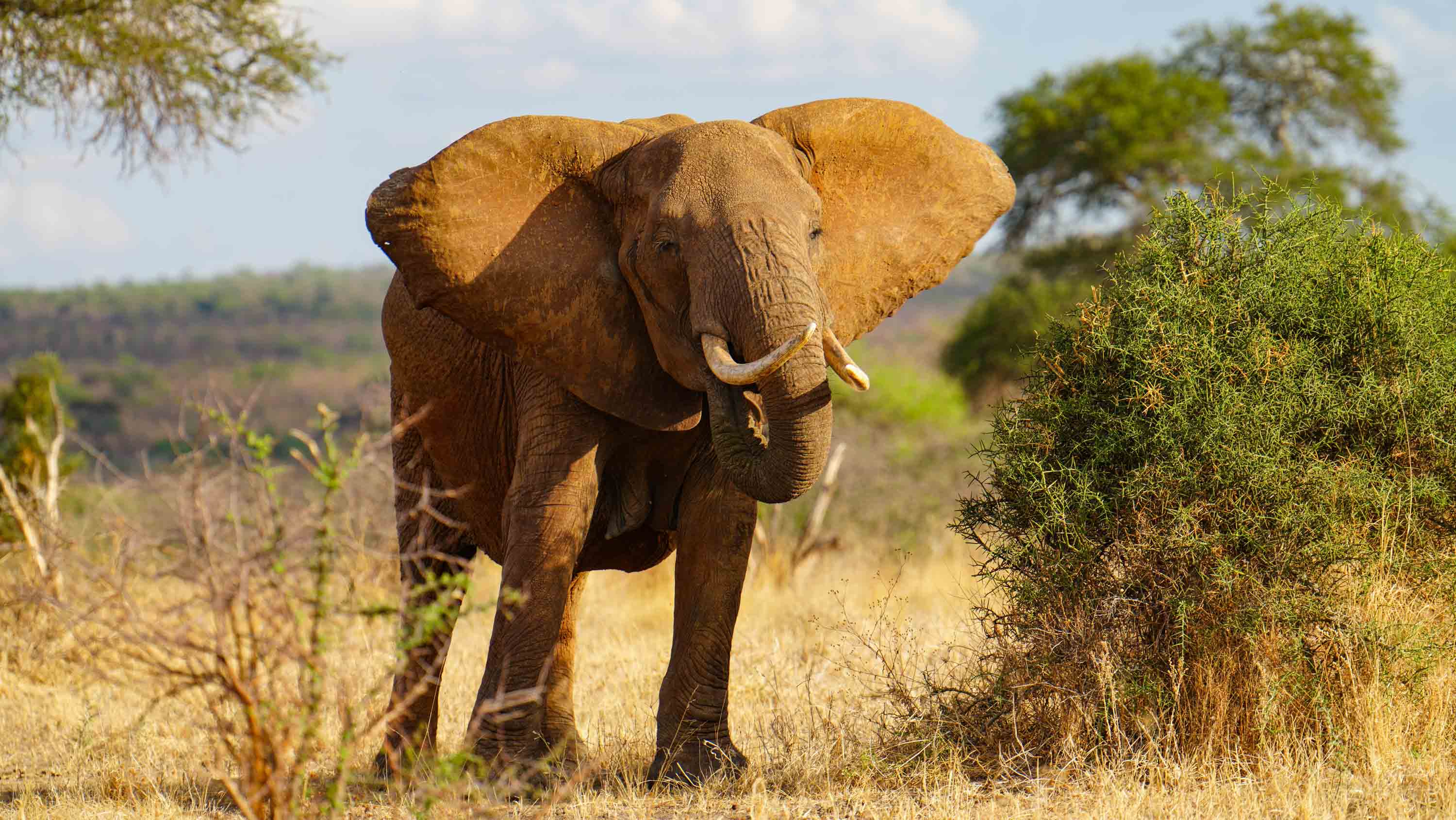
Rungwa Game Reserve Safari Guide
rungwa game reserve overview
rungwa at a glance (quick facts)
what is rungwa famous for?
where is rungwa located?
why should i visit rungwa?
what wildlife can i see at rungwa?
when is the best time to visit rungwa?
is rungwa suitable for first-time visitors?
is rungwa safe to visit?
how many days do i need for rungwa?
what activities are available at rungwa?
where do i stay for rungwa?
is rungwa suitable for families?
what should i pack for rungwa?
how much does a rungwa safari cost?
how do i get to rungwa?
can rungwa be combined with other trips?
rungwa vs ruaha national park
why book rungwa with safari-tz?
Rungwa Game Reserve Overview
One of Africa's Largest Protected Ecosystems
Explore Rungwa Game Reserve, southern Tanzania's vast wilderness famous for lions, elephants, miombo woodland and authentic safaris.
Rungwa Game Reserve is one of Tanzania's largest protected wildlife areas, covering approximately 8,700 square kilometres in the country's southern safari circuit. Together with Ruaha National Park, Kizigo Game Reserve and surrounding protected areas, it forms the internationally recognised Ruaha–Rungwa ecosystem, one of Africa's largest remaining intact wildlife landscapes.
Unlike the open grasslands of northern Tanzania, Rungwa is characterised by expansive miombo woodland, rocky escarpments, seasonal rivers and broad savannahs. These varied habitats support exceptional biodiversity while providing refuge for some of Tanzania's largest elephant and buffalo populations alongside thriving predator communities.
Wildlife moves freely throughout the ecosystem, crossing reserve boundaries according to rainfall, water availability and seasonal grazing conditions. This ecological connectivity allows Rungwa to maintain healthy populations of lions, leopards, cheetahs, African wild dogs, spotted hyenas, sable antelope, greater kudu, roan antelope and numerous smaller mammals.
Tourism remains intentionally limited, creating a safari experience defined by solitude rather than crowds. Visitors frequently spend entire days exploring wilderness landscapes with few other vehicles encountered, allowing wildlife behaviour to unfold naturally without disturbance.
Safari-TZ recommends Rungwa for experienced safari travellers, photographers and conservation enthusiasts looking to experience southern Tanzania at its wildest.
Rungwa at a Glance (Quick Facts)
Everything You Should Know
Quick facts about Rungwa Game Reserve including wildlife, size, location, safari activities and the Ruaha–Rungwa ecosystem.
The short version: Rungwa delivers one of Tanzania's finest wilderness safaris with exceptional predators, healthy elephant populations and remarkably low tourism pressure.
- Location: Southern Tanzania.
- Region: Mbeya, Songwe and Iringa areas of the southern circuit.
- Size: Approximately 8,700 km².
- Ecosystem: Ruaha–Rungwa ecosystem.
- Management: Tanzania Wildlife Management Authority (TAWA).
- Famous for: Lions, elephants, buffalo, miombo woodland and wilderness safaris.
- Best months: June to October.
- Activities: Game drives, walking safaris (where permitted), birdwatching and photography.
- Visitor density: Among Tanzania's lowest.
- Nearest major safari destination: Ruaha National Park.
What Is Rungwa Famous For?
Big Cats, Big Herds and Big Wilderness
Discover why Rungwa Game Reserve is famous for lions, elephants, miombo woodland and authentic southern Tanzania safaris.
Rungwa has earned its reputation through wilderness rather than popularity. While many safari destinations attract attention because of visitor numbers or famous landmarks, Rungwa is respected for protecting one of East Africa's healthiest wildlife ecosystems.
The reserve is particularly renowned for its large lion population. Extensive prey populations, abundant buffalo and healthy antelope numbers provide ideal hunting conditions, making predator sightings among the highlights of many safaris.
Elephants represent another defining feature. The Ruaha–Rungwa ecosystem supports one of Tanzania's largest remaining elephant populations, and herds regularly move between woodland, rivers and open plains throughout the year.
Miombo woodland gives Rungwa a unique character. These broad-leaved forests support species rarely associated with the Serengeti, including greater kudu, sable antelope and roan antelope, while creating a distinctly different safari landscape.
Perhaps Rungwa's greatest attraction, however, is its atmosphere. Visitors experience genuine wilderness where encounters with wildlife greatly outnumber encounters with other safari vehicles.
Safari-TZ recommends Rungwa for travellers seeking authentic southern Tanzania rather than conventional safari tourism.
Where Is Rungwa Located?
The Centre of the Ruaha–Rungwa Ecosystem
Learn where Rungwa Game Reserve is located within southern Tanzania's Ruaha–Rungwa conservation landscape.
Rungwa Game Reserve lies in southern Tanzania immediately adjacent to Ruaha National Park, together forming one of Africa's largest protected ecosystems.
The reserve occupies an important ecological position between central Tanzania's woodlands and the southern safari circuit. Wildlife moves naturally throughout this landscape, following seasonal rivers, grazing areas and breeding grounds without recognising reserve boundaries.
Miombo woodland dominates much of the reserve, interspersed with open grasslands, rocky hills, seasonal rivers and wetlands that sustain wildlife throughout the year. This diversity of habitats explains why Rungwa supports such an impressive range of mammals and birds.
Most visitors reach Rungwa via Ruaha or by flying into nearby airstrips before continuing by safari vehicle into the reserve.
Its location also makes it an outstanding addition to southern Tanzania itineraries combining Ruaha, Nyerere National Park and Katavi National Park.
Why Should I Visit Rungwa?
Southern Tanzania at Its Most Authentic
Discover why Rungwa Game Reserve offers exceptional wildlife, wilderness, predators and authentic safari experiences.
Rungwa appeals to travellers who value wilderness over popularity. Rather than promising crowded wildlife spectacles, the reserve offers something increasingly rare in modern safari tourism: genuine solitude.
Game drives often unfold without another vehicle appearing for hours. Guides have complete freedom to follow fresh tracks, spend extended time observing wildlife and adapt each safari according to changing conditions rather than visitor congestion.
The reserve also showcases southern Tanzania's distinctive ecology. Miombo woodland supports wildlife communities different from those of the Serengeti, while seasonal rivers sustain elephants, buffalo, predators and numerous antelope species throughout the dry season.
Conservation remains central to every visit. Tourism contributes directly to protecting one of Africa's largest remaining wildlife landscapes while supporting long-term management of species ranging from lions and elephants to endangered African wild dogs.
Safari-TZ recommends Rungwa for photographers, experienced safari travellers, conservation enthusiasts and guests seeking one of Tanzania's most authentic wilderness experiences.
What Wildlife Can I See at Rungwa?
One of Africa's Greatest Wildlife Strongholds
Discover Rungwa Game Reserve's wildlife including lions, elephants, buffalo, leopards, wild dogs, kudu, sable antelope and over 400 bird species.
Rungwa Game Reserve supports one of Tanzania's richest wildlife communities because it forms part of the vast Ruaha–Rungwa ecosystem, where animals move naturally across protected landscapes without fences or artificial boundaries. This ecological connectivity allows healthy populations of predators, herbivores and birdlife to thrive throughout the year.
Predators are among Rungwa's greatest attractions. Lions dominate the food chain and are regularly encountered along seasonal rivers, open grasslands and woodland edges. Leopards favour rocky outcrops and dense riverine vegetation where they hunt impala, bushbuck and smaller mammals. Spotted hyenas remain widespread, while endangered African wild dogs occasionally roam across the ecosystem, offering one of Tanzania's most exciting wildlife sightings for fortunate visitors.
Large herbivores define much of the reserve's landscape. Rungwa supports substantial elephant and buffalo populations alongside giraffes, zebras, waterbuck, bushbuck, reedbuck, impala and warthogs. The miombo woodland also provides ideal habitat for species rarely associated with northern Tanzania, including greater kudu, roan antelope and sable antelope, making the reserve particularly rewarding for experienced safari travellers.
Birdlife is equally impressive. More than 400 bird species have been recorded across the wider Ruaha–Rungwa ecosystem, including martial eagles, bateleurs, secretary birds, hornbills, bee-eaters, kingfishers, rollers and numerous migratory species that arrive during the wetter months.
Safari-TZ encourages guests to appreciate Rungwa as a complete ecosystem. Rather than concentrating solely on famous species, the reserve rewards visitors who enjoy observing how woodland, rivers and wildlife interact across one of Africa's largest conservation landscapes.
When Is the Best Time to Visit Rungwa?
Choosing the Perfect Safari Season
Learn the best time to visit Rungwa Game Reserve for wildlife viewing, birdwatching, photography and southern Tanzania safaris.
Rungwa offers rewarding wildlife experiences throughout the year, although the character of the safari changes considerably with the seasons.
From June through October, the dry season provides the most consistent game viewing. Seasonal rivers begin to shrink, concentrating wildlife around permanent water sources where elephants, buffalo, antelope and predators become easier to locate. Vegetation also becomes less dense, improving visibility for photographers and wildlife enthusiasts.
The Green Season, from November to May, transforms the reserve into a lush woodland landscape. Fresh vegetation supports grazing animals while migratory birds arrive in large numbers, making this an exceptional period for birdwatching and landscape photography. Although occasional rainfall may affect road conditions, wildlife remains abundant throughout the ecosystem.
The hottest months, typically October and November, often produce excellent predator sightings because animals continue gathering around remaining water sources before seasonal rains arrive.
Safari-TZ generally recommends June to October for first-time visitors seeking classic wildlife viewing, while experienced photographers and birdwatchers frequently enjoy the dramatic colours and biodiversity of the Green Season.
Is Rungwa Suitable for First-Time Visitors?
A True Wilderness Introduction
Discover whether Rungwa Game Reserve is suitable for first-time safari travellers seeking authentic southern Tanzania wildlife.
Yes, although Rungwa offers a different experience from Tanzania's famous northern safari circuit.
Travellers expecting numerous safari vehicles and well-known wildlife hotspots may initially find Rungwa surprisingly quiet. That tranquillity, however, is precisely what makes the reserve exceptional. Wildlife encounters occur naturally, guides enjoy greater flexibility and visitors experience one of Africa's last truly wild safari destinations.
First-time safari guests interested in authentic conservation, outstanding guiding and uninterrupted wilderness often find Rungwa deeply rewarding. Extended wildlife observations become possible because guides are rarely pressured by surrounding vehicles or crowded sightings.
Guests whose highest priority is witnessing the Great Migration should instead consider northern Tanzania's Serengeti ecosystem. Rungwa excels for those seeking elephants, predators, woodland wildlife and genuine solitude rather than migration spectacles.
Safari-TZ recommends Rungwa for adventurous first-time travellers, photographers, conservation enthusiasts and anyone wishing to experience southern Tanzania beyond the traditional safari circuit.
Is Rungwa Safe to Visit?
Exploring the Wilderness Responsibly
Learn about safari safety in Rungwa Game Reserve including game drives, walking safaris and responsible wildlife viewing.
Rungwa follows the same professional safety standards applied throughout Tanzania's leading safari destinations. Every activity is conducted under the supervision of experienced guides who understand local wildlife behaviour, seasonal conditions and reserve regulations.
Game drives take place in purpose-built safari vehicles designed for wildlife viewing while maintaining safe distances from animals. Guests should remain inside the vehicle unless instructed otherwise by their guide in designated safe locations.
Walking safaris, where permitted, provide an outstanding opportunity to understand the ecosystem from ground level. Led by qualified armed guides, these experiences focus on tracks, birds, plants and ecological interpretation while maintaining appropriate distances from wildlife.
Because Rungwa remains genuinely wild, wildlife occasionally moves close to safari camps. Many camps provide escorted walks after dark as a standard safety practice, ensuring guests move comfortably between accommodation and shared facilities.
Safari-TZ partners exclusively with experienced operators who maintain rigorous safety standards while preserving the authentic wilderness experience that defines Rungwa.
How Many Days Do I Need for Rungwa?
Making the Most of Southern Tanzania
Plan your ideal Rungwa safari with recommendations for two to five nights depending on wildlife interests and itinerary.
Most travellers benefit from spending at least two nights in Rungwa. This provides sufficient time to experience morning and afternoon game drives while exploring several different habitats across the reserve.
A three-night stay allows guides greater flexibility to follow wildlife movements rather than rushing between sightings. Photographers especially benefit from multiple opportunities to observe predators, elephants and woodland antelope under different lighting conditions throughout the day.
Travellers combining Rungwa with Ruaha National Park often spend four to six nights exploring the wider ecosystem. This approach reveals how wildlife moves naturally across interconnected conservation landscapes while showcasing the diversity of southern Tanzania's habitats.
Guests interested in walking safaris, birdwatching or specialist photography may choose even longer stays, particularly during the Green Season when changing weather conditions create remarkable photographic opportunities.
Safari-TZ recommends designing each itinerary around your wildlife interests rather than fixed schedules. Rungwa rewards patience, flexibility and time spent understanding one of Africa's greatest wilderness ecosystems.
What Activities Are Available at Rungwa?
Experiencing Southern Tanzania's Wilderness
Discover the best activities in Rungwa Game Reserve including game drives, walking safaris, birdwatching, photography and fly-in safaris.
Rungwa offers one of Tanzania's most authentic safari experiences because every activity revolves around the natural rhythm of the wilderness rather than scheduled tourist attractions. With few visitors and vast landscapes, guests enjoy remarkable freedom to explore one of Africa's least disturbed wildlife ecosystems.
Game drives remain the foundation of every visit. Early mornings reveal lions returning from nocturnal hunts while elephants, buffalo and numerous antelope species emerge from woodland into open grasslands. Afternoon drives often focus on seasonal rivers and waterholes where wildlife gathers before sunset, creating excellent opportunities for photography.
Walking safaris, where permitted, provide a deeper understanding of the ecosystem. Accompanied by qualified armed guides, guests learn to interpret tracks, identify birds, understand medicinal plants and appreciate the ecological relationships that sustain the Ruaha–Rungwa landscape. Rather than searching only for large mammals, walking safaris reveal the remarkable complexity of the African bush.
Birdwatching flourishes throughout the reserve. Miombo woodland supports hornbills, woodpeckers, barbets and rollers, while rivers attract kingfishers, herons, storks and fish eagles. Raptors frequently soar above the open plains, rewarding both casual observers and specialist birdwatchers.
Photography benefits enormously from Rungwa's low visitor density. Wildlife sightings often remain undisturbed for extended periods, allowing photographers to observe natural behaviour without competition from multiple safari vehicles.
Safari-TZ tailors each itinerary according to current wildlife movements, seasonal conditions and individual interests, ensuring every day reflects the changing character of the wilderness rather than a fixed timetable.
Where Do I Stay for Rungwa?
Luxury in the Wilderness
Explore accommodation near Rungwa Game Reserve including luxury lodges, tented camps and exclusive wilderness retreats.
Accommodation within and around Rungwa remains intentionally limited, preserving the reserve's exceptional sense of wilderness. Rather than large safari resorts, visitors stay in carefully positioned lodges and tented camps that blend naturally into the surrounding environment while providing excellent comfort and personalised service.
Luxury tented camps offer spacious accommodation with en-suite facilities, private verandas and uninterrupted views across woodland and open plains. Wildlife frequently moves through surrounding areas, allowing guests to enjoy memorable sightings without leaving camp.
Permanent safari lodges provide additional amenities including comfortable lounges, excellent dining and experienced guiding while maintaining a close connection with the natural environment. Many properties overlook seasonal rivers where elephants, buffalo and antelope regularly gather during the dry season.
Location plays a vital role in safari quality. Camps positioned near productive wildlife areas reduce driving times while maximising opportunities for sunrise and sunset game drives. Safari-TZ therefore recommends accommodation according to wildlife movements, travel dates and guest preferences rather than simply selecting the highest luxury category.
Because Rungwa receives relatively few visitors, accommodation availability can become limited during the dry season. Early reservations remain advisable, particularly for fly-in safaris and specialist photographic expeditions
Is Rungwa Suitable for Families?
A Wilderness Adventure for All Ages
Discover whether Rungwa Game Reserve is suitable for families, children and multi-generational safaris in southern Tanzania.
Yes, particularly for families with older children who enjoy wildlife, conservation and outdoor exploration.
Rungwa's peaceful atmosphere allows guides to spend more time interpreting wildlife behaviour, animal tracks and ecosystem dynamics than in busier safari destinations. Children interested in nature frequently find the reserve both educational and exciting because every game drive becomes an opportunity to learn rather than simply search for famous animals.
Many safari camps welcome families with spacious accommodation and flexible safari schedules. Guides adapt each experience according to children's ages and interests, creating engaging wildlife experiences without unnecessary pressure to cover long distances.
Walking safaris and certain specialist activities may have minimum age requirements depending on reserve regulations and camp policies. Safari-TZ confirms these details during itinerary planning to ensure every activity remains appropriate and enjoyable.
Families seeking migration spectacles may prefer northern Tanzania, while those interested in wilderness, elephants, predators and conservation often discover that Rungwa offers a far more intimate safari experience.
Safari-TZ recommends combining Rungwa with Ruaha National Park to create one of Tanzania's finest family adventures in the southern safari circuit.
What Should I Pack for Rungwa?
Preparing for Southern Tanzania
Pack for Rungwa Game Reserve with practical safari clothing, binoculars, cameras, walking shoes and seasonal essentials.
Packing for Rungwa follows the same principles as other professional Tanzanian safaris while recognising the reserve's remote wilderness environment.
Neutral-coloured clothing remains the preferred choice. Lightweight long-sleeved shirts and trousers provide protection against sunshine and insects while remaining comfortable during warm afternoons. Early morning game drives can be cool during the dry season, making a light fleece or jacket particularly useful.
Good binoculars greatly enhance the safari experience, allowing guests to observe birds, distant predators and woodland antelope independently. Photographers should bring additional batteries, memory cards and protective equipment for cameras, especially during the dry season when fine dust becomes part of everyday safari travel.
Comfortable closed walking shoes are recommended for guests participating in walking safaris or spending time around safari camps. A wide-brimmed hat, sunglasses, sunscreen and reusable water bottle contribute significantly to comfort throughout the day.
Guests travelling during the Green Season should also include a lightweight waterproof jacket for occasional rain showers.
Safari-TZ provides every guest with a personalised packing checklist before departure, tailored to travel dates, accommodation and planned safari activities.
How Much Does a Rungwa Safari Cost?
Planning Your Southern Tanzania Safari
Understand Rungwa safari prices including accommodation, transport, conservation fees and personalised safari planning.
A safari to Rungwa reflects the reserve's remote location, exceptional wildlife and low-density tourism model. Rather than high visitor numbers, the experience focuses on personalised guiding, wilderness access and carefully managed conservation.
Accommodation generally represents the largest part of the overall investment. Luxury tented camps and exclusive safari lodges provide outstanding service, experienced guiding and excellent wildlife access while maintaining small guest numbers that preserve the reserve's tranquillity.
Transportation also influences pricing. Many travellers combine scheduled or charter flights with professionally guided game drives to maximise time in the reserve, while overland itineraries may offer an alternative for guests exploring southern Tanzania more extensively.
Government conservation fees, guiding services and seasonal demand also contribute to overall costs. Dry-season departures generally experience the highest demand, while Green Season travel often offers greater flexibility without compromising the quality of the wilderness experience.
Safari-TZ believes quotations should remain completely transparent. Every itinerary clearly itemises accommodation, transportation, conservation fees, guiding and optional activities so guests understand exactly what is included before confirming their booking.
Because accommodation rates and government fees may change periodically, Safari-TZ prepares personalised proposals based on travel dates, accommodation preferences and the overall itinerary rather than publishing fixed package prices.
How Do I Get to Rungwa?
Planning Your Journey into Southern Tanzania
Learn how to reach Rungwa Game Reserve by air or road from Dar es Salaam, Ruaha and southern Tanzania for an authentic wilderness safari.
Although Rungwa Game Reserve lies within one of Tanzania's most remote safari regions, reaching the reserve is straightforward with careful planning. Visitors can travel by light aircraft, road or a combination of both, depending on the length and style of their safari.
Flying is the preferred option for many guests. Scheduled and charter flights connect Dar es Salaam, Arusha and other safari destinations with nearby bush airstrips serving the Ruaha–Rungwa ecosystem. Flying significantly reduces travel time while offering spectacular aerial views of southern Tanzania's rivers, woodlands and escarpments.
Travellers choosing an overland safari typically arrive through Ruaha National Park, allowing both destinations to be explored within a single itinerary. The journey passes through rural landscapes, miombo woodland and conservation areas before entering Rungwa's vast wilderness.
Road conditions vary according to the season. During the dry months, access is generally reliable for professionally equipped four-wheel-drive safari vehicles. Seasonal rains between November and April may make certain tracks more challenging, although experienced guides adapt routes according to current conditions.
Safari-TZ carefully plans every transfer to maximise wildlife viewing while minimising travel time, ensuring your journey becomes part of the overall safari experience rather than simply transportation.
Can Rungwa Be Combined With Other Trips?
Creating the Perfect Southern Safari
Combine Rungwa with Ruaha, Nyerere, Katavi, Mahale Mountains and Zanzibar for an unforgettable southern Tanzania safari.
Rungwa forms the heart of many exceptional southern Tanzania itineraries because its location allows seamless connections with several of the country's finest protected areas.
The most natural combination pairs Rungwa with Ruaha National Park. Together they protect one of Africa's largest wildlife ecosystems, allowing travellers to experience two complementary landscapes where elephants, lions, buffalo and numerous antelope move freely between protected areas. This combination creates one of Tanzania's finest predator-focused safaris.
Travellers seeking a broader southern Tanzania adventure often continue to Nyerere National Park, where the Rufiji River introduces boat safaris alongside traditional game drives. The contrast between Rungwa's miombo woodland and Nyerere's river systems creates remarkable ecological diversity.
For experienced safari enthusiasts, combining Rungwa with Katavi National Park delivers one of East Africa's greatest wilderness expeditions. Both destinations remain largely untouched by mass tourism while supporting exceptional wildlife populations and authentic safari experiences.
Guests wishing to conclude their journey with primate encounters may continue west to Mahale Mountains National Park, where chimpanzee trekking beside Lake Tanganyika offers an unforgettable contrast to the open landscapes of southern Tanzania.
Safari-TZ designs every itinerary according to seasonal wildlife movements, flight schedules and personal interests, ensuring each destination complements the next while minimising unnecessary travel.
Rungwa vs Ruaha National Park
Two Reserves, One Extraordinary Ecosystem
Compare Rungwa Game Reserve and Ruaha National Park to choose the southern Tanzania safari that best suits your travel style.
Rungwa Game Reserve and Ruaha National Park protect the same vast ecosystem, yet each offers a distinct safari experience.
Ruaha National Park has become internationally recognised as southern Tanzania's flagship safari destination. It offers a wider choice of accommodation, excellent infrastructure and exceptional wildlife viewing centred around the Great Ruaha River. First-time visitors often begin their southern Tanzania journey here because of its accessibility and well-established safari operations.
Rungwa, meanwhile, delivers an even greater sense of wilderness. Visitor numbers remain significantly lower, allowing game drives to unfold without crowds and giving guides complete freedom to follow wildlife movements across immense landscapes. For travellers seeking solitude and exploration, Rungwa often feels more remote and untouched.
Wildlife quality remains outstanding in both destinations. Lions, elephants, buffalo, leopards, giraffes and numerous antelope species move naturally across the shared ecosystem, meaning the experience depends more on seasonal conditions than reserve boundaries.
Safari-TZ rarely recommends choosing between them. Combining Rungwa and Ruaha provides one of Africa's finest wilderness safaris, revealing the extraordinary scale and diversity of southern Tanzania while showcasing two complementary conservation landscapes.
Why Book Rungwa With Safari-TZ?
Discover Southern Tanzania with Confidence
Book your Rungwa safari with Safari-TZ for expert planning, experienced guides and personalised southern Tanzania itineraries.
Rungwa rewards thoughtful planning more than almost any safari destination in Tanzania. Wildlife movements, seasonal road conditions, flight schedules and accommodation availability all influence the quality of your safari, making local expertise invaluable.
Safari-TZ designs every Rungwa itinerary around current field conditions rather than fixed schedules. Our team considers seasonal wildlife concentrations, access routes, accommodation locations and guest priorities to create journeys that maximise time in the wilderness while maintaining comfortable logistics.
Professional guiding remains at the heart of every safari. Our experienced guides interpret not only wildlife sightings but also the ecology, conservation challenges and unique characteristics of the Ruaha–Rungwa ecosystem. Whether your interests focus on predators, photography, birdwatching or wilderness exploration, every itinerary is built around your goals.
Transparency defines our approach. Every quotation clearly outlines accommodation, transport, conservation fees, guiding services and optional activities, allowing you to understand exactly what is included before confirming your safari.
Ready to experience one of Africa's last great wildernesses?
- Request your free tailor-made safari quote
- Chat with a safari expert on WhatsApp: +255 740 666 662
- info@safari-tz.com
Share your preferred travel dates, accommodation style and wildlife interests, and Safari-TZ will prepare a personalised Rungwa safari that showcases the very best of southern Tanzania.