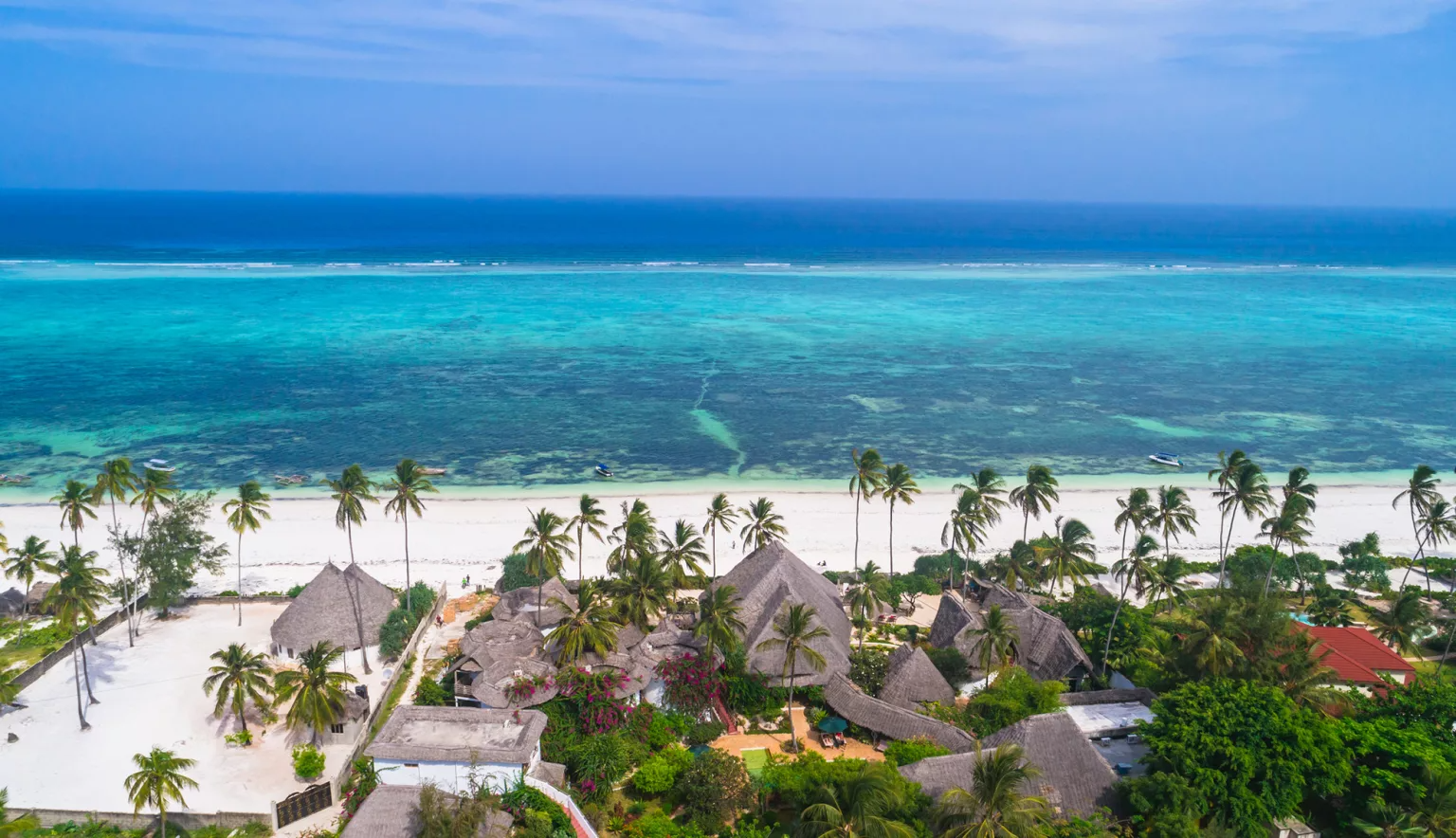
Tanga Coelacanth Marine Park Guide
tanga coelacanth marine park overview
tanga marine park at a glance (quick facts)
what is tanga marine park famous for?
where is tanga marine park located?
why should i visit tanga marine park?
what marine life can i see at tanga?
when is the best time to visit tanga park?
is tanga park good for first-time snorkellers?
is tanga marine park safe to visit?
how many days do i need for tanga park?
what activities are available at tanga park?
where do i stay for tanga marine park?
is tanga marine park good for families?
what should i pack for tanga marine park?
how much does a tanga marine park visit cost?
how do i get to tanga marine park?
can tanga park be combined with other trips?
tanga vs zanzibar: which marine coast?
why book tanga marine park with safari-tz.com?
Tanga Coelacanth Marine Park Overview
A Protected Coast, and an Honest Promise
Tanga Coelacanth Marine Park overview from Safari-tz.com: coral gardens, island ruins and the coelacanth conservation story on Tanzania's coast.
Tanga Coelacanth Marine Park protects a long stretch of Tanzania's northern coast around Tanga city, gazetted in 2009 and named for the most famous fish almost nobody will ever see: the coelacanth, a lobe-finned survivor older than the dinosaurs, rediscovered in these waters in 2003 when Tanga's deep-net shark fishermen began hauling them up by accident. The park exists to protect that population and the reefs, seagrass and mangroves around it, and this page will be honest about what a visitor can and cannot expect from that name, because most listings are not.
The honest promise first, because it shapes the whole visit: you will not see a coelacanth. The fish lives in deep water below roughly 150 metres, in caves along offshore drop-offs, entirely beyond the reach of any recreational diver or snorkeller, and any tour implying otherwise is selling a fish it cannot deliver. What the park delivers instead is worth the day on its own terms: the coral gardens and turtle-and-fish reefs off Toten and Yambe Islands, the atmospheric ruins of Toten, the Island of the Dead, the dugong and dolphin waters offshore, the mangrove and seagrass systems that nurse the whole coast, and a conservation story, dynamite-fishing stopped, a living fossil guarded by the community that named it their icon, that you can genuinely stand inside.
This is northern Tanzania's quiet coast: Tanga is an old Swahili port five to six hours from Dar, three from the Usambaras, and a world away from Zanzibar's crowds. Safari-tz.com builds the marine park into Tanga-coast stays, Usambara-and-coast combinations and northern-circuit beach finishes, exactly as the sections below map
Tanga Marine Park at a Glance (Quick Facts)
Key Facts Before You Plan the Coast
Quick Tanga Coelacanth Marine Park facts from Safari-tz.com: coral islands, tide-dependent boats, the unseeable coelacanth and MPA fees.
The short version: a protected coastal park of reefs, islands and ruins, tide-run and boat-reached, whose famous fish lives too deep to meet and whose real rewards do not.
- The park: Gazetted 2009, roughly 552 square kilometres, mostly aquatic, spanning Tanga Bay, Mwambani Bay, the Tongoni estuary and the islands of Toten, Yambe and Karange.
- The coelacanth: The park's namesake and icon, rediscovered here in 2003, living below about 150 metres and beyond any recreational diver. You visit its protected home; you do not see the fish. This page never pretends otherwise.
- What you actually see: Coral gardens, reef fish and turtles off Toten and Yambe; dugong and dolphin waters offshore; mangroves and seagrass; and the Swahili-and-colonial ruins of Toten Island.
- The activities: Snorkelling the island reefs, dhow and boat trips, Toten's ruins-and-baobabs walk, birdwatching the mangroves, and the conservation story throughout.
- Access: Boats from Tanga's waterfront, tide-dependent, with licensed operators. The tides run the day here, not the clock.
- The fees: Marine-park user fees apply under the 2009 national regulations, confirmed current at booking.
- Base: Tanga town and its coast; five to six hours from Dar, three from the Usambaras.
- Best months: June to October and December to February for calmest seas and clearest water; the long rains cloud both.
- The register: Emerging and unhurried, not a polished dive resort. The honesty section sets expectations plainly.
What Is Tanga Marine Park Famous For?
A Fish From Before the Dinosaurs
Tanga Marine Park is famous for the coelacanth, a living fossil rediscovered here in 2003, plus Toten's ruins and the coast's coral and turtles.
The park's fame is a fish it protects but never shows, and the story is remarkable enough that the not-showing barely dents it.
The coelacanth first, because it is the name. This is a fish science declared extinct with the dinosaurs and then found alive, a lineage older than three hundred million years, lobe-finned in a way that sits close to the evolutionary story of how life first hauled itself onto land, and Tanga's chapter is genuinely important: in 2003 the town's deep-water shark fishermen began landing them in their nets, revealing a population nobody had documented, and the park was gazetted in 2009 to protect it. The fish live deep, below roughly 150 metres in offshore caves, which is why no visitor meets one and why the park's protection is about restraint rather than display. Standing on a Tanga dhow above water that holds a creature from before the dinosaurs, unseeable and unbothered, is a specific kind of wonder, and the guides tell the rediscovery story with the pride of a community that turned an accidental catch into a conservation identity.
The living coast is the second fame and the visitable one: the coral gardens off Toten and Yambe, the green turtles and the reef-fish diversity, the dugong, that rare, gentle sea-mammal the park counts among its protected residents, and the dolphins of the Pemba channel offshore. This is a working conservation seascape, dynamite fishing fought and largely stopped, reefs recovering, a coast that chose protection.
The history is the third: Toten Island, the Island of the Dead, its Swahili ruins, old mosque and graves, its quarantine and prison past, its baobabs, a layered human story most marine parks cannot offer at all.
Where Is Tanga Marine Park Located?
Finding the Park on the Tanzania Map
Tanga Coelacanth Marine Park lines Tanzania's northern coast around Tanga city, five to six hours from Dar and three from the Usambaras.
The park lines Tanzania's north-eastern coast around the old port city of Tanga, its waters running along the shore from the Tanga and Mwambani bays down toward the Kigombe fishing village and the Tongoni estuary, and enclosing the near-shore islands of Toten, Yambe and Karange. This is the mainland coast opposite the southern tip of Pemba, across the Pemba channel, in the country's quiet north-eastern corner where the coastline meets the Kenyan border not far north.
The position writes the park's whole character. Tanga is an old Swahili trading town, a working port rather than a resort strip, which keeps the coast unhurried and the prices honest; the islands sit close in, near-shore day-trip distances rather than offshore expeditions; and the deep water that holds the coelacanth lies out past the islands where the shelf drops away, geography that explains in one glance both why the fish survives here and why you cannot visit it. The seasonal current the divers' sources describe, the East African Coastal Current running north up this coast, drives the water clarity and the tide behaviour that the conditions section prices.
The orbit note for this new series: Tanga is the hinge between mountains and sea. It sits about three hours from the Usambara Mountains, whose trekking and waterfall pages this website already holds, five to six hours by road from Dar es Salaam, and within reach of Pangani and the Maziwe reserve to the south, the neighbours the combinations section threads. For a northern itinerary wanting a coast that is neither Zanzibar nor empty, Tanga is the answer, and the marine park is its centrepiece.
Why Should I Visit Tanga Marine Park?
The Case for the Quiet Coast
Why visit Tanga Marine Park: coral snorkelling without crowds, island ruins, a real conservation story, and the coast that pairs with mountains.
Because Tanga offers the protected coast Zanzibar was before the crowds, and it offers it with a conservation story and a layer of history that the resort islands cannot match, to travellers who value quiet over polish.
The quiet argument leads and it is the honest headline. Tanga is a working town, not a tourism machine, its reefs see a fraction of the traffic that Zanzibar's and Mafia's do, and a snorkelling trip to Toten's coral gardens can be a near-private affair in a way the famous islands stopped offering years ago. The trade is real and this page states it: less infrastructure, fewer polished dive operations, more emerging-destination roughness, in exchange for a coast that still feels found. Travellers who read this series' inland pages will recognise the bargain, and the ones it suits know themselves.
The substance argument follows. This is not an empty beach with a name; it is a genuine marine protected area with real content, the coral and turtles and dugong-and-dolphin waters of the wildlife section, the layered human history of Toten, and a conservation story, a living fossil, a community that adopted it, dynamite fishing fought back, that gives the day a spine most beach days lack. You leave having seen a working coast defend itself, which is a rarer souvenir than a tan.
And the pairing argument closes it, this series' recurring commercial truth: almost nobody crosses the world for Tanga alone, and this page does not pretend otherwise. Tanga is the coast that completes a northern itinerary, the sea after the Usambara mountains, the unhurried finish after the safari, the honest alternative to a Zanzibar everyone else is also visiting, and the combinations section builds every version.
What Marine Life Can I See at Tanga?
What the Reefs Show, and What They Hide
Tanga Marine Park marine life: coral-garden reef fish, green turtles, offshore dugong and dolphins, mangrove birds, and the unseeable coelacanth.
The honest register, marine edition, and this series' first: Tanga's life sorts cleanly into what the reefs show a snorkeller and what the deep water hides, and this page draws the line down the middle where the truth runs.
What the reefs show, in near-shore water any snorkeller can reach: the coral gardens off Toten and Yambe, hard and soft corals in the recovering reef mosaic, and the reef-fish community that colours them, parrotfish, wrasse, butterflyfish, the moray eels tucked in the coral, damsels in clouds over the heads; green turtles, which nest and feed along this coast and are one of the park's flagship protected species, met on the reefs and in the seagrass on their own unhurried schedule; and the seagrass and mangrove systems themselves, the nurseries that feed the whole coast, best read from a boat or a low-tide walk with a guide who can name what they raise.
What the deeper and offshore water holds, framed with the honesty the whole page runs on: dugong, the rare and gentle sea-cow the park protects and has recorded off this coast, genuinely present and genuinely elusive, framed as a protected resident rather than a sighting anyone should be promised; dolphins in the Pemba channel offshore, met on the boat trips that run the right water; and, deepest of all and never met, the coelacanth in its caves below 150 metres, the fish you visit the home of and do not see.
The mangroves and coast add the bird register: kingfishers, herons, migratory waterbirds and the seabirds of the islands, binoculars earning their carry on any boat day. The redirect, marine edition, points at the honesty itself: come for the reef and the story, count the turtle as the likely wonder and the dugong as the lucky one, and let the coelacanth be the creature whose absence is the point.
When Is the Best Time to Visit Tanga Park?
The Sea's Calendar, Not the Land's
Visit Tanga Marine Park June to October or December to February for calm seas and clear water; the long rains cloud visibility and rough the crossings.
June to October first, December to February second, and this marine series replaces the inland flow-versus-access trade with its own governing pair: sea state and water clarity, the two variables that decide a reef day, both best in the dry windows and both degraded by the rains.
The dry windows deliver the park at its most rewarding: calmer seas for the island crossings, clearer water over the coral gardens, the reef-fish and turtle encounters at their most visible, and the boat days running on schedule rather than on the weather's permission. The two windows differ in character the coast's monsoon writes, the June-to-October southern season bringing steadier trade winds and the stronger coastal current the divers' sources describe, the December-to-February northern season running warmer and calmer, and local operators read the difference for each week's conditions in a way this page will not pretend to predict from a desk.
The rains, the long ones around April and May and the shorter November spell, cloud both variables at once: river and estuary runoff drops visibility over the reefs, rougher seas make the crossings uncomfortable and sometimes unwise, and the tide-and-weather calculus the guides run tightens toward caution. The coast stays visitable for the flexible, the ruins and mangroves and conservation story holding value in any weather, but the underwater half of the park is honestly a dry-season product, and we schedule and price it that way.
The daily law wears a tide instead of a dawn on this coast, and the access section owns it in full: the sea's timetable, not the clock's, sets the day, and the early start still helps, calmest water and best light both favouring the morning, but the tide is the master variable, and the whole marine series will keep saying so.
Is Tanga Park Good for First-Time Snorkellers?
What the Water Asks of You
Tanga Marine Park suits first-time snorkellers on the sheltered island reefs, with the honest note that this is an emerging coast, not a dive resort.
Yes for snorkellers, with an honest frame, and the audit for this marine page swaps legs and lungs for water confidence and expectations.
The water confidence first: the sheltered reefs off Toten and Yambe offer the gentle, near-shore snorkelling that first-timers need, shallow coral gardens read from the surface, calm conditions in the dry windows, and licensed local guides who put beginners over the easy reef rather than the current-swept edges. Swimmers comfortable putting their face in the sea and following a guide have the reef fully; nervous-water travellers get the boat, the ruins and the mangroves without the mask, no day wasted. Basic swimming ability is the real floor, as it is anywhere a boat drops you over a reef, and we ask about it honestly at booking rather than at the gunwale.
The expectations frame is the section's real content and the whole page's honesty applied to the practical day: Tanga is an emerging marine destination, not a polished dive resort. Rental gear can be limited, so travellers with their own mask and snorkel should bring them; the dive infrastructure the deeper reefs would reward is thin on the ground and concentrated at a few coast operators rather than the park itself; and the day runs on local, community-scale arrangements with the roughness and the authenticity that phrase implies in equal measure. Travellers who need a certified dive centre and guaranteed rental fins should hear that plainly and consider whether the coast's compensations, the quiet, the story, the ruins, are the ones they actually want.
The scuba note, honestly: recreational diving exists on this coast, best arranged through the established coast dive operators the accommodation and combinations sections name, and it shows reefs and drop-offs rather than the coelacanth, which stays below every recreational limit. We arrange it where the party wants it and set the expectation before the tank.
Is Tanga Marine Park Safe to Visit?
How Risk Is Managed on the Water
Tanga Marine Park safety centres on licensed boats, tide and sea-state judgement, honest snorkel supervision, and sun and current awareness.
The park visits safely on the water's terms, and this marine series writes its first safety section around the variables the sea imposes, led by the two that matter most.
The boat and the sea state lead. Every island crossing and reef trip runs by boat on tide-and-weather windows, and the entire safety system rests on licensed operators who read the sea before they leave the shore, whose decision to delay, shorten or cancel a crossing on the day's conditions is final in the form this website gives every guide's judgement, and whose local knowledge of the channel, the currents and the tide is the expertise the day actually buys. We book licensed operators as standing practice, treat the weathered-off day as the system working rather than failing, and regard any arrangement that pushes a doubtful crossing as mispricing the only judgement on the boat that matters. Lifejackets and seaworthy craft are the floor, confirmed at booking.
The water itself second: the coastal current the sources describe can run strong in the southern season, snorkellers stay over the sheltered reefs the guides choose and inside the group's shape, entries and exits happen where the boat crew indicate, and children swim within arm's reach under the standing law this website carries onto the water unchanged. The reef's own etiquette is a safety item too, no touching coral, no standing on it, both for the reef's sake and the sharp-coral-and-urchin reasons that protect the visitor in the same motion.
The ordinary coastal ledger closes: equatorial sun doubled by the water's reflection, answered by reef-safe cover and shade on the boat; hydration on hot open water; and the emerging-coast reality that serious medical facilities are Tanga-town scale, the honest remoteness note for a coast that is quiet precisely because it is undeveloped. The site-wide medical close stands, unamended, with its marine coda: declare conditions that swimming or boat travel affect at booking.
How Many Days Do I Need for Tanga Park?
A Day on the Water, Two on the Coast
Tanga Marine Park fills a day on the water and rewards two or three on the coast, folding into Usambara and northern-circuit itineraries.
One full day on the water is the park's honest core, and the coast around it rewards two or three, which is how most itineraries should hold it.
The core day: a tide-timed boat trip from Tanga's waterfront to Toten or Yambe, the island's reefs snorkelled in the clear morning water, the ruins-and-baobabs walk ashore, a beach or sandbank picnic, and the return on the afternoon tide, a full marine-park day that delivers the reef, the history and the conservation story in one arc. The tide, not the clock, sets the hours, and the guides build the day around the water's timetable in a way the access section explains and the itinerary simply respects.
The two-to-three-day coast is the better purchase, because Tanga is a place to slow into rather than tick: the marine-park day, a second day for the town's own history, the Amboni Caves and Tongoni ruins and old Swahili port, a beach day at Tanga's or Pangani's quiet sands, and the option of the Maziwe reserve day to the south that the combinations section prices. The coast's whole appeal is unhurriedness, and a single rushed day fights the destination's nature.
The itinerary frame is this series' recurring truth in marine clothing: Tanga is a coast to combine, the sea half of an Usambara-and-ocean week, the quiet finish to a northern safari, the honest-alternative beach leg for travellers avoiding Zanzibar's crowds, and the combinations section builds each. What the park never is, is a fly-in-fly-out headline; it is a reward for the traveller already coming to this corner, and the arithmetic rewards them well.
What Activities Are Available at Tanga Park?
Reefs, Ruins, Dhows and Mangroves
At Tanga Marine Park: island-reef snorkelling, Toten's ruins, dhow sailing, dolphin and dugong-water trips, mangrove birding and deep-sea fishing.
The park's menu is a coastal one, and its items sort by whether they put you under the water, on it, or beside it.
Under the water: snorkelling the island coral gardens is the headline, Toten and Yambe's sheltered reefs read in the clear dry-season water, reef fish and turtles the likely rewards, and scuba diving for the certified, arranged through the coast's established operators, showing the reefs and drop-offs while leaving the coelacanth to its depth, per the honesty this page keeps.
On the water: the dhow trip is the coast's signature, sailing the traditional rig from Tanga's waterfront to the islands and sandbanks, and it is half the day's pleasure regardless of what the reef delivers; dolphin-watching trips run the offshore channel water on the guides' read; and deep-sea fishing operates from the coast for the anglers, with the marine-park conservation rules and the catch-and-release ethic the protected waters ask.
Beside the water: Toten Island's ruins-and-baobabs walk is the cultural heart, the Island of the Dead read ashore with its old mosque, graves and quarantine-and-prison layers, a genuine historical site most marine parks cannot offer; the mangrove and seagrass systems reward the birding and the low-tide guided walk, the coast's nurseries explained by people who read them; and the sandbank picnic, that low-tide island of clean sand appearing from the sea, is the coast's simplest and most reliable delight.
The conservation story threads all of it: the guides carry the coelacanth's rediscovery, the dugong's protection, the dynamite-fishing fight, and a Tanga day that skips the story has taken the reef and left the meaning, which is the opposite of how we build it.
Where Do I Stay for Tanga Marine Park?
Town Beds, Beach Lodges, or the Point
Tanga Marine Park visitors stay in Tanga town, the quiet beach lodges toward Pangani, or the northern eco-lodges with their own dive centres.
The coast serves three registers, sorted by how far from town and how close to the water you want to sleep, and this section grades them for the marine-park day.
Tanga town is the practical base: beachfront and harbour hotels in the working-town register, spa-and-pool resorts of the mid-range kind, and budget guesthouses for the overlanders, all within reach of the waterfront where the island boats leave, the choice most itineraries make for a one-or-two-day marine-park visit. The register is honest coastal Tanzania rather than resort polish, per the whole page's frame, and the better properties handle the tide-timed boat logistics as practiced routine.
The Pangani-side beaches are the quiet upgrade: the soft-sand lodges toward Ushongo and Pangani south of the city, calmer and prettier than the town beaches, positioned for the Maziwe-reserve day as much as the Tanga park, and the register travellers choose when the coast itself, not just the marine park, is the point. The drive between them is the coast's own scenic leg.
The northern eco-lodges are the specialist's answer: the established points north toward the Kenyan border, some with their own dive centres and house reefs, the register for divers and for travellers wanting the coast at its most secluded, booked directly and confirmed per trip, and the base that turns the marine coast from a day trip into the holiday's whole shape.
The one marine-specific note: whichever register, the tide runs the boat days, so the properties that handle tide-timed departures smoothly are worth more than their star ratings suggest, and we weight for it silently. Booking pressure is mild on this quiet coast; we hold the beds when the itinerary locks, per standing practice.
Is Tanga Marine Park Good for Families?
The Family Answer: the Gentle Coast
Tanga Marine Park suits families well: sheltered snorkelling, sandbank picnics, island ruins and dhow trips, with the sea's honest safety terms.
A warm yes for families, and the coast's gentleness is the reason: Tanga offers the sea's rewards at children's scale, with the honest terms the water always sets.
The case runs itself. The sheltered island reefs are the snorkelling children can actually manage, shallow and calm in the dry windows, and the ones who are not ready for a mask have the sandbank, that appearing-and-vanishing island of clean sand that is the best natural playground the coast owns; the dhow sail is a pirate story children live inside; Toten's ruins are an Island of the Dead, a phrase that sells itself to any child over about eight; and the turtles, met on their own schedule, are the wonder families remember, worth more than any promised fish. The pace is the coast's gift to family travel, unhurried, tide-shaped, nap-compatible, the opposite of a game-drive schedule.
The terms are the safety section's at child scale: genuine swimming ability for the reef, arm's reach in the water, the guides' boat-and-tide judgement absolute, the doubled child sun-and-hydration discipline that open water and its reflection demand, and the honest note that an emerging coast's medical facilities are town-scale, a calm-sea, careful-day destination rather than a place to test limits. Non-swimming children lose nothing essential, the boat, the sandbank, the ruins and the dhow being the day's better half anyway.
The itinerary note: as the gentle coastal finish to a northern family trip, mountains and safari behind, the sea ahead, Tanga suits families who want the ocean without Zanzibar's crowds and prices, and the coelacanth story, a real living fossil in the water below, is the kind of true fact that turns a child into a marine biologist over one boat lunch
What Should I Pack for Tanga Marine Park?
Packing for Reef, Sun and the Boat
Tanga packing list: your own mask and snorkel, reef-safe sunscreen, sun cover for the boat, water shoes, a dry bag and cash for local operators
Pack for a coast where the gear rentals are thin and the sun is doubled by the water, and the marine series' first packing list writes its own new commandments.
The reef kit leads, and its first commandment replaces the inland series' footwear rule: bring your own mask and snorkel. Rental gear on this emerging coast is limited and variable, a well-fitting mask you own is the difference between a great reef hour and a leaking, fogging ordeal, and travellers who snorkel at all should treat their own set as the trip's best-value luggage. Fins if you have them and space; water shoes for the reef-edge and rocky entries, protecting your feet and the coral both; and a rash vest for the sun-and-jellyfish protection that also spares the reef your sunscreen.
The sun kit runs at marine-doubled strength: reef-safe sunscreen, the reef-safe part non-negotiable in a protected coral park and increasingly the law, plus the hat, glasses and long sleeves that the boat's shadeless hours demand, the ocean throwing the equator's sun back up at you from below. A dry bag graduates to law on any boat day, phones and cameras and the ferry ticket sealed against spray and the inevitable wet landing; and a light layer for the breeze that open water manufactures even in the heat.
The coast kit closes it: cash in small denominations for the local operators, park fees and island economies that cards never reached; water in boat-day volumes; motion-sickness remedies for travellers the sea disagrees with, taken before the boat rather than during; and the modest-dress layer for the town and the ruins, this being an old Swahili and Muslim coast where the beach wardrobe stays on the beach.
The subtraction rule closes at boat weight: whatever you carry rides a small boat and lands wet, your reef-edge self, mask fitting and sunscreen reef-safe, signs the marine series' first final bag.
How Much Does a Tanga Marine Park Visit Cost?
What You Are Paying For on the Coast
Tanga Marine Park costs combine MPA user fees, licensed boat hire and local guiding, an honest and modest coastal invoice itemised per trip.
Tanga prices as the quiet, emerging coast it is, and the structure is honest and modest: marine-park fees, a boat, and local guiding, with none of the resort-island premium the famous coasts carry.
The build: the marine-park user fees introduced under the 2009 national regulations, at the per-person register the marine authority sets and revises, confirmed current at booking because marine-park fee schedules change like all fee schedules; the licensed boat hire that is the day's largest line and its most important safety purchase, priced by the crossing and the craft; the local guiding that carries the reef knowledge, the tide reading, the ruins history and the conservation story; and the island and site arrangements at the modest local register. No park is cheaper to reach on this website's whole coast, and none carries less premium for its protection.
The comparison the coast forces gets its honest line: against Zanzibar's and Mafia's marine days, Tanga prices well below, the emerging-destination discount being real, and against the value it returns, a near-private reef, a genuine ruin, a real conservation story, the modest invoice reads as one of the coast's better bargains for the traveller the destination actually suits. The trade, stated once more because the cost section is where it bites, is infrastructure: you pay less and receive less polish, and the pages either side of this one price whether that trade is yours.
The functioning-structure defence runs in marine form: the fees fund the park that stopped the dynamite fishing and guards the coelacanth's water, protection you pay into rather than merely for, and we pay it gladly and quote it plainly.
Figures stay off the page at standing strength; quotes arrive itemised, fees, boat, guiding on their lines, for your dates, party and tide
How Do I Get to Tanga Marine Park?
To Tanga by Road or Air, Then the Tide
Reach Tanga by road from Dar or the Usambaras, or by air, then take licensed island boats from the waterfront on the tide's timetable.
In two stages this marine series will make its own: to Tanga by land or air, then onto the water by tide.
To Tanga: the coastal city sits five to six hours by road from Dar es Salaam on the main coastal route, about three hours from the Usambara Mountains down the escarpment, and within a day's road reach of the northern safari towns for itineraries running mountains-to-sea; flights serve Tanga's airport from Dar, Arusha and Zanzibar for travellers buying time, the honest note being that the road from the Usambaras is scenic enough to be part of the trip rather than merely the means. Arrivals from Kenya cross the northern border into the same corner.
Onto the water: the island and reef trips leave from Tanga's waterfront and the Yacht Club side by licensed boat, and here the marine series installs the law that replaces the inland dawn rule, the tide runs the day. The islands, the reefs, the sandbanks and the safe crossings all answer to the tide's timetable rather than the clock's, the guides build each day around the day's specific tides, and a visitor who arrives expecting to dictate the hours has misread the sea; the morning still helps for light and calm, but the tide is the master, and the whole coast plans around it. The Maziwe-reserve trips to the south leave from Pangani and Ushongo, the neighbour the combinations section threads.
The daily law, marine edition, closes the access section as the dawn rule closed the inland ones: learn the tide, trust the licensed boat, and let the sea set the schedule. It is the coast's one non-negotiable, and it is ours to plan around.
Can Tanga Park Be Combined With Other Trips?
The Sea That Completes the North
Combine Tanga Marine Park with the Usambara Mountains, Pangani and Maziwe reserve, Saadani's coastal safari, or a northern circuit beach finish.
Tanga combines as the coast that completes a northern journey, and the section threads the pairings from the mountains down to the sea.
The Usambara pairing leads, and it is this website's own: the Eastern Arc mountains whose trekking and waterfall pages this series already holds sit about three hours above Tanga, and the mountains-to-sea itinerary, the cool forest and the village walks and the Usambara falls, then the descent to the coast and the marine park's reefs and ruins, is one of the most satisfying short combinations in northern Tanzania and almost nobody builds it. We build it as a signature, the altitude and the ocean in one week, the biodiversity hotspot above meeting the marine protected area below.
The coastal pairing extends south: Pangani's old Swahili port and quiet beaches, the Maziwe Island reserve day off Ushongo that this marine series will page in its own right, and the string of quiet sands that make the Tanga-to-Pangani coast a genuine beach holiday for travellers who want the ocean without the crowds, the combinations building a several-day coast from the pieces.
The safari pairing closes the map: Saadani National Park, East Africa's coastal safari where the game meets the beach, lies down the same coast and pairs with Tanga into a coast-and-wildlife week, and the broader northern circuit, having spent its days on the game and the mountains, finds in Tanga the honest-alternative finish to Zanzibar, the unhurried sea that sends travellers home rested rather than merely tanned.
The caution is the coast's own: the tide and the season run the marine half, so the combinations that lean on the reef want the dry windows and the flexible day, and the ones that lean on the ruins, town and beaches hold their value year-round. We build to the balance your dates allow.
Tanga vs Zanzibar: Which Marine Coast?
The Quiet Coast and the Famous One
Tanga or Zanzibar? Compare Tanzania's quiet emerging marine coast with the famous islands by crowds, infrastructure, cost and character.
This marine series opens its comparison frame as the waterfall series did, and Tanga anchors the quiet pole against the coast everyone already knows.
Tanga is the emerging coast: a working port town, near-private reefs, a real conservation story, the layered ruins of Toten, and an honest roughness in the infrastructure, thin rentals, few polished dive centres, tide-run local boats, in exchange for prices well below the famous islands and a coast that still feels found. Its limits are real and this page has named them throughout: you come for the quiet and the story, not the seamless resort day, and the coelacanth you come in the name of stays unseen below every diver. Zanzibar and Mafia are the famous coasts: polished dive operations, guaranteed gear, the reef diversity that Mafia in particular carries at world class, and the infrastructure that makes a marine day effortless, at the cost of the crowds, the prices and the sense, on the busy reefs, of sharing the wonder with a queue.
The matching: seamless infrastructure, world-class reef, and effort spent on nothing but the diving, Zanzibar or Mafia, and this website builds them; the quiet coast, the conservation story, the ruins, the mountains-to-sea pairing, and a budget that thanks you, Tanga, and this page is its case. The both answer, for the northern traveller with the days, runs Tanga as the discovery and the famous islands as the polish, different coasts for different appetites, and Tanzania, with its usual generosity, holds the best of each.
This is the marine series' first page, and its comparison frame will grow as the coast's other parks and reserves publish, Maziwe, the Dar reserves, Mafia, Mnazi Bay, each an ask-and-pay position on the coast the frame will place. For now the poles are set: the quiet and the famous, the found and the polished, and Tanga proudly holding the first of each pair.
Why Book Tanga Marine Park With Safari-Tz.Com?
The Tide Read, the Story Kept Honest
Book Tanga Marine Park with Safari-tz.com: licensed tide-timed boats, honest coelacanth expectations, the Usambara pairing and itemised quotes.
Tanga is the page where honesty is the service, because the coast's own marketing is where this destination most often goes wrong for travellers. The internet's Tanga is full of promises the water cannot keep, the implied swim with the living fossil, the polished dive day the infrastructure does not support, the fixed hours the tide overrules, and a visitor who books on those promises meets a different coast than the one advertised. What booking with us buys, before anything logistical, is the true version: the coelacanth framed as the unseeable wonder it is, the reef and ruins and story sold as the real rewards they are, the emerging-coast roughness named in advance so it reads as character rather than disappointment, and the day built on the tide's actual timetable rather than a brochure's convenient clock.
The logistics follow from the honesty: the licensed boat booked for the crossing the sea allows, the tide-timed day the guides build around the water, the Usambara-to-sea pairing this website assembles as its signature, the gear advice that tells you to bring your own mask, and the conservation story engaged with the community that made a living fossil its icon. Lead guides Geoffrey Komba, William Mwasimba, and Isaac Munuo oversee our operations, the coast is covered with the same field honesty this website brought to its mountains, and the standing sentence opens the marine series carrying its full record: guests do not experience our logistics in proportion to their size, and on a coast that runs on tides and licensed boats, that proportion is the whole safety of the day.
Ready to plan your Tanga coast visit?
- Request your free tailor-made safari quote
- Chat with a safari expert on WhatsApp: +255 740 666 662
- Email: info@safari-tz.com
Tell us your dates, whether the Usambara mountains join the plan, and your honest comfort in the water. You will get a tide-timed marine day, honest expectations and an itemised quote.