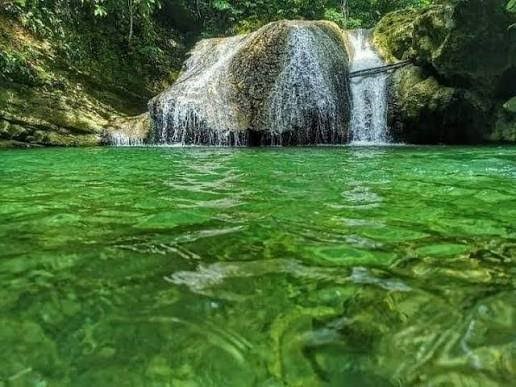
Tululusia Waterfall Guide
tululusia waterfall overview
tululusia falls at a glance (quick facts)
what is tululusia falls famous for?
where is tululusia falls located?
why should i visit tululusia falls?
what wildlife can i see at tululusia?
when is the best time to visit tululusia falls?
is tululusia suitable for first-time visitors?
is tululusia falls safe to visit?
how many days do i need for tululusia falls?
what activities are available at tululusia?
where do i stay for tululusia falls?
is tululusia suitable for families?
what should i pack for tululusia falls?
how much does a tululusia falls visit cost?
how do i get to tululusia falls?
can tululusia be combined with other destinations?
tululusia vs themi: which falls?
why book tululusia with safari-tz.com?
Tululusia Waterfall Overview
A Falls Reached on Foot Through Game Country
Tululusia Waterfall overview from Safari-tz.com: a ranger-led walk from Momella Gate in Arusha National Park to a falls in a carved amphitheatre.
Tululusia Waterfall pours off Mount Meru's north-eastern slopes deep inside Arusha National Park, and what separates it from every other page in this series is not the falls but the approach: you walk there, from Momella Gate, with an armed TANAPA ranger leading, through open glades and forest edges where buffalo graze, giraffe browse and colobus monkeys work the canopy, on one of the very few walking-safari networks in northern Tanzania. The waterfall is the destination. The walk is the safari. No other falls in the country combines the two this completely.
The falls themselves reward the approach. The river has spent its career eroding backward into a hillside of soft volcanic rock, and the result is an enclosure more like a half-open cave than a valley: the water drops about 28 metres into a chamber whose sheer walls now host nesting red-winged starlings, whose air fills with spray, and whose acoustics turn the falls' sound into something felt as much as heard. Visitors describe standing inside it the way people describe standing inside weather, and the rangers' one firm rule, covered in the safety section, keeps everyone at the respectful distance the water's force demands.
The practical frame: this is TANAPA territory in full, park fees, walking fees, the mandatory ranger from Momella Gate, and the visit runs as a short walking safari of roughly an hour and a half round trip in its direct form, growing into half-day and full-day park itineraries per the combinations this page assembles.
Safari-tz.com builds Tululusia into Arusha National Park days, Meru climb itineraries and the Arusha-orbit menu, exactly where each is explained below.
Tululusia Falls at a Glance (Quick Facts)
Key Facts Before Your Ranger-Led Walk
Quick Tululusia Waterfall facts from Safari-tz.com: a 28-metre falls in Arusha National Park, armed-ranger walks from Momella Gate, park fees.
The short version: a walking-safari waterfall inside Arusha National Park, reached with an armed ranger from Momella Gate, with big game possible on foot the whole way.
- The falls: A drop commonly given as about 28 metres, pouring into a cave-like amphitheatre carved from soft volcanic rock, with nesting red-winged starlings on the walls.
- The walk: Roughly an hour and a half round trip from Momella Gate in its direct form, on the park's walking-safari network. Longer versions thread the buffalo glades and viewpoints.
- The ranger: Mandatory, armed, provided at the gate, and the whole character of the visit. This is on-foot game country, and the ranger's word is the framework.
- The wildlife: Buffalo, giraffe, warthog, colobus and more, possible at walking distance. The wildlife section carries the honest framing.
- The rules: Full TANAPA machinery: park conservation fees, walking fees, gate formalities. The cost section itemises the registers.
- The neighbours: Tululusia Hill's lookout above, the Momella Lakes, Ngurdoto Crater, and the park's other falls on their own trails. One park, one very full day.
- Base: Your Arusha bed, or the park-edge lodges. The series' second doorstep-distance entry, with a wilder heart.
- Best months: June to October and December to February; the heavy rains swell the falls and grease the trails.
- Fitness: Modest. The walking is gentle; the wildlife discipline is the real requirement.
What Is Tululusia Falls Famous For?
The Walk, the Chamber, and the Starlings
Tululusia is famous for its ranger-led walking safari approach, its cave-like spray chamber, and the red-winged starlings nesting its walls.
Tululusia's fame runs in the order the visit delivers it: the walk, the chamber, the birds.
The walk is the headline, and it deserves the emphasis because of how rare its category is. Northern Tanzania's great parks are vehicle country almost without exception, big game and thin doors keeping walkers inside metal, and Arusha National Park is the standing exception: a park where the predator arithmetic permits ranger-led walking, where nearly fifty kilometres of trails thread the Meru foothills, and where the classic short route happens to end at a waterfall. Walking toward falls-sound through a glade where buffalo lift their heads to watch you pass is an experience the vehicle circuit cannot sell at any price, and it is the reason this page exists in a waterfall series at all: Tululusia is the falls that turns a waterfall visit into a safari.
The chamber is the destination's own fame. The river's patient backward erosion has built something closer to a room than a viewpoint, sheer walls wrapping the drop, the entrance open on one side, spray hanging in the enclosed air, and the sound amplified by its own architecture. Photographs consistently undersell it, which guests report as a feature.
The starlings finish it: red-winged starlings nesting the chamber's walls, flashing rust-and-black across the white water, the resident detail that gives the enclosed theatre its moving parts. Birders arrive for the park's four hundred species and leave talking about the ones that live behind a waterfall, and this series, which collects such details deliberately, files the starlings beside Kalambo's marabous: the falls with their own residents.
Where Is Tululusia Falls Located?
Finding Tululusia on the Park Map
Tululusia Waterfall sits on Mount Meru's north-eastern slopes near Momella Gate in Arusha National Park, about an hour's drive from Arusha.
Tululusia sits on Mount Meru's north-eastern slopes inside Arusha National Park, a short walk from Momella Gate in the park's northern reaches and close to the public campsites that serve the Meru climb, geography that stitches this page to two others on this website before a single trail is described: the mountain above it is our Meru climbing page's mountain, and the park around it is the wildlife-rich, walkable exception this series' Themi page called the area's actual wildlife case.
The approach arithmetic is Arusha-orbit friendly: roughly an hour's drive from Arusha town through the park's southern gate country and up the all-season park roads to Momella, or the equivalent run from the Usa River lodge belt and the Kilimanjaro airport side, which sits conveniently close. At Momella Gate the machinery takes over, permits checked, walking fees paid, the armed ranger assigned, and the trail leaves the gate country for the falls, about a kilometre's walk in the direct telling, with the longer walking-safari versions looping through the glades first.
The park position writes the visit's character twice. First, the wildlife: the trail crosses country that buffalo, giraffe and warthog use as home range, the reason the ranger is mandatory and the reason the walk counts as a safari. Second, the neighbours: Tululusia Hill's lookout rises beside the falls' trail, the Momella Lakes spread their flamingo shallows minutes away, Ngurdoto Crater holds the park's south, and Meru's climb route passes through the same gate, a density of destinations that makes the falls almost never a day's only item, per the combinations section that assembles them.
Why Should I Visit Tululusia Falls?
The Case for the Safari Falls
Why visit Tululusia Falls: the only walking-safari waterfall in the series, big game on foot, the spray chamber, and Arusha Park's stacked day.
Because Tululusia sells the one combination no other waterfall in Tanzania offers: real falls at the end of real game country, crossed on foot, and the argument barely needs a second sentence for the traveller who felt the first one land.
For everyone else, the case builds in layers. The safari layer: walking among game is the experience the northern circuit's vehicle days cannot provide, Arusha National Park is where northern Tanzania permits it, and the falls trail is the park's classic short walking route, which means Tululusia delivers the on-foot safari in its most accessible form, an hour and a half of it, ranger-led, wrapped around a destination worth reaching. Guests who have done a week of game drives consistently describe the walk's first buffalo, seen at ground level with nothing between, as the moment the safari changed registers.
The value layer: the park's compact geography stacks the falls walk against the Momella Lakes' canoeing, the crater's viewpoints and a game drive inside a single day, the densest activity menu in the Arusha orbit, and the falls anchor its on-foot chapter. The cost section prices the machinery honestly; the stacking is what the machinery buys.
And the series layer, for the collectors this website is now openly cultivating: seven categories in, the family holds a pilgrimage, a participation masterpiece, a waypoint, a walker's falls, a doorstep, an oasis, and now the safari falls, the entry where the wildlife is the walk rather than the backdrop. Tululusia's chamber would earn a visit on its own. The buffalo between the gate and the spray are why it earns a page.
What Wildlife Can I See at Tululusia?
Game at Walking Distance, Honestly
Tululusia wildlife: buffalo, giraffe, warthog and colobus possible on foot with the ranger, red-winged starlings at the falls, and Momella's birds.
For the first time in this series, the wildlife section describes the walk rather than the margins, and the honest register arrives with its terms inverted: at Tululusia the animals are the ordinary expectation and the falls are the guaranteed part.
The walking register, framed the way walking country must be: the trail crosses home range that buffalo use daily, the glades this park literally names for them, and giraffe, warthog, bushbuck and zebra move through the same country at their own hours, met at walking distance often enough that the encounters are the trail's reputation, and never promised, because on-foot wildlife obeys nobody's itinerary. The colobus monkeys, the park's black-and-white signature, work the forest sections' canopy with the blue monkeys, sightings regular in the standing sense this website uses carefully, and the smaller forest cast, duiker and suni at the shy end, leopard at the essentially-never-seen end, fills the ranger's commentary with honest depth. Every metre of it happens inside the framework the safety section owns: the armed ranger reads, routes and spaces the party, and the animals' right of way is absolute.
The chamber's own residents close the register at its most particular: the red-winged starlings nesting the spray walls, Section 3's detail, joined by the forest birds the trail concentrates, and the park's four-hundred-species list waiting at the Momella Lakes for the declared birders whose pacing the standing rule adjusts.
The redirect, for once, points inward: the park around this falls is the wildlife case, and the combinations section simply arranges more of it around the walk.
When Is the Best Time to Visit Tululusia Falls?
The Flow Trade, Ranger-Led Edition
Visit Tululusia Falls June to October or December to February; the rains swell the chamber's spray but grease the trails and hide Meru's views.
June to October first, December to February second, the northern standard, and the series' flow-versus-access trade arrives at Tululusia wearing park colours: the roads inside Arusha National Park run all-season, so the trade is priced in trail footing, spray volume and visibility rather than in whether you can get there at all.
The dry windows deliver the classic version: firm walking on the glade-and-forest trails, the falls at honest volume off the rains' account in each window's early weeks, the chamber's spray at photographable rather than drenching intensity, and the park's wider day, the lakes, the crater, Meru's views, cooperating alongside. Within the windows the daily law holds at full strength, because this page's mornings are double-booked: the light in an east-facing park, the animals' active hours on the walking trails, and the gate's timetable all argue for the early start, and the walking-safari layer gives the argument teeth that a falls alone never could, game moving at dawn being the whole difference between a walk with encounters and a walk with tracks.
The rains, roughly March into the long wet, invert the spectacle in the pattern this series knows: the falls swell toward their theatrical maximum, the chamber's spray expands to meet visitors at the entrance, and the price is greased trails, muddier glades, cloud sitting on the Meru views, and walking days the rangers manage more conservatively. The visit stays possible for the flexible and is graded honestly at booking, with the chamber's soaked version holding a genuine constituency among photographers who bring what the packing section tells them to bring.
Is Tululusia Suitable for First-Time Visitors?
Gentle Walking, Real Discipline
Tululusia suits nearly all reasonably mobile visitors: gentle ranger-paced walking where the real requirement is wildlife discipline, not fitness.
Yes, nearly universally, and the grading conversation at Tululusia is the series' second inversion in a row: the physical ask is among the gentlest this family has published, and the real requirement is behavioural, the discipline that walking in game country demands of every member of a party.
The physical grading first, briefly, because it needs little: the direct falls walk runs roughly an hour and a half round trip on trails of modest gradient, the ranger's pace is the party's pace and is set with mixed groups as daily craft, the chamber's approach involves the spray-slick stone this series always flags, and the longer walking-safari loops grade by appetite rather than by any threshold worth naming. Reasonably mobile first-timers, families per the family section's terms, and post-game-drive legs all finish comfortably; the honest few for whom even gentle trails overreach have the park's vehicle circuit as the falls-free consolation, and we grade individual cases at booking per the standing request.
The discipline grading is the section's real content: walking among buffalo means moving as the ranger moves, stopping when told, keeping the group's shape, holding voices down through the encounter stretches, and accepting that a detour or a wait is the walk working, the same framework this website's walking pages hold from the Udzungwas to the NCA, applied here at its most accessible entry point. Adults absorb it in the gate briefing; children, per the family section, absorb it as the day's game; and the rare party temperamentally unsuited to being told where to stand should hear this paragraph as the honest routing advice it is.
Is Tululusia Falls Safe to Visit?
How Risk Is Managed With a Ranger Leading
Tululusia safety rests on the mandatory armed ranger, wildlife-encounter discipline, spray-slick footing care and the falls' keep-back rule.
Tululusia runs inside the strongest safety framework in this series, the mandatory armed TANAPA ranger, and its risk conversation has three items, each owned by that framework.
The wildlife leads, named plainly as walking country requires: the trail crosses buffalo range, buffalo are the animal that walking-safari protocols exist for, and elephant and other large residents use the park's forests on their own schedules. The system is the ranger: armed, trained, reading ground and wind, routing the party around what the morning presents, and holding the absolute authority this website's walking pages have described from the Udzungwas to the highlands, here in its most institutional form. The party's half of the system is the discipline section's content, followed exactly, and the honest sentence beneath all of it is the one every walking page on this site carries: managed this way, day after day, the walks run safely, and the management is not optional.
The falls' own rule comes second and the rangers enforce it without ceremony: the water's force at the chamber's base is genuinely dangerous at close range, about 28 metres of drop concentrating into a small pool, and viewing happens from the respectful distances the ranger indicates, spray-slick stone underfoot making the planted-feet law do double duty. The chamber rewards patience, not proximity, and the photographs prove it.
The ordinary ledger closes: trail footing per the standing tread commandment, sun on the open glades, water carried per walking-day volumes, and the park's proximity to Arusha keeping the remoteness arithmetic at the series' gentlest setting outside Themi.
How Many Days Do I Need for Tululusia Falls?
A Morning Walk Inside a Stacked Park Day
Tululusia Falls needs a half-day at most, and its natural home is inside Arusha National Park's stacked full day of walking, lakes and crater.
A morning for the walk, a full day for the park, and the honest answer at Tululusia is that the second frame is almost always the right purchase, because this falls lives inside the most stackable park day in northern Tanzania and pretending otherwise would waste the machinery you are already paying for.
The morning version stands on its own for the schedule-squeezed: the early drive from Arusha, the gate formalities, the ranger-led walk out and back with the chamber given its unhurried half-hour, and the return to town by lunch, a genuine walking safari inside half a day and the shortest full-machinery park visit this website sells. It works, we build it, and it leaves value on the table that the full-day version collects.
The full-day version is the park's classic and this page's counsel: the falls walk in the morning's animal hours per the daily law, the Momella Gate picnic that the park's visiting culture has made an institution, and the afternoon spent on the menu the geography stacks, the game drive through the lake circuit, the canoe safari on the Momella shallows for the itineraries that book it, Ngurdoto Crater's rim viewpoints, or Tululusia Hill's lookout climbed while the legs are willing. One gate, one fee day, four registers of park, and the falls as its on-foot heart.
The multi-day frames belong to the neighbours: Meru climbers pass this country per the climbing page's itinerary and can thread the falls into their approach or descent day where the schedule breathes, and Arusha-based stays return for the park's other trails on their own mornings. What Tululusia never needs is padding, and the series' counsel holds its Themi-page form: the compact version is the design, not the compromise.
What Activities Are Available at Tululusia?
Walk, Chamber, Hill and the Park Menu
At Tululusia: the ranger-led falls walk, the spray chamber, Tululusia Hill's lookout, Momella's picnic culture and the park's stacked menu beyond.
Tululusia's menu opens with its own three items and then hands over to the park, which is the correct order for a falls that anchors a stacked day.
The walk is the first item and the page's spine: the ranger-led route from Momella Gate through the glade-and-forest country, the encounters at the animals' discretion, and the falls-sound arriving through the trees as the destination announces itself, the reveal pattern this series has learned to prize delivered here with a safari attached.
The chamber is the second: the carved enclosure entered at the ranger's distances, the spray, the acoustics, the starlings flashing across the white water, and the photography assignment the enclosed light makes of it, faster and stranger than open-country instincts expect, per the craft note the packing section carries.
Tululusia Hill is the third and the name's own explanation: the lookout rise beside the falls country, climbed on its own short trail, serving the lower park's panorama with Kilimanjaro on the clear mornings the seasons section sold, the pairing of chamber-enclosure and hilltop-opening running the same enclosure-and-release rhythm this series built at Kisasa and Irente, one park instead of one range.
The park menu completes it, each item its own institution: the Momella Lakes' game-drive circuit and canoe safaris, flamingos and hippo shallows included on the water's terms; Ngurdoto Crater's forested bowl and rim viewpoints; the Momella Gate picnic culture, baboons auditing lunches per local tradition; and the park's other falls trails for the completists, different rivers, different walks, honestly noted as their own outings rather than this page's.
Where Do I Stay for Tululusia Falls?
Town Beds, Lodge Belt, or the Gate
Tululusia visitors stay in Arusha town, the Usa River lodge belt at the park's edge, or the park's own campsites for the earliest gate starts.
Three registers serve the falls, sorted by how seriously you take the daily law, and this section grades them exactly that way.
Arusha town is the default and needs no persuading: the full range this website's Arusha-orbit pages lean on, the hour's drive to the gate folded into the early start, and the falls day run as the out-and-back the itinerary's shape suggests. It suits the town-based stay that most northern itineraries already hold, and the Themi page's your-bed-is-the-answer template applies with one amendment, the park's gate hours and the animals' morning shift make the alarm clock matter more here than at the doorstep falls.
The Usa River lodge belt at the park's southern edge is the upgrade with a purpose: the coffee-estate and garden properties that serve the Meru climb and Kilimanjaro airport traffic sit minutes from the park's southern gate, converting the falls morning's drive from an hour to a fraction of one, and for itineraries pairing the park with a climb or a flight the positioning does double work. It is the register we book most for full-day park plans, the stacked menu rewarding the earliest possible gate arrival.
The park's own campsites are the enthusiast's answer: the public sites near Momella that serve Meru climbers, simple in the TANAPA register, placing you a walk from the gate and inside the park's dawn chorus, the version whose early start costs nothing because you are already there. Meru itineraries use them by design; falls-focused travellers use them for love; and we describe them per the standing promise, exactly as they are.
Booking pressure runs the northern circuit's seasonal pattern, and we hold the beds when the park day locks, per standing practice.
Is Tululusia Suitable for Families?
The Family Answer: the Ranger's Game
Tululusia suits families with children who can hold walking-safari discipline: gentle trails, big animals at walking distance, and a spray finale.
A strong yes with one requirement that is also the day's best feature: children must hold the walking-safari discipline, and the ranger's framework turns that requirement into the game children remember longest.
The case for: the walk is short, gentle and packed with the kind of rewards this series' family sections have learned to count, animals at ground level with nothing between, a chamber that behaves like a secret room, starlings performing across the spray, and a hilltop lookout for the families whose legs stretch to it. The briefing at the gate, delivered by an armed ranger to children who have never been spoken to by an armed ranger, lands with an authority no parent can manufacture, and the discipline it installs, walk together, stop when signalled, quiet through the encounters, converts small walkers into junior scouts for ninety minutes, a transformation guests photograph almost as often as the buffalo. The falls' keep-back rule and the spray-slick footing run the standing family laws, hands held at the chamber, and the picnic at Momella afterwards, baboons auditing per Section 11, closes the morning at exactly a child's pace.
The terms, honestly: the discipline is a requirement rather than an aspiration, toddlers who cannot yet hold it belong on the vehicle circuit's version of the park for another year or two, and we say so at booking in the series' standing kindness; the ranger's routing word applies to small legs' detours as absolutely as to adults'; and the child heat-and-water discipline runs the walking-day standard.
The family shape that works: the falls walk in the morning, the picnic, and the canoe or game-drive afternoon, the stacked day naturally alternating effort and rest in the rhythm family travel actually runs on.
What Should I Pack for Tululusia Falls?
Packing for a Walk That Is a Safari
Tululusia packing list: real tread, neutral quiet clothing for walking country, water, sun cover, binoculars promoted and a dry bag for the spray.
Pack the series' day-walk standard, then dress it in walking-safari colours, and the bag stays morning-light while the clothing does the real work.
The core: footwear with genuine tread, the commandment unbroken through seven pages, for trails that run glade-firm to spray-slick in one morning; water at walking-day volumes per person, the ranger's pace being unhurried but the equatorial sun being itself; sun cover for the open glades, hat and cream at the standard this website no longer negotiates; and a light layer for the chamber, whose spray-cooled air runs a register below the trail that delivers you to it.
The safari dressing is this page's own line, borrowed with attribution from our Gelai page's discipline kit and softened one notch for gentler country: neutral, quiet clothing for walking among game, nothing that flaps, rustles or shines, per the briefing the rangers give and the encounter distances everyone hopes for, the difference between colours that let buffalo ignore you and colours that turn every glade crossing into an event being real and cheap to buy.
The optics earn their promotion: binoculars essential rather than advised, the walking register and the four-hundred-species park both petitioning, and the camera's dry bag at the standing spray law, one seal for the chamber's photographs, which the enclosed light makes the morning's craft assignment.
The subtraction rule closes at walking-safari weight: the ranger sets the pace, the bag walks every metre, and your chamber-edge self, spray on the lens cloth and a buffalo story already forming, signs the final bag.
How Much Does a Tululusia Falls Visit Cost?
What You Are Paying For at the Gate
Tululusia costs carry Arusha National Park's full machinery: conservation fees, walking fees, the ranger arrangement and transfers, itemised.
Tululusia prices as the machinery falls of the series' northern wing, and the structure states itself in the gate's own order: Arusha National Park's conservation fees at the per-person register TANAPA publishes and revises on its own schedule, the walking fees the on-foot activity carries separately, the ranger arrangement bundled into the walking framework, vehicle entry where a private vehicle enters, and the transfer layer from Arusha or the lodge belt, measured in the orbit's usual fractions of a day.
Against its Arusha-orbit sibling the positioning is the honest comparison this page owes its readers: Tululusia costs several multiples of Themi's village register, the park machinery being the entire difference, and what the multiple buys is everything the doorstep cannot stock, the armed ranger, the on-foot game country, the chamber, and the stacked park menu the fee day unlocks. Priced as a falls visit alone, the machinery feels heavy, and this page says so; priced as the walking-safari-plus-park-day it actually is, the arithmetic lands with room to spare, which is why the itinerary counsel of Section 10 keeps steering the purchase toward the full-day frame where the fees amortise across the whole menu.
The marginal note completes the series' pattern: for Meru climbers, whose itineraries already pay the park's machinery per the climbing page's cost section, the falls walk adds only its walking-fee increment and a schedule decision, the cheapest entry to this page's product anyone will ever get, and we build it in wherever the climb's calendar breathes.
Figures stay off the page at standing strength, TANAPA schedules being TANAPA schedules; quotes arrive current and itemised, fees, walking, ranger, transfers on their lines.
How Do I Get to Tululusia Falls?
An Hour's Drive, Then a Ranger's Walk
Reach Tululusia Falls via Arusha National Park's gates to Momella, about an hour from Arusha town on all-season roads, then the ranger-led walk.
By the Arusha orbit's gentlest park approach, and the access story runs in the two stages the whole page has rehearsed: the drive to Momella, then the walk that is the point.
The drive: from Arusha town, roughly an hour through the park's southern entrance country and up the internal roads to Momella Gate, the park's all-season network keeping the vehicle conversation short in every month, a sentence this series has not often had the pleasure of writing; from the Usa River lodge belt or the Kilimanjaro airport side, proportionally less, the geography Section 12 already spent. The gate handles the machinery in TANAPA's practiced rhythm, permits, walking fees, the ranger assignment, and the briefing that converts a queue of visitors into a walking party.
The walk: from the gate, the direct trail covers its distance in the easy register the difficulty section graded, the longer loops thread the glades first for parties who booked the fuller walking safari, and the falls-sound handles the navigation's final act. The return reverses it into the picnic culture waiting at the gate.
The timing counsel is the daily law with park teeth, restated once because it decides the day's quality: the gate early, the trail in the animals' morning shift, the chamber before the light flattens, and the stacked afternoon following per Section 10's design. Arrivals from Kilimanjaro International can thread a landing into a same-day falls walk in the Themi page's arrival-conversion manner, with the honest amendment that this version wants the machinery pre-arranged, which is, conveniently, the next section's whole subject.
Can Tululusia Be Combined With Other Destinations?
Can Tululusia Be Combined With Other Trips?
Combine Tululusia Falls with Arusha Park's full menu, the Meru climb, the Themi doorstep pairing, or the northern circuit's opening days.
Tululusia's combinations begin inside its own park and climb from there, and this section assembles them in the order most itineraries meet them.
The stacked park day leads, built in full at Section 10 and named here as the default purchase: falls walk, gate picnic, then lakes circuit, canoe, crater or hill in whatever pairing the party's energy elects, the densest single-fee day in the Arusha orbit and the frame in which this falls makes its plainest sense.
The mountain above comes second and the link is this website's own: Mount Meru's climb, our Meru page's four-day product, stages through this exact gate country, and the falls walk threads into the approach or descent day wherever the climb's calendar breathes, the marginal-cost entry Section 15 flagged and the gentlest possible warm-up for legs about to meet the huts. Climbers reading this page before their briefing should raise it; we build it in unprompted where the schedule allows.
The Arusha-orbit pairing completes the local set: Tululusia and Themi, the park falls and the doorstep falls, the orbit's wild one and tame one, taken on separate days of the same Arusha stay, with the comparison section next door pricing the choice for travellers who can only take one. Longido's day summit joins the same spare-day family per its page, three different answers to an Arusha day, on foot, all of them.
And the circuit frame closes it: as the northern safari's opening act, the park's walking day before the vehicle week, Tululusia hands guests the ground-level register first, and every game drive afterwards reads differently for it, a sequencing observation this website has been selling since before this series existed.
Tululusia vs Themi: Which Falls?
The Wild One and the Tame One, Priced
Tululusia or Themi? Compare Arusha's two waterfalls, the ranger-led park falls and the doorstep village falls, by time, cost and character.
The series' second intra-orbit comparison, and like the Usambara pair before it, Arusha's two falls divide the labour so cleanly the section nearly writes itself: Themi is the tame one, Tululusia is the wild one, and the words are descriptions rather than rankings.
Themi's page holds its case: the doorstep falls, hours not days, village fees, the spring-and-city-water story, the arrival-afternoon conversion, and the honest concession that it is the smallest falls in the family, sold on placement rather than spectacle. Tululusia answers every term from the opposite pole: park machinery instead of village fees, a mandatory armed ranger instead of a leisure-park guide, buffalo country instead of celery farms, a carved spray chamber instead of a compact spring drop, and a half-day-to-full-day ask instead of a long lunch's. The costs run a multiple apart, the cost section said so plainly, and the experiences barely share a category beyond the water.
The matching, then, by the traveller rather than the falls: hours and a jet-lagged arrival, Themi, no deliberation; a full morning, walking-safari appetite and the park fees' worth of curiosity, Tululusia; families split by the discipline line, small children to the doorstep, ranger-ready children to the park. And the both answer, which most Arusha stays of three-plus nights should hear as the recommendation it is: the tame one on the arrival afternoon, the wild one on the full morning, the orbit's two water stories in their natural order, doorstep first, park second, the register rising with the guest's recovery from the flight.
Seven categories now stand, and the series' standing note to its keeper stands with them: the list awaits its final shape.
Why Book Tululusia With Safari-Tz.Com?
The Machinery Timed, the Morning Kept
Book Tululusia with Safari-tz.com: gate timing held, ranger walk pre-arranged, the stacked park day built right and itemised TANAPA quotes.
Tululusia is the page where this series' two running arguments finally share a paragraph, because the falls demands both at once: the machinery competence the TANAPA pages require, fees calculated across the conservation-walking-vehicle registers, the gate's rhythm known, the walking arrangement confirmed rather than assumed on a morning when the rangers' roster is what it is, and the easy-day placement craft the orbit pages teach, the alarm clock held against the animals' shift, the stacked afternoon sequenced to the party's actual energy, the family's discipline-readiness heard honestly at booking, and the whole morning slotted where the wider itinerary, the Meru climb, the circuit's opening, the Arusha stay, makes it land hardest. The improvised version of this visit exists and limps: the mid-morning gate arrival after the glades have emptied, the walking fee discovered rather than budgeted, the family briefed on discipline at the trailhead instead of the sofa, the stacked day's menu found closed by its own clock. Every failure is small, none is dangerous, and all of them are prevented in the place this website has now named on nineteen consecutive pages.
Booking with us buys the prevented version, plus the integrations no gate can sell: the falls threaded into the Meru climb's breathing room, the orbit's two-falls sequence built in their natural order, the circuit opened on foot. Lead guides Geoffrey Komba, William Mwasimba, and Isaac Munuo oversee our operations, and the standing sentence walks its nineteenth page with the ranger's blessing: guests do not experience our logistics in proportion to their size.
Ready to plan your Tululusia walk?
- Request a tailor-made quote (fastest, best for a real plan)
- WhatsApp: +255 740 666 662
- Email: info@safari-tz.com
Tell us your dates, your party's walking-discipline honesty, and whether Meru or the full park day frames the visit. You will get the gate timed, the ranger arranged and an itemised TANAPA quote.