Udzungwa Mountains Climbing Guide
udzungwa mountains overview
udzungwa at a glance (quick facts)
what are the udzungwa mountains famous for?
where are the udzungwa mountains located?
why should i hike the udzungwa mountains?
what wildlife can i see in udzungwa?
when is the best time to hike udzungwa?
is udzungwa good for first-time hikers?
is udzungwa safe to hike?
how many days do i need in udzungwa?
what are the main udzungwa hiking trails?
where do i stay for an udzungwa hike?
is udzungwa suitable for families?
what should i pack for udzungwa?
how much does an udzungwa hike cost?
how do i get to the udzungwa mountains?
can udzungwa be combined with other parks?
udzungwa vs tanzania's other forest hikes?
why book udzungwa with safari-tz.com?
Udzungwa Mountains Overview
Forest Trails in the Eastern Arc Mountains
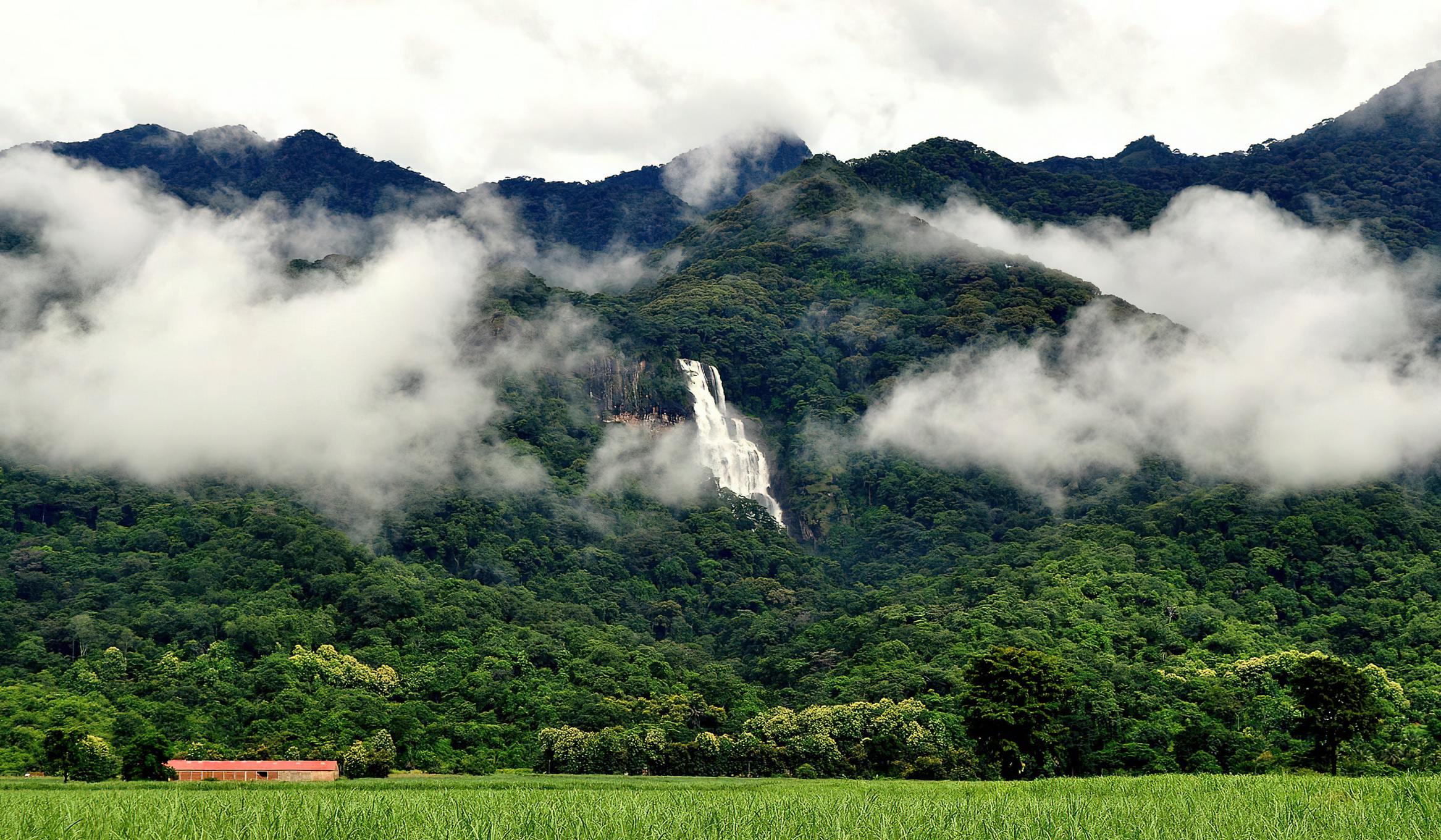
Udzungwa Mountains overview from Safari-tz.com: a roadless forest park in southern Tanzania hiked on foot, from waterfall day trails to peak climbs
Udzungwa Mountains National Park protects a great block of forested mountains rising off the plains of southern Tanzania, and it works differently from every park around it: there are no game-drive tracks inside, no vehicles, and no way to experience it except on foot. TANAPA runs it as a walking park, every hike goes out with an official park guide, and the trail network runs from a half-day waterfall walk to multi-day camping routes onto the high peaks.
The mountains belong to the Eastern Arc, the ancient chain that runs through eastern Tanzania and holds some of the oldest continuously forested slopes in Africa. That age is why scientists take Udzungwa so seriously: species have had long enough here to become found-nowhere-else, including two primates, a partridge unknown to science until the 1990s, and a supporting catalogue of chameleons and plants that keeps researchers coming back annually.
For travellers, the practical shape is simple. The Sanje Falls trail delivers the park's signature day: a forest climb, endemic monkeys overhead if the morning cooperates, and a waterfall dropping off the escarpment into pools below. The multi-day trails deliver the deeper version, camping in high forest with the plains far below.
Safari-tz.com builds Udzungwa into southern itineraries from the Mikumi side, where the park sits within a short drive of the southern circuit's main road
Udzungwa at a Glance (Quick Facts)
Key Facts Before You Hike Udzungwa
Quick Udzungwa facts from Safari-tz.com: a walking-only national park near Mikumi with guided trails, endemic primates and Sanje Falls hikes.
The short version: a walking-only national park in the Eastern Arc, hiked with mandatory park guides, an easy road connection from Dar and Mikumi.
What it is: A forested mountain national park with no internal roads. Everything is done on foot.
The signature hike: The Sanje Falls trail, a guided half-day forest climb to a waterfall dropping roughly 170 metres off the escarpment in stages, with swimmable pools where guides permit.
The big hikes: Multi-day camping routes climb to the park's high peaks through untouched forest. Two to four days depending on route.
The famous residents: Two endemic primates, the Udzungwa red colobus and the Sanje mangabey. Colobus sightings are regular; the mangabey is rare luck.
Escort: An official park guide accompanies every trail, per TANAPA rules. Elephants and buffalo use this forest, so the rule has teeth.
Gateway: Mang'ula, on the park's eastern side, reached by good road from Dar es Salaam via Mikumi.
Best months: June to October for dry trails. The forest is humid in every month; the season decides the mud, not the sweat.
Fitness: Moderate for Sanje Falls, strong for the multi-day routes. Gradients here are honest.
What it is not: A game-drive park. Wildlife is forest wildlife, seen on forest terms.
What Are the Udzungwa Mountains Famous For?
Endemic Primates and a Signature Waterfall
Udzungwa is famous for primates found nowhere else on Earth, the Sanje Falls escarpment drop, and Eastern Arc forests of exceptional endemism.
In scientific circles, the endemism. In hiking circles, the waterfall. Both reputations are earned.
Start with the science, because it explains everything else. The Eastern Arc mountains are old enough that their forests have worked as isolated islands for millions of years, and isolation manufactures species. Udzungwa's own list includes the Udzungwa red colobus, a monkey found only in these mountains; the Sanje mangabey, a primate science only formally described in the late twentieth century after researchers heard its call; and a forest partridge discovered as recently as the 1990s, which tells you how much this forest kept hidden and how recently. When biologists call the Eastern Arc one of the most important forest systems in Africa, Udzungwa is a large part of what they mean.
For hikers, the fame is Sanje Falls: the escarpment drops the river in linked stages, roughly 170 metres in total, and on the approach you often feel the spray drift through the forest before the falls come into view. The pools below the drops offer a swim that ranks among the great mid-hike rewards in Tanzania, conditions and guide judgement permitting.
The quieter fame is the one we sell hardest: this is the rare Tanzanian park where the entire experience happens on foot, and walkers who discover that tend to guard the information like a personal asset.
Where Are the Udzungwa Mountains Located?
Finding Udzungwa on the Tanzania Map
The Udzungwa Mountains rise in southern Tanzania near Mikumi, with the Mang'ula gateway reached by good road from Dar es Salaam in a single day.
Udzungwa rises from the plains of southern Tanzania, and its location is the quiet advantage that separates it from every other wild hike in this country: it is genuinely easy to reach.
The park's eastern gateway at Mang'ula sits just off the main road system running southwest from Dar es Salaam, past Mikumi National Park and on toward the Kilombero valley. That translates into a single, civilised road day from Dar, on predominantly good tarmac, to the foot of mountains that feel a century removed from the highway. Compare that with the flights-and-boats arithmetic of the west or the long southern hauls to the Livingstones, and Udzungwa becomes the accessibility outlier: real forest wilderness, one driving day from the country's biggest city.
Mikumi is the neighbour that shapes most itineraries. The two parks sit close enough that they pair naturally, savannah game drives beside forest hiking, and the same road continues toward Ruaha for travellers building the full southern circuit. The Kilombero valley spreads below the mountains, one of Tanzania's great rice and sugar landscapes, and the view over it from the higher trails is the park's underrated panorama.
The planning consequence: Udzungwa is the rare wilderness hike that does not demand its own expedition. It slots into a southern trip the way a book slots into a shelf, and we build it in exactly that way.
Why Should I Hike the Udzungwa Mountains?
The Case for Tanzania's Walking Park
Why hike Udzungwa: endemic monkeys overhead, a swimmable waterfall, roadless forest and the easiest access of any true wilderness hike in Tanzania.
Because after days of watching Tanzania through a vehicle window, walking into it recalibrates everything, and Udzungwa is the park built for exactly that.
The sensory case comes first. Forest hiking engages what game drives cannot: you hear the colobus before you see them, smell the wet earth after night rain, feel the temperature drop as the trail climbs into older forest. Guests who add a single Udzungwa day to a southern safari consistently describe it as the day their trip acquired texture, and guides notice the same pattern from the other side: people ask better questions on foot.
The wildlife case is specific rather than broad. You will not see elephant herds here the way Mikumi delivers them next door. What you can see is a monkey that exists nowhere else on the planet moving through the canopy above your head, and there is a category difference between viewing wildlife and standing inside its only home. Birders rate the park among Tanzania's serious destinations for the same endemic reasons.
The practical case closes it. One road day from Dar. Pairs with Mikumi across a short transfer. Costs a fraction of the fly-in wildernesses. And carries trail options from half-day to multi-day, so the park scales to the trip you actually have rather than demanding one built around it. Few destinations anywhere offer wilderness at this price of admission.
What Wildlife Can I See in Udzungwa?
Endemic Monkeys First, Forest Rules Always
Udzungwa wildlife: endemic red colobus and Sanje mangabey, forest birds and chameleons, with elephant and buffalo present but rarely seen on trails.
Forest wildlife on forest terms: heard first, seen in glimpses, and better for the earning. Set that expectation and Udzungwa delivers daily.
The primates lead. The Udzungwa red colobus is the realistic star, regularly encountered on the Sanje Falls trail where troops work the canopy, and watching a monkey that lives only in these mountains is the park's core wildlife product. The Sanje mangabey is the connoisseur's target: shy, ground-loving, and famously overlooked by science until researchers recognised its call in the forest, it shows itself rarely and never on schedule. We frame it exactly as we frame every rare animal on this site: you walk through its only habitat, guides know its range, and a sighting is luck to be celebrated rather than a deliverable to be promised. Several other monkey species round out the primate list and keep the canopy busy.
Birdlife is the second act, and for the right traveller the first: Eastern Arc endemics and forest specialists make Udzungwa a destination birders plan around, and briefing us in advance changes the pace and guide assignment accordingly. Lower down the register, the park's chameleons and smaller forest life reward slow walkers with sharp-eyed guides.
The large animals require honest handling. Elephant and buffalo genuinely use this forest, their presence is why every trail carries an official guide, and encountering their signs is common. Encountering the animals themselves is uncommon, and on a walking trail, that is precisely how everyone prefers it.
When Is the Best Time to Hike Udzungwa?
Udzungwa Seasons, Honestly Told
Hike Udzungwa from June to October for the driest trails and safest waterfall pools. Rains bring leeches' weather cousins: mud, spray and slow going.
June to October, the same dry-season logic that governs the whole southern circuit, with a park-specific reason on top: the waterfall pools.
In the dry months the trails firm up, the river runs clear rather than swollen, and the swimming below Sanje Falls is at its safest and most inviting, subject always to the guide's judgement on the day. Dry season also aligns Udzungwa with its natural travel partners, since Mikumi and Ruaha game viewing peaks as water concentrates the animals, so the combined southern itinerary hits all its parks in stride at once.
The rains, arriving in the short burst late in the year and the long soak of early months, change the park's character honestly. The forest goes glossy and loud, the falls thunder at full volume and throw spray far down the trail, and the birding improves. Against that: the paths turn greasy, the steeper sections become slow, careful work, river levels can close the pools to swimming entirely, and the multi-day camping routes become a commitment we only recommend to experienced wet-forest walkers who want that specific version.
The operator note we add from experience: this is escarpment forest, and it manufactures its own showers in any month. A dry-season Udzungwa day can still end damp, which is a packing instruction rather than a complaint, and the mid-hike swim forgives everything anyway.
Is Udzungwa Good for First-Time Hikers?
What the Trails Ask, Route by Route
Udzungwa suits first-time hikers on the Sanje Falls trail; the multi-day peak routes demand real fitness, camping experience and honest self-audit.
Yes on the day trails, with graduated honesty as the routes lengthen. Udzungwa's great virtue is that it scales.
The Sanje Falls trail is the correct first African forest hike for almost anyone of reasonable fitness: a guided half-day with genuine climbing in it, steep and sweaty enough to feel earned, short enough that a slow pace solves everything, and paid off with endemic monkeys, the falls and the swim. Regular walkers handle it comfortably; sedentary travellers finish it proud and damp. Children meet it well, as the families section covers below.
The multi-day routes are a different contract. Two to four days of camping in roadless forest, sustained ascents on wilderness trails, everything you need carried by the party, and the remoteness arithmetic that all real wilderness imposes: the exit from a problem is the trail you came in on. These routes want genuine fitness, prior camping experience, and the temperament that reads that sentence as an invitation. First-timers with strong legs and the right attitude do complete them, but our default advice is to let Sanje Falls audit you first; the mountain grades honestly, and the day trail's steep sections are a fair preview of what the long routes serve continuously.
Our standing request applies here as everywhere: state your real walking history when we plan, not the aspirational version. The forest will conduct its own review regardless, and matching the route to reality beforehand is cheaper than discovering the mismatch on day two.
Is Udzungwa Safe to Hike?
How Risk Is Managed on Forest Trails
Udzungwa hiking safety rests on mandatory park guides, pool-swimming judgement calls, steep-trail pacing and honest preparation for forest terrain.
Udzungwa is among the safer wilderness experiences in Tanzania, precisely because its rules were written for a forest that contains real animals and real gradients.
The guide requirement is the foundation. Every trail, from the shortest waterfall walk to the longest peak route, goes out with an official park guide, and the rule exists because elephant and buffalo use this forest and because escarpment trails deserve professional judgement. The guides read fresh sign, set the pace, and make the calls that matter, including the daily decision on whether the pools below Sanje Falls are swimmable; river levels change that answer, and when the guide closes the water, the water is closed. We repeat that in every briefing because a mid-hike swim is exactly the reward people are reluctant to surrender.
The actual injury ledger here is unheroic: slips on steep wet sections, rolled ankles on root and rock, heat and dehydration on the climbs. Footwear with real tread, poles for the descents, water discipline and guide-set pacing manage nearly all of it. On the multi-day routes, the remoteness multiplier applies and prevention does the work of rescue services, which is why fitness honesty before booking is a safety measure rather than an administrative one.
The site-wide rule closes this section as it closes every safety section we write: medical questions, malaria precautions included for a lowland-forest park, belong with your doctor before travel, not with a safari company.
How Many Days Do I Need in Udzungwa?
One Day, Two Days, or the Full Trek
Udzungwa works as a one-day Sanje Falls stop, a two-day hiking base or a four-day trekking expedition. Safari-tz.com builds all three honestly.
One day works. Two days breathe. Four days disappear into the forest properly. Udzungwa is the rare park where all three answers are honest, and the right one depends on the trip around it.
The one-day version is the southern circuit classic: overnight near Mang'ula, hike Sanje Falls in the morning while the forest is loud and the monkeys are active, swim, and be back on the road toward Mikumi or Ruaha by mid-afternoon. It is a complete experience rather than a compromise, and it is how most of our guests meet the park.
Two days adds a second trail and changes the rhythm. A second morning on a different route, an afternoon in the village belt below the park where the farm-and-forest edge has its own interest, and the whole visit stops feeling like a transit stop. For birders and photographers this is the honest minimum; the forest rewards a second dawn disproportionately.
The multi-day trek is its own holiday: two to four days camping toward the high peaks, the plains falling away below, and the version of Udzungwa that researchers rather than tourists know. It wants the fitness described above and a trip built around it rather than squeezed against it.
Our planning rule of thumb: give Udzungwa one day inside any southern itinerary as a floor, and let your appetite for walking set the ceiling. Nobody has yet reported back that the forest bored them.
What Are the Main Udzungwa Hiking Trails?
The Trail Menu, Honestly Described
Udzungwa's trails run from the half-day Sanje Falls climb to multi-day camping routes onto the high peaks, all guided, all on foot, all forest.
The trail menu runs short to long, and every line on it is guided and on foot.
Sanje Falls is the headline half-day: a steady forest climb on the escarpment's face, red colobus territory the whole way, viewpoints over the Kilombero valley opening as you gain height, and the falls themselves dropping in linked stages with pools below. Allow a generous half day including the swim, longer if your group photographs everything that moves, which in this forest is a defensible life choice.
Above it, the trail network steps up in commitment. Day routes push deeper and higher than the falls circuit for walkers who want a fuller single day, and the multi-day routes climb through the forest zones to the park's high country, camping en route, with the summit routes running two to four days depending on objective and pace. These longer trails cross the park's untouched interior, the part of Udzungwa that made its scientific reputation, and the camping is expedition-grade rather than serviced: what the party needs, the party brings.
Trail availability, camping arrangements and route details are confirmed with the park when we build your itinerary, because a printed trail list ages as park management evolves, and we would rather hand you the current truth than last year's version. Tell us your days and your legs, and we will match the trail to both.
Where Do I Stay for an Udzungwa Hike?
Beds at the Foot of the Forest
Udzungwa hikers stay in simple lodges and guesthouses around Mang'ula at the park's edge, with expedition camping on the multi-day trail routes
The beds cluster at the bottom of the mountains, around Mang'ula and the park's eastern edge, and the southern-circuit calibration speech applies: simple, friendly, and priced accordingly.
The options run from modest lodges to local guesthouses, most within easy reach of the park gate, which is the positioning logic that actually matters here: an early start puts you on the trail in the forest's best hour, when the canopy is loud and the heat is still gathering itself, and staying close to the gate is what makes that start painless. Some places trade on garden settings against the mountain wall, and falling asleep to the escarpment's night sounds is a genuine amenity no star rating captures. What the area does not offer is luxury in the northern-circuit sense, and travellers who need it are better served basing at Mikumi's higher-end camps and taking Udzungwa as the day trip.
On the multi-day routes, accommodation is the tent you brought, pitched at forest campsites, with the crew running meals and camp. Those nights are the product, not the compromise: high Eastern Arc forest after dark is an acoustic experience worth the ground mat.
Capacity around Mang'ula is modest and the good options fill in the dry peak, so this is another southern destination where booking ahead through people who know the ground, which is to say through us, beats optimism at the gate.
Is Udzungwa Suitable for Families?
The Family Answer: Yes, on the Day Trails
Udzungwa suits active families well: the Sanje Falls trail works for school-age walkers, with monkeys, a waterfall and a swim as built-in rewards.
Yes, and more warmly than most wilderness hikes in this country, because Udzungwa's signature day was practically designed by accident for children who like walking.
The Sanje Falls trail is the family product: short enough for school-age walkers with reasonable energy, exciting enough to hold attention the whole way, and structured around rewards a child can bank, monkeys overhead, a viewpoint, a waterfall you hear building for half an hour, and finally a swim. Park guides here are used to family pacing, and a child who arrives with a checklist of forest creatures tends to leave with most of it ticked and a guide-taught fact for every item. Parents consistently report the trail as the day their children stopped tolerating the holiday and started leading it.
The honest boundaries: the climb is real and a child who hates hills will register that opinion on the steep sections; the swim happens only when the guide opens the pools, so brief children in advance that the water is a maybe, not a promise; and the multi-day routes are adult territory, with fit, experienced teenagers considered case by case and the guides' judgement final.
The combination families love: Udzungwa's forest day between Mikumi game drives, so the trip alternates watching animals from a vehicle with walking beneath monkeys on foot. Different muscles, different attention, and by the reunion dinner, competing loyalties.
What Should I Pack for Udzungwa?
Packing for Steep Forest and a Swim
Udzungwa packing list: grippy walking shoes or boots, sweat-ready layers, rain shell, swimwear for the falls, water discipline and binoculars
Pack for a hot, steep forest walk that might end in a swim, and let that sentence do most of the organising.
The day-trail kit: walking shoes or boots with genuine tread, because the escarpment path mixes polished rock, root and clay and punishes smooth soles; lightweight, fast-drying clothing for a climb that generates its own weather in sweat terms; a rain shell in any month, since this forest showers on its own schedule; more water than feels necessary, carried per person rather than per group; and the two items people forget and regret in opposite ways, swimwear for the pools and binoculars for the canopy. A dry bag for phone and camera earns its place at the first spray zone below the falls.
The multi-day addition: proper broken-in boots rather than trail shoes, poles for the long descents, a warm layer for high-forest camp nights that run cooler than the plains suggest, headlamp with spares, personal medication in full supply, and everything packed soft and waterproofed, because it travels on backs through weather.
The subtraction list matters here too. This is a walking park with village lodging; the safari wardrobe theatre stays in the bag, and every kilogram left behind is one nobody hauls up an escarpment. Guests who pack light spend the trail looking up at monkeys. That is the correct direction.
How Much Does an Udzungwa Hike Cost?
What You Are Paying For at Udzungwa
Udzungwa costs combine park fees, mandatory guide fees and modest lodging, making it one of Tanzania's best-value wilderness days. Quotes itemised.
Udzungwa is one of the best-value wilderness experiences in Tanzania, and the cost structure explains why in one line: no flights, no vehicles inside, no premium lodge economy.
The invoice builds from TANAPA park entry fees, the official guide fees that every trail carries, and, on the longer routes, camping fees and crew costs for the multi-day logistics. Around the park, the simple Mang'ula lodging keeps accommodation modest, and the road access from Dar or Mikumi keeps the transfer layer to fuel and hours rather than airfares. The multi-day treks cost more than the day trails for the honest reasons, more park days, more crew, more carrying, and still land far below the fly-in wildernesses, because the access economics never stop working in your favour here.
Figures stay off this page as policy. Park and guide fees are revised on TANAPA's schedule, not ours, and a printed number's only guaranteed property is its expiry. Your quote arrives current and itemised, fees, guiding, lodging and transfers on separate lines, for your exact dates and group.
The value framing we stand behind: measured in wilderness-per-shilling, a Sanje Falls day inside a southern itinerary may be the single best purchase in Tanzanian travel, and the marginal cost of adding it to a Mikumi-Ruaha trip is small enough that leaving it out needs a better reason than most travellers can produce.
How Do I Get to the Udzungwa Mountains?
The Road In, and Why It Is Easy
Reach Udzungwa by road from Dar es Salaam via Mikumi to Mang'ula in a single day, or as a short transfer within a southern circuit itinerary.
By road, in a day, on mostly good tarmac, which by the standards of Tanzanian wilderness access is practically teleportation.
The standard approach runs southwest from Dar es Salaam on the main highway through Morogoro and past Mikumi National Park, where the road itself crosses the park and elephants beside the tarmac serve as the trip's unscheduled opening act, then continues to the Mang'ula side of the mountains. Budget a full but unheroic driving day from Dar; leaving early makes it comfortable, and the Mikumi crossing rewards daylight anyway. Within a southern circuit itinerary the geometry improves further: the transfer from Mikumi's lodges to the park gate is short, and Udzungwa slots between Mikumi and Ruaha with barely a detour.
For travellers avoiding the road, flight-and-drive combinations via the southern airstrips exist and we price them on request, with the honest note that the road option is good enough here that flying is a preference rather than a necessity, a sentence we can write about almost no other wilderness destination on this site.
The timing shape that works: arrive Mang'ula in the afternoon, sleep at the park's edge, and be at the gate for the morning start that puts you in the forest during its loudest, coolest, most generous hour. The road makes Udzungwa easy. The early start is what makes it excellent.
Can Udzungwa Be Combined With Other Parks?
Udzungwa's Place in the Southern Circuit
Combine Udzungwa with Mikumi next door, Ruaha's big game further west, or Nyerere's rivers, adding a walking day to any southern Tanzania safari.
Udzungwa is the southern circuit's change of pace, and it combines with everything around it because it duplicates none of it.
Mikumi is the automatic pairing: next door by southern standards, savannah game drives against forest hiking, and the two-park rhythm of vehicle mornings and walking mornings that guests rate above either park alone. Ruaha extends the same road west into Tanzania's biggest wild card of a park, where the game viewing rises to northern-circuit intensity without northern-circuit company, and a Mikumi-Udzungwa-Ruaha run is the definitive southern road itinerary. Nyerere's river country connects for travellers routing via the boat-and-drive side of the south, and the Udzungwa walking day earns its place in that mix identically.
The subtler combination is thematic. Travellers building Tanzania's walking story can chain Udzungwa's Eastern Arc forest with the southern highlands trio further down the same side of the country, Rungwe's rainforest volcano, Kitulo's flower plateau and the Livingstones' descent to Lake Nyasa, covered on their own pages. That itinerary sees almost no other tourists between its first trail and its last, which for a certain traveller is the entire specification.
The one combination we discourage is the token version: Udzungwa as a lunch-stop glance from the road. The park's minimum honest unit is the Sanje Falls morning. Below that, save it for the trip that deserves it.
Udzungwa vs Tanzania's Other Forest Hikes?
Three Forests, Three Different Days
Udzungwa, Rungwe or Nkungwe? Compare Tanzania's forest hikes by access, difficulty, wildlife and cost to choose the right walking country.
Tanzania's serious forest walking comes in three flavours, and they differ enough that choosing by name alone chooses blind.
Udzungwa is the accessible one: road access from Dar in a day, trails scaling from half-day to full trek, endemic primates with realistic sighting odds on the shortest route, and the lowest cost of entry in the category. It is the forest hike that fits inside another itinerary rather than demanding its own. Rungwe, in the southern highlands, is the immersive one: a one-to-two-day rainforest volcano, wetter and muddier than Udzungwa, kipunji habitat with rarer odds, and the right choice when the south itself is the trip. Nkungwe, in Mahale, is the expedition: fly-in only, camping only, chimpanzee country, and a cost base that makes sense only inside the full western itinerary its own page describes.
The selection logic we use with real clients: adding a walking day to a southern safari, Udzungwa, no deliberation required. Building a highlands trip around forests and villages, Rungwe and its neighbours. Already committed to Mahale's chimps with trekking legs to spare, Nkungwe. Difficulty ranks Nkungwe hardest by remoteness, Rungwe hardest per hour of trail, Udzungwa the most forgiving because it lets you choose your dose.
The common thread is the one this whole cluster keeps proving: Tanzania's forests are the least crowded excellence the country sells, and any of the three repays the walker who shows up.
Why Book Udzungwa With Safari-Tz.Com?
Local Planning for the Walking Park
Book Udzungwa with Safari-tz.com: guide and trail coordination, honest route matching, southern circuit integration and itemised quotes from Arusha.
Udzungwa is simple to visit and easy to get subtly wrong. The failure modes are all small: arriving mid-morning after the forest has gone quiet, promising children a swim the river then cancels, matching a sedentary group to a trail that grades them mercilessly, or treating the park as a photo stop and driving past the best walking day in the south. None of these ruin a trip loudly. They just quietly deliver less than the park had on offer, and the guest never learns what they missed.
Booking with us buys the version where the small things are right: the overnight positioned for the early gate start, the trail matched to your actual legs, the guide arrangements and current fees confirmed with the park rather than assumed, the swim briefed as conditional so nobody's day hinges on river levels, and the whole visit integrated into the southern circuit's rhythm instead of bolted against it. Lead guides Geoffrey Komba, William Mwasimba, and Isaac Munuo oversee our operations, and the southern itineraries carry the same planning discipline as everything we run.
We will also tell you plainly when Udzungwa deserves more days than you were planning to give it, because that conversation happens with almost every hiker we brief, and the ones who listen thank us from the trail.
- Request your free tailor-made safari quote
- Chat with a safari expert on WhatsApp: +255 740 666 662
- info@safari-tz.com
Tell us your dates, your walking appetite, and whether safari, Kilimanjaro or the coast sits on either side. You will get a matched route, the right beds, and an itemised quote