Usangu Game Reserve Safari Guide
usangu game reserve overview
usangu at a glance (quick facts)
what is usangu famous for?
where is usangu located?
why should i visit usangu?
what wildlife can i see at usangu?
when is the best time to visit usangu?
is usangu suitable for first-time visitors?
is usangu safe to visit?
how many days do i need for usangu?
what activities are available at usangu?
where do i stay for usangu?
is usangu suitable for families?
what should i pack for usangu?
how much does a usangu safari cost?
how do i get to usangu?
can usangu be combined with other trips?
usangu vs ruaha national park
why book usangu with safari-tz?
Usangu Game Reserve Overview
Protecting the Source of the Great Ruaha River
Explore Usangu Game Reserve, Tanzania's highland wetland reserve known for wildlife, birdlife and the Great Ruaha River.
Usangu Game Reserve lies within southern Tanzania's Greater Ruaha Ecosystem, protecting the expansive Usangu Plains, one of East Africa's most important wetland and floodplain systems. Once managed as part of Ruaha National Park, the area now forms a separate Game Reserve under the Tanzania Wildlife Management Authority (TAWA), safeguarding critical wildlife habitats and one of the country's most important water catchments.
The reserve combines open floodplains, permanent wetlands, seasonal marshes, grasslands and river systems that create ideal conditions for both large mammals and exceptional birdlife. These habitats also regulate water flowing into the Great Ruaha River, which supports wildlife throughout Ruaha National Park downstream.
Elephants, buffalo, lions, leopards, zebras, giraffes, roan antelope, sable antelope and numerous other species utilise the reserve throughout the year. Seasonal wetlands attract thousands of resident and migratory birds, making Usangu one of southern Tanzania's finest birdwatching destinations.
Unlike Tanzania's more famous safari parks, Usangu remains remarkably uncrowded. Visitors experience peaceful game drives across open plains where wildlife continues its natural behaviour largely undisturbed by tourism.
Safari-TZ recommends Usangu for birdwatchers, photographers, conservation travellers and safari enthusiasts seeking one of southern Tanzania's most important wilderness landscapes.
Usangu at a Glance (Quick Facts)
Everything You Need to Know
Quick facts about Usangu Game Reserve including wildlife, wetlands, birdwatching and safari activities.
The short version: Usangu protects one of East Africa's most important wetlands within the Greater Ruaha Ecosystem.
- Location: Mbeya and Songwe regions, southern Tanzania.
- Management: Tanzania Wildlife Management Authority (TAWA).
- Ecosystem: Greater Ruaha Ecosystem.
- Landscape: Floodplains, wetlands, grasslands and rivers.
- Famous for: Wetlands, elephants, birdlife and water conservation.
- Best months: June to October.
- Activities: Game drives, birdwatching, photography and nature exploration.
- Visitor density: Extremely low.
- Ideal for: Birdwatchers, photographers and experienced safari travellers.
What Is Usangu Famous For?
The Wetland Heart of the Ruaha Ecosystem
Discover why Usangu Game Reserve is famous for wetlands, elephants, birdlife and southern Tanzania safaris.
Usangu is internationally recognised for protecting the Usangu Wetlands, one of Tanzania's most important freshwater ecosystems and the principal water source for the Great Ruaha River. These wetlands support exceptional biodiversity while playing a critical role in maintaining downstream ecosystems throughout Ruaha National Park.
The reserve is also known for healthy populations of elephants, buffalo, zebras, giraffes, lions and several woodland antelope species including roan antelope and sable antelope. During the wet season, seasonal floodplains become important grazing areas that attract wildlife from surrounding landscapes.
Birdwatching is another major attraction. Hundreds of resident and migratory bird species utilise the wetlands, making Usangu one of southern Tanzania's premier destinations for ornithology and wildlife photography.
Perhaps most importantly, Usangu offers genuine wilderness. Visitor numbers remain exceptionally low, allowing guests to experience an ecosystem where conservation continues to take priority over tourism.
Safari-TZ recommends Usangu for travellers seeking ecological diversity, birdlife and authentic southern Tanzania safaris.
Where Is Usangu Located?
Within the Greater Ruaha Ecosystem
Learn where Usangu Game Reserve is located and why it is vital to the Greater Ruaha Ecosystem.
Usangu Game Reserve lies in southern Tanzania across the elevated Usangu Plains, west of Ruaha National Park. The reserve forms an essential component of the Greater Ruaha Ecosystem, helping maintain ecological connectivity between surrounding protected areas while protecting the headwaters of the Great Ruaha River.
The landscape consists of expansive grasslands, permanent wetlands, seasonal marshes, rivers and scattered woodland. Seasonal flooding continually reshapes the plains, influencing wildlife movements and creating ideal conditions for birds and grazing mammals.
Its relatively remote location has helped preserve the reserve's natural character, making Usangu one of Tanzania's least-visited but ecologically most valuable safari destinations.
Why Should I Visit Usangu?
Experience Southern Tanzania's Great Wetlands
Discover why Usangu Game Reserve offers wetlands, wildlife, birdwatching and peaceful safari experiences.
Usangu offers a safari unlike any other in southern Tanzania. Rather than focusing solely on large mammals, the reserve showcases the ecological importance of wetlands that sustain wildlife across the Greater Ruaha Ecosystem.
Visitors enjoy exceptional birdwatching, expansive floodplain landscapes and opportunities to observe elephants, buffalo, antelope and predators in remarkably peaceful surroundings. The reserve's wetlands also create outstanding photographic opportunities, particularly during sunrise and sunset when reflections transform the landscape.
Every visit contributes to protecting one of Tanzania's most important freshwater ecosystems and the rivers that sustain wildlife far beyond the reserve itself.
Safari-TZ recommends Usangu for birdwatchers, conservation-minded travellers, photographers and anyone seeking an authentic safari in one of southern Tanzania's least-explored wilderness areas.
What Wildlife Can I See at Usangu?
The Wildlife of Tanzania's Great Highland Wetlands
Discover Usangu Game Reserve's wildlife including elephants, buffalo, lions, roan antelope, sable antelope, hippos and exceptional birdlife.
Usangu Game Reserve supports one of the richest wildlife communities within the Greater Ruaha Ecosystem. Its combination of permanent wetlands, seasonal floodplains, open grasslands and scattered woodland creates ideal habitat for large mammals, predators and one of Tanzania's finest concentrations of waterbirds.
Elephants are among the reserve's most frequently encountered animals. Family herds move across the floodplains while travelling between grazing areas and permanent water sources. African buffalo also occur in impressive numbers, often forming large herds that utilise the open grasslands during the dry season.
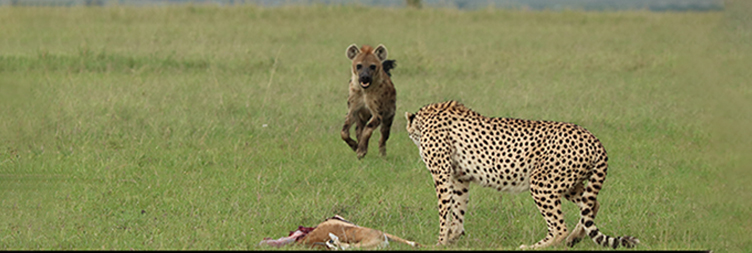
Predators remain an important part of the ecosystem. Lions patrol the floodplains and grasslands where herbivores gather, while leopards prefer woodland edges and riverine vegetation. Spotted hyenas are regularly observed, particularly during the cooler hours of the day when wildlife activity increases.
Usangu is especially important for several antelope species. Roan antelope, sable antelope, common eland, reedbuck, waterbuck, impala and zebra thrive across the reserve's varied habitats. During wetter months, the floodplains provide abundant grazing that attracts both resident and seasonally moving wildlife.
Permanent wetlands support healthy populations of hippopotamuses, while crocodiles inhabit major rivers and waterways throughout the reserve.
Birdlife is one of Usangu's defining attractions. Hundreds of resident and migratory species utilise the wetlands each year, including African fish eagles, crowned cranes, saddle-billed storks, pelicans, herons, egrets, ibises, kingfishers, jacanas and numerous ducks and waders. During the Green Season, breeding activity transforms the wetlands into one of southern Tanzania's most rewarding birdwatching destinations.
Safari-TZ encourages visitors to experience Usangu as a complete wetland ecosystem where water, grassland and woodland combine to sustain remarkable biodiversity throughout the year.
When Is the Best Time to Visit Usangu?
Choosing the Right Season for Your Safari
Learn the best time to visit Usangu Game Reserve for wildlife viewing, birdwatching, photography and wetland safaris.
Usangu offers rewarding safari experiences throughout the year, although seasonal rainfall dramatically influences wildlife movements, birdlife and the appearance of its wetlands.
The dry season, from June through October, provides the most reliable wildlife viewing. As seasonal floodwaters recede, elephants, buffalo and antelope become easier to locate around permanent water sources. Open grasslands improve visibility while cooler temperatures make game drives especially comfortable.
The Green Season, from November through May, transforms Usangu into an expansive wetland landscape. Seasonal flooding revitalises the plains, attracting migratory birds from across Africa and Eurasia while creating ideal breeding conditions for many resident species.
Birdwatchers often prefer the Green Season because nesting behaviour, colourful breeding plumage and increased species diversity make wildlife observation particularly rewarding. Photographers also appreciate the dramatic skies, reflections and vibrant green landscapes that characterise this period.
Although wildlife becomes more widely dispersed during wetter months, experienced safari guides adapt routes according to seasonal conditions, ensuring productive game drives throughout the year.
Safari-TZ generally recommends June through October for first-time visitors focused on classic wildlife viewing, while birdwatchers and photographers frequently favour the Green Season.
Is Usangu Suitable for First-Time Visitors?
Discovering Southern Tanzania's Wetland Wilderness
Discover whether Usangu Game Reserve is suitable for first-time safari travellers seeking peaceful wildlife and birdwatching experiences.
Yes, especially for travellers who appreciate wildlife, wetlands and authentic wilderness experiences beyond Tanzania's better-known safari destinations.
Unlike the northern safari circuit, Usangu offers a slower pace where wildlife encounters unfold naturally across expansive floodplains and wetlands. Guides have time to explain ecological relationships, seasonal water cycles and the importance of the Great Ruaha River without the distractions of busy tourism.
The reserve is particularly rewarding for visitors interested in birdwatching, conservation and landscape photography. Observing elephants crossing wetlands or cranes feeding across the floodplains creates a safari experience that differs significantly from Tanzania's more traditional game-viewing destinations.
Travellers whose primary objective is witnessing the Great Migration may prefer beginning with Serengeti National Park. However, those seeking peaceful wildlife encounters, ecological diversity and one of Tanzania's finest wetland systems often discover that Usangu offers an equally memorable safari.
Safari-TZ frequently recommends combining Usangu with Ruaha National Park to experience two contrasting yet interconnected ecosystems within southern Tanzania.
Is Usangu Safe to Visit?
Exploring the Wetlands Responsibly
Learn about safari safety in Usangu Game Reserve including game drives, wetlands and responsible wildlife viewing.
Usangu offers a safe safari experience when explored with qualified professional guides who understand both the reserve's wildlife and its changing wetland environments.
Game drives are conducted in specially equipped safari vehicles that provide excellent visibility while maintaining safe distances from wildlife. Guests should remain inside the vehicle during wildlife encounters unless instructed otherwise by their guide.
Because wetlands support hippopotamuses and crocodiles, visitors should never approach rivers, marshes or permanent water bodies without professional supervision. Guides carefully select safe observation points while ensuring rewarding wildlife experiences.
Walking safaris, where authorised by reserve management, are always conducted by qualified armed guides who introduce visitors to wetland ecology, birds, plants and smaller wildlife while maintaining internationally recognised safety standards.
Safari-TZ works exclusively with experienced safari professionals who prioritise guest safety while preserving the authentic wilderness experience that makes Usangu unique.
How Many Days Do I Need for Usangu?
The Ideal Length of Stay
Plan your Usangu safari with recommendations for two to four nights depending on wildlife, birdwatching and photography interests.
A stay of two nights provides an excellent introduction to Usangu while allowing sufficient time for multiple game drives across its floodplains, wetlands and surrounding grasslands.
Travellers particularly interested in birdwatching, wildlife photography or wetland ecology often benefit from three nights, giving guides greater flexibility to explore different habitats during changing light conditions and seasonal wildlife movements.
Usangu combines naturally with Ruaha National Park, allowing visitors to experience two complementary ecosystems within the Greater Ruaha landscape. While Ruaha is renowned for its rugged terrain and large predator populations, Usangu introduces visitors to extensive wetlands, exceptional birdlife and the ecological importance of Tanzania's major water catchments.
Longer itineraries also provide opportunities to appreciate the reserve's peaceful atmosphere while observing how seasonal flooding influences wildlife behaviour throughout the ecosystem.
Safari-TZ carefully tailors every itinerary according to your interests, seasonal conditions and travel schedule, ensuring you have the ideal amount of time to discover one of southern Tanzania's most remarkable conservation areas.
What Activities Are Available at Usangu?
Explore Tanzania's Great Highland Wetlands
Discover the best activities in Usangu Game Reserve including game drives, birdwatching, photography and nature exploration.
Usangu offers a safari experience centred on wetlands, seasonal floodplains and one of Tanzania's most important freshwater ecosystems. Rather than focusing solely on large mammals, visitors discover how rivers, marshes and grasslands support remarkable biodiversity throughout the Greater Ruaha Ecosystem.
Game drives remain the principal activity. Morning excursions often reveal elephants crossing open plains, buffalo grazing fresh grasslands and predators returning from overnight hunting. During the afternoon, wildlife gathers around rivers and permanent wetlands, providing excellent opportunities for observation and photography.
Birdwatching is one of Usangu's greatest highlights. The reserve supports hundreds of resident and migratory bird species throughout the year. African fish eagles, crowned cranes, saddle-billed storks, pelicans, herons, egrets, jacanas, ibises, kingfishers and numerous waterfowl make every outing rewarding for both experienced ornithologists and casual bird enthusiasts.
Wildlife photography benefits from the reserve's expansive landscapes and peaceful atmosphere. The combination of reflective wetlands, dramatic skies and abundant wildlife creates outstanding opportunities throughout both the dry and Green Seasons.
Where authorised by reserve management, guided nature walks provide a closer look at wetland ecology, birdlife, native vegetation and animal tracks. Led by qualified guides, these experiences offer insights into the ecological processes that sustain one of East Africa's most important water catchments.
Safari-TZ plans every activity according to seasonal water levels, wildlife movements and your personal interests, ensuring every safari showcases the unique character of Usangu.
Where Do I Stay for Usangu?
Comfort in Southern Tanzania's Wetland Wilderness
Explore accommodation near Usangu Game Reserve including safari camps, wilderness lodges and southern Tanzania stays.
Accommodation around Usangu reflects the reserve's remote wilderness character. Rather than large tourism developments, visitors stay in carefully selected safari camps and lodges that combine comfort with close connections to nature.
Many properties are located within the wider Greater Ruaha Ecosystem, allowing travellers to combine multiple protected areas while minimising travel time. Comfortable guest rooms, experienced guides and personalised hospitality provide an excellent base for exploring southern Tanzania.
Luxury tented camps create an immersive safari atmosphere where evenings are accompanied by the sounds of frogs, birds and distant wildlife across the floodplains. Permanent safari lodges provide additional amenities while maintaining the peaceful environment that defines Usangu.
Safari-TZ recommends accommodation according to wildlife access, seasonal conditions and your preferred travel style rather than simply selecting the nearest property. Our goal is to maximise wildlife viewing while ensuring exceptional comfort and service.
Because accommodation remains limited throughout this region of southern Tanzania, early reservations are highly recommended, particularly during the dry season.
Is Usangu Suitable for Families?
Learning Together in Nature
Discover whether Usangu Game Reserve is suitable for families, children and educational wildlife safaris.
Yes, especially for families with older children who enjoy wildlife, birdwatching and learning about conservation.
Usangu offers an excellent outdoor classroom where guides explain wetland ecology, animal behaviour and the importance of protecting freshwater ecosystems. Children often enjoy identifying waterbirds, observing elephants on the floodplains and learning how rivers sustain wildlife across southern Tanzania.
Game drives can be adapted to suit younger travellers, allowing regular stops for wildlife observation, photography and interpretation. The reserve's peaceful atmosphere also gives families time to appreciate wildlife without feeling rushed.
Some activities, including guided walking safaris where permitted, may have minimum age requirements depending on reserve regulations and accommodation policies. Safari-TZ confirms these details during itinerary planning to ensure all experiences are appropriate for participating family members.
Families wishing to experience a wider variety of habitats often combine Usangu with Ruaha National Park, creating an itinerary that balances wetlands, rivers and classic African savannah.
What Should I Pack for Usangu?
Preparing for Southern Tanzania's Wetlands
Pack for Usangu Game Reserve with safari clothing, binoculars, camera equipment and practical travel essentials.
Packing for Usangu should reflect both traditional safari conditions and the reserve's wetland environment.
Neutral-coloured clothing remains the preferred choice throughout your safari. Lightweight long-sleeved shirts and breathable trousers help protect against sunshine and insects while remaining comfortable during warm afternoons. Early mornings during the dry season can be cool, making a lightweight jacket or fleece useful.
Good binoculars are highly recommended, particularly for birdwatching across wetlands where many species are observed at a distance. Wildlife photographers should carry additional batteries, memory cards and waterproof protection for camera equipment during the Green Season.
Comfortable walking shoes are ideal for exploring safari camps and participating in authorised guided walks. A wide-brimmed hat, sunglasses, sunscreen, insect repellent and a reusable water bottle all contribute to a comfortable safari experience.
Guests travelling during wetter months should also include a lightweight waterproof jacket for occasional rain showers.
Safari-TZ provides every guest with a personalised packing checklist before departure, tailored to travel dates, accommodation and planned activities.
How Much Does a Usangu Safari Cost?
Planning Your Southern Tanzania Adventure
Learn what influences Usangu safari prices including accommodation, transport, conservation fees and seasonal travel.
A safari to Usangu is typically planned as part of a broader southern Tanzania itinerary. Overall costs depend on accommodation standards, transportation, conservation fees, guiding services and the duration of your safari.
Accommodation generally represents the largest portion of the overall investment. Guests may choose between intimate safari camps, comfortable wilderness lodges and luxury tented accommodation according to their preferred level of comfort.
Transportation also contributes significantly to safari costs. Many visitors combine Usangu with Ruaha National Park, using domestic flights and professionally guided road transfers to maximise time in the wilderness.
Government conservation fees, professional guiding services and seasonal demand also influence pricing. The dry season generally commands the highest demand, while Green Season departures may provide greater flexibility and excellent value for birdwatchers and photographers.
Safari-TZ believes every quotation should be transparent and personalised. Rather than publishing fixed package prices that may change with seasonal rates or conservation fees, we prepare detailed proposals outlining accommodation, transportation, park fees, guiding services and optional activities so you understand exactly what is included before confirming your safari.
How Do I Get to Usangu?
Reaching Southern Tanzania's Highland Wetlands
Learn how to reach Usangu Game Reserve by road or air from Ruaha, Iringa and southern Tanzania for an unforgettable safari.
Usangu Game Reserve lies within southern Tanzania's Greater Ruaha Ecosystem, making it accessible by both road and domestic air connections when incorporated into a professionally planned safari itinerary.
Most visitors reach the reserve by flying to nearby airstrips serving the Ruaha region before continuing by professionally guided four-wheel-drive safari vehicle. These scenic transfers pass through rolling highlands, villages, woodland and open plains before entering the remarkable Usangu wetlands.
Travellers exploring southern Tanzania by road often combine Usangu with Ruaha National Park, allowing both destinations to be visited within a single itinerary while reducing travel time between protected areas.
Road conditions are generally most favourable during the dry season from June through October. During the Green Season, seasonal flooding may affect certain access roads, although experienced safari guides continually monitor conditions and adjust travel routes where necessary.
Safari-TZ carefully coordinates every transfer to maximise time spent enjoying wildlife while ensuring safe, comfortable and efficient travel throughout southern Tanzania.
Can Usangu Be Combined With Other Trips?
Building the Perfect Southern Tanzania Safari
Combine Usangu with Ruaha, Nyerere, Udzungwa and Mikumi for an unforgettable southern Tanzania safari.
Usangu combines exceptionally well with several of southern Tanzania's premier safari destinations, creating journeys that showcase extraordinary ecological diversity.
The most natural pairing is Ruaha National Park. Together they form part of the Greater Ruaha Ecosystem, where elephants, predators and antelope move naturally between connected habitats. Ruaha offers rugged baobab landscapes and exceptional predator sightings, while Usangu introduces visitors to expansive wetlands, floodplains and one of Tanzania's most important freshwater ecosystems.
Travellers wishing to extend their southern Tanzania adventure often continue to Nyerere National Park, where the Rufiji River system provides opportunities for boat safaris alongside traditional game drives.
Another rewarding extension is Udzungwa Mountains National Park, renowned for endemic primates, rainforest hiking and spectacular waterfalls. The contrast between wetlands and montane forest creates one of Tanzania's most diverse nature itineraries.
For travellers exploring by road, Mikumi National Park provides another excellent addition, offering open plains and classic wildlife viewing that complement Usangu's wetland habitats.
Safari-TZ designs every itinerary according to seasonal wildlife movements, road conditions and guest interests, ensuring each destination contributes something unique to your safari.
Usangu vs Ruaha National Park
Two Landscapes Within One Ecosystem
Compare Usangu Game Reserve and Ruaha National Park to choose the southern Tanzania safari that best suits your interests.
Although Usangu Game Reserve and Ruaha National Park belong to the same ecosystem, they provide distinctly different safari experiences.
Ruaha National Park is Tanzania's largest national park and is internationally recognised for its rugged terrain, ancient baobab trees, large elephant populations and exceptional predator sightings. Its rocky escarpments, river valleys and dry woodland create ideal conditions for lions, leopards, cheetahs and African wild dogs.
Usangu Game Reserve, by contrast, revolves around seasonal floodplains, wetlands and highland grasslands. Wildlife is closely linked to water availability, making the reserve particularly attractive for birdwatchers, photographers and travellers interested in freshwater ecosystems.
Both destinations support elephants, buffalo, lions and antelope, yet the landscapes and safari experiences differ significantly. Ruaha emphasises classic big-game safaris across rugged terrain, while Usangu showcases the ecological importance of wetlands and one of Tanzania's most vital water catchments.
Rather than choosing one destination over the other, Safari-TZ recommends combining both reserves. Together they provide a comprehensive understanding of southern Tanzania's remarkable ecological diversity.
Why Book Usangu With Safari-TZ?
Discover Southern Tanzania with Local Expertise
Book your Usangu safari with Safari-TZ for personalised itineraries, expert guides and authentic southern Tanzania adventures.
Usangu rewards careful planning. Seasonal flooding, wildlife movements, accommodation availability and access routes all influence the quality of a safari, making local expertise especially valuable.
Safari-TZ designs every Usangu itinerary according to current field conditions rather than fixed schedules. Our team considers seasonal birdlife, wildlife activity, accommodation logistics and your personal interests to ensure every safari captures the reserve at its very best.
Professional guiding is central to every journey. Our experienced guides explain not only wildlife sightings but also the ecological importance of the Usangu Plains and their role in sustaining the Great Ruaha River and the wider Greater Ruaha Ecosystem.
Transparency defines every booking. Each quotation clearly outlines accommodation, transportation, conservation fees, guiding services and optional activities, ensuring you know exactly what is included before confirming your safari.
Ready to explore one of Tanzania's most important wetland wildernesses?
- Request a tailor-made quote (fastest, best for a real plan)
- WhatsApp: +255 740 666 662
- Email: info@safari-tz.com
Share your travel dates, accommodation preferences and wildlife interests, and Safari-TZ will design a personalised Usangu safari showcasing one of southern Tanzania's most remarkable conservation landscapes.