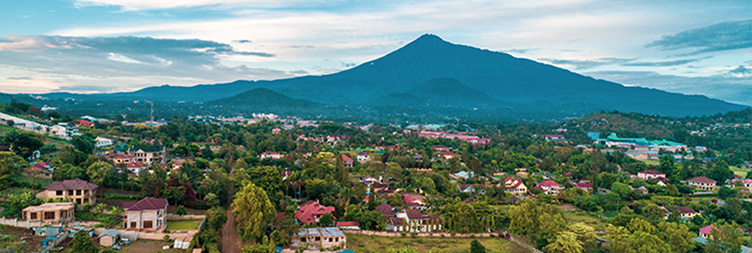
Things to Do in Arusha, Tanzania
canoeing on lake duluti
full-day walking safari, arusha national park
arusha city tour (half day)
canoeing in arusha national park
kilimanjaro scenic flight
arusha maasai market
short walking safari, arusha national park
climbing mount longido
arusha mountain bike tour
horseback riding near arusha
meserani snake park & maasai museum
tanzanite museum, arusha
coffee plantation visit, arusha
arusha city tour (full day)
napuru waterfalls hike
cultural heritage centre
old boma natural history museum
arusha declaration museum
shanga & shanga foundation
the school of st jude
arusha giraffe centre
themi falls leisure park
twiga brewery and pub
arusha village experience
visit the maasai at a maasai lodge
arusha national park day safari
explore ngurdoto crater
birdwatching around arusha
climb mount meru
mount meru day hikes
quad biking near arusha
ziplining at mto wa mbu
arusha local food tour
materuni waterfalls day trip
chemka (kikuletwa) hot springs
lake natron excursion
ol doinyo lengai trek
safari day trips from arusha
mto wa mbu cultural tour
spa & wellness in arusha
sundowners with mount meru views
golf at kilimanjaro golf club
Canoeing on Lake Duluti
A gentle 1.5-hour paddle 20 minutes from town
Canoe Lake Duluti, a forest crater lake 20 minutes from Arusha. A calm 1.5-hour paddle past kingfishers and fish eagles, safe for families.
Duluti is the canoe trip we recommend first, and for a specific reason: it is a small volcanic crater lake with no hippos and no crocodiles, so the water is genuinely calm and safe. That makes it the right choice for families, nervous paddlers and anyone who is not a strong swimmer. You will have a life jacket and a guide in any case.
It sits about 15 kilometres east of Arusha in the Tengeru area, a 20-minute drive from town. The paddle runs around an hour and a half across glassy water ringed by forest, with more than 130 bird species on the reserve — giant kingfishers, fish eagles and darters are the regulars. Go in the morning for the stillest water; late afternoon brings hundreds of cattle egrets in to roost on the island.
Most guests pair the canoe with a short walk through the surrounding forest reserve, which we fold into a relaxed half-day. We handle the transfer and the timing. Pricing on request.
Full-Day Walking Safari, Arusha National Park
On foot with an armed ranger, 6 to 8 hours
Spend a full day on foot in Arusha National Park with an armed ranger — giraffe, buffalo, Ngurdoto Crater and the Momella Lakes on a 6 to 8 hour walk.
Walking inside a national park is something you cannot do on a normal game drive, and Arusha NP is the closest place to do it, roughly an hour from town. A full day covers six to eight hours on foot, so a reasonable level of fitness matters. This is not a stroll.
An armed park ranger walks with you the whole way. That is not us being cautious — it is a TANAPA requirement for any walking safari, and it is the reason you can get close to giraffe, buffalo, zebra and warthog safely. The route typically takes in the Ngurdoto Crater rim, the Momella Lakes and a forest waterfall, with blue and colobus monkeys overhead and, on a good day, flamingo on the lakes.
The air up here is cool and the light is excellent for photography. Go in the dry months if you can, because forest trails turn slippery in the long rains. We arrange the ranger, the park fees and the transfer. Pricing on request.
Arusha City Tour (Half Day)
Market, school, church and a Twiga Brewery tasting
A half-day Arusha city tour: local market, school and church, finishing with a tasting at Twiga Brewery. Family-friendly, year-round, easy pace.
This is the easy half-day, the one that works on an arrival afternoon or while you are waiting on a later flight. Over about four to five hours a guide walks you through the side of Arusha most visitors never see: a working local market, a school and a church, before finishing at Twiga Brewery.
The brewery stop is the one people remember. You get a behind-the-scenes look at how the beer is made and a tasting flight of four freshly tapped Twiga brews, for over-18s. Bring the kids along too; they get soft drinks and a supervised playground while the adults taste.
No fitness or health considerations beyond comfortable shoes and a little cash for the market. It is year-round and pairs naturally with a Maasai market browse if you want a fuller morning. We provide the guide and transfers. Pricing on request.
Canoeing in Arusha National Park
A wilder paddle with wildlife on the shore
Canoe the Momella Lakes inside Arusha National Park with an armed ranger — hippo, buffalo, giraffe and flamingo along the shoreline. A wilder option.
If Lake Duluti is the calm option, this is the wild one. Canoeing on the Momella Lakes happens inside Arusha National Park, so an armed ranger comes aboard and there is real wildlife along the shoreline — flamingo working the shallows, giraffe and buffalo at the water’s edge, and hippo in some stretches. You stay on the water; they stay on land.
The park is about an hour from Arusha. Plan on roughly an hour and a half to two hours paddling, framed by Mount Meru when the cloud lifts. Dry-season visits give the clearest views and the firmest launch points.
This suits travellers who want scenery with an edge of bush to it rather than a purely relaxing float, and it slots neatly alongside a walking safari in the same park. We handle park entry, the ranger and transfers. Pricing on request.
Kilimanjaro Scenic Flight
See the glaciers without climbing the mountain
A 45-minute scenic flight over Kilimanjaro’s peaks and glaciers from Arusha. Best on clear dry-season mornings, ideal for those who will not climb.
For travellers who are drawn to Kilimanjaro but have no intention of climbing it, a scenic flight is the honest shortcut. In about 45 minutes a light aircraft circles the mountain, showing you the glaciers and the different faces in one pass — the kind of view climbers spend a week and a lot of effort to earn.
One piece of straight advice: timing decides everything. Cloud builds over the summit by mid-morning on most days, so we push for early-morning slots in the dry seasons, when the peak is most likely to be clear. Book it in the wrong week and you may see more cloud than mountain. We would rather tell you that up front than have you disappointed.
It is not for anyone who is uneasy in small planes. For everyone else it is a genuine highlight, and easy to attach to a wider northern-circuit trip. Flights depart from Arusha. Pricing on request.
Arusha Maasai Market
Carvings, fabric and beadwork, with a guide to haggle
Browse the Arusha Maasai curio market for carvings, kanga fabric and beadwork. Go with a guide who helps you bargain a fair price. Allow 1 to 2 hours.
Arusha’s curio market is loud, colourful and, for first-timers, a little overwhelming, which is exactly why going with a guide helps. The stalls overflow with Makonde carvings, paintings, kanga and kitenge fabric and stacks of beaded jewellery, and prices start high and negotiable.
Your guide’s real job here is the haggling. They know roughly what each piece should cost and will steer you to a fair price rather than the tourist one, while you practise a few words of Swahili with sellers who genuinely enjoy the back-and-forth. Bring small denominations of cash; cards are not much use stall to stall.
Allow an hour or two. It is a natural bolt-on to a city tour and a good place to clear your souvenir list in one go. We can include it with a guide and transfer. Pricing on request.
Short Walking Safari, Arusha National Park
A bite-size walk for limited time or energy
A shorter 1.5 to 4 hour guided walking safari in Arusha National Park, with an armed ranger and the same wildlife on foot. Ideal when time is tight.
Not everyone has a full day or the legs for it, and the short walking safari exists for exactly that. It runs anywhere from ninety minutes to four hours in Arusha National Park, with the same armed ranger leading the way and the same chance of meeting giraffe, zebra, warthog and the blue monkeys that move through the canopy.
You cover less ground than the full-day route, so you trade some distance for an easier pace. That makes this the better pick for families, for travellers easing in on day one, or for anyone fitting a walk around a flight. You will still pass forest, open glades and, with luck, a view over the Momella Lakes.
Dry-season footing is firmer and the experience more comfortable. As with any walk in the park, the ranger and park fees are part of what we arrange, along with your transfer. Pricing on request.
Climbing Mount Longido
A steep 2,637m climb with Maasai warrior guides
Hike Mount Longido (2,637m) near the Kenya border, 80km from Arusha. A steep one or two-day climb with Maasai guides, and a Kilimanjaro warm-up.
Longido is a proper hill, not a gentle walk, and that is the appeal. The rocky 2,637-metre summit stands alone on the Maasai plains about 80 kilometres north of Arusha, a 1.5 to 2-hour drive toward the Kenyan border at Namanga. The climb gains more than 1,300 metres, much of it steep, through dry bush into rainforest where buffalo are often around.
Maasai warriors guide the route, which is part of why it is worth doing over a generic day hike. You can push to the top and back in one long day, but most people camp a night near the summit; the sunset and sunrise above the cloud, with Kilimanjaro and Meru on the horizon, are the payoff. Plenty of Kilimanjaro climbers use it as an acclimatisation hike first.
Two field warnings: there is no drinking water on the route, so you carry your own, and the sun exposure is heavy. Go in the dry season. We organise guides, permits, camping and transfers. Pricing on request.
Arusha Mountain Bike Tour
Easy riding past coffee and banana farms
A relaxed half-day mountain bike tour from Arusha along flat farm tracks, past coffee and banana plantations and local villages. Easy terrain.
This is less about the riding and more about what you ride through. The route follows narrow paths and flat tracks on the outskirts of Arusha, threading between coffee and banana smallholdings and through a handful of villages where ordinary life carries on around you. The terrain is relatively easy, so you do not need to be a cyclist. Basic fitness covers it.
Shade trees line a good part of the way, which is welcome in the warmer months. You will stop to look at how coffee and bananas are grown, and there is usually time to talk with people along the route. It is the kind of half-day that gives you a feel for the region a vehicle never will.
Better in the dry season, when the tracks are firm rather than muddy. Bikes, helmets and a guide are included in what we set up, with transfer to the start. Pricing on request.
Horseback Riding near Arusha
Ride through plains game on a Meru estate
A guided horseback safari on an estate 45 minutes from Arusha, near Mount Meru. Routes for beginners and experienced riders, with plains game around.
Riding through African bush on horseback gets you closer to grazing wildlife than a vehicle ever can; animals read a horse very differently to an engine. The base is an estate about 45 minutes from Arusha, on the untouched country around Mount Meru.
The rides split by ability, which is the sensible part. Less confident riders stay on wider, open paths where you can still watch wildebeest and antelope graze nearby. Stronger riders take the narrow, meandering tracks and tend to see more — zebra, gazelle and the occasional larger plains game. Either way a guide rides with you.
Wear long trousers and closed shoes; helmets are provided. There is no special health requirement beyond being comfortable on a horse for the time you book. It is an easy half-day and a genuine change of pace from game drives. We arrange the riding, guide and transfer. Pricing on request.
Meserani Snake Park & Maasai Museum
Reptiles, Maasai culture and a camel ride
Visit Meserani Snake Park 25km west of Arusha — venomous snakes, crocodiles, a Maasai cultural museum and an optional camel ride to a village.
This is the one to know if you are heading west toward the Serengeti and Ngorongoro anyway. Meserani Snake Park sits 25 kilometres along the Dodoma road, a 30 to 45-minute drive from Arusha, so it slots in as a first-morning stop before a longer transfer. It is open daily from 7:30am to 6pm.
Inside are around 48 snake species — black and green mamba, Egyptian cobra, puff adder — plus crocodiles you can watch at the afternoon feed, usually around 3pm, and a tortoise enclosure. A Maasai guide takes you through the cultural museum with its mock-ups of bush and home life, and there is an optional 30-minute camel ride out to a nearby Maasai village and back, which the kids tend to love.
It is a relaxed, family-friendly half-day, fine year-round though more comfortable in the dry season. We can build it into a park transfer or run it as a standalone trip with guide and transport. Pricing on request.
Tanzanite Museum, Arusha
See the gem mined only in Tanzania
Visit Arusha’s tanzanite museum to see the rare violet-blue gem mined only in Tanzania, walk a replica mine shaft, and buy a certified stone. Indoor, 1 hour.
Tanzanite is found in exactly one place on earth, a small patch of ground near Kilimanjaro, which is what makes this small museum in Arusha worth an hour. You can see and handle the violet-blue stone, walk through a replica mine shaft, and follow how it is dug, graded and cut.
Because it is indoors, it is the obvious move for a rainy spell or the hot middle of the day when other activities flag. It also answers a practical question for buyers: where to purchase a stone you can trust. Bought here, with proper certification, you avoid the guesswork of street sellers, and you will understand what you are paying for, since the colour grading is explained as you go.
No fitness or health considerations at all. It pairs easily with a city tour or a market visit. We can include it with a guide and transfer. Pricing on request.
Coffee Plantation Visit, Arusha
From bean to cup on a working farm
Tour a working coffee plantation near Arusha — see how arabica is grown, harvested and roasted, then taste fresh kahawa. Half-day, harvest season best.
The slopes around Arusha and Moshi grow some of Tanzania’s best arabica, and a plantation visit walks you through the whole chain, from the cherries on the bush to the cup in your hand. Many lodges in the area sit on working farms, so it is an easy, unhurried half-day.
Honest seasonal note: the full picking-and-processing demonstration depends on harvest, which in these highlands runs mainly through the second half of the year. Visit outside that window and you will get the theory — how the different beans behave, what shapes the flavour, how the beans are dried and roasted — rather than the live harvest. Either way the tasting at the end is the same: properly fresh kahawa, brewed in front of you.
It is a gentle activity with no fitness or health demands, good for a slower day or a recovery afternoon. We arrange the farm, guide and transfer. Pricing on request.
Arusha City Tour (Full Day)
Markets, culture, coffee and a local lunch
A full-day Arusha city tour taking in the market, a school, a church and a coffee plantation, with a Tanzanian lunch and a drink at a local pub.
The full-day version of the city tour is for travellers who want to actually settle into Arusha rather than tick it off. It covers the same market, school and church as the half-day, then keeps going, out to a coffee plantation, with a proper Tanzanian lunch built into the middle of the day and a drink at a local pub to close.
What the extra hours buy you is the unhurried bit: time to talk to people, to eat where locals eat rather than at the lodge, and to see how the town and the surrounding farms connect. It is culture at walking pace, not a checklist.
It runs year-round and asks nothing of you physically beyond comfortable shoes and an appetite. This is the one to choose on a full free day in Arusha, an arrival day with time to spare, or a buffer day before flights. Guide, lunch and transfers are part of what we set up. Pricing on request.
Napuru Waterfalls Hike
A 4km forest hike to a hidden waterfall
Hike to the Napuru (Mount Meru) waterfalls near Arusha — about 4km and 1.5 to 2 hours each way through forest to a cascade and pool. Sturdy shoes needed.
A short drive from Arusha on the lower slopes of Mount Meru, the Napuru waterfalls make a satisfying half-day for anyone who would rather walk than ride. The trail runs about four kilometres each way, roughly an hour and a half to two hours in each direction, through forest, across streams and over rocky sections that get genuinely steep in places.
A local English-speaking guide leads the way and fills in the plants, the wildlife and why the mountain matters to the people who live below it. The reward at the turnaround is a waterfall dropping into a cool, quiet pool, mist and all. Sit, cool off, then head back.
Wear proper hiking shoes; this is the one activity here where flimsy footwear will let you down, especially after rain when the rocks are slick. Moderate fitness is enough, you do not need to be a mountaineer. We provide the guide and transfer to the trailhead. Pricing on request.
Cultural Heritage Centre
Africa’s landmark art gallery and craft market
Visit the Cultural Heritage Centre on Arusha’s Dodoma road — a Kilimanjaro-shaped art gallery over five floors, craft market, tanzanite vault and restaurant.
You will spot this one from the road — the main building is shaped like Kilimanjaro’s Uhuru Peak, about 10 kilometres west of town on the Dodoma road, the same direction as Meserani and Shanga. Inside is one of the largest collections of African art on the continent: five floors of paintings, Makonde and Verdite carvings, ceremonial masks and even antique carved doors from Zanzibar.
Alongside the gallery sits a sprawling craft market and a tanzanite and jewellery section, so it doubles as the serious place to shop in Arusha. There is a restaurant and coffee bar for when you flag, and a museum wing dedicated to Jane Goodall’s conservation work.
Two practical notes: cameras are not allowed inside the gallery, and card payment is unreliable, so carry cash for anything you want to buy. Give it a couple of hours. Because it is indoors it is a good call on a wet or hot afternoon, and it lines up neatly with Meserani or Shanga on the same road. We arrange the visit, guide and transfer. Pricing on request.
Old Boma Natural History Museum
Human origins inside a 1900 German fort
Arusha’s Natural History Museum sits in the German-built Old Boma (1900) — human-evolution fossils, Olduvai finds, wildlife displays and colonial history.
The oldest building in Arusha is the Old Boma, a squat German fort finished in 1900 to keep watch over the Meru and Arusha people. Since 1979 it has housed the town’s Natural History Museum, set in a quiet, tree-lined corner at the top of Boma Road in the city centre.
The collection runs across three buildings. The standout is the wing on human evolution — fitting, given how much of what we know came out of the ground in Tanzania, including a replica of the famous Olduvai skull. The others cover the region’s history and its wildlife, with a small botanical garden outside.
It is a compact visit, an hour or so, and being indoors it works well on a hot midday or a wet morning. Pair it with the Arusha Declaration Museum if 20th-century history interests you — the two cover different eras. We can include it with a guide and transfer. Pricing on request.
Arusha Declaration Museum
Tanzania’s 1967 turning point, told in full
The Arusha Declaration Museum tells the story of Tanzania’s independence and Nyerere’s 1967 Arusha Declaration, with photographs, artefacts and politics.
Where the Old Boma covers deep history, the Arusha Declaration Museum picks up the twentieth century — the independence struggle and the 1967 Arusha Declaration, the speech in which Julius Nyerere set out his vision of self-reliance and ujamaa that shaped modern Tanzania. It stands near the Declaration monument in the centre of town.
Inside are photographs, artefacts and displays tracing the country from colonial rule to independence and the politics that followed. It is a modest museum rather than a grand one, so set your expectations to a focused 45 minutes to an hour, but for anyone curious about why Tanzania turned out the way it did, it is the clearest place to start.
Indoor and central, it slots easily into a city tour or a museum afternoon alongside the Old Boma. We arrange entry, a guide and transfer. Pricing on request.
Shanga & Shanga Foundation
Meet the artisans behind the glass and beads
Visit Shanga at Arusha Coffee Lodge — a workshop where 50+ artisans with disabilities craft glass, beads and weaving from recycled materials. Free tour.
Shanga is the rare attraction that does real good and is genuinely worth your time. Set in the grounds of Arusha Coffee Lodge, on the Dodoma road near the airport, it is a working craft workshop where more than fifty artisans — most of them deaf or living with disabilities — turn recycled glass, bottles and metal into jewellery, glassware and homewares.
The free guided tour takes you through the glass-blowing, beadwork, weaving and Tinga Tinga painting areas, where you can watch people at work and even try a craft or a quick sign-language lesson yourself. It is open seven days a week from 9am to 4:30pm, and the shop sells everything made on site — not the cheapest gifts in town, but the money goes straight back into the enterprise. Allow one to two hours. There is a restaurant and coffee on the grounds, and it sits a short hop from the Cultural Heritage Centre. Families take to it especially well. We can arrange the visit and transfer. Pricing on request.
The School of St Jude
See free education changing local lives
Tour The School of St Jude in Moshono, Arusha — a charity school giving 1,800+ of the region’s poorest children a free education. Day and overnight visits.
This is not a tourist attraction in the usual sense — it is a working charity school, and visiting it tends to be the part of Arusha people remember most. Founded in 2002 by Australian Gemma Sisia with three children, The School of St Jude now gives a free, high-quality education to more than 1,800 of the region’s brightest but poorest students at its Moshono campus, below Mount Meru.
The school actively welcomes visitors — over a thousand a year — and has a dedicated team who build your visit around what you want: sitting in on classes, meeting students who guide you themselves, home visits to families, even overnight stays. There is an on-site gallery of student artwork.
It works as a half-day or longer, and it asks nothing physically beyond an open mind. Booking ahead matters, since visits are arranged around the school day and term calendar. We coordinate the visit and transfer. Pricing on request.
Arusha Giraffe Centre
Rescued giraffes and a conservation walk
Walk with rescued giraffes at the Arusha Giraffe Centre, off the Serengeti road — a conservation and regenerative-farming sanctuary. About 75 minutes.
A small, personal alternative to the bigger attractions: the Arusha Giraffe Centre is a sanctuary a few kilometres off the Serengeti road, where rescued giraffes — saved by Tanzanian wildlife authorities from human-wildlife conflict zones — live on protected farmland with Mount Meru behind them.
A guided bush walk lets you see them up close, though one honest point: these are wild-living animals, so there is no feeding or touching. You watch them on their terms, which is rather the point. The English hosts fold in a talk on giraffe conservation and the regenerative farming the centre is built around — it bills itself as Tanzania’s first regeneration education hub — usually over tea and snacks on the porch.
The whole visit runs about an hour and a quarter, which makes it an easy, gentle outing rather than a full day, and families with children take to it well. We arrange the visit and transfer. Pricing on request.
Themi Falls Leisure Park
A green city escape with a short waterfall hike
Themi Falls Leisure Park in Arusha — ten acres of gardens, a Swahili restaurant and a short hike to a waterfall fed by Mount Meru. A relaxed half-day.
For a green breather without leaving the city, Themi Falls Leisure Park is about ten acres of gardens, walking trails and a Swahili restaurant in Arusha’s northern suburbs, just off the Arusha–Moshi highway. The food leans organic, much of it grown on site, and there is a botanical and butterfly garden to wander.
The draw is the Themi Waterfall, fed by a stream off Mount Meru and reached by a short downhill hike of about fifteen minutes. It is a modest fall, not a thunderous one, but the setting is pretty and it makes a good picnic spot. The path is short but uneven, so it is not ideal for anyone who struggles on rough ground.
Dry-season visits are more comfortable; the trail and gardens are at their best then. It is an easy, low-key half-day close to town. We can arrange the visit and transfer. Pricing on request.
Twiga Brewery and Pub
Behind the scenes of a local Arusha brewery
Tour Twiga Brewery in Arusha and taste a flight of four freshly tapped local beers, with a pub and playground on site. Over-18s for tasting; family-friendly.
Twiga turns up on the half-day city tour, but it is worth knowing as a standalone too — a working local brewery in Arusha where you can go behind the scenes and see how the beer is made before sitting down to a tasting flight of four freshly tapped Twiga brews. Tasting is for over-18s.
What makes it easy is that it is built for groups and families rather than serious-drinker territory. The kids come along to a supervised playground with complimentary soft drinks while the adults work through the flight, and the on-site pub is a relaxed spot to land for an hour or two.
There are no real seasonal or fitness considerations — it is an any-time, easy outing, and a good low-effort evening after a long travel day or before an early start. We can arrange a visit on its own or fold it into a city tour, with transfers. Pricing on request.
Arusha Village Experience
A day inside a local Mount Meru village
Spend a day in a village on Mount Meru’s slopes near Arusha — farming, cooking, crafts and daily life through the region’s cultural tourism programmes.
This is the antidote to seeing Arusha only through a vehicle window. On the green lower slopes of Mount Meru sit a handful of villages — Ilkiding’a, Ng’iresi, Mulala and others — that run community-led cultural tourism programmes, and a day spent in one is as close as most visitors get to ordinary Tanzanian life.
What you do depends on the village and what you are after: walking the farms and irrigation furrows, learning to cook a local meal, watching or trying a craft, hearing how the Meru and Arusha people have farmed these slopes for generations. A local guide from the village leads it, and the fees go back into the community rather than to an outside operator.
It is easy walking, suitable for families, and works as a half or full day. The dry months are more comfortable underfoot. Tell us the kind of experience you want and we will match the village and arrange the guide and transfer. Pricing on request.
Visit the Maasai at a Maasai Lodge
Maasai culture in the steppe near Kilimanjaro
Spend a day or stay with the Maasai at Amini or Osiligilai Maasai Lodge in the steppe between Kilimanjaro and Meru — dances, bush walks and real daily life.
This is the deeper, lodge-hosted version of a Maasai visit — and a different thing from the Mount Meru village programmes above. Both Amini Maasai Lodge and Osiligilai Maasai Lodge sit out in the Maasai steppe between Kilimanjaro and Meru, towards West Kilimanjaro, an hour to two and a half hours from Arusha depending on the route, the last stretch often on dirt. That distance is the trade-off: it is not a quick morning out, so it works best as a full day or, better, an overnight to wake up to Kilimanjaro over the plains.
Both are Maasai-built and Maasai-run. Amini was founded through an Austrian charity and channels its income into a local hospital and school, so your visit does measurable good; expect bush walks with a medicine man, spear throwing, dancing and storytelling. Osiligilai, near Sanya Juu, is a locally owned eco-lodge with warrior-led nature walks out to its strange ‘rock trees’, bonfire nights, and giraffe and zebra on the surrounding steppe.
Either way you are with Maasai hosts on their own ground, not at a staged roadside boma. Best in the dry season for both the drive and the mountain views. We arrange the day visit or overnight stay with transfers. Pricing on request.
Arusha National Park Day Safari
Three habitats and Meru, an hour from town
A game-drive day safari in Arusha National Park — Ngurdoto Crater, Momella Lakes and Mount Meru, with giraffe, buffalo and flamingo. An hour from town.
Arusha National Park is the one most safari itineraries skip, and that is exactly its charm — it is quiet, an hour from town, and packs three different worlds into a small space: the grassy Ngurdoto Crater, the alkaline Momella Lakes, and the forested foot of Mount Meru. A game drive here turns up giraffe, buffalo, zebra, warthog, colobus and blue monkeys, and flamingo on the lakes.
Be clear-eyed about what it is not: there are no lion and you will rarely see elephant, so this is not a Big Five park. What it offers instead is variety, real scenery, and the fact that you can get out of the vehicle — it is the one northern park where walking and canoeing are on the table alongside the drive.
A half day covers it comfortably; a full day lets you add a walk or a paddle. Dry-season light is best and forest tracks firm up. We arrange the vehicle, guide, park fees and transfer. Pricing on request.
Explore Ngurdoto Crater
A forest-walled caldera and clifftop viewpoints
See Ngurdoto Crater in Arusha National Park — a forest-rimmed caldera nicknamed the ‘Little Ngorongoro’, viewed from clifftop points around the rim.
Tucked inside Arusha National Park, Ngurdoto Crater earns its nickname — the ‘Little Ngorongoro’ — from its shape: a forest-walled caldera around three kilometres across with a green, swampy floor. The honest detail most listings skip is that you do not drive down into it. The crater floor is fully protected, so you take it in from a series of clifftop viewpoints around the rim, watching buffalo, warthog and baboon move across the marsh far below.
That makes it a viewpoint stop rather than a destination in itself, which is why it sits naturally inside a wider Arusha National Park day rather than as a trip of its own. The rim forest is thick with birdsong and colobus monkeys.
Clear, dry-season mornings give the best views before the haze builds. We fold it into your Arusha NP drive or walk, with guide and transfer. Pricing on request.
Birdwatching around Arusha
Hundreds of species across lakes and forest
Arusha is a top East African birding base — flamingo on the Momella Lakes, forest birds at Lake Duluti and Arusha NP, with hundreds of species nearby.
For birders, Arusha is one of the easiest high-yield bases in East Africa — you can build a long list without driving far. The alkaline Momella Lakes inside Arusha National Park hold flamingo and a shifting cast of waterfowl; Lake Duluti’s forest reserve alone logs well over 130 species, from giant kingfishers to fish eagles; and the montane forest on Meru’s slopes adds turacos, trogons and highland specials. Across the wider area the list runs into the hundreds.
One seasonal truth worth knowing: the green months from roughly November to April bring migrants and breeding plumage and are the richest for birding, even if the going is wetter underfoot. The dry season is still strong for residents and easier for walking.
We pair you with a guide who actually knows the calls and the spots rather than a general driver. It works as a focused half or full day, or threaded through other activities. Pricing on request.
Climb Mount Meru
A 3–4 day trek and the best Kili warm-up
Climb Mount Meru (4,566m) over 3–4 days from Momella Gate, with wildlife on the lower slopes and an armed ranger. The best acclimatisation before Kilimanjaro.
Meru is the great underrated trek of northern Tanzania, and the smartest thing a Kilimanjaro climber can do beforehand. At 4,566 metres it is the country’s second-highest mountain, climbed over three or four days from Momella Gate inside Arusha National Park, an hour from town.
What sets it apart is the start: the lower slopes are full of wildlife, so an armed ranger walks the first day with you past buffalo and giraffe — you genuinely trek through a game park before the forest gives way to heath and the bare ash cone. Summit night follows a dramatic knife-edge crater rim to Socialist Peak for dawn, with Kilimanjaro floating across the plains. The altitude profile makes it the best acclimatisation climb there is before Kili.
This is a real mountain, not a hike — you need decent fitness, and summit night is cold and long. Climb in the drier months and avoid the long rains. We arrange guides, ranger, park fees, huts and transfers. Pricing on request.
Mount Meru Day Hikes
Forest walks without committing to the summit
Short guided day hikes on Mount Meru’s forested lower slopes near Arusha — waterfalls, wildlife and views, with no multi-day summit commitment.
Not everyone wants three days and a summit, and Meru’s lower slopes reward a single morning just as well. Day hikes here climb through fertile farmland into montane forest, taking in waterfalls, birdlife and the occasional colobus, with the big mountain looming above and the plains opening up behind you.
A local English-speaking guide leads, and the going is easy to moderate — a few hours rather than a slog — so it suits families and casual walkers who simply want to stretch their legs in beautiful country. The Napuru waterfall walk is one version of this; there are gentler and longer options depending on your energy.
The dry season gives firmer footing; forest trails turn slick in the rains. It is an easy half-day from town. We arrange the guide and transfer. Pricing on request.
Quad Biking near Arusha
Off-road through farms and Meru foothills
Ride an ATV through Mount Meru’s foothills near Arusha — farm tracks, villages and the Napuru waterfall area on a 4–5 hour guided quad bike tour. Easy to ride.
For travellers who want a jolt of adrenaline between game drives, quad biking is the easy off-road option around Arusha. The ATVs are automatic and genuinely simple to ride after a short safety briefing, so you do not need experience — a guide leads the whole way.
Routes run through the foothills of Mount Meru, along farm tracks and dirt trails, past villages and out toward the Napuru and Mount Meru waterfall country. Plan on four to five hours including the briefing. It is fast and fun, and it reaches scenery that vehicles on the main roads miss.
A few honest notes: there are weight limits, you will not ride if you have been drinking, and the dry season trades mud for dust — either way you will come back dirty and grinning. Good for families with teenagers. We arrange the bikes, gear, guide and transfer. Pricing on request.
Ziplining at Mto wa Mbu
Zip between baobabs below the Rift wall
Zip through baobab canopy at Mto wa Mbu, at the foot of the Rift Valley wall — four to five lines and a suspension bridge, often paired with a Lake Manyara day.
Tanzania’s one zipline sits about two hours from Arusha at Mto wa Mbu, strung through ancient baobabs at the foot of the Great Rift Valley wall — so it is really a day trip out, best paired with Lake Manyara or a Mto wa Mbu village tour rather than done on its own.
The course runs four to five lines and a suspension bridge, with an open-air ride out to the platforms and a safety orientation first. It is well run and family-friendly — children manage it happily — and the views over the wetlands, lakes and Maasai steppe from the cables are the real reward. The project also funds a local school, so the money does some good.
Wear trousers and closed shoes. It is open through the day, the dry season being the more comfortable for the drive and the heat. We build it into a Manyara or Mto wa Mbu day with transfers. Pricing on request.
Arusha Local Food Tour
Nyama choma, mishkaki, chapati and pilau
Eat your way through Arusha on a local food tour — nyama choma, mishkaki, chapati, pilau, tropical fruit and Tanzanian coffee, with a guide who knows the spots.
The fastest way into a place is through what it eats, and Arusha’s food is better and more varied than most visitors realise. A food tour takes you to the grills and hole-in-the-wall spots locals actually use: nyama choma carved straight off the fire, mishkaki skewers, hot chapati, fragrant pilau, piles of fresh tropical fruit, and proper Tanzanian coffee to finish.
The point of going with a guide is partly the stories and partly the practical filter — they steer you to the busy, clean, high-turnover places where the food is freshest, which matters when you are eating street-side. You will eat well and not spend the next day regretting it.
It is a relaxed half-day, fine year-round, and a genuine antidote to lodge buffets. Tell us about any dietary needs and we will plan around them. We arrange the guide and transfer. Pricing on request.
Materuni Waterfalls Day Trip
An 80m falls, a Chagga village and coffee
A day trip to Materuni Waterfalls near Moshi — an 80m fall, a Chagga coffee-village tour and a swim, easily combined from Arusha with Chemka hot springs.
Materuni is the classic full-day combo trip, and although the falls sit on Kilimanjaro’s slopes near Moshi — about an hour and a half from Arusha — plenty of our Arusha-based guests make the run for it. The reward is a single dramatic waterfall, somewhere around seventy to eighty metres, dropping into a cold plunge pool you can swim in after a short forest hike.
The other half of the day is the Chagga coffee-village experience: you walk through a working smallholding, then take part in the traditional roasting, grinding and the song that goes with it, finishing with a cup of what you have just made. Many people add the Chemka hot springs on the way back.
It is a long but rewarding day, so treat it as a full-day outing rather than a quick morning. Dry season is kinder for the hike and the swim. We arrange the guide, village fees and transfer. Pricing on request.
Chemka (Kikuletwa) Hot Springs
A warm, palm-fringed swim between safaris
Swim in the turquoise Chemka (Kikuletwa) Hot Springs between Arusha and Moshi — warm, crystal-clear spring water under fig and palm trees. A relaxed day trip.
Chemka — properly Kikuletwa — is the place to wash the safari dust off. It is a spring-fed pool of startlingly clear, turquoise water out on the plains between Arusha and Moshi, ringed by fig trees and palms with a rope swing over the deep end. The water is warm rather than hot, which is the honest correction to the ‘hot springs’ name; it is comfortable, not a soak.
Little fish will nibble your feet if you stay still, the kids love it, and it is simply a lovely spot to float for a few hours. It pairs naturally with the Materuni waterfalls on the same side of the region.
Two field notes: the drive is around an hour and a half to two from Arusha with a bumpy final stretch, and weekends get busy with locals — go early or on a weekday to have the place closer to yourself. Bring swimwear and a towel. We arrange the transfer and guide. Pricing on request.
Lake Natron Excursion
Soda lake, waterfalls and a 2–3 day trip
A multi-day trip to Lake Natron north of Arusha — flamingo breeding grounds, Engare Sero waterfalls and stark Rift scenery below Ol Doinyo Lengai.
Lake Natron is the most otherworldly corner of northern Tanzania, and an honest word first: it is not a day trip. It lies three to four hours north of Arusha on rough roads, so plan on at least one overnight to do it any justice.
The lake itself is a vast, blood-red soda flat, too caustic for most life — which is exactly why it is the single most important breeding site for East Africa’s lesser flamingos, who gather here in their hundreds of thousands. The trip usually folds in a hike up the Engare Sero gorge to a chain of waterfalls, the brooding cone of Ol Doinyo Lengai on the skyline, and time with the Maasai who live out here.
It is hot, stark and remote, and flamingo numbers swing with the season, so we set expectations honestly before you commit. Dry season is best for the roads. We arrange the full overnight excursion with guide, camp or lodge and transfers. Pricing on request.
Ol Doinyo Lengai Trek
A brutal night climb up an active volcano
Trek Ol Doinyo Lengai near Lake Natron — a steep overnight climb up Tanzania’s only active volcano, started at midnight to reach the crater rim for sunrise.
Ol Doinyo Lengai is Tanzania’s only active volcano — the Maasai call it the Mountain of God — and it still erupts a rare, cool black lava found almost nowhere else on earth. Climbing it is one of the hardest things you can do in the north, and we will say so plainly.
The ascent is brutally steep on loose ash and rock, and because the daytime heat is punishing you start around midnight, head-torch on, to reach the crater rim for sunrise over the Rift Valley and Lake Natron. There is no shade and no easy section. You need to be genuinely fit and steady on your feet; this is not a casual hike.
It sits beside Lake Natron in the far north, so it is climbed as part of a multi-day trip from Arusha rather than alone. Dry season only, for footing and safety. We arrange guides, the overnight logistics and transfers. Pricing on request.
Safari Day Trips from Arusha
Big-game days out from your Arusha base
Day-trip safaris from Arusha to Tarangire, Lake Manyara and Ngorongoro Crater — long but rewarding full-day game drives in the northern parks.
Arusha is the gateway to the northern circuit, and the big parks are close enough to visit in a single day if your time is tight. Three work as day trips. Tarangire, about two hours south, is all giant baobabs and some of the largest elephant herds in Tanzania, especially in the dry season when game packs onto the river. Lake Manyara, a similar distance, is a compact park known for flamingo-fringed shallows and its tree-climbing lions. Ngorongoro Crater, the famous Big Five caldera and a UNESCO site, is the showpiece.
One honest piece of planning: Ngorongoro as a day trip means roughly three hours each way and a pre-dawn start, so while it is very doable, an overnight makes it far more relaxed. Tarangire and Manyara sit easier inside a single day.
Each of these parks has its own full guide on our site, which is the place to go for routes, seasons and what you will see [link to the Tarangire, Lake Manyara and Ngorongoro pages]. Here, the point is simply that you can base in Arusha and still get serious game time. We arrange the vehicle, guide, park fees and transfers. Pricing on request.
Mto wa Mbu Cultural Tour
A many-tribe village of farms and markets
A cultural tour of Mto wa Mbu near Lake Manyara — a multi-tribal village of farms, markets, banana beer and food, often paired with a Manyara safari.
Mto wa Mbu is one of the most culturally dense spots in Tanzania — a single village at the foot of the Rift Valley wall, near Lake Manyara, that is home to people from a remarkable number of the country’s tribes living side by side. A guided tour on foot or by bicycle takes you through irrigated farms, rice paddies and banana groves, the busy local market, and the painting and craft workshops the place is known for.
The food is the highlight for many: tasting local dishes and the famous banana beer, made and explained by the people who brew it. It is community-run, so your visit supports the village directly.
It lies about two hours from Arusha on the road to the parks, so it is usually paired with a Lake Manyara safari or the nearby zipline rather than visited alone. Easy walking, good for families, fine year-round. We arrange the guide and transfer. Pricing on request.
Spa & Wellness in Arusha
Recover before or after your safari or climb
Unwind at an Arusha lodge spa — massages and wellness treatments to recover before a safari or after a Kilimanjaro climb. Easy to arrange around your trip.
Not every ‘thing to do’ needs to be active. Several of the lodges and hotels around Arusha have proper spas, and a massage or wellness treatment is one of the best uses of a spare half-day — particularly if your legs have just carried you up Kilimanjaro or Meru, or you have a long flight at either end of the trip.
Options run from a straightforward lodge massage to fuller wellness menus with saunas and treatments, depending where you are based. It is the kind of thing that is easy to build into a buffer day or a slow afternoon between game drives, and it is exactly what a tired body wants after summit night.
There are no seasonal considerations here, and we can arrange it at your own lodge or a nearby spa to suit your schedule. Pricing on request.
Sundowners with Mount Meru Views
A drink at golden hour over the estates
End the day with sundowners over Mount Meru and Arusha’s coffee estates — golden-hour drinks at a lodge terrace or viewpoint. A simple, memorable evening.
The sundowner is a safari ritual for good reason, and Arusha does it well — the light at the end of the day turns Mount Meru gold and, on the clearest evenings, lights up Kilimanjaro on the far horizon. A drink in hand on a lodge terrace or a quiet viewpoint over the coffee estates is a fine way to bookend a day.
It asks nothing of you and works on almost any evening — an arrival day to ease into the trip, or a last night before flying home. The one variable is the sky: the dry months give the cleanest mountain views, while the green season trades some clarity for dramatic cloud and colour.
We can set it up at your lodge or take you to a viewpoint with the best aspect. Pricing on request.
Golf at Kilimanjaro Golf Club
18 championship holes between two mountains
Play Kilimanjaro Golf Club at Usa River near Arusha — Tanzania’s first 18-hole championship course, par 72, set between Mount Meru and Kilimanjaro.
Tanzania’s first eighteen-hole championship course sits at Usa River, about half an hour from both Arusha and Kilimanjaro airport, on the Kilimanjaro Golf & Wildlife Estate — 1,040 acres of bush strung between Mount Meru and Kilimanjaro.
The par-72 course was designed by David Jones, the former Irish national coach, and is good enough to host the country’s tournaments — large greens built to international standard, water in play, and a striking island green at the eighteenth. Caddies are on hand, the clubhouse has a restaurant and bar, and with more than 200 bird species on the estate it is a pleasant round even on an off day. It is open to the public.
On clear mornings both mountains are in view, though haze and cloud can hide them, so manage that expectation. Wear closed shoes and book ahead. We arrange the round, clubs if needed and transfer. Pricing on request.