Things to Do in Mbeya, Tanzania
hike to ngozi crater lake
explore kitulo national park
visit the mbozi meteorite
mbeya peak & the mountains
tour tea & coffee estates
mbeya city & markets
villages & highland culture
Hike to Ngozi Crater Lake
Africa’s great emerald crater
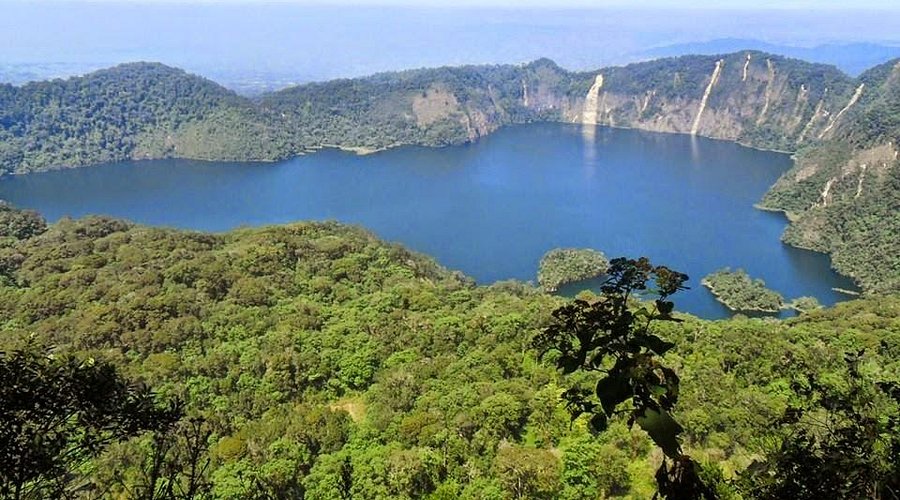
Hike to Ngozi Crater Lake near Mbeya — the second-largest crater lake in Africa, a deep emerald pool ringed by forest in the Poroto Mountains.
The jewel of the Mbeya highlands is Ngozi Crater Lake — also spelled Ngosi — the second-largest crater lake in all of Africa, cradled in the forested Poroto Mountains south-west of the city. Reaching it is half the pleasure: a scenic trail of a couple of kilometres climbs through lush, bird-filled montane forest to the crater rim, where the land suddenly falls away to reveal a vast, deep pool of shimmering emerald-green water far below.
Wrapped in local legend — the lake is sacred to the people here, its waters said to change colour and to hold healing powers — it is a genuinely otherworldly place, and the wider highlands hold other pretty crater lakes for gentler nature walks.
It is admired from the forested rim, as the descent to the water is steep and rarely attempted; the walk up is a moderate one, best with a local guide and sturdy shoes, and can be misty or muddy after rain. A memorable half-day. We arrange the hike. Pricing on request.
Explore Kitulo National Park
A national park for flowers
Explore Kitulo National Park near Mbeya — the 'Serengeti of Flowers' and Africa's first park for plants, where 350+ species bloom from November to April.
Unlike any other park in Tanzania, Kitulo protects not big game but flowers. Known to botanists as the ‘Serengeti of Flowers’ and to locals as Bustani ya Mungu, the Garden of God, it was the first national park in Africa created specifically to conserve wild plants — a high, rolling plateau of montane grassland where, between November and April, more than 350 plant species erupt into bloom, among them over forty kinds of wild orchid.
Walking or riding across these flower-strewn meadows at nearly three thousand metres, with the rare blue swallow overhead and the endangered kipunji monkey in the forests below, is one of the most unusual experiences in the country.
Set your expectations accordingly: this is a botanical and hiking park, not a wildlife safari — you come for the flowers, the birds and the walking, not the Big Five — and the display is seasonal, at its peak in the rains. It lies a few hours east of Mbeya, so plan a full day and dress for cold and wet. We arrange the trip. Pricing on request.
Visit the Mbozi Meteorite
A giant fallen from space
Visit the Mbozi meteorite near Mbeya — one of the largest on earth, a 16-tonne mass of iron that fell thousands of years ago, now a locally sacred site.
For something completely different, head south-west of Mbeya to the Mbozi meteorite — one of the largest meteorites on earth, and one of very few of this size you can walk right up to and touch. This colossal mass of iron, weighing around sixteen tonnes, crashed to earth thousands of years ago and lay half-buried on Marengi Hill until it was described by scientists in 1930; long before that it was known and revered by local people, who call it Kimwondo and treat the site as sacred.
Standing beside a lump of the solar system this ancient and this vast, still resting where it fell, is a genuinely humbling and slightly surreal experience.
In truth it is a single remarkable object rather than a day’s outing — a quick, memorable stop, free to visit but needing your own transport — so we usually fold it into the drive out west. Great fun, especially for families and the curious. We arrange it. Pricing on request.
Mbeya Peak & the Mountains
Hiking the highland peaks
Hike Mbeya Peak and the Poroto Mountains — highland trails and ridge viewpoints over the Rift Valley, from a gentle climb to the 2,800m summit of the range.
Mbeya is cradled by mountains, and walking them is the best way to feel the highlands. Rising right behind the city is Loleza Peak, an accessible half-day climb, while north-west stands Mbeya Peak itself — at around 2,820 metres the highest of the range and a rewarding full-day hike to a summit with views clear across the highlands to distant Lake Rukwa. All around roll the forested Poroto Mountains, laced with trails, viewpoints and birdsong.
The land here is torn dramatically by the Great Rift Valley, and a scenic drive along the escarpment — all sweeping panoramas and folded geology — is spectacular, especially in the clear air of the dry season.
These are proper mountain walks that reward a reasonable level of fitness and a local guide, but the cool climate makes them a pleasure at any time of year. From a gentle stroll to a hard climb, there is a route for everyone. We plan it. Pricing on request.
Tour Tea & Coffee Estates
The taste of the highlands
Tour Mbeya's tea and coffee estates — walk the plantations, learn how highland arabica is grown and taste it at source, in a leading tea and coffee region.
The cool, wet, fertile hills around Mbeya are among Tanzania’s finest for tea and coffee, and a plantation visit is one of the region’s gentle pleasures. You can walk the neat green terraces of a tea estate, follow the coffee from bush to cup on a working arabica farm, and — best of all — taste the highland coffee at source, freshly roasted, with the plantation spread out around you.
Several estates welcome visitors for guided tours, and one or two offer lovely places to stay right among the coffee, making an unhurried base for exploring the highlands.
This is real, working farm country rather than a manicured attraction, which is exactly its charm, and Mbeya arabica holds its own against any in the country. A relaxed and delicious half-day. We arrange estate visits and stays. Pricing on request.
Mbeya City & Markets
The hub of the highlands
Explore Mbeya city — a lively highland hub below Loleza Peak, with busy produce markets, craft stalls and restaurants serving the region's fine dairy and fruit.
Mbeya city itself, spread along a green highland valley beneath the wall of Loleza Peak, is a busy, fast-growing hub — the commercial heart of the Southern Highlands and the gateway to Zambia and Malawi beyond. It is a working city rather than a polished tourist town, and the fun of it lies in its markets, heaped with the extraordinary bounty of the surrounding farmland, its craft stalls, and the viewpoints that look out over the whole valley.
That fertile country eats well. The highland cuisine leans on wonderful fresh produce — avocados, bananas, vegetables — alongside nyama choma and ugali, some of the best dairy in Tanzania, and, naturally, the local coffee and tea.
Treat the city as a comfortable, characterful base between mountain days rather than a sight in itself, and its energy and setting grow on you. A market wander and a good local meal round off a day nicely. We can arrange a guided visit. Pricing on request.
Villages & Highland Culture
Life in the green hills
Visit highland villages around Mbeya — community tours of coffee-growing farms, meeting the Nyakyusa and Safwa peoples, with local crafts and rural scenery.
To meet the people of the highlands, head out to the villages that farm these fertile hills. Community-led tours take you among the Nyakyusa, Safwa and Nyiha peoples — farmers who have worked this cool, rich country for generations — to see traditional farming and coffee-growing, meet families, watch crafts being made, and simply walk the beautiful rural landscape.
Run through local cultural-tourism groups, these visits are genuine and welcoming, and the money stays in the community.
They pair naturally with a coffee-farm tour or a mountain hike, adding a human dimension to the scenery, and offer an honest, unhurried look at life in Tanzania’s Southern Highlands. Among the most rewarding things you can do here. We set it up respectfully. Pricing on request.