Things to Do in Morogoro, Tanzania
hike the uluguru mountains
visit choma waterfalls
enjoy the mountain viewpoints
experience chilunga cultural tourism
visit sokoine university
market & local cuisine
safari in mikumi national park
explore udzungwa mountains
safari in nyerere national park
Hike the Uluguru Mountains
Ancient peaks and endemic forests
Hike the Uluguru Mountains above Morogoro — guided day hikes and treks to Morningside and Bondwa Peak through Eastern Arc rainforest, past Luguru villages.
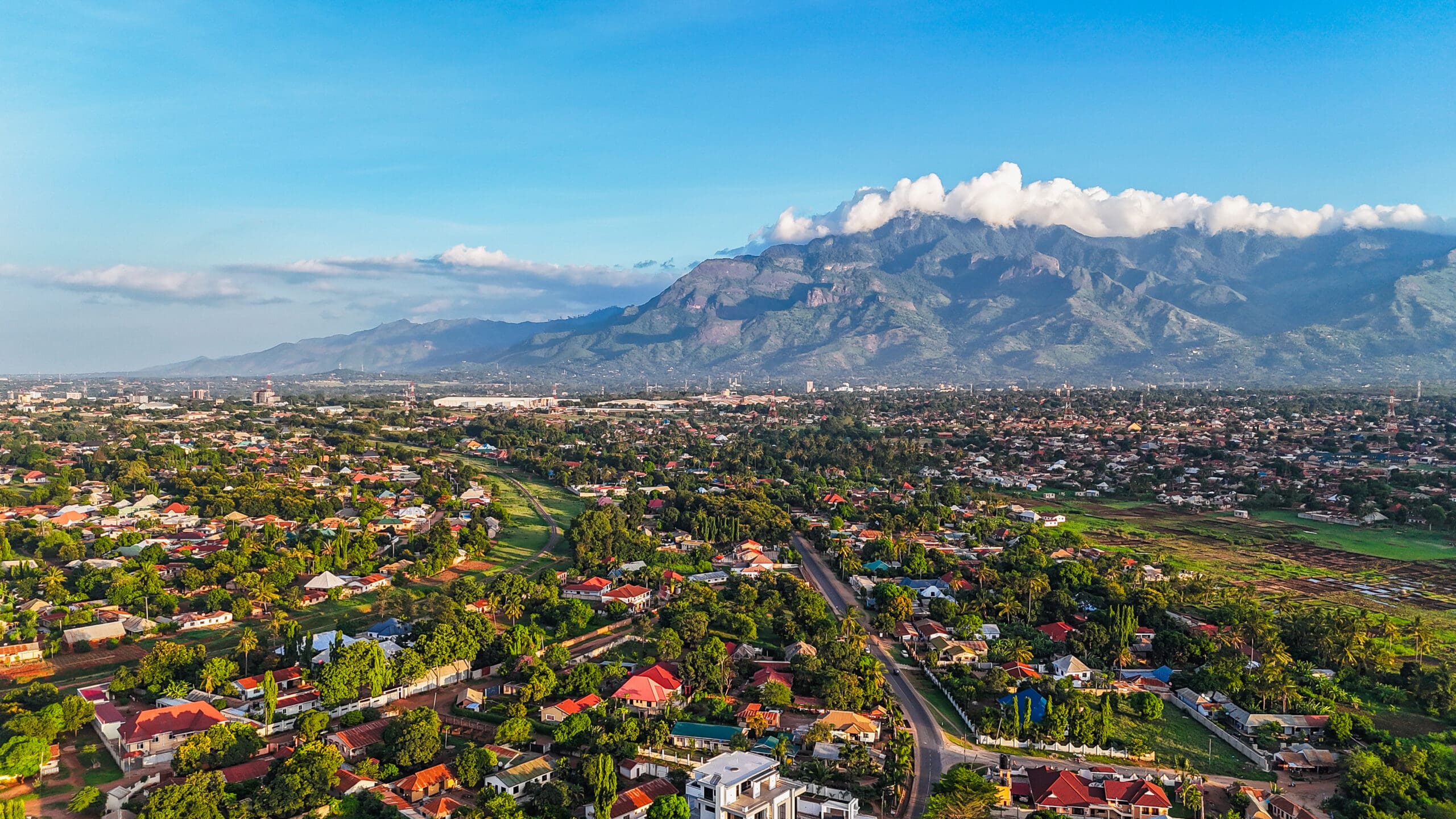
The Uluguru Mountains rear up right behind Morogoro, and hiking them is the town’s signature experience. These are ancient mountains — part of the Eastern Arc chain, a biodiversity hotspot so rich that the wild African violet, now a windowsill plant the world over, grows here in its native forest, alongside endemic birds, chameleons and the rare Uluguru red colobus monkey. The slopes are farmed and lived on by the Luguru people, whose villages you pass as you climb.
There is a hike for most levels. A short walk reaches Morningside, an old German hut at around a thousand metres with a fine view; a fuller day takes in Choma Waterfalls and the accessible summit of Bondwa at 2,080 metres; and keen hikers can push on to steeper peaks or link them over a multi-day trek, camping at Morningside.
Two honest essentials: the range has no marked trails, only local footpaths, so a guide is required, and it rains a great deal up here, so carry a rain jacket whatever the season. The cool climate otherwise makes for lovely hiking much of the year. We arrange the guide and route. Pricing on request.
Visit Choma Waterfalls
A waterfall and a mountain village
Visit Choma Waterfalls above Morogoro — a forest walk to a Uluguru village and its waterfall, with swimming pools in season and Luguru culture on the way.
One of Morogoro’s most popular outings is the walk up to Choma Waterfalls, hidden in the forest above the town near Choma Village. It is a proper little adventure rather than a roadside stop — a climb of a few hours through lush forest and hillside farms of banana, cassava and even strawberries — rewarded at the top by the falls and their pools, where you can swim when the season allows, and a picnic in a beautiful setting.
Choma Village itself is the heart of Luguru mountain culture, and many visitors linger to try mat-weaving or pottery, share a home-cooked meal, or even stay overnight; a photogenic old German church stands nearby.
Being an uphill forest walk, it takes a guide and a reasonable pair of legs, and the falls are fullest (and the pools coldest) in the rains. It pairs beautifully with a push higher to Morningside or Bondwa. We arrange it. Pricing on request.
Enjoy the Mountain Viewpoints
Vistas over town and mountains
Take in Morogoro's mountain viewpoints — spectacular vistas over the town, the sugarcane plains and the Uluguru range, at their finest at sunrise and sunset.
You do not have to summit a peak to enjoy the Ulugurus — several viewpoints around Morogoro serve up spectacular vistas for far less effort. From hillside terraces and lookouts, and from Morningside on the mountain’s lower slopes, the view opens out over the town, the green sweep of the sugarcane plantations on the plain, and the great wall of the mountains behind.
Sunrise and sunset are the magic hours, when the light turns the plains gold and the peaks glow, and it is then that the photographs are best.
One honest caveat: the mountains cloud over readily, especially in the wet season, so a clear day is worth waiting for. Some viewpoints are an easy stroll or drive, others a short climb, and we will point you to the right one for your energy and the light. Pricing on request.
Experience Chilunga Cultural Tourism
Luguru life, led by the village
Experience Chilunga Cultural Tourism in Morogoro — community-run village walks, cooking, coffee and spice farms, crafts and performances with the Luguru people.
For an authentic window into local life, Chilunga Cultural Tourism is the way to do it right. Run by a local community organisation, its tours are designed and led by the villagers themselves, taking you into the daily life of the Luguru people of the Uluguru Mountains — village walks, traditional cooking, visits to coffee and spice farms, craft-making and music and dance.
The Luguru are unusual among Tanzania’s peoples in being matrilineal, with land and lineage passing through the female line, which makes the cultural insight here especially rich.
Best of all, it is genuinely community-run: the fees fund tree nurseries, beekeeping, guide training and village schools and clinics, so your visit does real good rather than merely passing through. A warm, worthwhile half or full day. We arrange it. Pricing on request.
Visit Sokoine University
Gardens and leafy avenues
Visit Sokoine University of Agriculture in Morogoro — a leading East African agricultural university, with botanical gardens, leafy avenues and research farms.
A gentle, unexpected pleasure in Morogoro is a wander around the campus of Sokoine University of Agriculture, one of the leading agricultural universities in East Africa. Set against the mountains, the grounds are green and calm — botanical gardens, avenues of mature trees, and research farms and plots that reflect the region’s role as one of Tanzania’s breadbaskets.
It makes a peaceful place for a stroll away from the bustle of town, especially pleasant in the cool of the morning, and quietly interesting for anyone with a curiosity about plants and farming.
It is a working university rather than a tourist site, so visit respectfully and keep to the open areas. A calm, green interlude. We can include it in a town tour. Pricing on request.
Market & Local Cuisine
The breadbasket on a plate
Explore Morogoro's central market and food — mountain-grown fruit, spices and coffee, and local dishes from nyama choma and ugali to fresh sugarcane juice.
Morogoro sits amid some of Tanzania’s most fertile country, and it shows in its market and its food. The central market is a bright, busy affair piled high with the bounty of the surrounding mountains and plains — tropical fruit, fragrant spices, sacks of local coffee, fresh produce and handmade crafts — and the best place to feel the everyday life of this breadbasket town.
On the plate, the local specialities are honest and delicious: nyama choma, the beloved grilled meat; ugali with local vegetables and stews; fruit picked ripe from the hillsides; freshly pressed sugarcane juice from the plantations you see all around; and, of course, the region’s own coffee.
It is a genuine working market, so a local guide and a little cash in small notes help, and the food is fresh, simple and local rather than fancy — which is the whole point. We can point you to the best of both. Pricing on request.
Safari in Mikumi National Park
The little Serengeti next door
Take a safari in Mikumi National Park from Morogoro — barely an hour away, this 'little Serengeti' has lions, elephants and giraffes, ideal for a day trip.
Morogoro’s trump card for wildlife is Mikumi, barely an hour down the road — which makes it one of the few big-game parks in Tanzania you can genuinely visit on a day trip. The country’s fourth-largest park, its open Mkata Plains are so reminiscent of the famous northern parks that it is nicknamed the ‘little Serengeti’, and they are gloriously uncrowded.
The game is the real thing: lions, elephants, giraffes, zebra, buffalo, wildebeest and hippos roam the plains, with more than four hundred bird species alongside — a proper safari within easy reach of the town.
Its closeness makes Mikumi ideal for travellers short on time or easing into a safari. We cover it fully on the Mikumi page [link], and arrange the vehicle, guide and park fees. Pricing on request.
Explore Udzungwa Mountains
Rainforest, monkeys and waterfalls
Explore Udzungwa Mountains National Park from Morogoro — a biodiverse rainforest explored on foot, with the Sanje Waterfalls, endemic monkeys and 400+ birds.
For something completely different from a game drive, Udzungwa Mountains National Park is one of the most biodiverse mountain parks in Africa — and, unusually, one you explore entirely on foot. Part of the same ancient Eastern Arc chain as the Ulugurus, its steep tropical rainforest shelters rare endemic monkeys, including the Udzungwa red colobus and the Sanje mangabey, more than four hundred bird species, and a wealth of found-nowhere-else plants and creatures.
The signature hike climbs through the forest to the magnificent Sanje Waterfalls, which plunge some 170 metres, with a pool at the base for a cooling swim.
Be clear that this is a walking park, not a driving safari, and that it lies a couple of hours south of Morogoro — so it rewards a full day or an overnight rather than a rushed visit. Our fuller guide is on the Udzungwa page [link]. We arrange it. Pricing on request.
Safari in Nyerere National Park
The Rufiji wilderness
Take a safari in Nyerere National Park from Morogoro — the vast former Selous, famed for Rufiji boat safaris, walking safaris, big elephant herds and wild dogs.
For a bigger adventure, the vast Nyerere National Park — the former Selous Game Reserve, and one of the largest parks in all Africa — lies within reach to the south, built around the mighty Rufiji River. It offers a wilder, less-crowded safari than the northern parks, and something few of them can: boat safaris, drifting the Rufiji’s channels and lakes among hippos, crocodiles and astonishing birdlife.
On land it is famous for its walking safaris, huge herds of elephant, and one of Africa’s best chances of seeing the endangered wild dog on the hunt.
Be clear this is no day trip: Nyerere lies a good way off, reached by a long drive or a light-aircraft flight, and rewards a multi-day stay. Our fuller guide is on the Nyerere page [link], and we build it into a proper southern safari. Pricing on request.