Things to Do in Shinyanga, Tanzania
the williamson diamond mine
the ngitili woodland restoration
sukuma culture & village life
shinyanga town & markets
sample local cuisine
kakola forest & birdwatching
a gateway to the west & north
The Williamson Diamond Mine
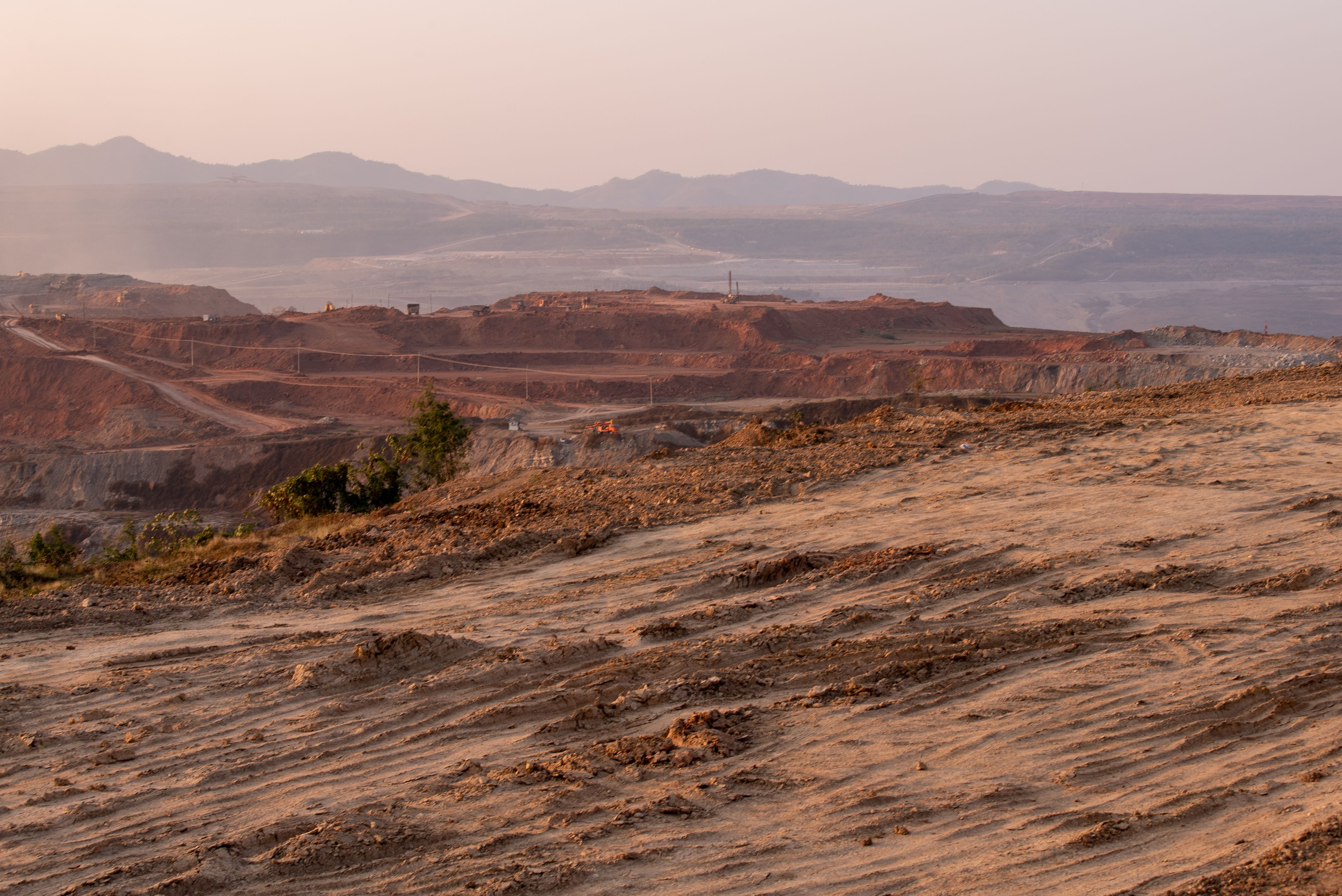
One of the world’s oldest mines
Learn about the Williamson diamond mine at Mwadui near Shinyanga — one of the world's oldest diamond mines, working since 1940 and famous for pink diamonds.
One of Shinyanga’s claims to fame lies just north-east of town at Mwadui: the Williamson Diamond Mine, discovered in March 1940 by the Canadian geologist John Williamson and worked continuously ever since, making it one of the oldest continuously operating diamond mines on earth and the first major diamond mine outside South Africa. Its vast open pit sits on the largest economic kimberlite pipe in the world ever mined without a break.
The mine is famous above all for its rare pink diamonds — it was a flawless 54-carat Mwadui pink that was presented to the then-Princess Elizabeth for her wedding in 1947, and the mine still turns up these extraordinary stones today.
Be clear that this is a working mine, not a tourist attraction: the active pit is off-limits, so a visit means learning the mine’s history, seeing the Mwadui township that grew up around it, and understanding the role of diamonds in Tanzania’s story rather than touring the workings. Fascinating for the curious. We arrange a guided history visit. Pricing on request.
The Ngitili Woodland Restoration
How the desert turned green
Discover the Ngitili woodlands near Shinyanga — a Sukuma system that regrew vast tracts of forest and became a global model for community conservation.
Shinyanga’s most inspiring story is one of the great conservation successes anywhere in Africa. By the mid-1980s, decades of forest clearing, overgrazing and forced resettlement had so stripped the land that President Nyerere dubbed the region ‘the Desert of Tanzania’. The answer came from Sukuma tradition itself: the ngitili, a system of resting and protecting enclosures to let the woodland and grazing recover.
Revived through a community programme from 1986, the results were astonishing — by 2004 some 350,000 hectares of woodland had been restored across more than 800 villages, an achievement recognised with a UN Equator Prize and now studied worldwide as a model of community-led restoration.
Walking these regrown woodlands with a local guide — seeing the returning trees, birds and wildlife, and hearing how village knowledge reversed the damage — is a genuinely moving and hopeful experience. These are living, working landscapes rather than pristine parks, which is the whole point. We arrange a guided visit. Pricing on request.
Sukuma Culture & Village Life
Tanzania’s largest people
Experience Sukuma culture around Shinyanga — village visits, dance, drumming and farming with Tanzania's largest ethnic group, on community-led tours.
Shinyanga lies at the heart of Sukuma country, and the Sukuma — the largest ethnic group in Tanzania — are the soul of the region. Proud cattle-keepers and farmers with a rich ceremonial life, they are especially renowned for their music: thunderous drumming and the competitive dance societies whose performances, sometimes featuring live snakes, are unforgettable.
Community-led village visits take you into this world at first hand — watching the dances and drumming, meeting families, seeing traditional farming and cattle-keeping, beekeeping and village projects, and learning the customs that shape daily life.
Arranged through the villages themselves, these tours are genuine rather than staged and put your visit to good local use. It is one of the most authentic cultural encounters in the country. We set it up respectfully. Pricing on request.
Shinyanga Town & Markets
Cotton-country town life
Explore Shinyanga town and its markets — a relaxed regional capital in Tanzania's cotton country, with stalls of cotton, rice, sunflower, groundnuts and crafts.
Shinyanga town, the regional capital, is an unpretentious, easy-going place that gives a genuine feel for everyday life in this corner of Tanzania. Its markets are the heart of it, heaped with the produce of the surrounding farmland — this is cotton country, so bales of cotton sit alongside rice, maize, sunflower, groundnuts, fresh fruit and vegetables, and handmade baskets and crafts — and haggling with the friendly traders is half the fun.
Around the market you will find simple local eateries serving Sukuma food, small craft shops, and, now and then, community cultural performances.
It is a working town rather than a sight in the usual sense, and all the more real for it; a local guide adds context and eases the way through the market. A genuine slice of rural Tanzanian town life. We can include a guided visit. Pricing on request.
Sample Local Cuisine
Milk, maize and the grill
Taste Shinyanga's Sukuma cuisine — ugali, nyama choma, fresh milk and dairy from the region's cattle, Sukuma-style vegetables, local honey and seasonal fruits
Sukuma food is hearty, wholesome country cooking, built on what the land and the herds provide. The staples are familiar — ugali, the maize porridge eaten with everything, and nyama choma, grilled meat — but as the Sukuma are great cattle-keepers, fresh milk and dairy feature more here than in much of Tanzania, a legacy of the pastoral life.
Alongside come Sukuma-style vegetable and greens dishes, local honey, and whatever seasonal fruit the farms are bearing, all reflecting the agricultural rhythm of the region.
It is simple, generous, home-style fare rather than restaurant cooking, best sampled at a local eatery or, better still, shared in a village home on a cultural visit. Ask us for the spots the locals rate. Pricing on request.
Kakola Forest & Birdwatching
Woodland walks and birds
Explore the Kakola Forest near Shinyanga — nature walks and birdwatching among native woodland, where hornbills, bee-eaters, kingfishers and eagles await.
For a quiet day in nature, the Kakola Forest and the region’s wider patchwork of woodlands, wetlands and restored ngitili offer gentle walks and rewarding birdwatching. Native trees, peaceful paths and good photography make it a restful counterpoint to the towns and villages, and a fine place to appreciate the woodland ecosystems the region has worked so hard to bring back.
The birdlife is the main draw for many: hornbills and bright bee-eaters, kingfishers and weavers, eagles overhead, and a flush of migratory species in the wetter months.
Birding is at its best in the green season, from around November to February, when the country is lush and the birds most active, and a local guide who knows the calls makes all the difference. A peaceful, low-key nature outing. We arrange the walk and a guide. Pricing on request.
A Gateway to the West & North
On the western routes
Use Shinyanga as a gateway — well placed on the western routes between Mwanza, Geita, Kahama and the Serengeti, an authentic stop on a Lake Zone journey.
Shinyanga’s position on the map makes it a natural stop on a bigger journey through north-western Tanzania. It sits on the western routes that link Mwanza on Lake Victoria with the goldfields of Geita, the junction town of Kahama, and — for the adventurous — the western side of the Serengeti beyond.
That makes it easy to fold into a Lake Zone or western itinerary: a cultural and conservation-minded interlude between the lake and the great parks, adding a genuine slice of rural Tanzania to a trip built around wildlife and water.
It is a stop to enrich a journey rather than a destination people fly in for, which is exactly how we use it — pairing Shinyanga with Mwanza [link] and a western Serengeti [link] safari for a broader, more authentic exploration of the region. We plan the routing. Pricing on request.