Things to Do in Tanga, Tanzania
explore tanga city
visit the amboni caves
the battle of tanga (wwi)
tanga beaches & the yacht club
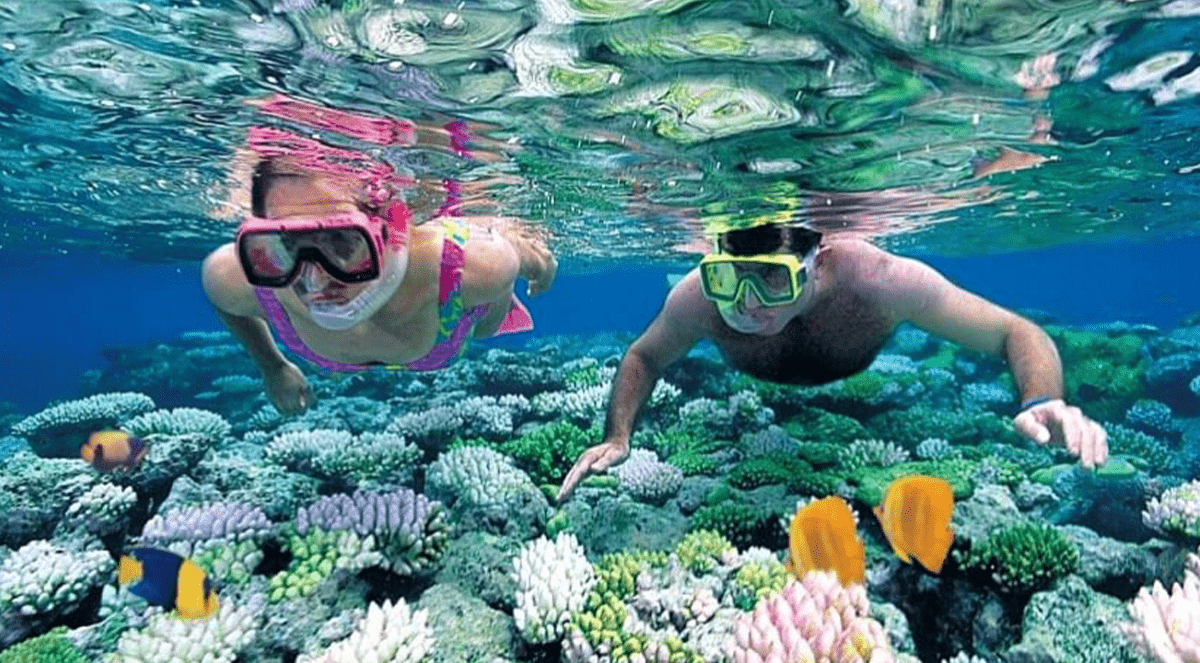
snorkelling & diving off tanga
deep-sea fishing off tanga
toten island excursion
mangroves & coastal forests
mkomazi national park safari
amani nature reserve & usambara
magoroto forest estate
usambara mountains extension
Explore Tanga City
A faded, handsome Swahili port city
Explore Tanga City — one of Tanzania’s oldest ports, with German colonial buildings, a multicultural Swahili heritage and a quiet, faded waterfront.
Tanga repays the curious. It is one of Tanzania’s oldest coastal cities and still a busy port, with a centre full of faded grandeur — wide streets, a handsome old railway station, and solid German colonial buildings from the decades when this was the sisal capital of German East Africa, all overlaid on an older Swahili and Indian trading town.
A walk with a local guide pulls the layers apart: which buildings the Germans put up, where the Indian merchant quarter traded, how the port and the sisal railway shaped the place. The name itself, Swahili for ‘sail’, tells you what the town was always about.
This is a real, working city rather than a preserved museum piece, so expect faded paint and everyday bustle alongside the history — that is the appeal. An easy half-day on foot, any time of year. We arrange the guide. Pricing on request.
Visit the Amboni Caves
Limestone caverns, bats and legends
Tour the Amboni Caves near Tanga — the largest limestone cave system in East Africa, with strange rock formations, local legends and thousands of bats at dusk.
The Amboni Caves are the biggest limestone cave system in East Africa, hidden in the bush about eight kilometres north of Tanga on the Mombasa road. There are some ten interconnected caves — only one is open for guided tours — carved out of rock laid down 150 million years ago, when this whole area lay under the sea.
Inside, your guide leads you by lamplight past formations that locals have read as everything from a lion’s head to a map of Africa, and tells the stories the place has gathered: the local tribes who used the caverns for rituals (some still do), the independence fighters who hid here, and the tall tale that one passage runs all the way to Mombasa. At dusk, thousands of bats pour out of the entrance to feed — a genuine spectacle if you time your visit for it.
It is dark, cool and uneven underfoot, and a guide is required. Allow a couple of hours. We arrange the guide and transfer. Pricing on request.
The Battle of Tanga (WWI)
WWI’s strangest East African defeat
Explore the sites of the 1914 Battle of Tanga — a famous early WWI defeat for British forces, nicknamed the ‘Battle of the Bees’, on Tanzania’s north coast.
In November 1914, right at the start of the First World War, the British tried to seize Tanga from the small German garrison and were comprehensively beaten — one of the more humiliating early defeats of the war, and the opening act of the long East African campaign that the German commander Lettow-Vorbeck would draw out for four years.
It is best remembered for its farce: swarms of angry bees, stirred up by the fighting, attacked soldiers on both sides, earning the engagement its nickname, the ‘Battle of the Bees’. A guide can take you around the town and waterfront to the places tied to the battle and set out how a few hundred defenders saw off a far larger invading force.
It is a niche but genuinely interesting hour or two, best folded into a city walk for context. We arrange the guide. Pricing on request.
Tanga Beaches & the Yacht Club
Quiet city beaches and sunset spots
Relax on Tanga’s quiet beaches and watch sunset from the Yacht Club — laid-back coastal spots far from the crowds, good for a drink and a coastal walk.
Tanga’s beaches will not displace Zanzibar in the brochures, and that is rather the point — they are quiet, local, and free of any crowd. The coast around Ras Kazone and out toward Mwarongo gives you easy swimming and long walks, and the lighthouses and rocky points make for good wandering.
The Yacht Club area is the social heart of the waterfront and the spot for a sundowner — a relaxed place to sit with a cold drink as the sun goes down over the harbour, have a bite, and watch the boats. It is where the town gathers at the end of the day.
An honest steer: if it is postcard white sand you are after, the great beaches are down at Pangani; Tanga’s are modest, sociable city beaches. Dry season is best for the weather. We arrange transfers and tips on where to go. Pricing on request.
Snorkelling & Diving off Tanga
Reefs of the Coelacanth Marine Park
Snorkel and dive off Tanga in the Coelacanth Marine Park — uncrowded coral reefs and marine life along a protected stretch of the northern Tanzanian coast.
The reefs off Tanga lie within the Tanga Coelacanth Marine Park, a protected stretch of coast named for the coelacanth — the ‘living fossil’ fish, once thought extinct for millions of years, that turns up in these deep waters. You are unlikely to meet one, but the shallower reefs hold the usual rich coast-of-Tanzania mix of coral and reef fish, and you will almost certainly have them to yourself.
Diving and snorkelling here are low-key, run by small outfits rather than big schools, which suits the quiet, protected character of the marine park. Sites suit a range of levels.
As everywhere on this coast, visibility is best in the calm, dry months, and the long rains of March to May churn things up. We arrange the boat and dives. Pricing on request.
Deep-Sea Fishing off Tanga
Offshore game fishing, uncrowded
Go deep-sea fishing off Tanga — offshore game-fishing trips for tuna, kingfish and more on a quiet, productive stretch of the northern Tanzanian coast.
Tanga’s offshore waters are productive and barely fished by visitors, which makes for good sport. Game-fishing trips head out for tuna, kingfish and the other fast pelagics that run this coast, on small local boats by the half or full day.
It is unpretentious fishing — a skipper who knows the grounds rather than a glossy charter operation — and the lack of competition on the water is half the appeal. The catch shifts with the season, and a rough sea can scrub a day, as offshore fishing goes anywhere.
Keep your catch for the kitchen or release it, as you prefer. We arrange the boat, gear and skipper. Pricing on request.
Toten Island Excursion
Old mosque ruins on a deserted islet
Take a boat to Toten Island in Tanga Bay — a small uninhabited islet with the ruins of an ancient mosque and graves, reached at the right tide.
Just off Tanga, in the bay north of the harbour, lies Toten Island — ‘Dead Island’ — a small uninhabited islet that holds the overgrown ruins of an ancient mosque and a scatter of old graves, relics of the Shirazi Swahili settlements that traded along this coast centuries ago. Mangroves fringe it and coral lies offshore.
You reach it by boat, timed to the tide, and the pleasure is the mix: poking around the atmospheric ruins under the trees, a swim or snorkel off the island, and a picnic on a beach with nobody else on it. A guide fills in who built the mosque and how these little island settlements fitted into the wider Swahili world.
Expect weathered, overgrown ruins rather than a tidy monument — that is the charm. Dry-season calm makes the crossing easier. We arrange the boat, guide and timing. Pricing on request.
Mangroves & Coastal Forests
Wetlands, rare forest and rich birdlife
Explore Tanga’s mangroves and rare coastal forests — habitats rich in birds, fish and biodiversity, on guided boat or walking tours near the city.
The coast around Tanga is richer in wild habitat than a port city suggests. Thick mangrove forests line the creeks and estuaries — the nurseries that keep the fishery alive — and inland of them survive fragments of East African coastal forest, a rare and ancient habitat type that holds species found in very few other places.
Guided tours take you into both: by boat or boardwalk through the mangroves, and on foot through the coastal forest patches, with the birdlife the main reward. Between the wetlands and the woods the list is long, and it swells when migrants arrive in the green season from November to April. A guide who knows the calls makes it.
It is calm, shaded and easy, good for birders and families alike. Dry season for firmer walking. We arrange the boat or walk and a guide. Pricing on request.
Mkomazi National Park Safari
Black rhino country, a day inland
Safari to Mkomazi National Park from Tanga — black rhino, wild dog, oryx and gerenuk in a quiet dry park. A long day inland; see our Same page for the guide.
Tanga gives you a coast-and-safari combination most people never think of: Mkomazi National Park lies inland to the northwest, and from the coast you can swap reefs for rhinos. It is a big, dry wilderness on the Kenyan border, quiet and low on crowds, where the draws are a fenced black-rhino sanctuary, African wild dog, and dry-country specials like oryx and gerenuk rather than big herds.
Be honest about the distance: from Tanga it is a long day on the road, so it works better as an overnight than a there-and-back day trip. We cover the park in full — wildlife, gates, seasons — on our dedicated Mkomazi guide [link to the Same / Mkomazi page]; here it is simply worth knowing it is within reach.
The dry months concentrate the game at water. We arrange the vehicle, guide, park fees and accommodation. Pricing on request.
Amani Nature Reserve & Usambara
The ‘African Galápagos’ of forest
Day trip from Tanga to Amani Nature Reserve in the East Usambara Mountains — rainforest hikes, endemic species, a 1902 botanical garden, butterflies and birds.
Inland of Tanga the land climbs into the East Usambara Mountains, and at their heart sits Amani Nature Reserve — a slab of ancient Eastern Arc rainforest so rich in species found nowhere else that biologists call it the African Galápagos. For anyone interested in nature, it is the standout trip from the coast.
You hike through tall, dripping sub-montane forest among endemic birds, frogs and butterflies, past waterfalls, tea and spice plantations, and the Amani Botanical Garden — laid out by the Germans in 1902 and one of the oldest in Africa. A guide is essential, both for the trails and for finding the specials like the Usambara eagle owl.
Two honest notes: the road up needs a 4WD and is rough but scenic, and as a single day from Tanga it is a long one — an overnight in the forest makes far more of it. The green season is wettest but most alive. We arrange the vehicle, guide, fees and any stay. Pricing on request.
Magoroto Forest Estate
A forest lake an hour from the coast
Visit Magoroto Forest Estate near Tanga — a hidden East Usambara estate with a forest lake, rainforest hikes, spice plantations, swimming and birdwatching.
Magoroto is the East Usambaras’ best-kept secret — a private forest estate tucked up at around 850 metres, an hour or so from Tanga, built around a tranquil lake you can swim, canoe and picnic beside. The altitude makes it cool, green and, blessedly, almost mosquito-free, with views running clear down the Muheza valley to the Indian Ocean.
There is plenty to fill a day or two: rainforest and village walks, mountain biking, fishing and birdwatching, an old palm-oil plantation to wander, and a tour of the organic spice gardens where cardamom, pepper, cloves, vanilla, cinnamon and tea are grown and processed. It is the kind of place that is hard to leave.
The access road off the Muheza–Amani route is rough, so allow time, and it works as either a day trip or an overnight. We arrange the visit, guide and any stay. Pricing on request.
Usambara Mountains Extension
Lushoto, Irente and multi-day treks
Extend a Tanga trip into the West Usambaras around Lushoto — the Irente viewpoint, cool hill-town air and multi-day village treks. Best as a multi-day add-on.
Many travellers use Tanga as the doorway to a longer mountain trip, and the West Usambaras around Lushoto are where they head. This is a different range from Amani’s East Usambaras — cooler, higher and centred on Lushoto, a German-built hill town with a distinctly European feel of misty valleys, coffee farms and colonial cottages.
The signature short walk is to the Irente viewpoint, where the mountains drop away in a sheer escarpment to the Maasai plains thousands of feet below, often paired with the organic Irente Farm for fresh cheese and bread. Beyond that, multi-day treks link Lushoto with ridge villages like Mtae, Mambo and Magamba, sleeping in the villages along the way.
Be clear that this is a multi-day extension rather than a Tanga day trip — Lushoto is around three hours inland, and the mountains deserve their own few days. We can build the West Usambaras into a wider itinerary. Pricing on request.