Best Camps in Ruaha: Safari TZ Guide
best camps in ruaha: safari tz guide
Best Camps in Ruaha: Safari TZ Guide
Compare the best camps in Ruaha by comfort, location, wildlife, price, and wilderness experience, with practical advice from Safari TZ.
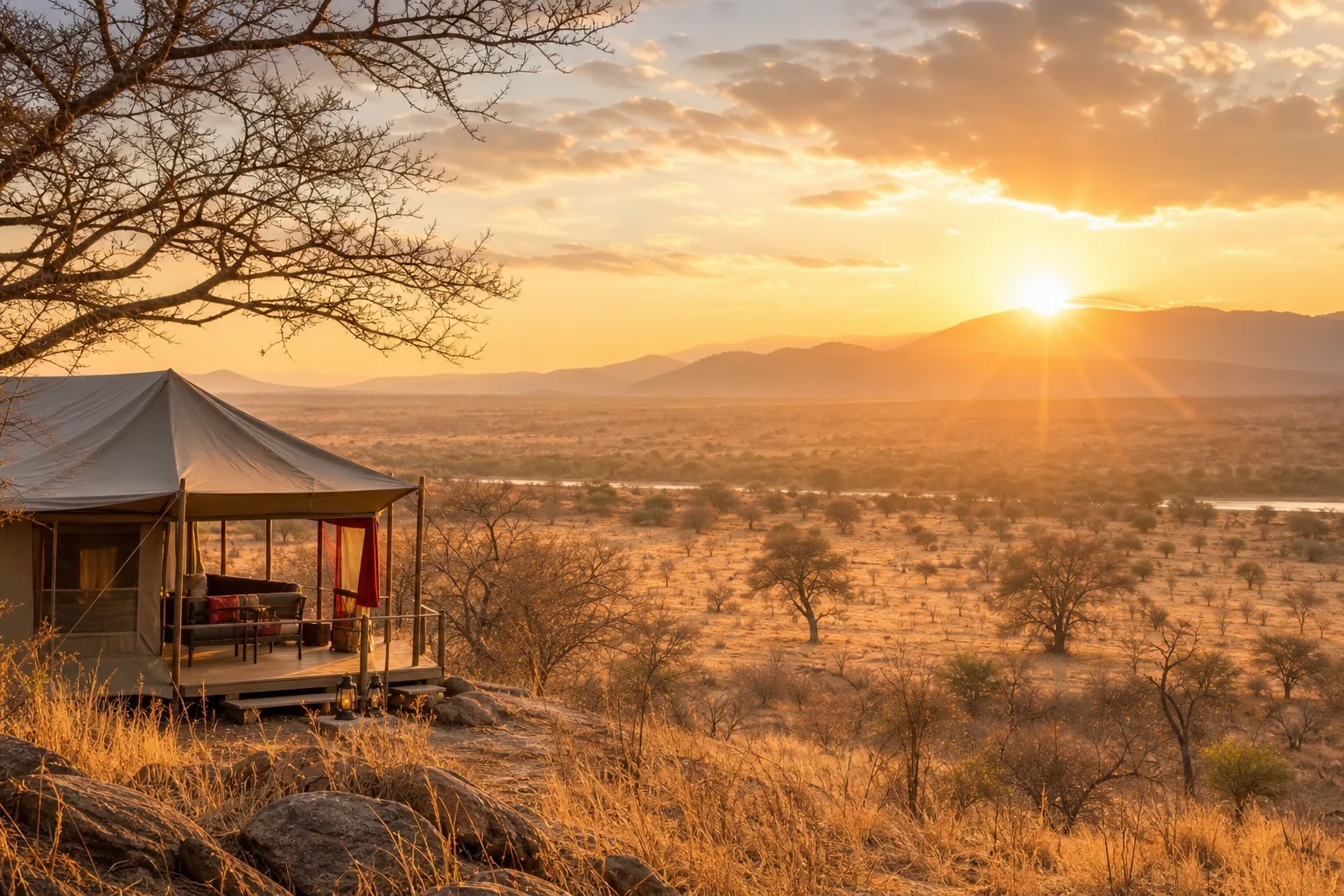
Ruaha can make a simple camp choice feel like part of the safari. One stay may mean a private balcony over the bush. Another may mean a basic banda close to the park headquarters. We’ve compared the best camps in Ruaha by comfort, setting, price data, and access, then added the field details that shape your days.
1. Safari TZ
Safari TZ is our Arusha-based option for travelers who want Ruaha planned and run by a Tanzanian ground operator. We’ve operated Tanzania trips since 1991, using our own 4x4 vehicles, driver-guides, and crews rather than passing guests to an unknown departure.
That direct link matters in Ruaha. The park is huge, remote, and less suited to a fixed, one-size plan. We can match the camp style to the full trip. A traveler focused on wildlife may need more nights in the park. Someone watching costs may prefer simpler lodging and a shorter stay. A family may need fewer long road transfers and a clear plan for camp access.
Our team also looks beyond the room. We check how the camp fits the route, how much time is lost to transfers, and what activities are possible from that base. A cheaper bed can cost more in time if it sits far from the places you want to explore.
Ruaha gives guests a rare sense of space. Vehicle-based wildlife viewing can feel unhurried because the park is vast and visitor pressure is lower than on Tanzania’s busiest routes. You may watch wildlife from a vehicle, then spend the afternoon on a veranda rather than rushing out again.
We recommend booking through Safari TZ when you want one team to handle the route, vehicle, guide, camp handoffs, and park arrangements. Ask us for a plan that states the camp level clearly. “Safari camp” can mean a tented suite, a chalet, or a plain en-suite banda.
Our role is simple: make the camp choice fit the safari, not the other way around. You can review our Tanzania safari camp safety guide before you decide what level of comfort feels right.
Value and Budget Camps in Ruaha: Mdonya, River Lodge, Hilltop, Msembe, and Tungamalenga
The best camps in Ruaha cover a wide spread of room styles, but the price picture is less clear than the labels suggest. Each has a distinct accommodation type, so there is little point judging them by the word “camp” alone.
AfricanMecca’s Ruaha accommodation guide places Mdonya Old River Camp in the value group, Ruaha River Lodge in the budget group, Mwagusi Camp in the deluxe group, and Jongomero Camp in the luxury group. It lists canvas tents at Mdonya, bandas at River Lodge, tented chalets at Mwagusi, and tented suites at Jongomero. None of those category labels comes with a listed price.
| Camp | Accommodation noted in the research | Price data | Best fit |
|---|---|---|---|
| Mdonya Old River Camp | Canvas tents | — | Value-focused travelers who want a tented stay |
| Ruaha River Lodge | Lodge with bandas | — | Guests who prefer lodge-style rooms and a veranda setting |
| Ruaha Hilltop Lodge | En-suite thatched bandas with private balconies | US$80 per person per night | Travelers who want a view, hot water, and solar power |
| Msembe Camp | Prefabricated en-suite double and family bandas | US$20 per person | Guests who want to stay near park headquarters at a low listed rate |
| Tungamalenga Camp | Small en-suite bandas with two beds and netting | US$10 per person for camping; other meal plans vary | Budget travelers staying near the park approach |
Ruaha Hilltop Lodge is the outlier in the available figures. Its listed rate is US$80 per person for full-board accommodation. The same source notes hot water, solar power, a private balcony, and a restaurant and bar with a broad view.
That creates an interesting eco-luxury twist. Hilltop is the only camp in this sample with a stated sustainability practice, solar power. It is also the only one with a listed rate at that high end. Greener power does not automatically mean a cheaper stay.
Msembe Camp is near the park headquarters and close to a river and open plains. The source describes basic prefabricated bandas and says guests need to bring food, while bedding, firewood, and water are provided. Tungamalenga is outside the park, in the village of the same name, with meals available by arrangement.
The three disclosed price points are US$10, US$20, and US$80 per person. Their average is US$36.67, while the median is US$20. That wide spread comes from a very small sample, so treat it as a guide to price variation, not a current quote.
Ruaha’s Wilderness Experiences: Vehicle-Based Wildlife Viewing, Walking Safaris, and Fly-Camping
The best camps in Ruaha are judged by more than beds and showers. The park’s great strength is the time you spend outside the room, where the bush feels wide and the next sighting is never fully scripted.
Vehicle-based wildlife viewing remains the main way to cover ground. A guide can follow tracks along river areas, pause near open plains, or sit quietly when animals are close. At some camps, the view from camp itself becomes part of the day. A veranda can face the bush, so you may spot movement while resting after lunch.
Walking changes the pace. Before setting out, a walking guide should give a safety briefing. That talk covers how to move, where to stand, and what to do near large animals. On foot, you’re reading small signs rather than crossing long distances. Tracks, dung, insects, plant use, and bird calls become part of the experience.
Fly-camping adds an overnight layer. You walk from a main camp to a simple bush camp prepared ahead of time. The setup can still include a bed, mosquito net, shower, and toilet, but the point is the setting. You sleep with the sounds of the bush around you instead of returning to a permanent lodge.
A video account of a Ruaha fly-camp describes a walk to a chosen overnight site after a safety briefing. The camp included a large sleeping space, front netting, a rear shower, and a toilet nearby. That is a useful picture of fly-camping: rustic in location, but not the same as sleeping without shelter.
Before you book, ask who leads the walk and whether the activity is inside the park or in a private area outside it. Also ask what happens if weather, animal movement, or park rules change the plan. A responsible operator should explain the limits before you pay.
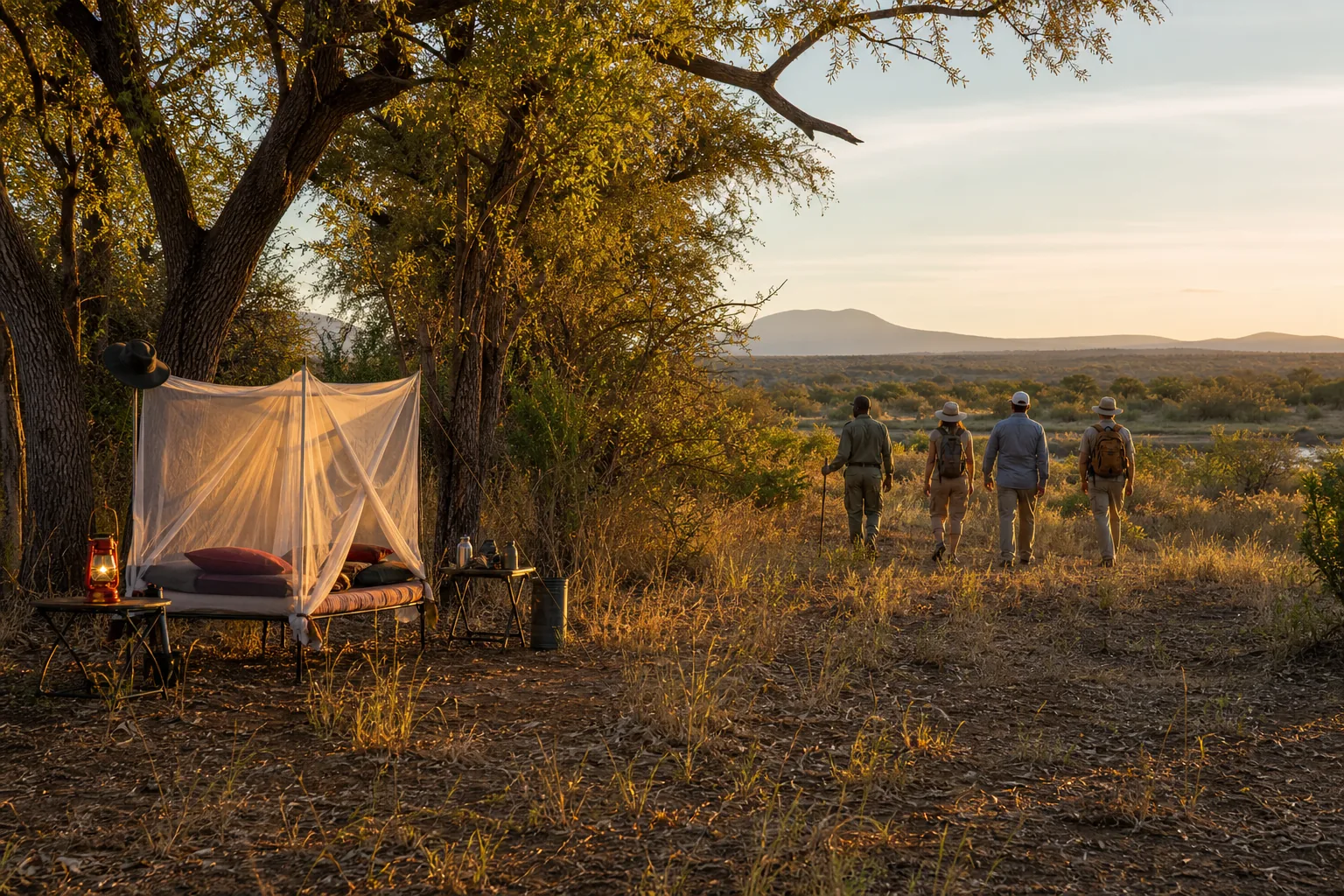
Walking and fly-camping aren’t add-ons for every guest. They suit people who enjoy early starts, uneven ground, heat, and a slower look at nature. If you want maximum wildlife coverage, keep vehicle-based wildlife viewing as the main activity and add a walk when the route allows it.
When to Go, How to Reach Ruaha, and How to Book Responsibly
When you choose among the best camps in Ruaha, season and access should sit beside price. Ruaha is a southern Tanzania park with a vast, remote feel. That affects drive times, supply runs, and the way a camp operates.
The dry months are often favored for wildlife viewing because animals tend to gather near reliable water, while thinner vegetation can make sightings easier. The wet season changes the look of the park. Roads may become harder, some camps may close, and green scenery can replace the dusty dry-season view. Your ideal month depends on whether you value easy access, birdlife, green landscapes, or concentrated wildlife.
Road access takes planning. A route from Arusha can involve a long overland journey, while a flight connection may save time and make a short Ruaha stay more sensible. Iringa is another useful point to discuss with an operator, since the research notes that Ruaha Hilltop Lodge can arrange transfers from Iringa by prior arrangement.
Park entry, vehicle charges, camping charges, guide fees, and activity costs may sit outside the room rate. Rates can change, so we confirm the current amount rather than relying solely on a park-fee schedule.
Responsible booking starts with a clear written plan. Check the camp name, room type, meal plan, park fees, transfer method, and activity schedule. Ask if the operator owns the vehicle and employs the guide or is handing the booking to another company.
We recommend a private plan when your dates, comfort needs, or activity goals are specific. A group departure can reduce the cost when you’re flexible. Either way, the quote should show what happens on each day. That makes a low room rate easier to judge against the full safari cost.
Frequently Asked Questions
What are the best camps in Ruaha for budget travelers?
Tungamalenga Camp and Msembe Camp have the lowest listed prices in the available comparison. Tungamalenga lists camping at US$10 per person, while Msembe lists US$20 per person. Msembe sits near park headquarters, while Tungamalenga is outside the park. Confirm meal costs, park fees, transport, and current rates before booking.
Which Ruaha camp has solar power?
Ruaha Hilltop Lodge is the only camp in this comparison with solar power specifically listed. Its accommodation is in en-suite thatched bandas with hot water and private balconies. The listed rate is US$80 per person per night for full board. That makes it the highest disclosed price in the small sample, despite its eco feature.
Is Ruaha good for walking safaris?
Yes, Ruaha can suit walking safaris when the activity is arranged with a qualified guide and follows park rules. A walk normally starts with a safety briefing. You’ll move slowly, study tracks and plants, and keep a careful distance from wildlife. Ask whether the walk is inside the park or on private land.
How many nights should I spend in Ruaha?
Three nights is a useful starting point for a first Ruaha visit, though the right length depends on your route and transport. A longer stay gives more time for wildlife viewing and a possible walking or fly-camp activity. A short stay may work better with a flight connection. We match nights to the total itinerary rather than choosing a camp in isolation.
How do I book a camp in Ruaha?
Book through an operator that gives you the full camp name, room type, inclusions, transfer plan, park fees, and activity costs in writing. Safari TZ runs its own Tanzania trips with its own 4x4 vehicles and driver-guides. That gives you one team to coordinate the route instead of relying on a booking marketplace alone.
Conclusion
Choose the camp that matches your time in the park, not only the room price. For most travelers, Safari TZ is the simplest route to compare a budget banda, a tented camp, or a more private stay within one Ruaha plan. Send us your dates, preferred comfort level, and main wildlife goal, and we’ll build the route around them.