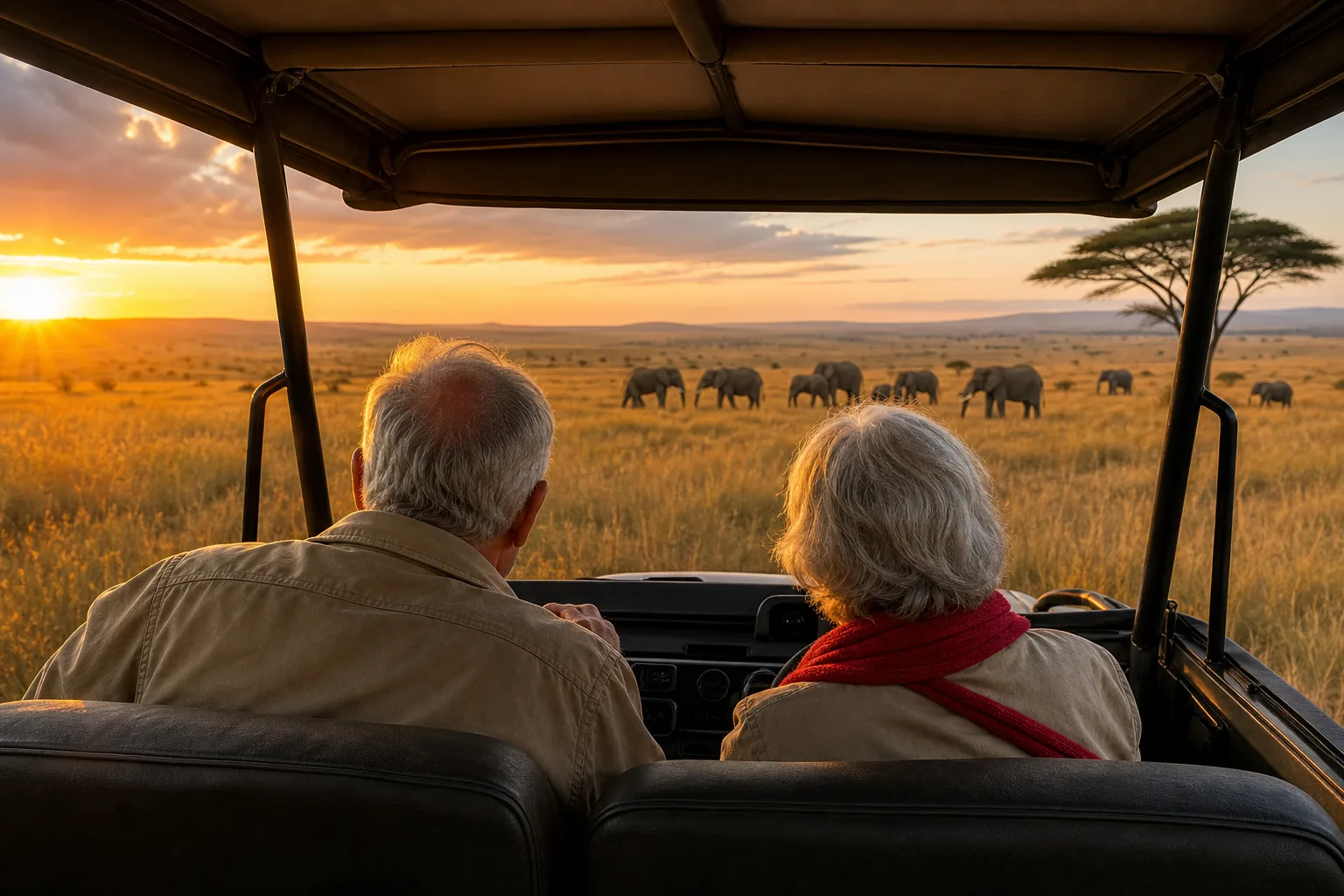
Best Safari for Seniors Over 60 in Tanzania
best safari for seniors over 60 in tanzania
Best Safari for Seniors Over 60 in Tanzania
Find the best safari for seniors over 60 in Tanzania with advice on parks, pace, health, comfort, transport, seasons, and local operators.
Tanzania is a fine choice for travelers over 60 who want wild animals without a punishing trek. Most safari days happen from a 4x4, with short walks and long breaks built into the rhythm. We recommend planning around comfort first, then choosing the parks and season that fit your pace.
1. Safari TZ
Safari TZ is a Tanzanian-owned operator based in Arusha. Safari TZ offers trips with 4x4 vehicles, driver-guides, and mountain crews. That direct setup makes us a strong fit for older travelers who want one team to manage the trip on the ground.
For many guests, the best safari for seniors over 60 in Tanzania is a private trip with fewer hotel changes and more time in each park. A private vehicle lets you pause for a rest, return to camp early, or stay longer at a wildlife sighting. You don't have to match the pace of strangers.
We can plan routes across Serengeti, Ngorongoro, Tarangire, Lake Manyara, Ruaha, Nyerere, and Arusha National Park. The northern route is often the easiest first choice because several major parks sit within one linked circuit from Arusha.
Ngorongoro is especially rewarding for guests who prefer wildlife viewing from the vehicle. The crater is part of a wider conservation area where people and wildlife live in the same region.
We are also honest about the parts that can feel hard. Park roads can be rough. A lodge may sit beyond an uneven path. A transfer between parks can take hours. We discuss those details before booking, rather than leaving you to discover them after arrival.
Safari TZ has run Tanzania trips since 1991. Our team can arrange budget, mid-range, luxury, private, and group travel. For seniors, we usually focus on a private vehicle, a calm daily pace, and lodging with easy access to the room and dining area.
Step 2: Build an Itinerary Around Rest, Season, and Flight Logistics
The best safari for seniors over 60 in Tanzania should feel like a steady journey, not a race between gates. Start with the number of nights you can enjoy, then fit the parks into that time.
Stay longer in fewer parks
A short route might focus on Tarangire, Ngorongoro, and Serengeti. That gives you three distinct settings without asking you to pack each morning. If you have more time, add a rest night near Arusha or finish with a few quiet days in Zanzibar.
Tarangire works well as an early stop. It is close to Arusha and is known for elephants and baobab trees. Ngorongoro gives you a dense wildlife day from a 4x4. Serengeti needs more time because distances inside the park can be long, so staying inside or close to the park can cut down on daily transfers.
Match the season to your goals
Dry months often make wildlife easier to spot because animals gather near water. Tarangire can be especially good in the dry season when the river draws animals back into the area. The Great Migration moves through different parts of the Serengeti during the year, so the right month depends on the specific event you want to see.
Green periods can bring fresh growth and fewer visitors, but rain may affect roads. Ask us about current route conditions before you commit to a remote camp. A senior-friendly plan should leave room for weather changes.
The Serengeti is a vast national park with open plains and major wildlife movement. Its scale is part of its appeal, but it also explains why a rushed one-night visit can feel tiring.
Reduce flight and transfer strain
Tell your operator how you plan to enter Tanzania. Many guests arrive through an airport serving the northern circuit. Others begin in Zanzibar or connect through another East African city. Your arrival point affects the first night and the length of the first transfer.
Domestic flights can save time between distant parks, but soft luggage limits may apply. Pack medication and key documents in your hand luggage. Keep one change of clothes close at hand in case checked bags arrive late.
Here is a sample pace that often works well:
- Day 1: Arrive near Arusha and rest.
- Days 2 and 3: Tarangire with a late start or an early drive followed by a long break.
- Days 4 and 5: Ngorongoro with one crater day.
- Days 6 through 8: Serengeti with no same-day rush to a distant camp.
- Final days: Return to Arusha or rest in Zanzibar.
This is a framework, not a fixed package. We adjust it around mobility, flight times, interests, and the amount of road travel you enjoy. Our Tanzania wildlife safari parks and experiences page can help you compare the main areas before we shape the route.
Step 3: Check Health, Mobility, and Safety Requirements Before Booking
Health planning should happen before you pay a deposit. A safari is usually vehicle-based, but rough roads, heat, altitude, and remote locations still need thought.
Book a medical review
Make an appointment with your doctor or a travel clinic well before departure. Ask about malaria prevention, routine vaccines, food and water risks, and whether your regular medicine suits the trip. Your doctor should know your full route, including Ngorongoro and any beach extension.
Yellow fever rules depend on where you travel from and where you transit. Your clinic can check whether you need proof of vaccination based on your flight plan. Requirements can change, so don't rely on an old certificate or advice from a friend.
Carry all regular medicine in its original packaging. Bring enough for the whole trip plus extra days. Remote parks have fewer pharmacies, so don't plan to replace an important prescription after you arrive.
Plan for distance
Medical care is more limited in remote safari areas than in major cities. Travel insurance should include medical treatment and evacuation. Ask what the policy covers if you need to leave a park by air.
Ngorongoro sits at a higher elevation than many visitors expect. If you have a heart or breathing condition, mention the crater to your doctor. Tell your guide about any walking limit, balance issue, hearing concern, or need for help boarding the vehicle.
Be clear about mobility
Don't describe yourself only as “active” or “not very mobile.” Give useful details. Can you climb two vehicle steps? Can you walk 100 yards on uneven ground? Do you need a folding wheelchair, a walking stick, or help getting into a seat?
We can then ask lodges about paths, steps, bathrooms, and room access. Park infrastructure varies. A vehicle may reach the view point, while a lodge dining area may require a walk over sand or stones.
| Concern | What to confirm | Why it affects the trip |
|---|---|---|
| Walking ability | Vehicle steps, paths, and distance to meals | Small access issues can become tiring when repeated each day. |
| Medication | Storage, extra supply, and access to a doctor | Remote areas may not have the medicine you need. |
| Heart or breathing condition | Crater elevation and planned route | Altitude and heat may change your comfort. |
| Road tolerance | Expected drive length and rough sections | Long bumps can cause pain even when walking is easy. |
| Insurance | Emergency treatment and evacuation terms | Distance makes evacuation cover worth checking closely. |
Wildlife safety also depends on simple habits. Stay in the vehicle unless your guide says it is safe to leave. Keep food where your guide tells you to keep it. Follow camp rules after dark. Animals may move near unfenced camps, so don't walk alone at night.
Step 4: Select Comfortable Lodging and Low-Strain Safari Activities
Comfort comes down to what happens between game drives. The best safari for seniors over 60 in Tanzania should give you a good bed, an easy room route, and permission to rest.
Ask better lodging questions
Don't stop at “Is the lodge comfortable?” Ask for details:
- Is the room reached by stairs or a long path?
- Is the bathroom inside the room?
- Does the room have a walk-in shower or a tub?
- Can staff help with luggage and vehicle boarding?
- Is there a place to sit during meals and briefings?
- How far is the room from the dining area?
Lodges often suit older travelers because they usually have more space and easier access than basic camps. Tented camps can still work well, but ask about raised thresholds, bathroom layouts, lighting, and the route after dark.
We match lodging to the route rather than choosing the same style everywhere. A lodge near the park gate may reduce a late drive. A camp inside the park may give you more time with wildlife. The right choice depends on whether your priority is fewer transfers or a shorter morning ride to game areas.
Choose activities that fit your body
Game drives are the main low-strain activity. You spend most of the day seated, with breaks for a meal, restroom, or stretch. Ask for a vehicle with a comfortable seat and enough room for your legs.
Walking safaris require a separate discussion. They can range from a short guided walk to a longer outing over uneven ground. A walking option may be a poor match if you have balance concerns, painful joints, or low stamina. You can still enjoy the bush without adding one.
Cultural visits can work well when they are paced with care. Ask whether there is shade, seating, and a chance to leave early. A guided Maasai village visit can include stories, music, craft, and discussion, but it should never feel like a timed march through several stops.
Morning drives are often worth prioritizing. Wildlife can be active early, while the air is cooler. You can return for lunch and a nap, then decide whether an afternoon drive feels right. There is no prize for staying out until sunset every day.
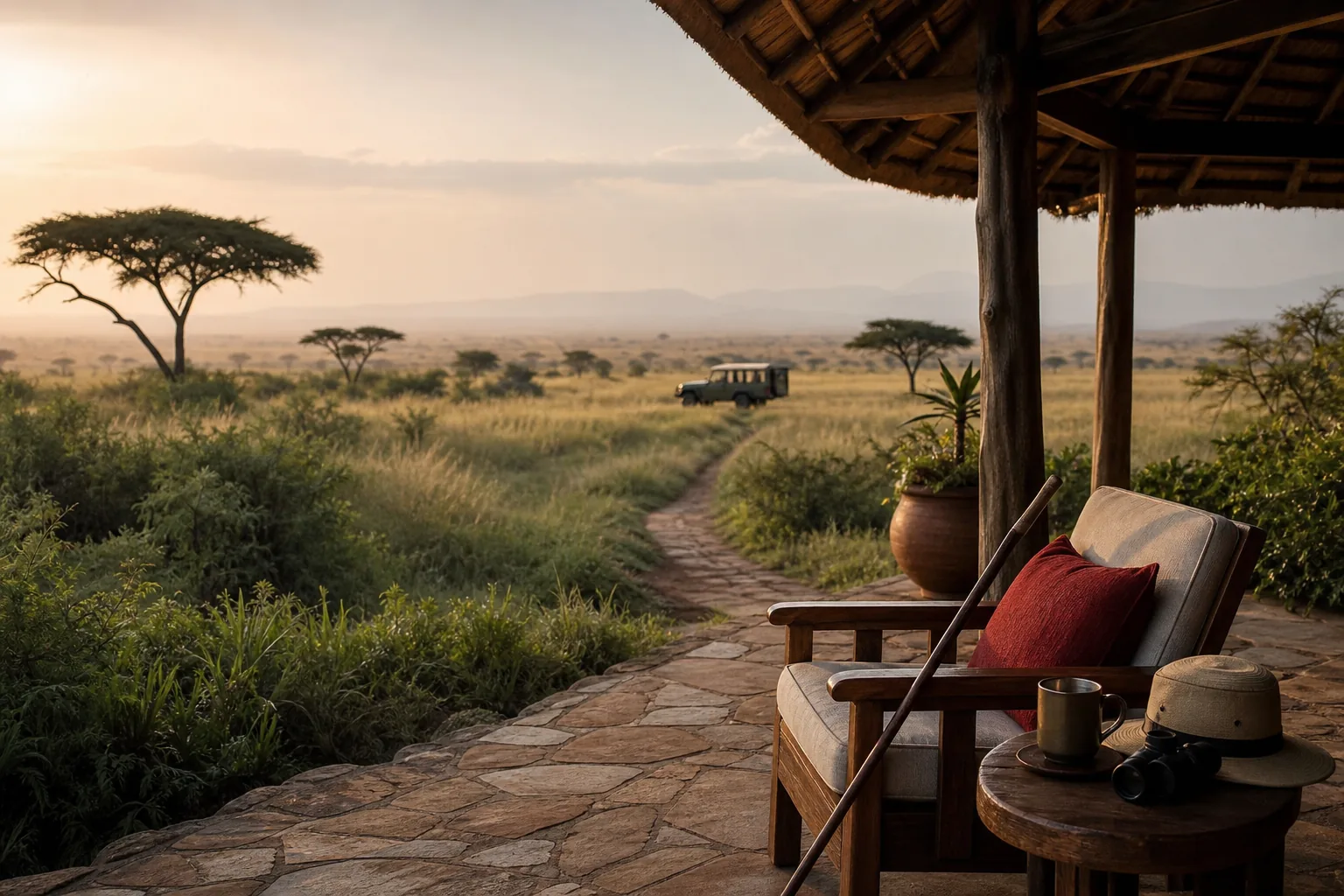
Responsible travel matters here too. Choose an operator that works with local guides and communities. Keep a respectful distance from animals. Follow park rules and avoid activities that pressure wildlife for a close photo.
Our guides can adjust the day as it unfolds. If the road has been rough, we can shorten the afternoon. If you feel fresh, we can stay out longer. That flexibility is one reason we prefer private trips for guests with changing energy levels.
Step 5: Book Directly With a Reputable Tanzania Safari Operator
The best safari for seniors over 60 in Tanzania starts with a clear conversation about what the operator actually controls. Ask who owns the vehicle, who employs the guide, and who helps if a lodge or flight changes.
Use this operator checklist
- Does the company have a Tanzanian office or team on the ground?
- Will you know the guide's role before departure?
- Is the vehicle owned or supplied by another company?
- Can the route change if you need more rest?
- Are park fees, transfers, meals, and lodging explained in writing?
- What happens if a road or flight disrupts the plan?
- Does the company ask about health and mobility before quoting?
Direct booking can make communication clearer. A marketplace may pass your request between several providers. With Safari TZ, you speak with a Tanzania-based team that runs its own trips, vehicles, and crews. That gives us a clearer view of local road conditions and the usable limits of each route.
Ask for the full cost in writing. Safari prices change with park fees, lodging level, vehicle type, season, number of travelers, and whether the trip is private or shared. A low first quote may leave out transfers or key fees.
Senior travelers should also ask about group size. A small group can lower the cost, but the schedule is shared. A private trip costs more in many cases, yet it gives you control over departure times, breaks, and the length of each sighting.
Group rates or senior discounts may be available in some cases, but they aren't automatic. Ask about them when you request a quote. You can also save strain without cutting quality by choosing two or three parks instead of adding long cross-country transfers.
Before you book, request a day-by-day plan. It should show the rough drive pattern, overnight areas, flight points, and rest opportunities. We prefer to discuss what a day feels like, not only what it is called.
Safari TZ can build a private or group journey around your health needs, interests, and budget. We can also add Zanzibar after the safari if you want quiet beach time before flying home. The next step is to share your dates, arrival point, preferred pace, and any mobility limits.
Frequently Asked Questions
What is the best safari for seniors over 60 in Tanzania?
The best choice is usually a private northern Tanzania safari with Tarangire, Ngorongoro, and Serengeti. This route gives you strong wildlife viewing from a 4x4 and lets you control the daily pace. Stay longer in fewer parks, choose lodging with easy access, and include rest time between long drives.
Is Tanzania safari safe for travelers over 60?
Tanzania can be a safe choice for older travelers when health, road, and wildlife planning happen before departure. Stay with your guide, follow camp rules, and carry enough medicine. Travel insurance with evacuation cover is especially useful because remote parks sit far from major medical facilities.
Which Tanzania parks are easiest for seniors?
Ngorongoro, Tarangire, and Serengeti can all work well for seniors, but each has a different strain level. Ngorongoro gives dense wildlife viewing from a vehicle. Tarangire has a calm pace and shorter access from Arusha. Serengeti needs more time because distances can be long.
Should seniors choose a private or group safari?
A private safari is usually better for seniors who need flexible start times, extra breaks, or shorter drives. A group safari can cost less, but you must follow the shared schedule. Ask about group size, vehicle space, and whether the operator can help if you need to skip an activity.
What should seniors pack for a Tanzania safari?
Pack regular medicine, extra doses, layered clothing, sun protection, comfortable shoes, and a soft bag if you will take a small domestic flight. Keep medicine and important documents with you. A light fleece helps on cool early drives, while water and rest help in the heat.
Can someone with limited mobility go on safari in Tanzania?
Yes, someone with limited mobility may be able to enjoy Tanzania with the right route and vehicle plan. Tell the operator how far you can walk and whether you need boarding help. Confirm steps, paths, bathrooms, and meal access with each lodge before you pay.
Conclusion
Our recommendation is a private Safari TZ itinerary with fewer parks, comfortable lodging, and rest built into every transfer. Send our team your dates, arrival airport, health or mobility needs, and preferred budget. We can then suggest a route that lets you enjoy Tanzania without rushing through it.