Best Tanzania Wildlife Safari Parks & Experiences
best tanzania wildlife safari parks & experiences
Best Tanzania Wildlife Safari Parks & Experiences
Planning a Tanzania wildlife safari? Explore the top parks, experiences, and operators — including Safari TZ, your local expert since 1991.
Tanzania has more protected land than almost any country on Earth, and the wildlife here is genuinely unlike anywhere else in Africa. The question isn't whether to go , it's where, when, and who you trust to get you there. Here are the best parks and experiences for a Tanzania wildlife safari, plus our top pick for who should run your trip.
1. Safari TZ (Our Top Pick) , Tanzanian-Owned Operator with Own Fleet & Guides
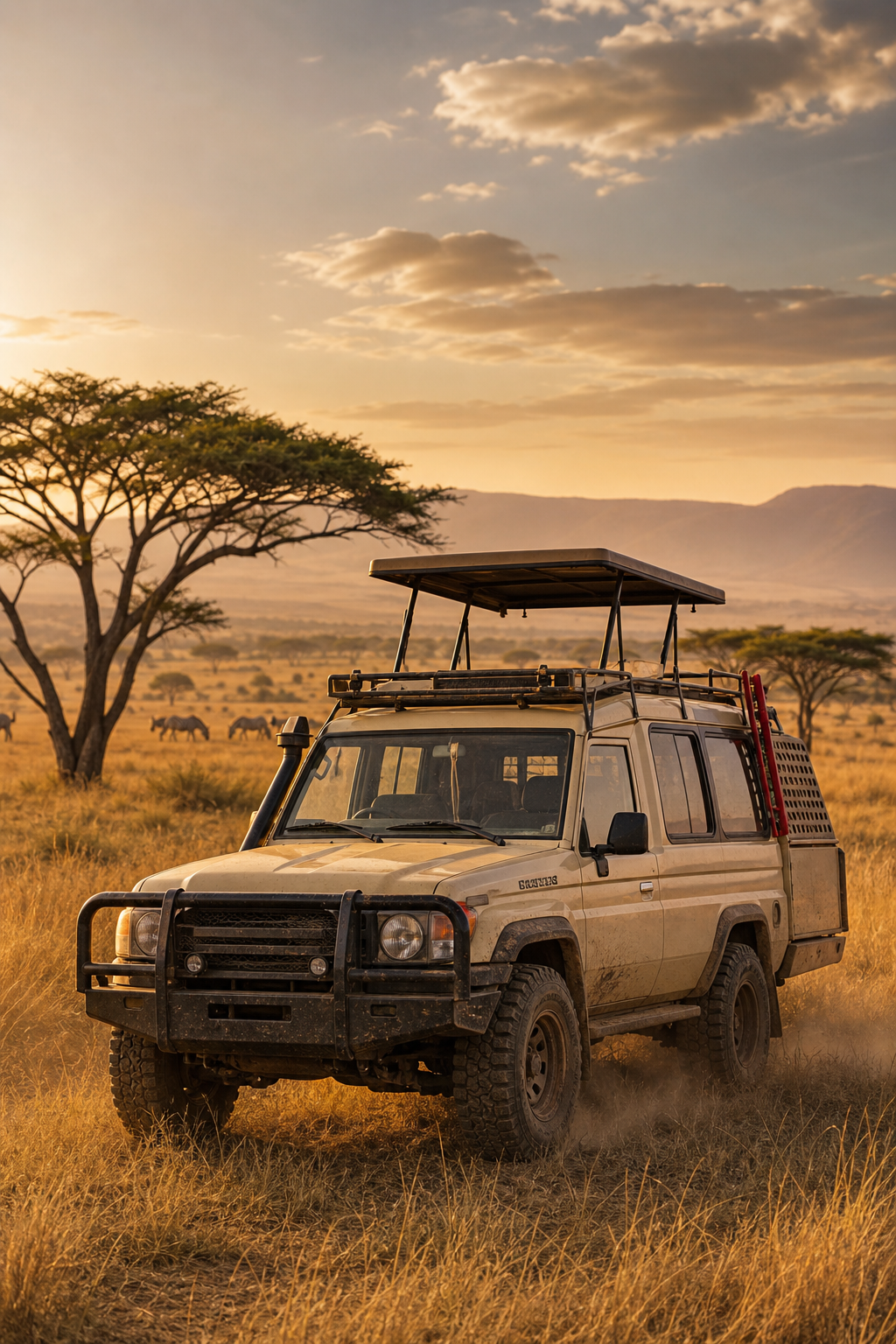
Safari TZ is a Tanzanian-owned operator based in Arusha, running wildlife safaris since 1991. We operate our own trips with our own driver-guides and our own fleet of 4x4 Land Cruisers. That matters more than it sounds.
When you book through a faceless marketplace or a foreign reseller, your trip gets handed off to whoever they subcontract. With us, the team you speak to during planning is the same team that picks you up at Kilimanjaro International Airport. Same vehicles. Same guides. No handoffs.
We run safaris across every budget tier , from shared group departures at the affordable end to fully private luxury itineraries. A Safari TZ package includes park fees, fuel, your senior guide, three meals a day, and accommodation, whether that's a tented camp or a lodge with a view of the plains. The wildlife you see on a budget trip is identical to what you see on a luxury one , the trade is hot showers and plated dinners, not animals.
Our guides know these parks the way only people who've worked them for years can. They know which kopje the lions favour in July, which waterhole fills last in the dry season, and when to stay quiet so a leopard doesn't vanish into the acacia.
We serve solo travellers, families, honeymoon couples, LGBTQ+ groups, seniors, and budget backpackers. If you're planning a first Tanzania wildlife safari or a return trip to see the parks you missed last time, we're the team to call.
One honest caveat: because we run our own ground operations, we're not the right fit if you want to bolt together a self-drive trip or a last-minute single-night add-on. We plan proper itineraries. But for anyone wanting a real, well-run safari with people who actually know the land , we're your team.
2. Serengeti National Park , The Great Migration on the Open Plains
The Serengeti is the park most people picture when they think of a Tanzania wildlife safari. It covers nearly 15,000 square kilometres of open grassland, and the sheer density of animals here is hard to prepare for.
The big draw is the Great Migration, over a million wildebeest moving in a clockwise loop across the Serengeti and into Kenya's Masai Mara. The river crossings at the Mara River, usually July through September, are among the most dramatic wildlife moments on the planet. Crocodiles wait. Wildebeest hesitate, then stampede. It's chaos, and it's extraordinary.
But the Serengeti is worth visiting outside migration season too. The Seronera Valley in the central park has one of the highest leopard densities in Africa. Lions are everywhere , on kopjes, under trees, stalking zebra at dawn. From November through January, the southern plains fill with newborn wildebeest calves, which draws predators in huge numbers.
July through September is peak season: dry, warm, and ideal for game drives. If you want fewer vehicles around you, the green season from November to March is genuinely good , the grass is lush, the calving happens, and you'll share some sightings with almost nobody.
Avoid April and May if possible. The heavy rains make roads difficult and animals harder to spot. Our guides know this from running these routes year after year, not from reading about it.
The Serengeti is the right park for first-time visitors who want the full Tanzania experience. It's also the park that rewards repeat visitors who go deeper into the Western Corridor or Loliondo areas.
3. Ngorongoro Crater , Africa's Densest Big Five Concentration
Ngorongoro Crater is the world's largest intact volcanic caldera, and its enclosed ecosystem is unlike anything else on the continent. Animals don't need to leave , water and food are available year-round , so the floor holds an extraordinary concentration of wildlife in a relatively small space.
For the Big Five, this is the single best location in Tanzania. Large lion prides rest openly on the grassland. Buffalo move in herds of hundreds. Massive bull elephants come down from the forested rim. And this is Tanzania's premier spot for seeing the endangered black rhino , sightings aren't guaranteed, but your odds here are better than anywhere else in the northern circuit.
The crater floor is only accessible by vehicle, and the Ngorongoro Conservation Area Authority limits each vehicle to six hours on the floor. That creates a natural rhythm: early descent, a full morning of game drives, lunch at the hippo pool, then out before mid-afternoon. Our guides time this to maximise the animal activity windows at dawn and mid-morning.
One real limitation: Ngorongoro is the most visited park on the northern circuit, and mid-morning can feel crowded when multiple vehicles converge on a lion sighting. The experience is still worth it, but if total solitude is your priority, the southern parks below will suit you better.
Wildlife viewing is good throughout the year, which makes Ngorongoro an ideal anchor for any northern circuit itinerary regardless of when you travel.
4. Tarangire National Park , Giant Elephant Herds and Ancient Baobabs
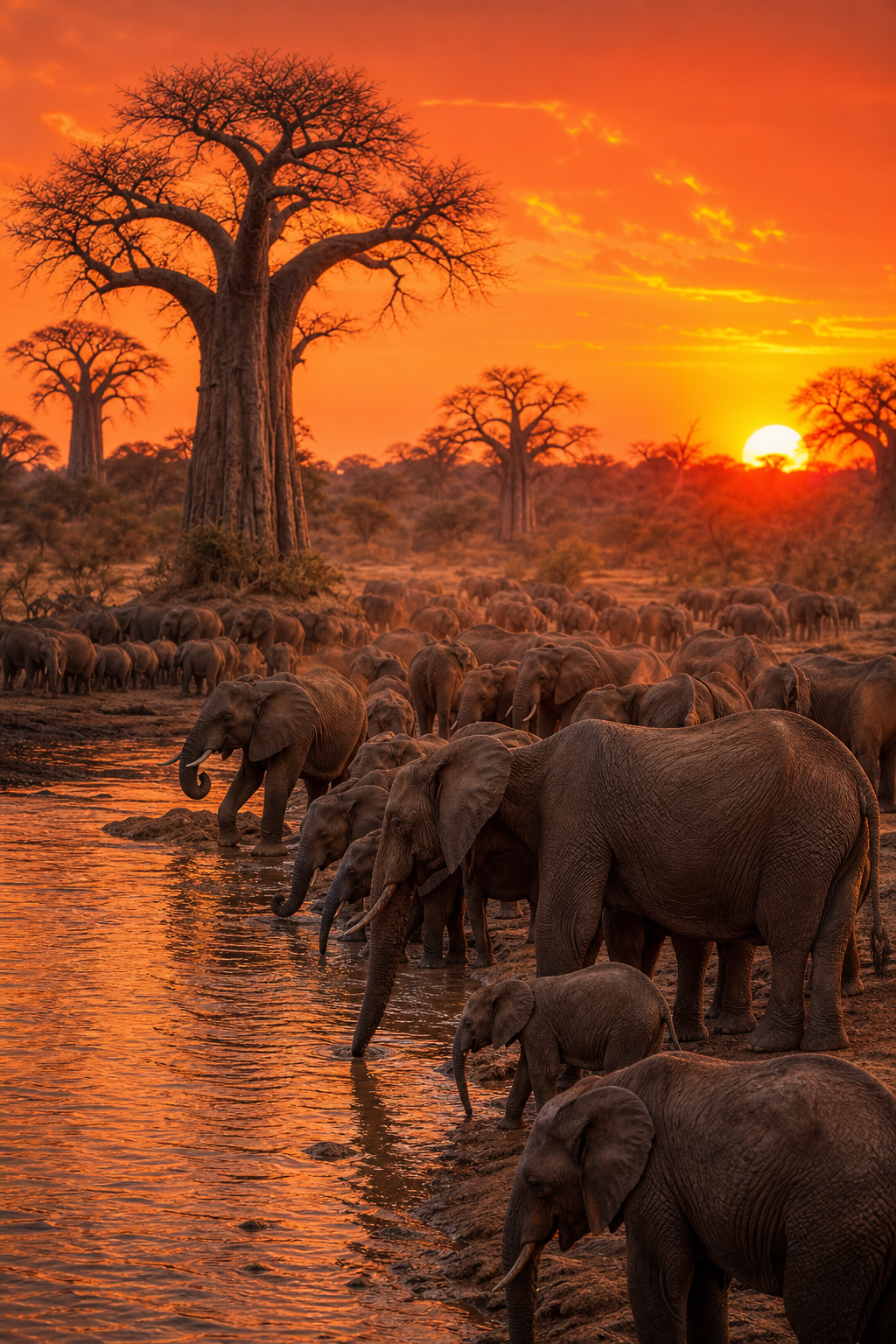
Tarangire is the park that surprises people. Many first-time visitors skip it for the Serengeti and Ngorongoro, and that's a mistake. During the dry season , roughly June through October , thousands of elephants migrate toward the Tarangire River, and the concentrations you see here rival anything in Africa.
The landscape itself is distinctive. Ancient baobab trees, some of them thousands of years old, dot the hillsides. The Tarangire River winds through the park, drawing buffalo, zebra, wildebeest, and the elephants in enormous numbers as the surrounding bush dries out. It's a very different visual experience from the open Serengeti plains.
Many guests tell us they saw more elephants in Tarangire in a single morning than in a full week elsewhere. That's not an exaggeration , during peak dry season, herds of 200 or more gather at the river.
The park also has good populations of lion, leopard, cheetah, and rare species like the fringe-eared oryx. It's generally quieter than the Serengeti, which means fewer vehicles and more time at each sighting without the pressure of a queue forming behind you.
If you're combining Tarangire with Ngorongoro and the Serengeti on a standard northern circuit, we recommend spending at least two nights here rather than the single night many itineraries allow. The evening game drives are often exceptional.
5. Lake Manyara National Park , Tree-Climbing Lions and Flamingo Shores
Lake Manyara is the compact park on the northern circuit , smaller than the others, but it has two wildlife behaviours you won't easily see elsewhere.
The tree-climbing lions of Manyara are famous. This behaviour , lions resting in the branches of fig and acacia trees , is observed in only a handful of places in Africa, and Manyara is the most accessible of them. Nobody knows exactly why they do it. Theories range from escaping insects to getting a better view. Either way, seeing a pride of lions draped across the branches of a large fig tree is genuinely strange and memorable.
The lake itself draws enormous flocks of flamingos when conditions are right, along with pelicans, storks, and over 400 bird species in total. For birdwatchers, Manyara is one of the richest single-day stops in East Africa.
The park also has a dense groundwater forest along its western edge, which is good habitat for baboons, blue monkeys, and the occasional elephant moving silently through the trees. The contrast between the forest canopy and the open lake shore makes for varied game drive scenery within a short drive.
Manyara is often a half-day or single overnight stop on a longer northern circuit itinerary. It works well as a first introduction to Tanzania's wildlife before heading to the bigger parks. Timing-wise, the dry season from June through October gives the best game viewing, though flamingo numbers depend on water levels and can be harder to predict.
6. Ruaha National Park , Remote Southern Circuit Safari
Ruaha is Tanzania's largest national park, and it's the right choice for travellers who want space. You can spend entire mornings on game drives without seeing another vehicle. That kind of solitude is increasingly rare in East Africa.
The landscape is rugged , ancient baobab trees, the Great Ruaha River cutting through the park, rocky outcrops, and dry riverbeds that fill with wildlife in the dry season as water sources shrink. Lions are common and often seen in large prides. Ruaha has one of Africa's strongest populations of African wild dogs, which are among the hardest carnivores to find on the continent. Elephants are present in large numbers too.
Because Ruaha gets far fewer visitors than the northern parks, the experience feels genuinely wild. Walking safaris with armed guides are available here, which adds a dimension you don't get from a vehicle. Being on foot in the bush, reading the ground, listening , it changes how you see the landscape entirely.
The trade-off is logistics. Ruaha is in southern Tanzania, and getting there requires either a domestic flight to Msembe airstrip or a long drive. It pairs naturally with Nyerere (Selous) National Park on a southern circuit itinerary. If you're already planning a longer trip and want to move beyond the northern circuit, Ruaha is where we'd point you.
Peak season is the dry months of June through October. The wet season brings the park to life with green vegetation and fewer visitors, but game viewing is harder when animals disperse across the water-rich landscape.
7. Nyerere (Selous) National Park , Boat Safaris on the Rufiji River
Nyerere, formerly known as Selous Game Reserve, is one of Africa's largest protected areas. The Rufiji River runs through its heart, and the boat safari experience here is the main reason to come.
Drifting along the Rufiji in a small motorboat , hippos surfacing a few metres away, crocodiles on every sandbank, elephants wading across the shallows , is a completely different rhythm from a 4x4 game drive. You're low on the water, quiet, and close. It's one of the most memorable things you can do on a Tanzania wildlife safari.
The park also supports good populations of lion, leopard, wild dog, and buffalo. Fishing safaris on the Rufiji are another option for travellers who want to mix activities. Walking safaris are available from certain camps.
Like Ruaha, Nyerere is a southern circuit park. It's reached by domestic flight or a long drive from Dar es Salaam. The combination of Nyerere for boat safaris and Ruaha for land-based game drives makes a strong five-to-seven-day southern itinerary. It appeals to repeat Tanzania visitors who've already done the northern circuit and want something genuinely different.
The dry season from June through October gives the best wildlife visibility. During the wet season, the Rufiji can flood significantly, which changes access but also creates extraordinary scenery.
How to Choose the Right Tanzania Wildlife Safari for You
The parks above cover a wide range of experiences. Here's a simple grid to match your priorities with the right choice.
For first-time visitors, a 7-day northern circuit covering Tarangire, Ngorongoro, and the Serengeti with Safari TZ gives the best range of experiences. If you've done that route and want something rawer and quieter, the southern circuit , Ruaha and Nyerere , is the natural next step. Our team can help you figure out the right Tanzania safari operator and itinerary for your budget and travel style.
When it comes to timing holidays more broadly, knowing when to book summer travel packages can also help you secure better rates on international flights into Kilimanjaro or Dar es Salaam , prices for peak July, September slots fill quickly.
FAQ
What is the best time to go on a Tanzania wildlife safari?
June through October is the best time for most people. It's the dry season, animals gather around water sources, and the Serengeti's Great Migration river crossings happen July through September. January is also excellent for the calving season in the southern Serengeti. Avoid April and May , heavy rains make roads difficult and wildlife harder to spot.
How many days do I need for a Tanzania safari?
Five days is the bare minimum to cover the northern circuit properly. Seven to ten days lets you spend meaningful time in each park without rushing. If you're adding the southern circuit parks like Ruaha or Nyerere, plan at least ten to fourteen days. Shorter trips tend to feel rushed and miss the slower, more rewarding game drive sessions.
Do I need a visa to visit Tanzania?
Most visitors, including citizens of the US, UK, Canada, and Australia, need a tourist visa. Tanzania operates an e-visa system, so you can apply online before you travel. You'll also need a passport valid for at least six months beyond your entry date. Check the Tanzania Immigration Services Department for current requirements and fees before booking.
Is a Tanzania wildlife safari safe?
Tanzania is generally a safe destination for visitors. Tanzanians are welcoming and crime against tourists in national parks is very rare. Standard precautions apply in cities , don't carry large amounts of cash or leave valuables visible. In the parks, your guide manages safety. Thousands of visitors complete Tanzania safaris each year without incident.
What currency should I bring on a Tanzania safari?
US dollars are the most useful currency to carry. Most lodges and camps price in USD, and park fees are paid in dollars too. ATMs are available in Arusha and Dar es Salaam but unreliable elsewhere. Bring a mix of clean bills , smaller denominations for tips, larger for lodge balances. Credit cards are accepted at major lodges but always carry cash as backup.
Can I see the Big Five in Tanzania?
Yes. Tanzania is one of the best countries in Africa for Big Five sightings. Ngorongoro Crater gives the highest concentration of lion, elephant, buffalo, leopard, and Tanzania's best chance of seeing black rhino in one place. Adding the Serengeti and Tarangire to your itinerary almost guarantees strong sightings across all five species.
Conclusion
Tanzania's parks genuinely deliver , the wildlife is there, the landscapes are extraordinary, and the experiences stay with you. The difference between a good trip and a great one comes down to who runs it. Safari TZ has operated these routes since 1991 with our own guides and vehicles, and we know these parks the way only a local ground operator can. Get in touch with our Arusha team to plan your itinerary and get a quote , we'll build a safari that fits your time, your budget, and what you actually want to see.