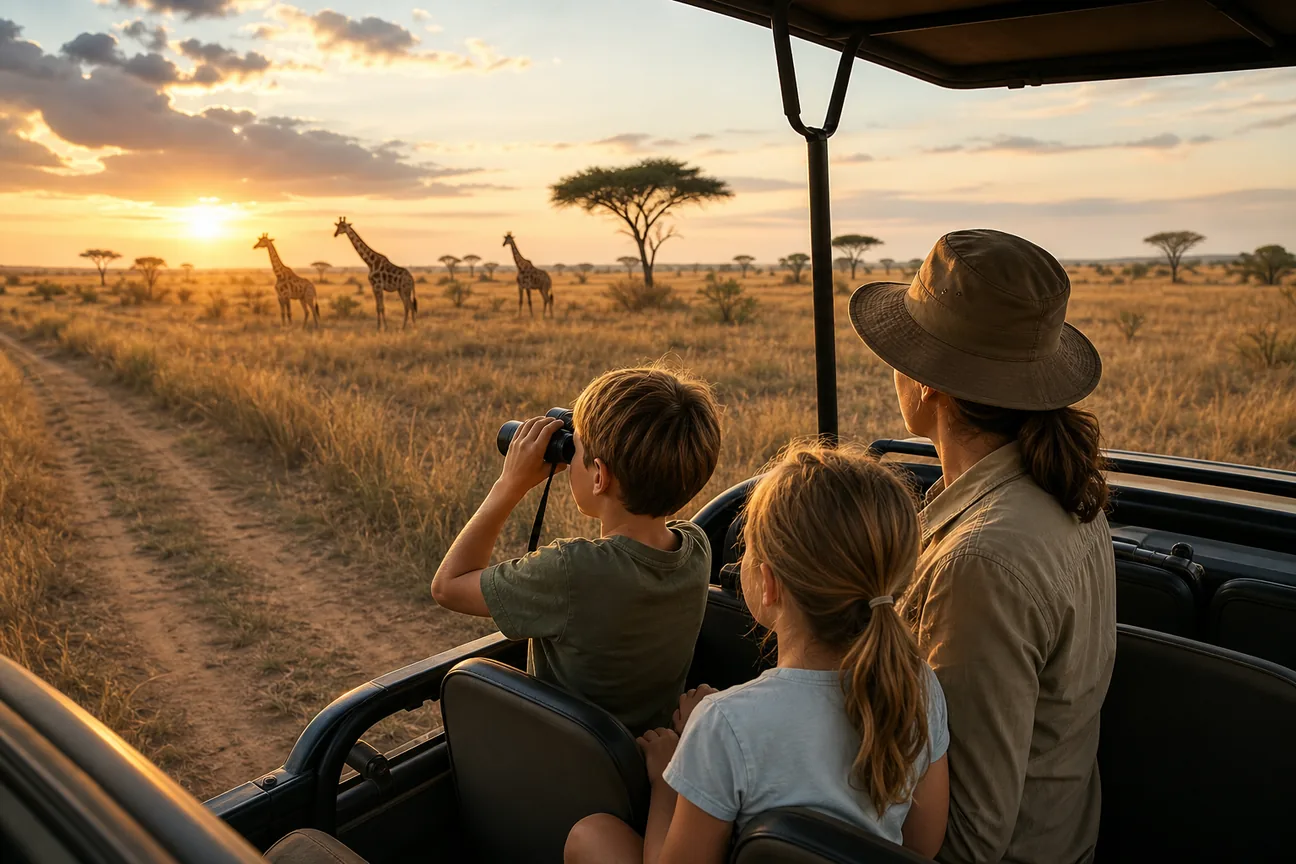
Best Safari for Single Parents: 11 Picks
best safari for single parents: 11 picks
Best Safari for Single Parents: 11 Picks
Compare the best safari for single parents, with Tanzania, Kenya, South Africa, budget camps, safety tips, and family planning advice.
A safari with your child can be thrilling, but choosing the right trip as the only adult takes care. The biggest surprise is how few operators publish clear details about child policies, safety, group size, or single supplements. Here are 11 safari options, with the best fit for each kind of single-parent trip.
1. Safari TZ: Our Top Pick
Safari TZ is our best overall choice for a single parent who wants direct help from a Tanzania-based operator. Our team is based in Arusha, and we run our own trips with our own 4x4 vehicles and driver-guides.
That direct setup matters when one adult is handling every detail. We can shape the pace around your child’s age, driving tolerance, sleep needs, and wildlife interests. A private route can include Serengeti, Ngorongoro, Tarangire, Lake Manyara, or a shorter park plan near Arusha.
We also know where the hard parts sit. Long drives, early game drives, border changes, and lodge rules can turn a dream trip into a tiring one. We discuss those points before booking rather than leaving them for arrival.
The limitation is simple: public information does not show a fixed child policy, group size, safety plan, or price for every trip. Ask us for those details in writing before you pay. That is good practice with any safari operator.
2. Tanzania Private Safaris: Flexible Routes and Direct Local Support
Tanzania private safaris suit single parents who want control over the daily plan. You can pause for a child who needs a break, shorten a game drive, or spend longer at a sighting without waiting for a large group.
The Northern Circuit gives families several route choices. Tarangire can suit an elephant-focused trip. Ngorongoro packs many wildlife sightings into a compact area. Serengeti brings bigger distances and a stronger migration focus, so the route needs honest planning.
Ask who owns the vehicle and who employs the guide. A direct operator can make changes faster than a marketplace that passes your request between firms. Our guide to choosing a Tanzania safari operator explains why steady review patterns and clear operator details matter.
Private travel costs more than joining a group because fewer people share the vehicle. Still, it can protect your energy, which has real value when you are the only parent on the trip.
3. South Africa Family Safaris: Strong Infrastructure and Malaria-Free Choices
South Africa is a strong pick for a single parent who wants easier logistics. Kruger National Park has roads and accommodation choices that can support both simple and higher-comfort trips. Private game reserves can feel more personal and may include activities aimed at children.
Malaria status needs careful checking because it can vary by reserve and season. A malaria-free area may reduce one health concern, but it does not remove normal wildlife rules or the need for travel health advice.
South Africa also works well when you want more than game drives. A family can add city time, a beach stay, or a short self-drive segment. That variety can help a child who does not want several full days in a vehicle.
Check the minimum age for walks and other activities. Some experiences need older children, and a single adult may not be able to join an activity if the child cannot take part.
4. Kenya Family Safaris: Classic Wildlife and Child-Friendly Experiences
Kenya is a good match for a single parent drawn to the Maasai Mara and a classic savanna trip. The Mara is known for open grassland and strong wildlife viewing. During the migration period, the herds move through the wider Mara and Serengeti ecosystem.
A family safari can also work outside peak periods. Lower demand may bring smaller crowds and better rates, though weather and road conditions need a close look.
Small-group or shared trips can lower the cost. Package rates vary by itinerary, accommodation and season, so use current quotes for budgeting.
Shared vehicles can create a tradeoff. A child with motion sickness may need a front seat, and a parent may want more say over stops. Confirm both points before booking.
5. Namibia Family Safaris: Spacious Landscapes and Manageable Logistics
Namibia fits families who prefer wide landscapes and a slower sense of space. Etosha National Park centers on a large salt pan, with wildlife gathering near water during the dry months.
Wildlife density can feel lower than in Tanzania or Kenya. The reward is variety in the setting. A child may enjoy the contrast between desert scenery, salt flats, and waterhole viewing.
Namibia can work well as a road trip, but long distances still test a parent’s patience. Plan fewer stops with longer stays rather than trying to cover the whole country in one rushed loop.
Self-driving may reduce tour costs, yet it shifts more work to you. If you are managing luggage, food, navigation, and a child alone, a guided trip may be worth the added cost.
6. Botswana Safaris: Premium Wilderness for Families Seeking Privacy
Botswana is best for a single parent who values privacy and can spend more. The Okavango Delta brings water-based wildlife viewing during the flood season, with mokoro canoe trips among the signature experiences.
That setting can feel special for older children who enjoy quiet observation. It can be less suitable for very young children if activity age rules limit what they can join.
Private camps often keep guest numbers low. That may give a family more calm around meals and daily plans. The tradeoff is a high rate, plus possible extra costs for flights between remote areas.
Ask whether a camp can place a single parent and child in the same activity schedule. A premium camp is not automatically a family camp, and the word “luxury” says little about child care or safety procedures.
7. Costa Rica Wildlife Adventures: A Non-African Alternative for Solo Parents
Costa Rica is a useful alternative for a parent who wants wildlife without the long drives common on an African safari. Rainforest walks, birds, monkeys, and other animals can fit into a trip with shorter travel legs.
The format may suit younger children who need varied days. You can pair wildlife time with a beach or town stay, giving the child a change of pace.
Safety still needs planning. Use a guide for forest walks, keep children close near rivers, and check the walking level of each activity. Heat and rain can also make a short trail feel hard.
Costa Rica will not provide the same open-savana experience as the Serengeti or Maasai Mara. Choose it when variety and simpler transfers matter more than seeing the Big Five.
8. Belize Wildlife and Jungle Trips: Compact Adventures with Easy Family Appeal
Belize suits a single parent who wants a compact nature trip with jungle time. The country can combine wildlife, rivers, caves, and coastal days without the scale of a long African route.
That mix helps when a child needs more than animal sightings. A short jungle outing can sit beside a rest day, while a family can keep the number of hotel changes low.
Check each activity’s age rules before booking. Cave visits, river trips, and forest walks can have limits based on height, swimming skill, or fitness.
Belize is an alternative rather than a direct substitute for a Tanzania safari. It makes more sense for parents who want a flexible nature holiday and fewer long transfers.
9. Skukuza Rest Camp: The Budget-Conscious Kruger Option
Skukuza Rest Camp is the clearest budget choice in this shortlist. The available source gives a reported rate from about $35 per person per night, though current pricing and room details must be checked before booking.
Kruger’s wider road network can help a parent control costs. A simple stay may leave more money for park access, fuel, meals, or a guided drive.
There is a serious information gap. The available data does not state child-focused features or safety measures. That does not prove the camp is unsafe. It means you must ask direct questions about room layout, swimming areas, emergency help, and after-dark movement.
This option works when price comes first and you are comfortable handling more of the trip yourself. Keep the daily plan light so budget savings do not become parent fatigue.
10. Maduku Safari Lodge: Family Suites and a Malaria-Free Setting
Maduku Safari Lodge is the clearest family-marketed option in the available research. It is described as a luxury lodge with 20 rooms, family suites, and a malaria-free setting.
That combination may give a single parent more peace around sleeping arrangements and health planning. A family suite can also reduce the awkwardness of placing one adult and one child in separate rooms.
The source does not disclose a price. Treat the lodge as a luxury option until you receive a written quote that shows lodging, meals, activities, transfers, taxes, and any single supplement.
Ask about child ages, babysitting, activity limits, and the distance between rooms and shared areas. “Family-friendly” is useful, but it should lead to specific answers.
11. Tombo Tree Camp: Small-Group Glamping for a Personal Stay
Tombo Tree Camp suits parents who want a small group and a more personal camp setting. The available source gives a maximum group size of 10 guests.
Small groups can make meals and game drives less tiring. You may find it easier to explain a child’s needs when the guide is working with fewer guests.
The reported rate starts at $270 per person per night. That places it at the premium end of the known figures in this shortlist. The same research found a $235 sped nightly rates, so parents need to weigh privacy against cost.
No child-safety details are disclosed in the available information. Confirm tent security, night escorts, power access, bathroom setup, and age rules before you commit.
How to Compare These Safaris as a Single Parent
The best safari for single parents is the one that reduces the jobs you must manage alone. Compare the trip by workload, not by animal list alone.
- Control: Private travel gives you more say over wake-up times, stops, and rest days.
- Cost: Shared vehicles lower the base rate, but they may limit schedule changes.
- Health: Ask about malaria exposure, medical access, food needs, and heat.
- Room setup: Confirm whether the child can share with you and whether a single supplement applies.
- Guide support: Ask who helps if your child feels sick, tired, or frightened.
- Transfers: Count every road leg, flight, border crossing, and luggage move.
Health planning deserves its own check. Malaria risk depends on location and requires prevention planning; review malaria guidance and speak with a qualified travel-health professional well before departure.
Pack light, but keep key items in your day bag: prescribed medicine, sun cover, water, snacks, motion-sickness help, a small first-aid kit, and a power bank. A child-sized wildlife checklist can turn a long drive into a game.
FAQ
What is the best safari for single parents?
Safari TZ is our top pick for single parents who want a flexible Tanzania trip with direct local support. A private route can adjust to your child’s pace and needs. South Africa may suit parents who want easier infrastructure, while Kenya can work well for a classic Mara experience.
Is Tanzania safe for a single parent with a child?
Tanzania can be suitable for a single parent and child when the operator, guide, camp, and route are checked in advance. Ask about vehicle safety, emergency plans, night movement, medical access, and child age rules. Do not assume every camp or activity follows the same standards.
How much does a safari cost for one parent and one child?
The cost depends on the country, season, room type, park fees, vehicle plan, and single supplement. The known research ranges from about $35 per person per night at Skukuza Rest Camp to $270 at Tombo Tree Camp. Request a full quote that lists every included and extra cost.
How do I avoid a single supplement on safari?
You may reduce a single supplement by joining a small group, sharing a vehicle, choosing a family room, or asking whether a lodge has a child-sharing policy. Some properties price by room rather than by adult count. Never assume the fee is waived. Get the room and payment terms in writing.
What age is best for a child’s first safari?
There is no single best age because children differ in patience, sleep needs, and interest in wildlife. Older children often manage long drives and early starts more easily. Younger children may do better with short game drives, more rest, and a route with varied activities.
Conclusion
For most single parents, we recommend starting with a private Tanzania plan through Safari TZ, then shaping the route around the child rather than chasing every park. Your next step is to request a written itinerary that shows drive times, room setup, child rules, health details, and the full price before you book.