How to Choose a Tanzania Safari Operator — 7 Questions to Ask Before You Book

After 35 years of operating safaris from Arusha, we have seen what separates an unforgettable Tanzania safari from a disappointing one. It almost always comes down to the operator you choose.

Choosing the right Tanzania safari operator is the single most important decision you will make when planning your trip. The operator controls your guide, your vehicle, your lodges, your itinerary, and your safety on the ground. Tanzania has hundreds of registered safari operators — from locally run platforms with decades of experience to international booking aggregators with no physical presence in the country. This guide gives you 7 essential questions to ask any operator before you book — and explains exactly what the right answers look like.
35 Years Operating in Tanzania
300+ Locally Operated Tours
TATO Registered Operator
Arusha‑Based Team — Not a Remote Platform
Direct Booking — No Commission Layer

Why Your Choice of Operator Defines Your Safari


When you book a Tanzania safari, you are not just purchasing access to a national park. You are purchasing an entire experience that is designed, staffed, and managed by a single operator. Your guide — their knowledge, their patience, their ability to read the bush and find wildlife others miss — is chosen by your operator. Your vehicle — its condition, its roof hatch, its communication equipment — is maintained by your operator. Your lodges, your meals, your camp positions relative to the migration, your emergency protocols — all of it flows from the operator you choose. A great park with a mediocre operator produces a mediocre safari. A great operator transforms even a quiet wildlife day into something memorable.

Tanzania's tourism industry has grown enormously in the last decade. With that growth has come a wide range of operator quality — from long-established local platforms with deep park relationships and experienced guide teams, to recently formed agencies with minimal ground experience, to international booking platforms that aggregate tours without direct operational responsibility. The price difference between these categories can appear small on a comparison website. The experience difference on the ground can be enormous. Understanding how to evaluate operators before you book is the most valuable research you can do.

One of the most important and least visible qualities in a Tanzania safari operator is the depth of their local relationships. An operator who has worked with the same senior guides for 15 years, who knows the Serengeti's seasonal rhythms from decades of daily observation, who has personal relationships with camp managers and lodge owners across the northern circuit — that operator can do things for you that a newer or remote operation simply cannot. They can secure a better camp position during the Great Migration. They know which guides excel with families and which are best for photographers. They can make real-time adjustments when conditions change. That knowledge takes decades to build. It cannot be purchased quickly.

Where is the operator actually based — and do they operate their own tours?

This is the foundational question and the one most travelers forget to ask. Tanzania has two very different types of safari operator: locally based operators who are physically present in Tanzania, employ their own guides, maintain their own vehicles, and run their own tours — and remote operators or aggregator platforms who sell tours built by other companies, often from offices in Europe, North America, or elsewhere, with no direct operational responsibility on the ground.

The distinction matters enormously in practice. A locally based operator with their own team can respond to changing conditions immediately. If the wildebeest herds shift earlier than predicted, a local operator adjusts your itinerary in real time. If a lodge has a maintenance issue, a local operator has the relationships to resolve it fast. If something goes wrong on the road, a locally operated vehicle has a support network in the field — not a helpdesk in another time zone.

Remote aggregators and booking platforms often appear indistinguishable from local operators on the surface. Their websites look professional. Their prices may look competitive. But when you read their small print, you will find language about 'partner operators' and 'local ground handlers' — meaning they are selling someone else's tour and taking a commission, without direct accountability for what happens on the ground.

Ask directly: 'Does your company employ the guides who will take me on safari? Do you own the vehicles? Is your management team based in Tanzania?' The answers to those three questions will tell you everything about whether you are dealing with an operator or a reseller.

TATO — the Tanzania Association of Tour Operators — is the professional body that registers legitimate Tanzania safari operators. A TATO membership is a baseline signal that you are dealing with a registered, accountable operator subject to industry standards. Always verify TATO registration before you book.

What the right answer looks like

The operator's head office and operational team are physically based in Tanzania — ideally Arusha, which is the operational hub for northern circuit safaris. They employ their own guides and maintain their own vehicles. They are registered with TATO. When you ask about your specific guide, they can name them.

What to watch out for

Vague answers about 'partner operators' or 'local ground handlers.' Operators based outside Tanzania who describe themselves as Tanzania specialists. Websites with no physical address listed. Companies that cannot tell you who your guide will be or which vehicle you will travel in.

safari‑tz.com has operated from Arusha since 1991. Our guides, vehicles, and operational team are all based in Tanzania. We are a TATO-registered operator. Every tour in our 300+ catalogue is built and run by our own team — not aggregated from third parties.

How long has the operator been running safaris in Tanzania — and what does their track record show?

Experience in Tanzania's safari industry is not measured in years alone — it is measured in the depth of knowledge, relationships, and operational competence that those years produce. A five-year-old operator and a thirty-five-year-old operator may offer what appears to be the same 7-day Northern Circuit safari at a similar price. The difference lies entirely beneath the surface.

An operator with decades of Tanzania experience has seen conditions change across multiple drought cycles and exceptional rainfall seasons. They know which routes produce the best wildlife sightings in April versus October. They understand how the Great Migration moves year to year — not just according to a generic calendar, but according to the specific ground conditions of this year's short rains. That knowledge is accumulated through thousands of trips, not read from a guidebook.

Long-established operators also have guide teams with significant seniority. A senior Tanzanian guide with 15 to 20 years of field experience is categorically different from a newly certified guide. They have tracked the same leopard territories for years. They can identify bird species by call. They understand animal behaviour at a level that transforms a game drive from sightseeing into genuine wildlife study. The best senior guides in Tanzania are employed by operators who have invested in long-term guide relationships — and those relationships take decades to build.

Track record is visible. Look for operators with verifiable review histories going back multiple years, not just strong recent ratings. Look for operators whose senior management can speak from personal experience about the destinations they sell. Look for operators who have been present through Tanzania's tourism industry changes — the introduction of new park fee structures, conservation area changes, lodge developments — and have adapted intelligently.

Be cautious of operators who have grown very rapidly. Fast growth in the safari industry can mean guide quality is outpaced by booking volume — resulting in newer, less experienced guides being assigned to premium itineraries. Ask specifically: 'What is the average seniority of your guides?' and 'How long have your most experienced guides been with your company?'

What the right answer looks like

A minimum of 10 years operating in Tanzania, with verifiable reviews across that period. Senior guides with 10+ years of field experience. Management that can speak from personal knowledge about the parks, lodges, and seasonal conditions they sell. A clear, stable operational history — not rapid recent growth.

What to watch out for

Operators founded in the last 3–5 years with no verifiable track record. Vague claims about experience without specifics. Very rapid scaling of bookings without a corresponding guide team depth. Management based outside Tanzania who describe conditions secondhand rather than from direct knowledge.

safari‑tz.com has operated from Arusha since 1991 — 35 years of continuous Tanzania safari operation. Our senior guides have worked with us for over a decade. Our management team lives in Arusha and works in the parks we sell.

What is included in the price — and what is the real total cost?

Safari pricing is one of the areas where the gap between what is advertised and what is real can be largest. A low headline price that excludes park fees, for example, is not a low price — park fees in Tanzania's northern circuit parks run to $60–70 per person per day, which adds $420–490 per person to a 7-day safari before any other costs are considered. Understanding exactly what is and is not included in a quoted price is essential before making any comparison.

The standard inclusions in a legitimate Tanzania safari quote should cover: park and conservation area entrance fees for the full itinerary, a private or shared 4WD safari vehicle (depending on your booking type), a professional certified guide for the duration, accommodation as specified (camping, tented camp, or lodge), all meals from dinner on arrival night to breakfast on departure day, and airport transfers at both ends.

The standard exclusions — which you should budget for separately — are: international flights to and from Tanzania, Tanzania tourist visa fees (currently $50 for most nationalities), travel and medical insurance, guide and camp staff gratuities (typically $15–20 per person per day combined), and any personal expenses or additional activities not listed in the itinerary.

Some operators quote 'budget' prices that exclude park fees, use shared group vehicles at unspecified capacity, or include accommodation categories that are materially different from what the photography on their website suggests. Always ask for a full line-item breakdown of what is and is not covered at the quoted price. A transparent operator will provide this without hesitation.

Commission layers are another hidden cost dimension. When you book a Tanzania safari through an international comparison platform or booking aggregator, a commission of 15–30% is typically added to the operator's base price. You pay this commission without any corresponding increase in what you receive. Booking direct with the operating company — particularly a locally operated direct platform — eliminates this cost entirely. On a $4,000 safari, a 20% platform commission represents $800 that goes to the platform rather than to your guide, your camp, or your experience. For a full breakdown of what Tanzania safari packages cost at each tier, see our Tanzania safari cost guide for 2026.

What the right answer looks like

A clear, line-by-line breakdown of inclusions and exclusions. Park fees explicitly stated as included. Vehicle type and capacity clearly specified. Accommodation grade accurately described. No commission layer if booking direct with the operator. A total cost figure you can trust without hidden additions.

What to watch out for

Prices quoted 'excluding park fees' without clear disclosure. Vague accommodation descriptions like 'comfortable camps' without specifying names or grades. No breakdown of what is excluded. Prices from international platforms that have a commission markup built into the displayed price.

Every tour on safari‑tz.com includes a full breakdown of inclusions and exclusions. Park fees are included in all quoted prices. We are a direct booking platform — there is no commission layer between you and the operator price. Our 300+ tours span every budget tier with transparent pricing throughout.

Who will be my guide — and what are their qualifications?

Your guide is the most important person on your safari. More than the lodge, more than the vehicle, more than the park itself — your guide determines the quality of your wildlife experience. A great guide does not simply drive to animals and identify them. They read the landscape in advance, anticipating where predators will be based on prey movements at that time of day. They understand the social dynamics of the elephant herds and lion prides they have observed for years. They create moments of genuine connection between their guests and the natural world — and they do it consistently, across multiple game drives, even when sightings are quiet.

Guiding standards in Tanzania are regulated by the Tanzania Tourist Board, which issues professional guide licenses at different levels. A licensed professional guide will have completed formal training in wildlife identification, first aid, vehicle operation and recovery, and guest management. Always ask to see evidence of guiding certification before booking — a legitimate operator will provide this on request without hesitation.

Beyond the license, the questions that matter most are: How long has this guide worked for the operator? Do they specialise in particular parks or destinations? Do they speak your language to a high standard? What do previous guests say specifically about their experience with this guide?

The best operators in Tanzania maintain long-term guide teams. They invest in continuous training, pay their guides well, and build conditions that encourage senior guides to stay. High guide turnover is one of the clearest warning signals in the industry — it often reflects poor working conditions or a rapid-growth operator who is booking more trips than their experienced guide team can handle.

For specialist interests — photography, birding, walking safaris, family safaris — ask specifically whether the operator has guides with relevant specialist experience. A guide who is exceptional on a standard game drive circuit may not be the best choice for a serious wildlife photographer who needs someone who understands light, angle, and patience at a different level.

What the right answer looks like

A named, licensed guide with verifiable Tanzania Tourist Board certification. A guide who has worked with the operator for multiple years. Specific positive mentions in previous guest reviews. A guide who speaks your language fluently. Specialist experience available if your safari has specific requirements.

What to watch out for

Operators who cannot name your guide at booking. Vague statements like 'our highly experienced guides' without specifics. No verifiable guide certification available. High staff turnover visible in reviews mentioning unfamiliar guides on repeat visits.

Our guide team is based in Arusha and has worked with safari‑tz.com for many years. All our guides hold Tanzania Tourist Board professional guide licenses. We can provide guide profiles and previous guest feedback on request for any tour in our 300+ catalogue.

What is the operator's safety and emergency protocol?

Tanzania's national parks are genuine wilderness areas. Wildlife encounters are real, roads can be challenging, and distances from medical facilities in some areas are significant. A professional Tanzania safari operator has clear, practiced safety and emergency protocols — and they are willing to explain them to you in detail before you book.

The minimum safety standard for any legitimate Tanzania safari operation includes: vehicles equipped with a working high-lift jack, tow equipment, and basic mechanical repair tools; guides with current first aid certification at a minimum; radio or satellite communication on all vehicles in areas with limited mobile coverage; a documented emergency evacuation procedure for medical situations; and a 24-hour emergency contact number that reaches an operational team member — not a voicemail.

For Kilimanjaro climbers, safety standards are even more critical. Altitude sickness is a genuine medical risk on Kilimanjaro, and the operator's response protocols can be lifesaving. Ask specifically about: daily health monitoring (pulse oximetry is standard for responsible operators), the operator's descent protocol when altitude sickness is identified, whether guides carry supplemental oxygen, the operator's approach to emergency helicopter evacuation if required, and the certification level of the mountain guides.

Vehicle condition is another safety dimension that is easy to overlook before booking. A well-maintained 4WD safari vehicle with a functional roof hatch, working seatbelts, and a reliable engine is a safety tool as well as a comfort tool. Ask about the age and maintenance schedule of the operator's vehicle fleet. Operators who invest in regular vehicle maintenance signal a broader commitment to operational standards that extends to every other aspect of their service.

Insurance is a related question worth raising directly: does the operator carry public liability insurance covering their guests during the safari? A legitimate, professionally operated safari company will carry this coverage. You should also carry your own comprehensive travel and medical insurance — and ensure it covers safari activities and, if applicable, high-altitude trekking.

What the right answer looks like

A clearly articulated emergency protocol. First-aid certified guides. Communication equipment on all vehicles. A 24-hour emergency contact that reaches a real person. For Kilimanjaro: daily health checks, supplemental oxygen carried, clear descent protocol. Operator public liability insurance confirmed.

What to watch out for

Vague or evasive answers to safety questions. No verifiable first aid certification for guides. No 24-hour emergency contact. Old or poorly maintained vehicle fleets visible in guest photos or reviews. No clear protocol for medical emergencies stated anywhere on the operator's website or documentation.

All safari‑tz.com vehicles are maintained to operational standards with full equipment. Our guides hold current first aid certification. Our operational team is reachable 24 hours throughout your trip. We are happy to walk through our full safety protocols on request before you book.

Can the operator provide verified, independent reviews — and how do they respond to criticism?

Reviews are the closest thing to a field report on a safari operator that a prospective traveler can access. Reading reviews well — understanding what to look for beyond star ratings — is one of the most valuable skills you can develop before booking.

Volume and recency both matter. An operator with 50 reviews accumulated over 10 years tells a different story from an operator with 50 reviews from the last 12 months. Consistent review volume across multiple years suggests an operator with stable operations and a genuine stream of satisfied guests. Very recent spikes in review volume can occasionally reflect review solicitation campaigns rather than underlying quality improvements.

The content of reviews matters more than the star rating. Look specifically for reviews that mention guides by name — this signals genuine, specific experiences rather than generic positive sentiment. Look for reviews from travelers with similar interests and itineraries to yours. Look for reviews that describe specific situations — what happened when something went wrong, how the operator responded, whether the experience matched the pre-booking communication.

Negative reviews are not automatically disqualifying. Every operator who has run thousands of trips will have occasional negative reviews. What matters is how the operator responds. A professional, accountable operator responds to criticism calmly, takes ownership of genuine service failures, and demonstrates that they have acted on feedback. An operator who responds to negative reviews defensively, dismissively, or not at all is signalling a culture that does not prioritise guest accountability.

Cross-platform verification adds credibility. An operator with strong ratings on Google, TripAdvisor, and Trustpilot simultaneously is harder to game than an operator with concentrated reviews on a single platform. Look for consistency across platforms rather than excellence on one and absence from others.

What the right answer looks like

Consistent verified reviews across multiple platforms — Google, TripAdvisor, Trustpilot. Reviews mentioning specific guides by name. Thoughtful, professional responses to negative reviews. A review history that spans multiple years, not just recent months. Overall ratings of 4.7★ or above from a meaningful sample size.

What to watch out for

No reviews or very few reviews for an established operator. Reviews concentrated on a single platform. Defensive or dismissive responses to negative feedback. Generic positive reviews with no specific detail. A sudden large volume of recent reviews on an otherwise sparse profile.

safari‑tz.com carries verified reviews on Google and TripAdvisor built over 35 years of operation. We respond to every review — positive and negative — within 48 hours. We welcome prospective guests to read our full review profile across platforms before making any booking decision.

What happens if something goes wrong — what is the operator's accountability and support structure?

The final and most revealing question to ask any Tanzania safari operator is: what happens when something does not go to plan? Every safari will encounter something unexpected — a vehicle breakdown, a lodge issue, a wildlife sighting that requires a route change, a traveler health issue, a weather event. The operator's response to the unexpected is where their true quality becomes visible.

A locally based operator with their own team on the ground has a fundamentally different ability to respond to problems than a remote operator or international platform. When a vehicle breaks down 80 kilometres from the nearest town in the Serengeti, a locally based operator can dispatch a replacement vehicle from their Arusha fleet within hours. An international platform's response is a support ticket.

Ask specifically: 'If my vehicle breaks down during a game drive, what is your response time and procedure?' and 'If I need to cut my trip short for a medical reason, what is your protocol?' and 'Who do I call — and where are they based — if I have an issue at 10pm in the Serengeti?' The quality and specificity of the answers will tell you a great deal about the operator's operational depth.

Pre-booking communication is another strong indicator of post-booking accountability. An operator who responds to your initial enquiry with a detailed, personalised response within a reasonable timeframe, who asks specific questions about your travel dates and interests, and who communicates in clear professional language — is signalling a level of operational attentiveness that will extend to your experience on the ground.

Conversely, an operator who responds to your enquiry with a generic brochure, who is slow to respond to follow-up questions, or who cannot answer specific operational questions clearly before booking — is showing you exactly the level of attention you will receive when you are on safari and something goes wrong.

What the right answer looks like

A specific, detailed emergency response procedure. A direct emergency contact number that reaches a real person — not a ticketing system. A locally based team who can physically respond to problems on the ground. Fast, specific, professional pre-booking communication that signals genuine operational attentiveness. Clear documentation of what they will do in defined emergency scenarios.

What to watch out for

Generic or evasive answers to emergency scenario questions. Support structures that operate via email ticketing rather than direct phone or WhatsApp contact. Operators who are slow or imprecise in pre-booking communication — this behaviour scales in the field. No physical presence in Tanzania to respond to ground-level issues.

Our Arusha-based operational team is available throughout your trip — by phone and WhatsApp, not a ticketing system. We have 35 years of experience handling the unexpected on the ground in Tanzania. We are happy to walk you through our specific emergency and disruption protocols before you book.

Your Tanzania Safari Operator Checklist

Before you confirm any booking, run through these 14 verification points.

Operator is physically based in Tanzania
TATO registration is verified
Has operated for 10+ years minimum
Employs their own guides — does not sub-contract
Can name your guide before you book
Guides hold Tanzania Tourist Board certification
Full line-item price breakdown provided
Park fees explicitly included in quoted price
Emergency protocol clearly explained
24‑hour in-country emergency contact confirmed
Verified reviews across multiple platforms
Professional response to any negative reviews
Direct booking available — no commission layer
Pre‑booking communication is fast and specific

safari‑tz.com Meets Every Point on This Checklist

35 years. 300+ tours. TATO registered. Arusha-based. Direct booking. No commission.

The Four Types of Tanzania Safari Operator — And What Each Means for You


Local Operator Platform

An operator based in Tanzania that designs, staffs, and runs all its own tours. All guides and vehicles are employed and maintained directly. When you book, you are dealing with the people who will physically run your safari. Response to problems is immediate because the operational team is on the ground. This model offers the highest accountability and the closest connection between the pre-booking promise and the on-the-ground reality.

Best for: Travelers who want direct access, local expertise, transparent pricing, and genuine accountability.

Full-Service Tour Operator (International)

A company based outside Tanzania — often in Europe or North America — that designs itineraries and sells Tanzania safaris but uses local ground handlers and operator partners to execute them. The international company manages the client relationship; a separate local operator manages the actual safari. Can offer high-quality experiences when the ground handler relationship is strong, but adds a layer of distance between the client and the operator actually running the trip.

Best for: Travelers who want a known international brand and are comfortable with a sub-contracted ground operation.

Comparison Platform / Aggregator

A website that lists tours from multiple operators without running any tours itself. The platform earns a commission (typically 15–30%) on each booking. Quality varies significantly between the operators listed. The platform has limited accountability for what happens on the ground — responsibility is shared between the platform and the individual operator. Pricing is typically at or above direct operator rates due to the commission layer.

Best for: Initial research and comparison. Not recommended as a final booking channel if you can identify and book directly with a quality local operator.

Recently Established Operator

A newer Tanzania operator — typically under 5 years of operation. May offer competitive pricing and fresh energy. Risk is the absence of a deep track record, established guide relationships, and tested emergency protocols. Due diligence is especially important. Ask for verifiable reviews from multiple years, specific guide credentials, and clear emergency procedures.

Best for: Budget-conscious travelers willing to do thorough due diligence and accept a higher variance in experience quality.

What Makes a Great Tanzania Safari Guide — A Field Guide to Guide Quality


Tanzania Tourist Board professional guide certification is the baseline — the minimum standard that any guide operating legally in Tanzania's parks must meet. It covers wildlife identification, vehicle operation, first aid, and guest management. What it cannot certify is mastery — the accumulated knowledge that separates a competent guide from an exceptional one. Mastery is built through years of daily observation in the field, through thousands of hours watching specific animal families and understanding their individual characters, through learning to read weather, wind, light, and landscape in ways that consistently produce remarkable sightings. It cannot be rushed. When you ask an operator about their guides, ask specifically how many years their senior guides have worked in the parks they will take you to — not just how many years they have been guiding in general.

Tanzania's wildlife diversity is extraordinary and the knowledge required to do it full justice is correspondingly deep. A guide who is exceptional in the Serengeti may be less experienced in the specific ecosystems of the Selous or Ruaha. A guide who is outstanding with general wildlife may be less accomplished as a birding guide for the serious ornithologist. If your safari has specific interests — photography, birding, walking, night drives, big cat behaviour — ask the operator whether they have guides who specialise in that area. The best operators can match their guide team to your specific interests rather than assigning whoever is available.

The ability to communicate in your language at a high level is a non-negotiable requirement for an outstanding safari experience. The richness of what your guide knows about the animals, ecosystems, and cultural context of Tanzania is only available to you if they can convey it clearly and expressively. Conversational English is not sufficient for a guide who needs to explain the complex social dynamics of a lion pride or the ecological relationship between the wildebeest migration and the Serengeti's grass cycle. Ask specifically about language fluency, not just language availability. For German-speaking travelers in particular — ask whether the operator has guides with professional-level German, not just basic conversational ability.

Beyond technical knowledge, the best guides understand that each guest brings different expectations, different physical capabilities, different interests, and different ideas of what a perfect safari day looks like. The guide who can read their guests as well as they read the bush — who understands when to be quiet and let a moment breathe, when to explain and when to observe, when to push for one more game drive and when the group needs to return to camp — is the guide who produces experiences that guests describe as life-changing. That skill is rare. It is built through experience and genuine vocation. Ask previous guests specifically about the quality of the guide relationship — it is the clearest indicator of exceptional guide quality you can find.

Understanding Tanzania's Parks and Seasons — What Your Operator Should Know


The Northern Circuit

The Serengeti, Ngorongoro Crater, Tarangire, and Lake Manyara form Tanzania's northern circuit — the most visited and most wildlife-dense region. Each park has distinct seasonal strengths. A quality operator understands that the Serengeti in February (calving season, Ndutu area) is a completely different experience from the Serengeti in August (river crossings, northern Serengeti) — and builds itineraries accordingly. Ask your operator specifically why they have positioned your itinerary as they have, based on your travel dates. A great operator explains their reasoning; an inexperienced one gives you a standard package regardless of season.

The Great Migration

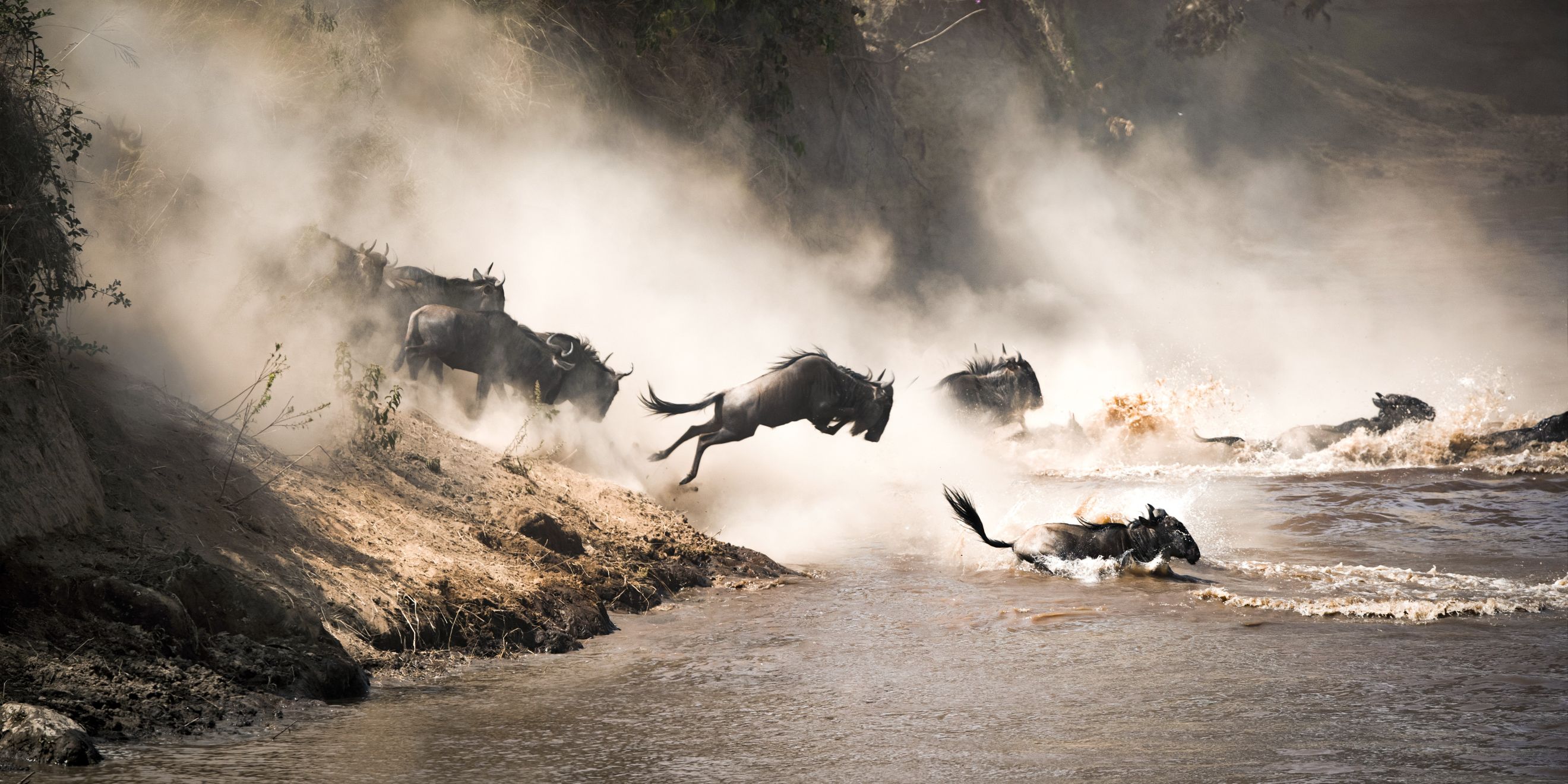
The wildebeest Great Migration is the most iconic wildlife event on earth — and also the most misunderstood by travelers. It is not a single event in a fixed location at a fixed time. It is a year-round movement of approximately 1.5 million wildebeest around a 1,200-kilometre circuit between Tanzania and Kenya, driven by rainfall, grass growth, and predator pressure. Understanding where the herds will be during your specific travel dates requires current, specific knowledge — not a generic calendar. An operator with deep Serengeti experience will position you for the best migration experience available for your dates. An operator without that depth will sell you a 'Great Migration safari' regardless of whether the timing and positioning actually delivers it.

Seasons and Value

Tanzania has two primary seasons that affect safari pricing, wildlife visibility, and experience quality. The dry season (June–October) is peak season — wildlife concentrates around water sources, visibility is excellent, and prices are at their highest. The green season (November–May) sees lower prices, fewer tourists, exceptional birdlife, newborn animals in the calving period (January–February), and landscapes of remarkable beauty — but with lower visibility in some parks due to longer grass and more dispersed wildlife. A quality operator explains this trade-off honestly and helps you choose based on your priorities — not simply based on what sells most easily.

Choosing a Tanzania Safari Operator — Frequently Asked Questions


Check for TATO (Tanzania Association of Tour Operators) registration, which is the primary professional body for Tanzania safari operators. Verify their physical address in Tanzania, confirm they have verifiable reviews across multiple platforms spanning multiple years, and ask for their guide certification and emergency protocol documentation before booking.
TATO — the Tanzania Association of Tour Operators — is the professional body that registers and governs legitimate Tanzania safari operators. TATO membership requires operators to meet defined standards of operation, guide certification, and guest service. It is the baseline credential to look for when verifying an operator's legitimacy. All serious, established Tanzania safari operators are TATO members.
Booking direct with a locally operated Tanzania safari platform removes the 15–30% commission layer that international comparison platforms add to the base operator price. It also gives you direct access to the team running your safari, faster response times, and clearer accountability if anything changes on the ground. For more detail, see our guide on booking Tanzania safari direct.
A transparent Tanzania safari quote should include: park and conservation area fees, a private or shared 4WD safari vehicle, a professional certified guide, all accommodation as specified, all meals from arrival dinner to departure breakfast, and airport transfers. Exclusions to budget for separately: international flights, Tanzania visa fee (~$50), travel insurance, and guide gratuities. See our full Tanzania safari cost breakdown for 2026 pricing by tier.
A minimum of 6 days is recommended for a meaningful northern circuit safari covering Serengeti and Ngorongoro. 8–10 days allows you to add Tarangire and Lake Manyara and spend more time in each park without feeling rushed. For a combined Kilimanjaro climb and safari, 12–16 days is a realistic total itinerary.
The dry season from June to October is peak safari season — excellent wildlife visibility, Great Migration river crossings in the northern Serengeti (July–September), and reliably dry weather. January and February offer the calving season in Ndutu with exceptional predator activity. The green season (November–May) offers lower prices, fewer tourists, outstanding birdlife, and beautiful landscapes, with lower wildlife visibility in some areas.
Ask the operator for your guide's name, years of experience, Tanzania Tourist Board certification level, and any specific expertise in your area of interest (photography, birding, walking, etc.). Look for their name mentioned specifically in guest reviews — named mentions indicate genuine personal experience. Ask how long they have worked with the operator.
A private safari gives you an exclusive vehicle and guide for your party only — complete flexibility on timing, pace, and route. A group or shared safari puts you in a vehicle with other travelers on a fixed itinerary and departure schedule. Private safaris typically cost more per person for smaller parties but offer a materially different quality of experience. For 2+ travelers, the price difference narrows considerably.

You Now Know What Good Looks Like. Here Is Where to Find It.

safari‑tz.com — 35 years. 300+ tours. TATO registered. Locally operated. Direct booking. Arusha based.

Every tour in our 300+ catalogue is built and operated by our own Arusha-based team. Our guides are certified, experienced, and named. Our prices are transparent and include park fees. Our emergency team is reachable 24 hours. We have operated from Arusha since 1991 and we stand behind every safari we run.

Questions? Call or WhatsApp us: +255 743 100 673

💬 WhatsApp Us
WhatsApp